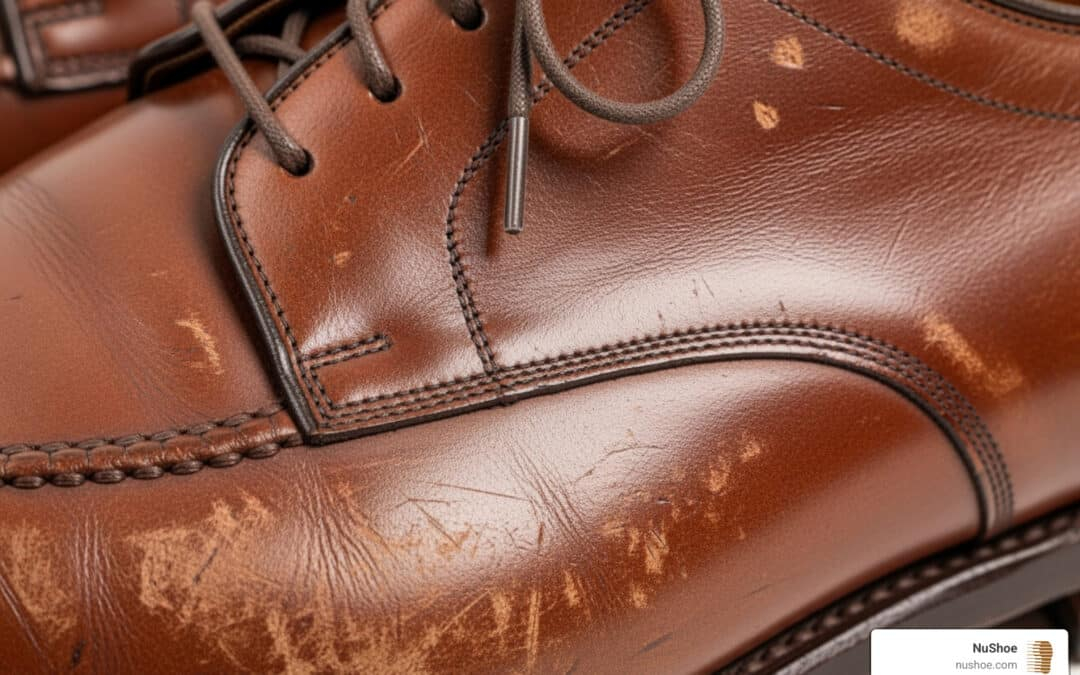
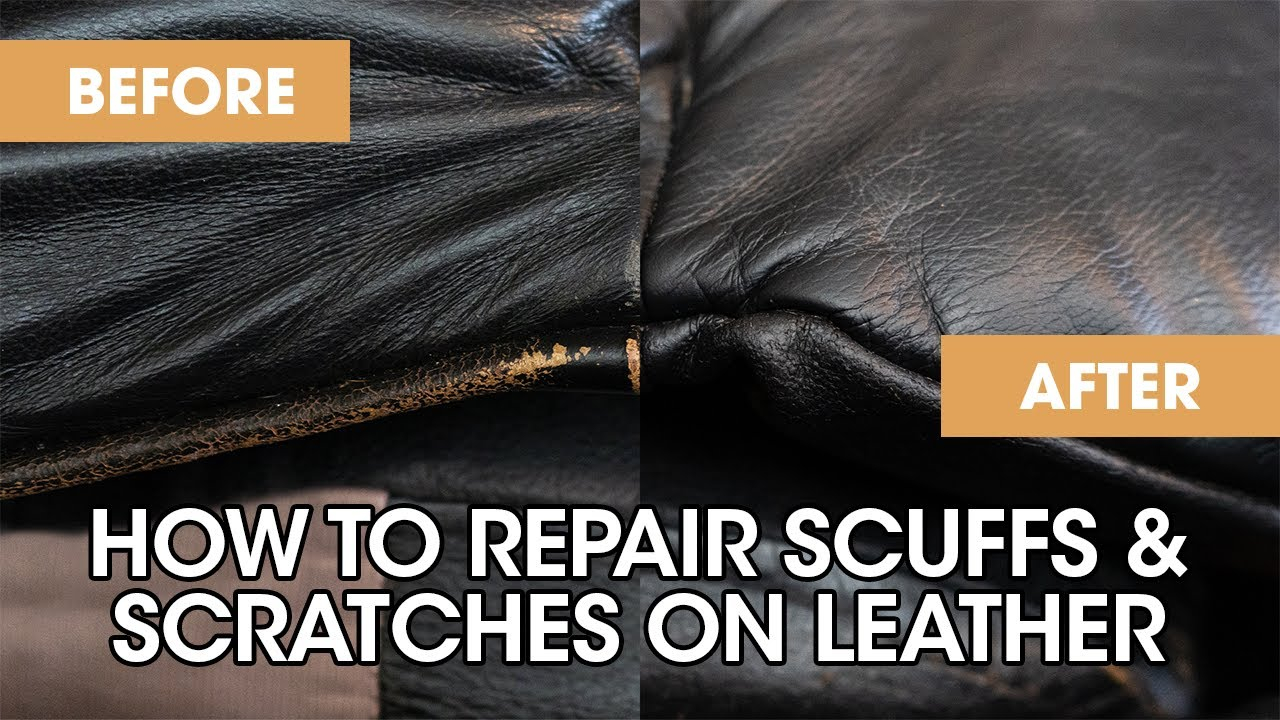
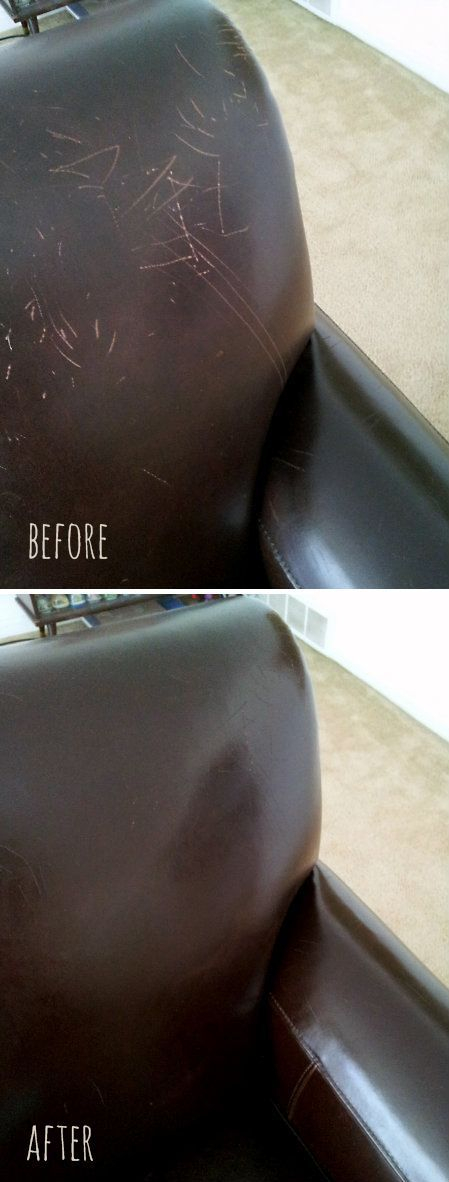
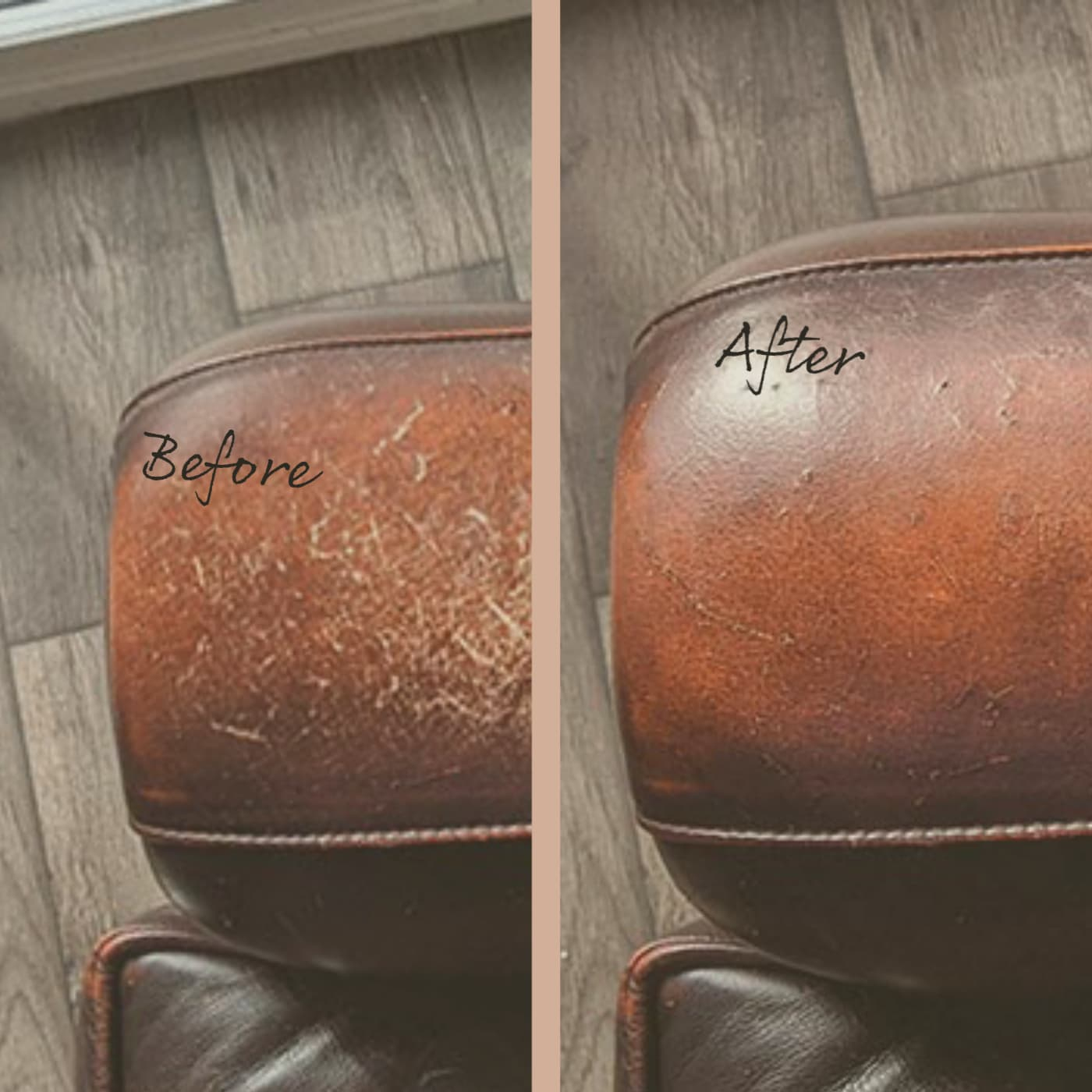
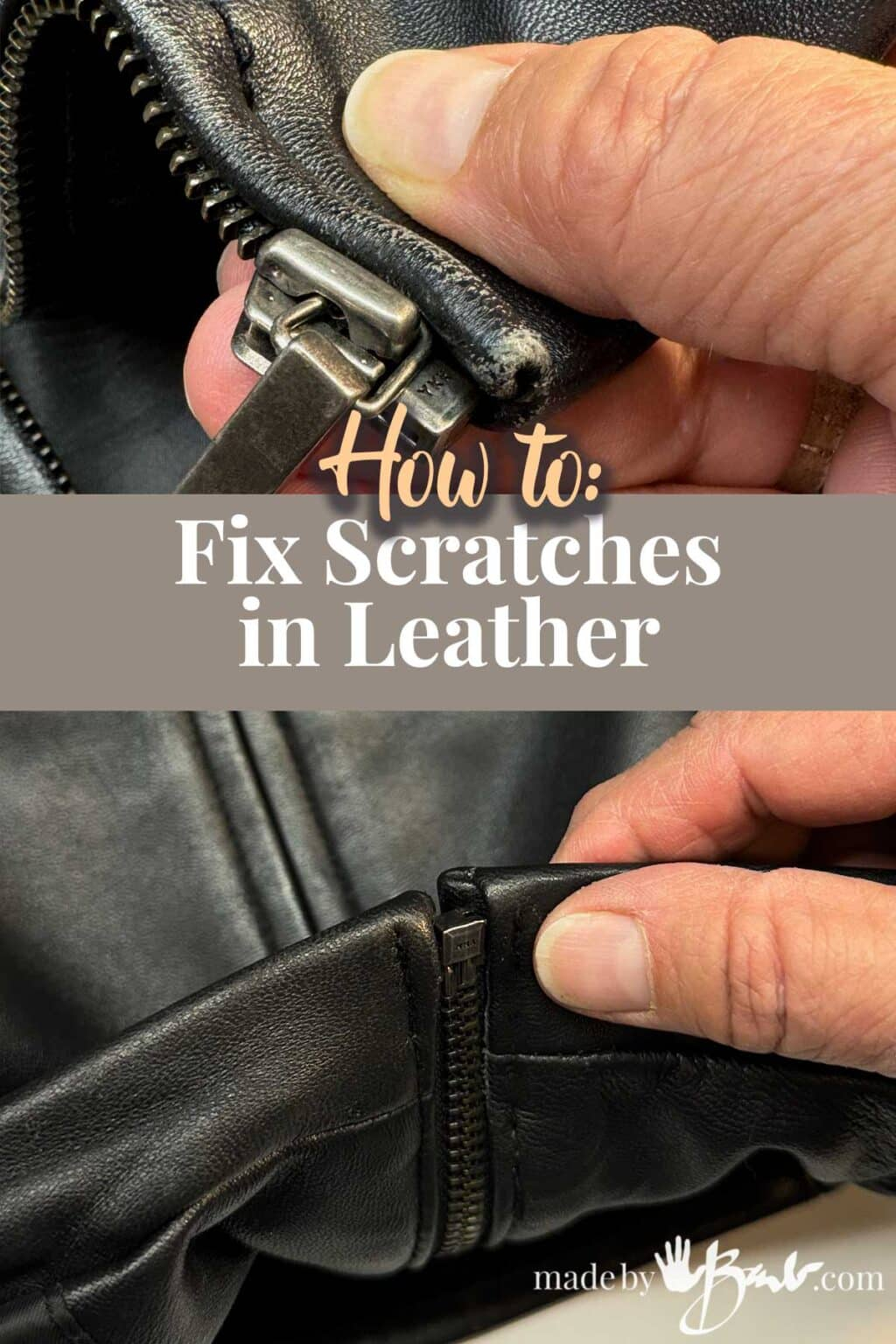
Have you ever looked at a gorgeous vintage jacket or an expensive leather chair and noticed a scratch that just breaks your heart? Leather tells a story, and everyday life leaves marks. But when that hide is bare, untreated aniline leather, fixing it feels nearly impossible.
Aniline leather is famous for being completely natural. It has no heavy plastic coating or pigmented paint on top. Because it stays porous and soft, every drop of moisture or scuff mark sinks right in. That makes repairing it a true test of patience and skill.
What Makes Aniline Hide So Tricky
Most common leather items use finished hides. Those are sprayed with color polymers, meaning you can just dab some matching paint over a scratch and call it a day. Aniline is different. It is dyed exclusively with soluble dyes that let the natural texture and grain show through.
When you damage this kind of material, you are not just scratching a surface coating. You are actually altering the fibers of the skin itself. Any patch or filler you put on top will immediately stand out like a sore thumb if you do not know what you are doing.
The Secret World Of Color Matching
Master craftspeople do not just grab a bottle of dye off a shelf. They mix custom tints using alcohol-based stains and transparent dyes. Since aniline hide absorbs color like a sponge, getting the tone right requires an artistic eye and a lot of testing on hidden spots.
The goal is to tint only the damaged area without darkening the surrounding healthy material. Professionals use tiny brushes or airbrushes to apply microscopic layers of color. They build up the shade very slowly until it matches the rich depth of the surrounding hide.
Fixing Tears Without Visible Seams
When a tear happens, glue alone will not cut it. Artisans use a backing patch made of strong, thin fabric or specialized leather skived down to a feather edge. They slide this backing underneath the rip using tweezers and specialized tools.
Next comes a delicate adhesive application. The glue must hold the edges together securely without bleeding through to the visible surface. Once the edges meet flush, the artisan presses the area flat to ensure there is no visible ridge or bump left behind.
Restoring The Natural Texture And Feel
Smooth color is only half the battle. Aniline leather has a unique hand-feel and a soft matte or semi-gloss sheen. If a repaired spot is too shiny or too dull, your eyes will instantly drift right to it.
Experts use specialized conditioning oils, waxes, and gentle buffing tools to mimic the original grain pattern. They might even use a heated stamping tool with a matching texture plate to recreate tiny pores on a patched area. It is tedious work that requires absolute precision.
Preventing Future Damage While Protecting Patina
Once the repair work is complete, protection becomes the main priority. Because pure leather is vulnerable to oils and UV light, applying the right conditioner is vital. Artisans in 2026 rely on breathable, non-silicone protectants that shield the hide without ruining its natural breathability.
You should always keep your favorite leather pieces away from direct sunlight and harsh heat vents. Regular, gentle dusting goes a long way. If a spill happens, blot it immediately instead of rubbing it deeper into the porous fibers.
In our fast-paced modern world, people throw things away too quickly. But high-end aniline leather items are investment pieces meant to last for generations. The ability to bring a badly damaged heirloom back to life connects us to older traditions of quality and care.
Learning about this hidden craft helps us appreciate the labor behind real luxury goods. Next time you spot a flaw on your favorite leather bag, remember that with enough patience, it can be made whole again.
Mending fine aniline leather is truly a blend of science and art. It takes years of practice to make a major repair vanish completely into the surrounding grain. By understanding the unique nature of these delicate hides, we can better care for our cherished belongings.
Taking the time to maintain and restore your leather items is a rewarding journey. With the right touch and a bit of care, your favorite pieces will continue telling their unique stories for many years to come.