Have you ever looked out your window during a heavy downpour and watched your yard turn into a temporary lake? It is a frustrating sight. Puddle formation and messy erosion can ruin your favorite outdoor spaces. But what if that excess water could actually make your yard healthier and greener?
Rainwater management used to mean hiding drainage pipes and concrete channels. Today, savvy homeowners are taking a completely different approach. By blending natural beauty with smart engineering, rain gardens have emerged as the go-to solution for sustainable outdoor design in 2026. They do not just solve drainage problems; they transform ordinary plots into thriving ecosystems.
Understanding What Makes a Rain Garden Work
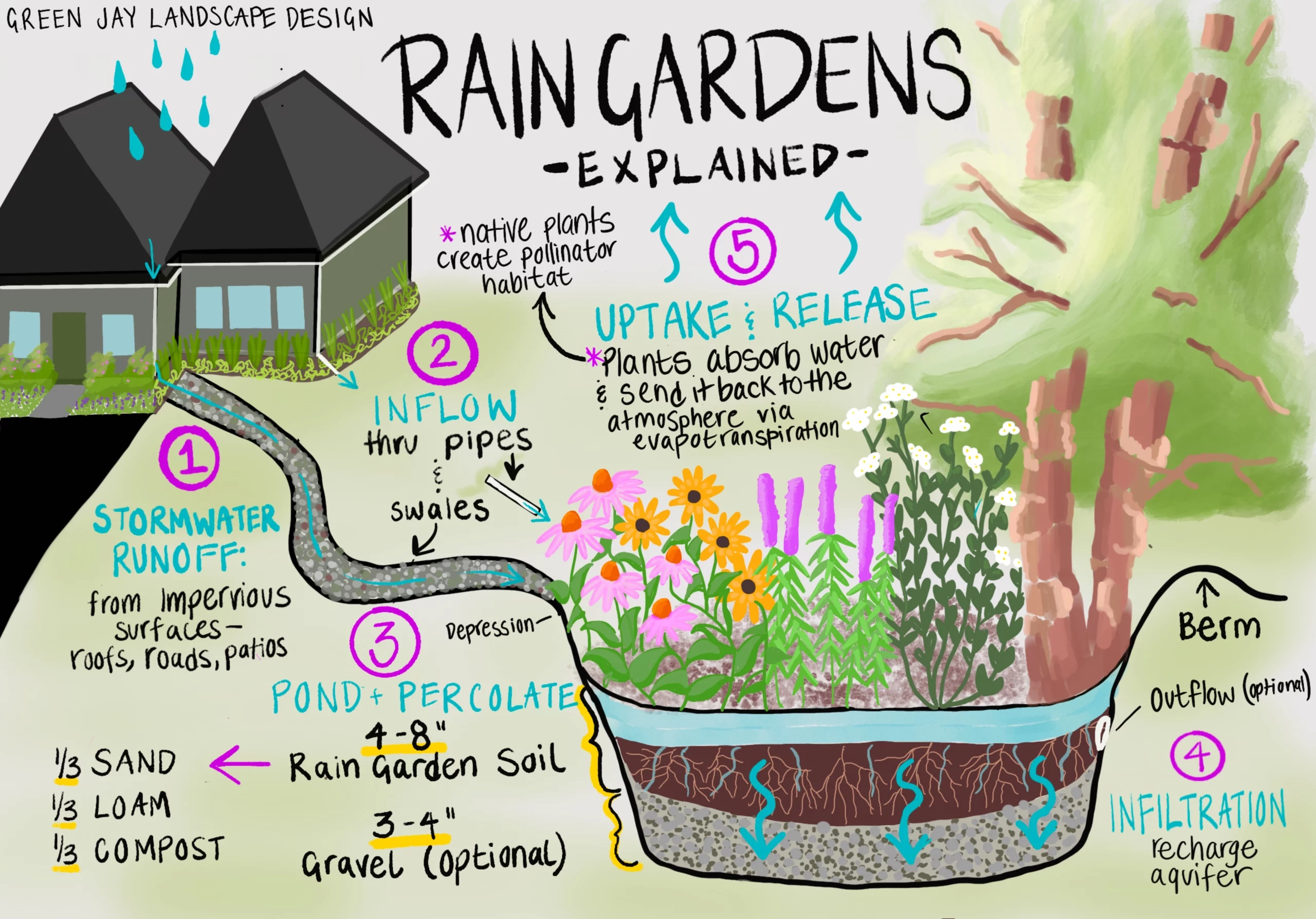
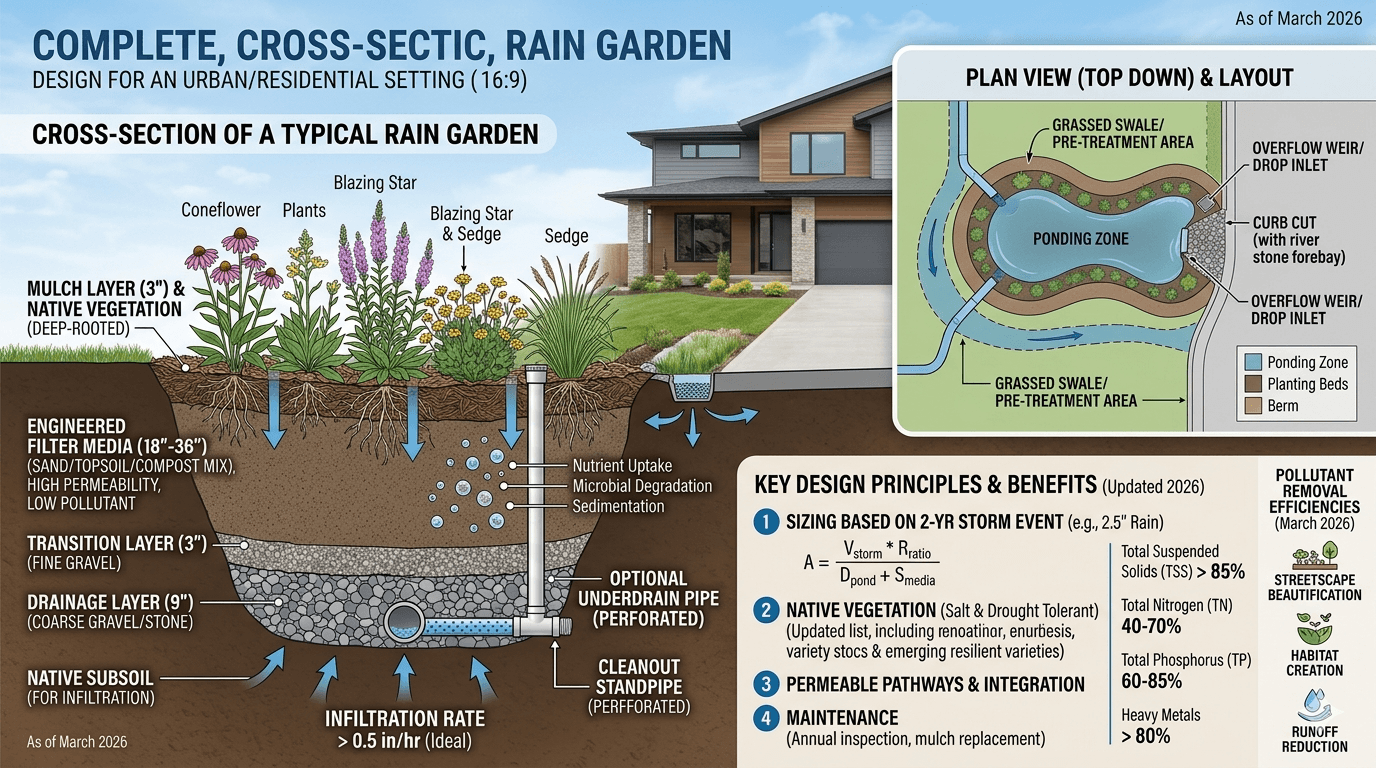
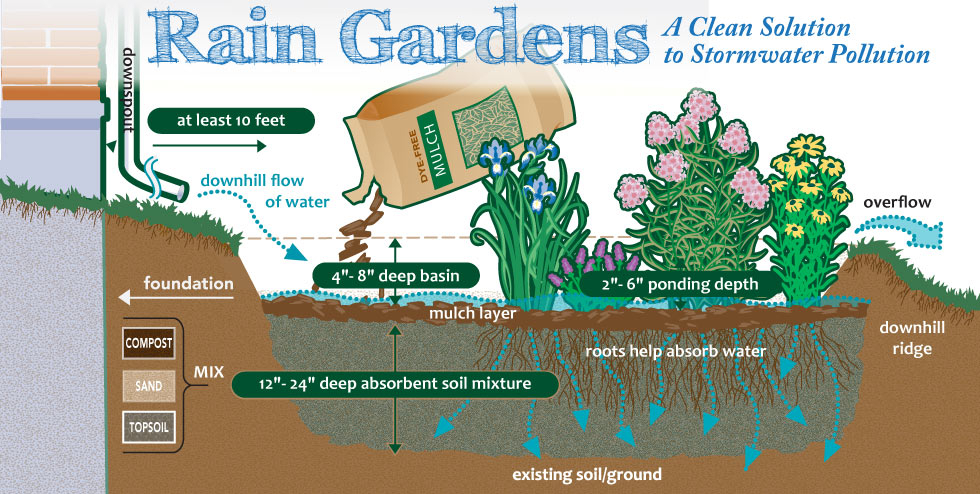
At its core, a rain garden is simply a carefully shaped, shallow dip in your yard. It acts as a natural sponge. Instead of letting roof runoff and driveway water race straight into street drains, these installations catch the flow.
You position the garden near a downspout or sloped area where water naturally pools. The custom soil mix and deep-rooted plants work together to absorb moisture quickly. Within a day or two after a storm, the standing water completely vanishes into the ground.
The Hidden Threat of Urban Stormwater Runoff
Hard surfaces like roofs, patios, and concrete driveways stop rain from soaking naturally into the earth. When a heavy storm hits, this water picks up oil, fertilizer, pet waste, and litter. It becomes dirty runoff that flows right into local streams and rivers without any treatment.
This rush of extra water also causes severe stream erosion and local flooding. Installing a rain garden acts as your personal defense system. It traps the runoff right where it falls, cleaning the water naturally before it ever reaches municipal waterways.
Choosing the Perfect Spot and Size
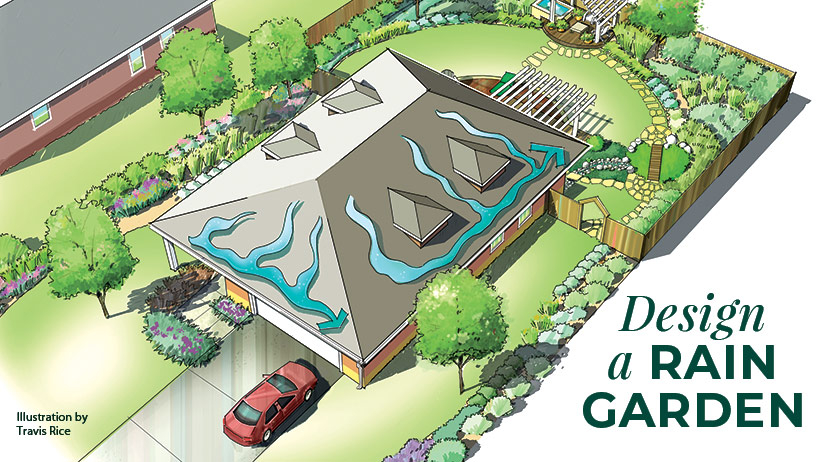
Picking the right location is the most important step in your project. You want to place your garden at least ten feet away from your house foundation to keep basements safe and dry. Also, observe where water naturally flows and settles during heavy rain events.
Size matters too. For a typical home, a rain garden only needs to take up about twenty to thirty percent of the area of the roof or hard surface draining into it. Making it roughly six to eight inches deep ensures it can hold heavy downpours without spilling over.
Selecting Tough Native Plants
The real magic of a rain garden happens underground thanks to deep, stubborn root systems. Native plants are the absolute best choice for this job. They have evolved over thousands of years to handle local weather extremes, from dry summer droughts to soggy spring floods.
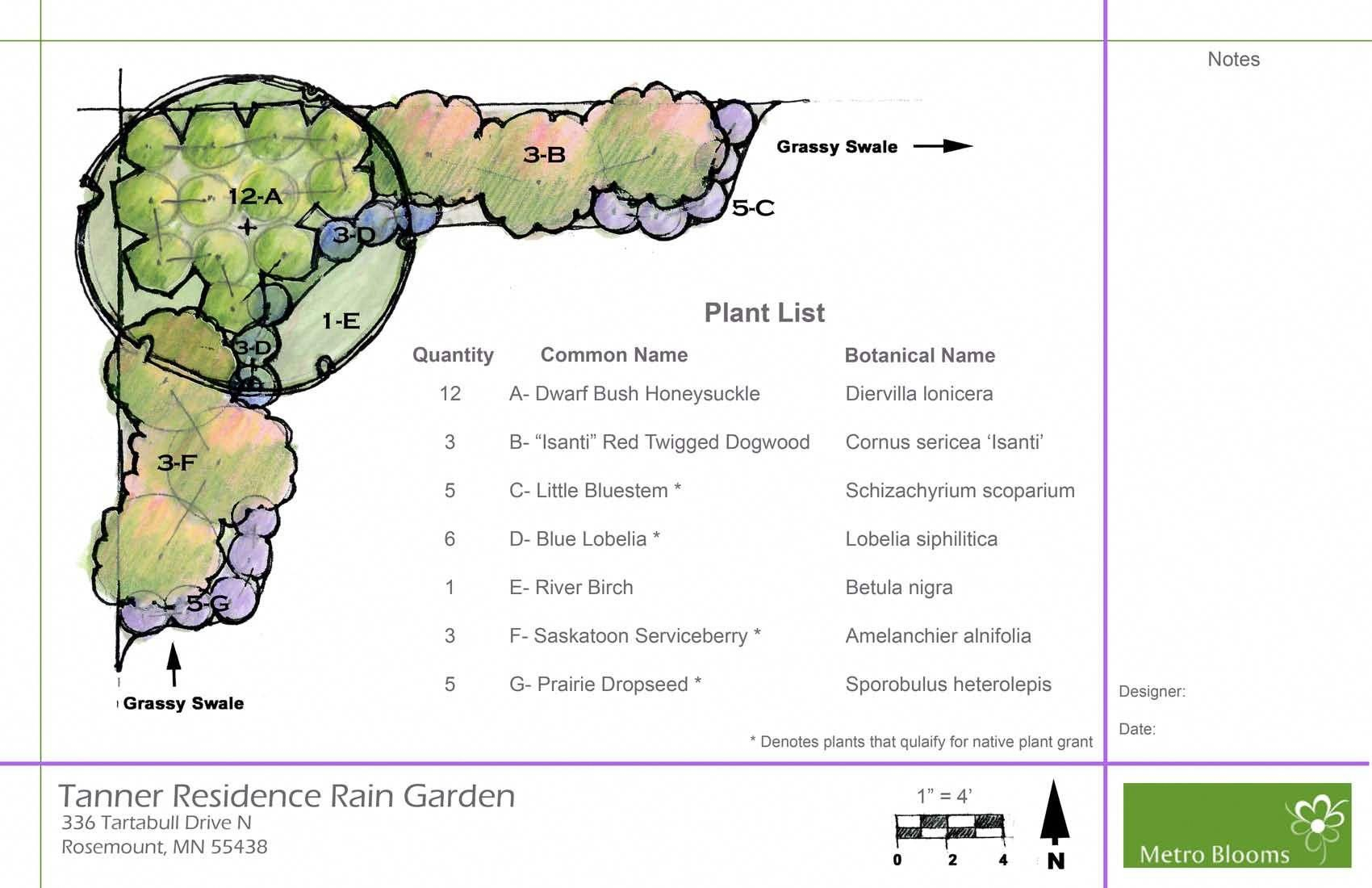
Species like purple coneflower, Joe Pye weed, and various native sedges develop roots that stretch several feet deep. These roots break up compact earth and create tiny underground tunnels. This process lets water sink deep down rather than sitting on top.
Easy Maintenance and Upkeep Tips
Many people worry that a custom rain garden will require constant weeding and endless hours of yard work. In reality, once the plants get established during their first season, they demand very little attention. You will only need occasional weeding and a fresh layer of mulch in the spring.
Avoid using chemical fertilizers or heavy pesticides in your rain garden. The whole point is to keep local water clean. Let nature do the heavy lifting, and your garden will reward you with vibrant blooms and zero fuss.
Beyond helping the environment, adding a rain garden instantly boosts your property’s curb appeal. A colorful, thriving patch of native flora looks much better than a muddy lawn or an ugly drainage ditch. It also attracts friendly pollinators like bees, butterflies, and songbirds to your yard.
As local communities face more unpredictable weather patterns, making your property resilient is a smart move. A well-designed rain garden protects your home investment while doing right by the planet.
Building a rain garden is one of the most rewarding weekend projects you can take on for your outdoor space. It turns an annoying drainage headache into a stunning, eco-friendly focal point.
So the next time storm clouds roll in, you can sit back and relax. Your yard will be working hard behind the scenes to soak up the rain, clean the water, and support local wildlife.