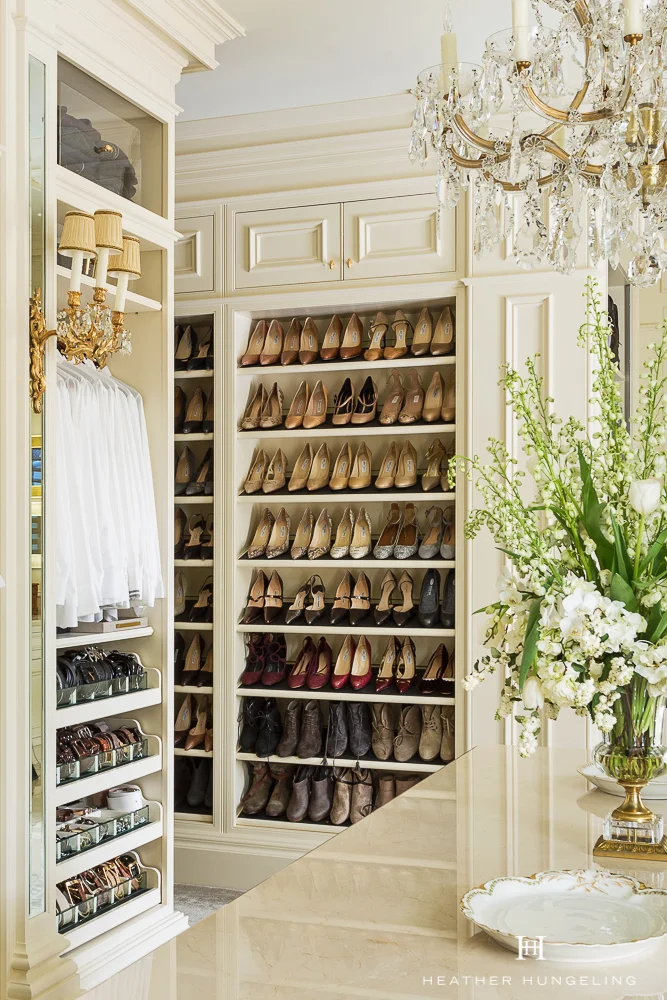
We’ve all been there. You’re rushing out the door, late for a meeting or a date, and you reach for that one pair of heels you love. The ones that make you feel invincible. But instead of finding them ready to go, you find them scuffed, the leather cracked from being shoved in a dark corner, or maybe they’ve developed a weird smell because they never got to breathe. It’s a small tragedy, really. Or perhaps it’s your grandmother’s pearl necklace, now tangled beyond repair in a messy drawer, the clasp broken from being tossed around with loose change and hair ties.
It doesn’t have to be this way. In 2026, the conversation around home organization has shifted. It’s no longer just about hiding things away to make a room look clean for guests. It’s about preservation. It’s about respecting the items that bring us joy, comfort, or hold our memories. Whether it’s a vintage sneaker collection, a box of heirloom jewelry, or ticket stubs from a concert that changed your life, these "pairs" and pieces deserve better than the back of a closet. They deserve a home that protects them and showcases them.
Think of storage not as a chore, but as an act of care. When we take the time to create thoughtful, custom spaces for our belongings, we aren’t just organizing; we are curating our own personal museums. We are ensuring that the things we love last longer, look better, and remain ready for use. This guide isn’t about buying the most expensive bins. It’s about understanding the materials, the environment, and the unique needs of your favorite items so you can build a system that works for you. Let’s dive into how you can transform your space and preserve your treasures.
Why Off-the-Shelf Solutions Often Fail Our Favorites
Let’s be honest for a second. Most mass-produced storage boxes and racks are designed for convenience, not longevity. They are made to fit standard sizes and to look good on a shelf in a big-box store. But your life isn’t standard. Your favorite boots might have a wider calf than the average design accounts for. Your jewelry collection might have delicate chains that catch on rough wood edges. When we force our unique, cherished items into generic containers, we often do more harm than good.
Consider the material mismatch. Plastic bins, while cheap and clear, can trap moisture. For leather shoes or natural fiber clothing, this is a disaster. Mold and mildew love stagnant, humid air. In contrast, acid-free tissue paper and breathable cotton bags allow items to breathe while protecting them from dust and light. Similarly, those flimsy wire hangers or shoe racks can bend under weight, distorting the shape of your favorite sneakers or handbags over time. A custom approach considers the weight, texture, and chemical sensitivity of what you are storing.
It’s also about accessibility. If your storage solution makes it hard to get to your items, you won’t use it. You’ll revert to tossing things on the floor. Custom storage is tailored to your habits. If you wear earrings every day, they need to be at eye level, untangled, and easy to grab. If you only wear winter boots three months a year, they can be stored higher up, but still in a way that maintains their shape. By thinking critically about how you interact with your belongings, you can design a system that encourages care rather than neglect. It’s a subtle shift, but it changes everything.
Footwear First: Breathing Life into Your Shoe Collection
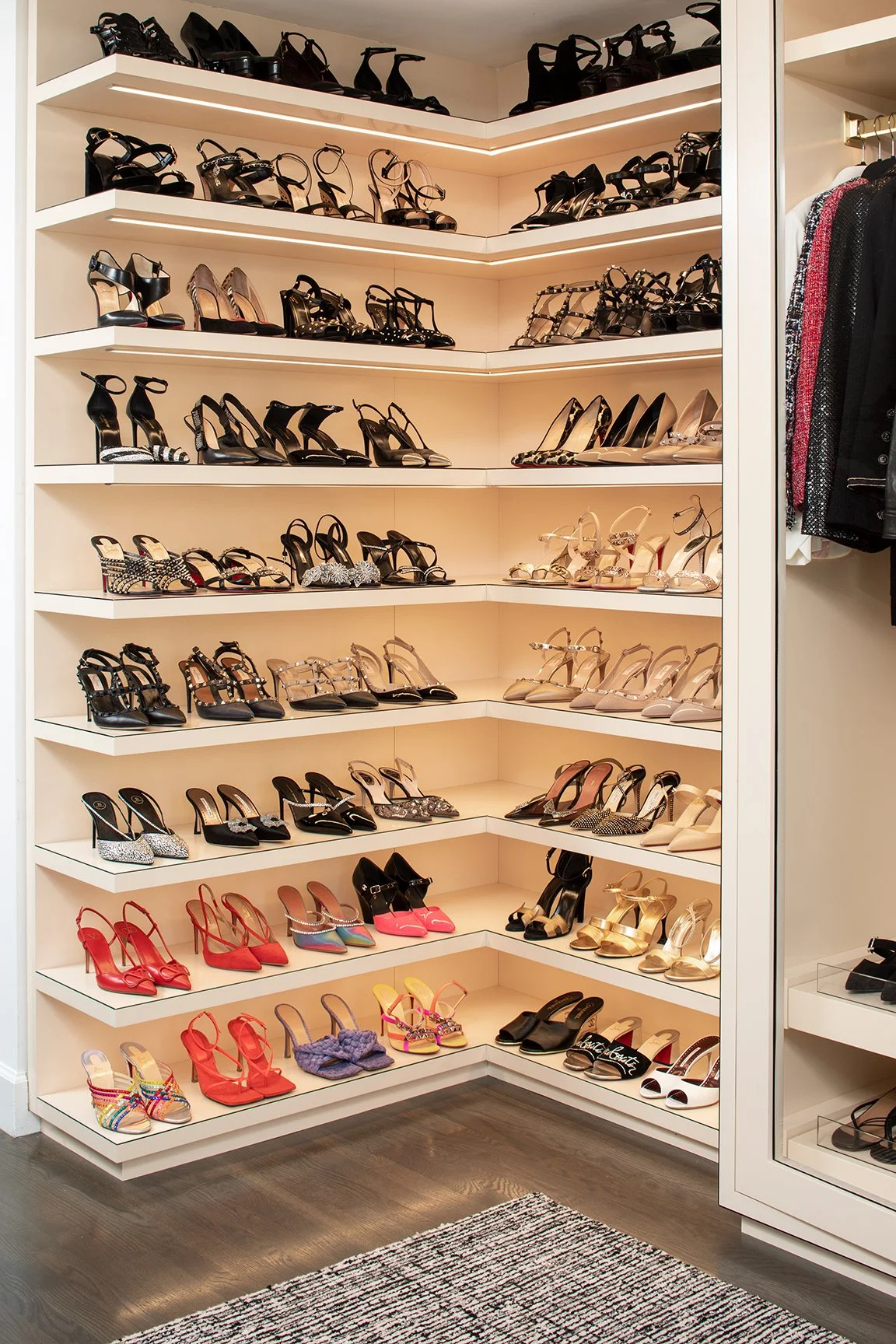
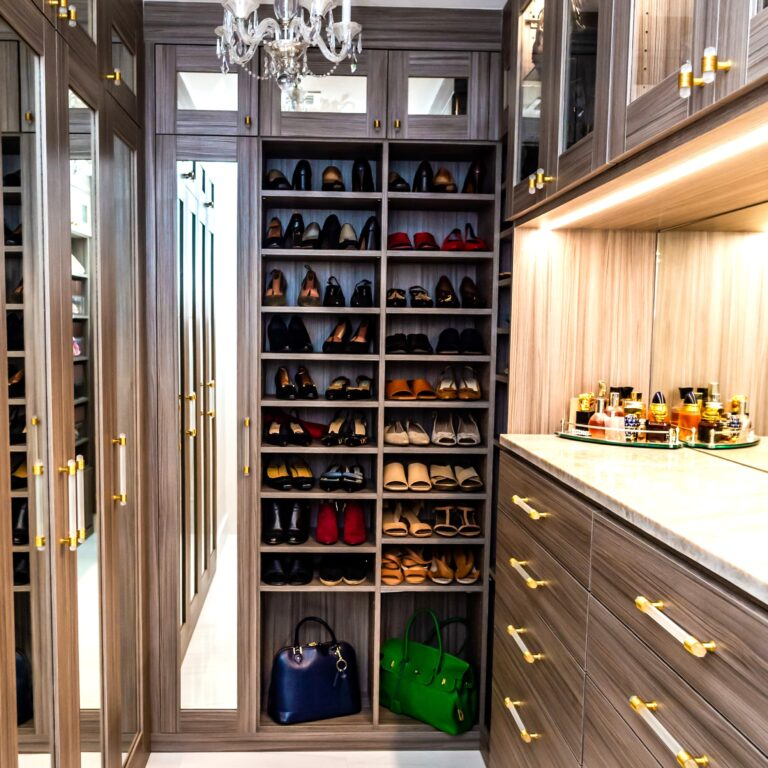
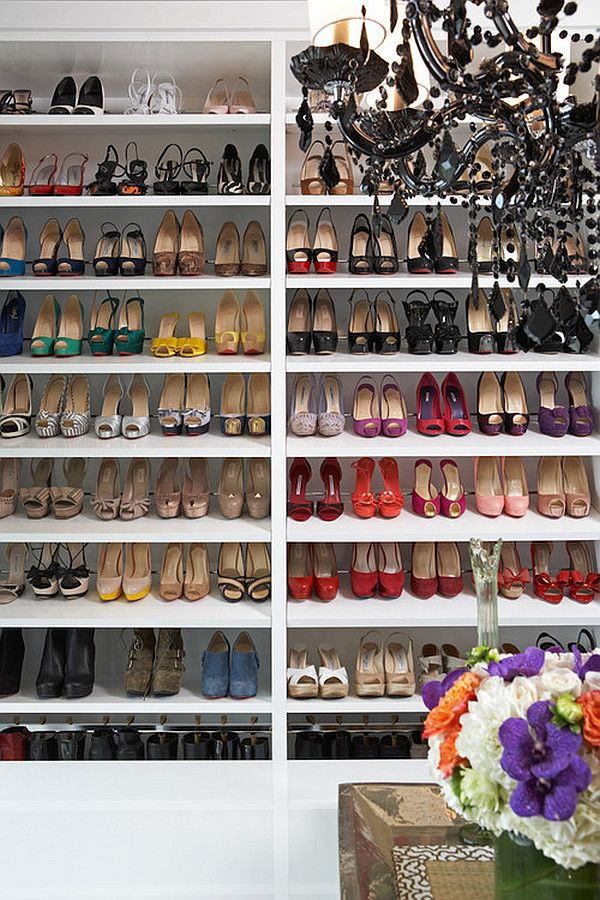
Shoes are perhaps the most abused items in our closets. We walk miles in them, step in puddles, and then shove them into dark, airless piles. No wonder they fall apart. The key to preserving footwear is airflow and shape retention. In 2026, custom closet designs are increasingly focusing on specialized shoe zones that prioritize these two factors. Instead of stacking shoes toe-to-heel, which can crush the heel counter and scuff the upper, think vertical display or individual cubbies.
For everyday sneakers and flats, open shelving with adjustable heights is ideal. This allows air to circulate around each pair, drying out any sweat from wear. If you have high-end leather boots or heels, consider using cedar shoe trees. Cedar not only absorbs moisture and odor but also helps maintain the original shape of the shoe, preventing creases from becoming permanent cracks. Custom racks can be built with slots specifically sized for your collection, ensuring that a size 12 boot doesn’t share space with a size 6 pump, which leads to instability and damage.
Don’t forget the environment. Shoes should never be stored in direct sunlight, as UV rays can fade colors and dry out leather and glue. A cool, dry place is best. If you live in a humid climate, adding silica gel packets to your shoe storage area can help control moisture levels. For seasonal rotation, use breathable fabric bags rather than plastic. Label them clearly so you aren’t digging through five bags to find the one pair of sandals you need. This thoughtful approach turns a chaotic pile into a gallery of your favorite steps.
The Jewelry Box Reimagined: Tangle-Free and Tarnish-Resistant
Jewelry is delicate. It’s small, intricate, and often made of metals that react to air and skin oils. The classic image of a jewelry box with a velvet lining is nice, but it’s often insufficient for a modern collection. Chains tangle. Earrings get lost. Rings scratch each other. The goal of custom jewelry storage is separation and protection. Each piece needs its own designated spot, ideally lined with a soft, non-abrasive material like felt or anti-tarnish cloth.
Drawer dividers are a game-changer here. Instead of one large void where everything mixes, customize your drawers with compartments sized for specific types of jewelry. Deep sections for bracelets and watches, shallow trays for rings, and pegs or hooks for necklaces. Hanging necklaces is the single best way to prevent tangles. A custom rod with S-hooks or a dedicated jewelry armoire with interior hooks keeps chains straight and visible. This transforms the daily routine from a frustrating detangling session into an effortless selection process.
Lighting matters too. LED strip lights inside jewelry drawers or cabinets not only look luxurious but help you see what you have. Often, we forget about pieces because they are hidden in the dark. When you can see your collection clearly, you’re more likely to wear it and care for it. Also, consider the chemistry. Silver tarnishes when exposed to sulfur in the air. Storing silver in anti-tarnish bags or strips within your custom setup can significantly extend the time between polishings. It’s about creating a micro-environment that slows down decay.
Sentimental Items: Curating Memories Without the Clutter
Then there are the items that don’t have a practical use but hold immense emotional weight. Ticket stubs, baby clothes, love letters, vintage postcards. These are the "pairs" of memories—moments frozen in time. The challenge here is volume. We tend to keep everything, fearing that letting go means forgetting. But keeping everything often means nothing is preserved properly. Papers yellow, fabrics rot, and photos fade. Custom storage for sentimental items is about curation and archival quality.
Start by sorting. Be ruthless but kind. Keep what truly sparks a memory or represents a significant chapter in your life. For the items you keep, invest in archival-quality materials. Acid-free boxes, sleeves, and folders are essential. Regular cardboard and plastic sleeves contain acids and chemicals that break down paper and fabric over decades. By using archival standards, you ensure that a letter written in 1990 will still be readable in 2050. Label these boxes clearly with dates and themes, so you can revisit them without having to unpack your entire history.
Displaying some of these items can also be a form of storage. Shadow boxes for ticket stubs and dried flowers, or framed photos for special moments, take them out of the dark and integrate them into your living space. This reduces the amount of "hidden" clutter and keeps the memories alive in your daily view. For larger items like quilts or wedding dresses, specialized preservation boxes with tissue padding prevent creasing and yellowing. The key is to treat these items with the same respect you would a museum artifact, because to you, they are.
Creative Displays: When Storage Becomes Decor
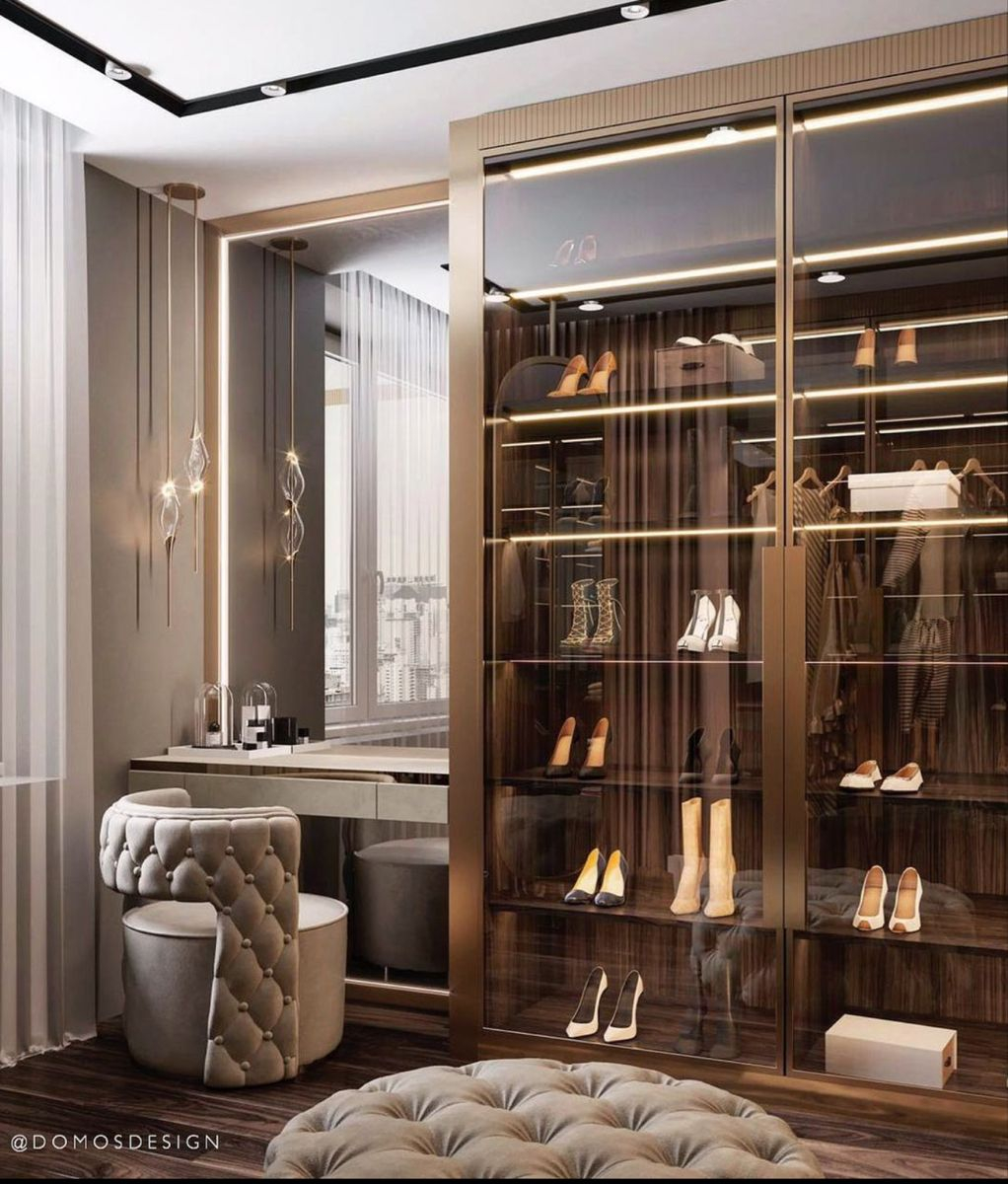
Who says storage has to be hidden? In fact, some of the most effective preservation methods are also the most beautiful. Turning your storage into decor encourages you to keep it tidy and appreciated. Think of vintage suitcases stacked as side tables, with scarves or hats stored inside. Or a wall-mounted rack made from reclaimed wood, displaying your favorite sneakers like art pieces. This approach, popular in 2026 design trends, blurs the line between function and aesthetics.
Repurposing household items is another creative avenue. Old teacups can hold rings. Vintage candle jars can store makeup brushes or small accessories. A ladder leaned against a wall can serve as a towel rack or a display for woven baskets containing miscellaneous items. These solutions are not only eco-friendly but add character to your home. They tell a story about who you are and what you value. When storage is beautiful, you’re less likely to ignore it. It becomes a part of your home’s identity.
However, balance is key. Too much display can feel cluttered. The art lies in editing. Choose a few standout pieces to display and store the rest. Rotate your displays seasonally to keep things fresh. This also gives you a chance to check on the condition of your items, ensuring that dust or light isn’t causing damage over time. By integrating storage into your decor, you make preservation a visible, celebrated part of your daily life. It’s a reminder that your things matter.
Creating a custom storage system is just the beginning. The real work is in the maintenance. Even the best-designed closet will fail if it’s not maintained. Establish simple rituals to keep your items in top shape. For shoes, a quick wipe-down after wear and a monthly check for scuffs or sole wear can prevent major repairs later. For jewelry, a gentle cleaning with a soft cloth after each wear removes oils and prevents buildup. These small actions take seconds but add up to years of extended life for your belongings.
Schedule a seasonal review. Every three months, take an hour to go through your storage zones. Check for signs of pests, moisture, or damage. Rotate seasonal items. This is also a good time to reassess what you’re keeping. Has that jacket sat untouched for two years? Maybe it’s time to let it go. Storage systems should evolve with you. As your life changes, your needs change. A flexible system allows for this growth without requiring a complete overhaul.
Finally, educate those around you. If you share your space with a partner, kids, or roommates, make sure they understand the value of the system. Show them where things go and why it matters. When everyone respects the storage, it lasts longer. It becomes a shared value rather than a personal burden. In the end, the art of preserving your favorite pairs is about mindfulness. It’s about slowing down enough to care for the things that care for you. And that’s a practice worth maintaining.
So, where do you start? Look at your closet tonight. Pick one pair of shoes or one piece of jewelry that you love but have been neglecting. Give it the attention it deserves. Clean it. Find it a proper home. Notice how it feels to treat it with care. That small act is the seed of a larger transformation. It’s the beginning of a home that supports you, preserves your history, and celebrates your style. You don’t need a massive budget or a professional designer. You just need intention. And maybe a few cedar blocks.