You know that feeling when you pull open a kitchen drawer, reaching for the spatula, and it stops just short? You have to dig around the front edge, maybe even lift the whole thing slightly, just to grab what’s in the back. It’s annoying. It’s a small friction point in your day, but it adds up. We often overlook the hardware inside our cabinets, treating it like an afterthought until it breaks or frustrates us enough to matter. But in 2026, with home renovations costing more than ever, getting this right the first time isn’t just about convenience. It’s about longevity and sanity.
The debate usually boils down to two main contenders: the reliable, visible full-extension side mount and the sleek, hidden undermount slide. One is the workhorse you’ve known for decades. The other is the modern standard for high-end cabinetry. But here’s the thing—they aren’t mutually exclusive concepts. "Full extension" describes how far the drawer opens. "Undermount" describes where the hardware sits. Confusing, right? That’s because marketing teams love to mash these terms together. Let’s untangle the mess so you can stop guessing and start building (or buying) with confidence.
Untangling the Terminology Mess
First, let’s clear up the biggest misconception. People often ask, "Should I get full extension or undermount?" as if they are choosing between apples and oranges. They’re not. You can have full-extension side mounts. You can have full-extension undermounts. You can even have partial-extension undermounts, though those are rare and usually terrible. Think of "extension" as the range of motion and "mount" as the location.
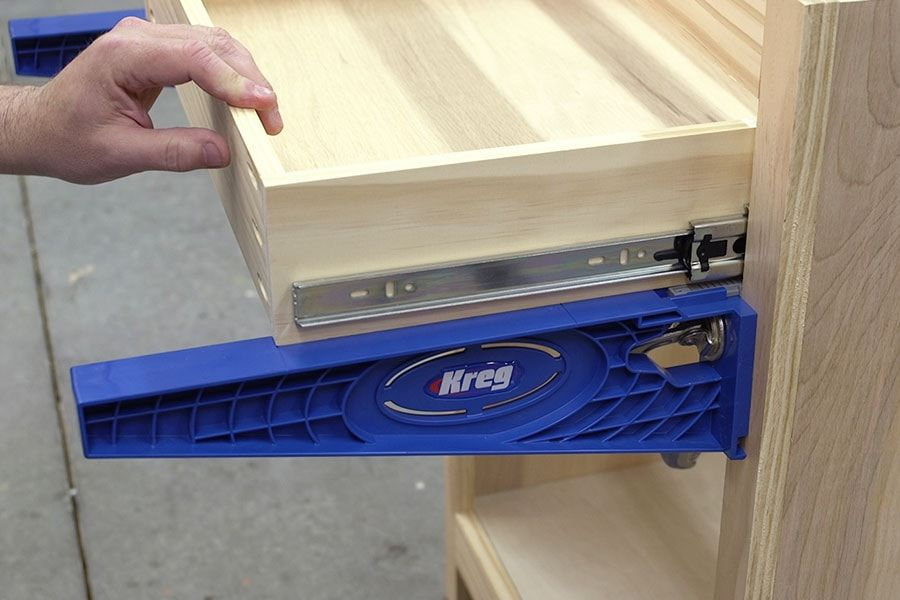
Full extension means the drawer box travels out exactly as far as its own depth. If you have a 20-inch deep drawer, it slides out 20 inches. You can see the back corner. You can wipe it clean. You can retrieve that lost earring. In contrast, older style roller slides or basic epoxy-coated slides often only offer three-quarter extension. The drawer stops with the last few inches still trapped inside the cabinet carcass. It’s a design flaw from a bygone era, yet you still see it in budget-friendly flat-pack furniture today. Don’t settle for it. In 2026, anything less than full extension feels broken.
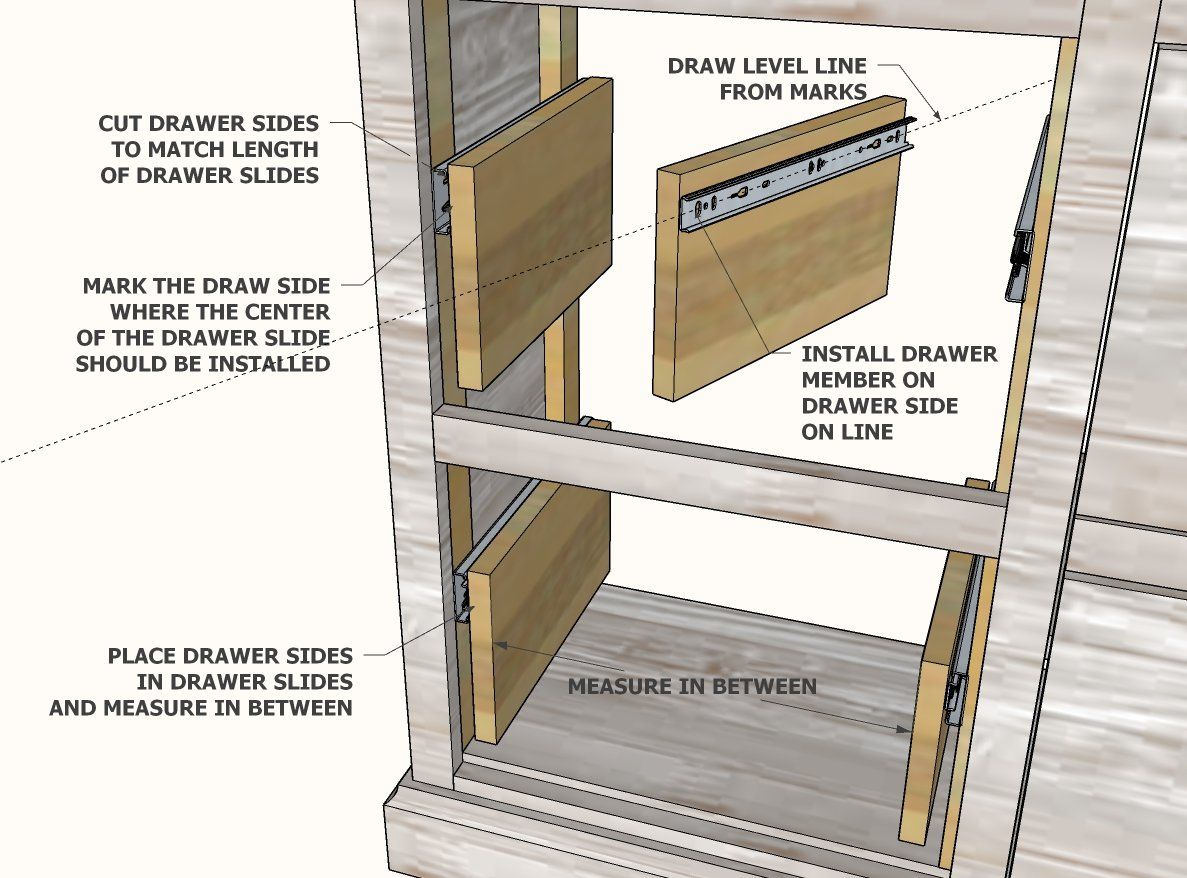
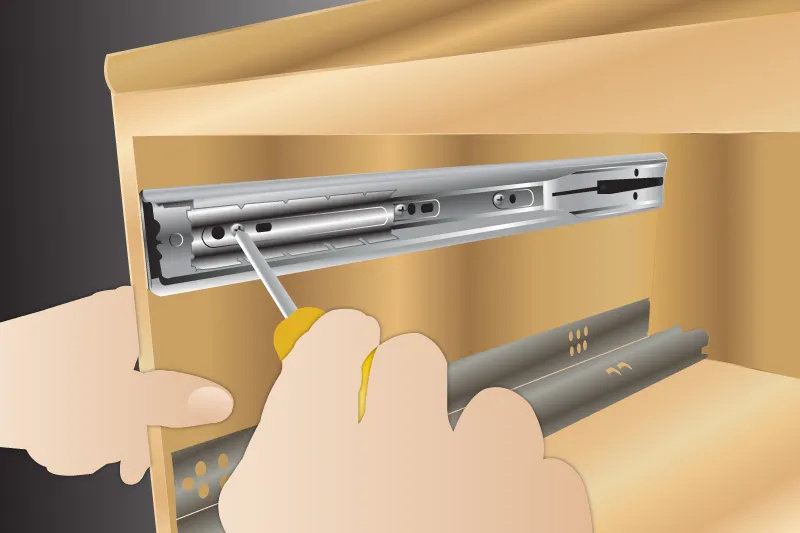
Undermount slides, on the other hand, are defined by their invisibility. They clip onto the bottom corners of the drawer box, hiding completely when the drawer is closed. This creates a clean, uninterrupted look on the sides of your drawer interior. No metal rails blocking your view. No screws protruding into your sock storage. But this aesthetic comes with a price tag and a precision requirement. Side-mount slides bolt to the vertical sides of the drawer. They are rugged, forgiving, and cheap. Undermounts demand that your drawer box is square, your cabinet is plumb, and your measurements are spot-on. If you’re a DIYer with a shaky hand, that distinction matters alot.
The Case for Side-Mount Full Extension
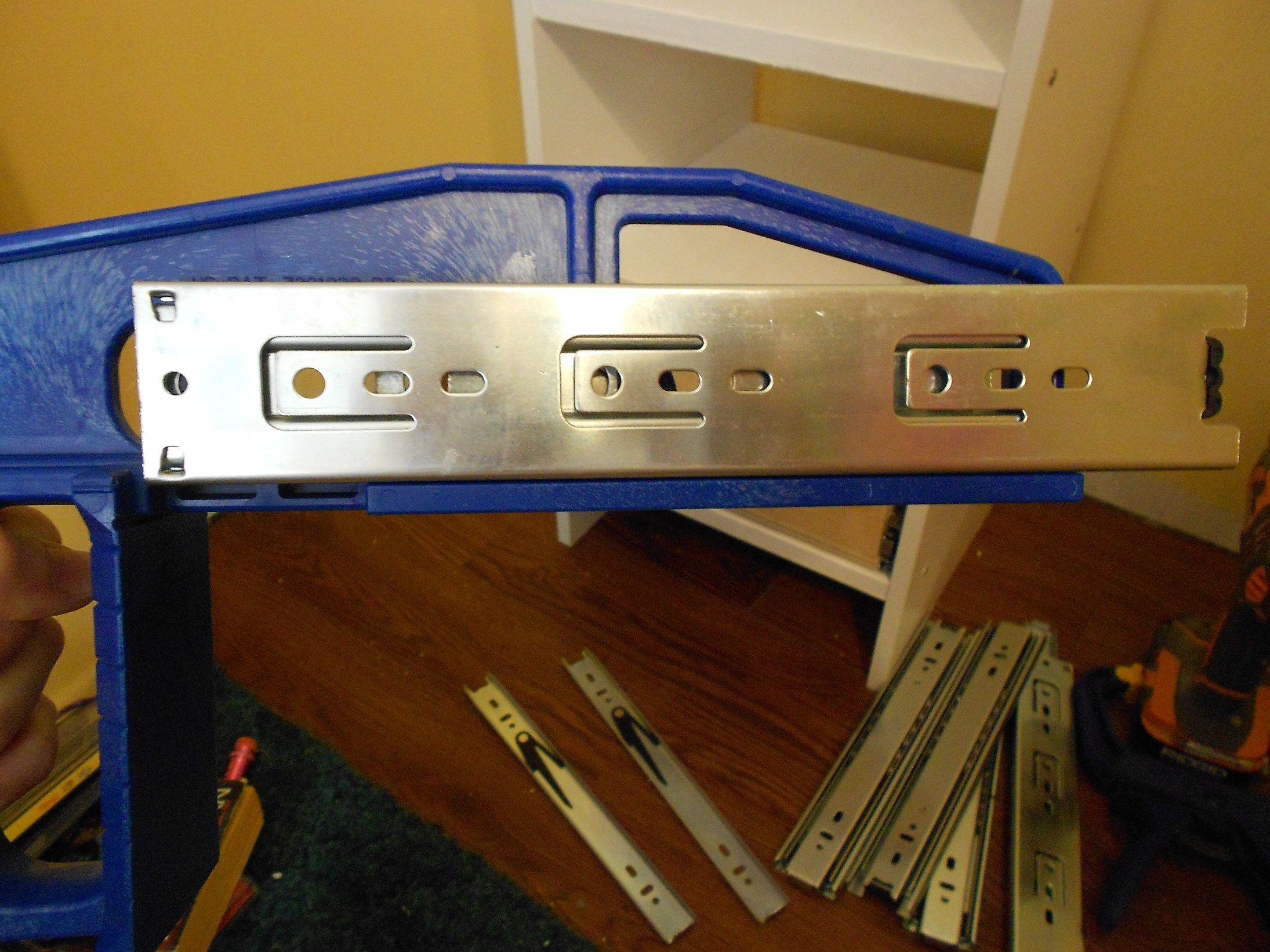
Let’s talk about the workhorse. Side-mount ball-bearing slides are the unsung heroes of the woodworking world. They’ve been around forever, and for good reason. They are incredibly tolerant of imperfections. If your cabinet box is slightly out of square, or if your drawer box is a millimeter too wide, you can usually shim or adjust a side-mount slide to make it work. They don’t demand perfection. They just want to do their job.
Cost is another huge factor. As of 2026, a decent pair of full-extension side-mount slides will run you between $8 and $15. Compare that to undermounts, which typically start around $30 and can easily climb to $50 or more per pair for heavy-duty or soft-close variants. If you are outfitting an entire kitchen with twenty drawers, that difference adds up to hundreds of dollars. For a garage workshop, a basement utility room, or a rental property flip, side-mounts are the logical choice. They offer nearly the same functionality—smooth gliding and full access—without the premium price.
However, they aren’t without downsides. The hardware is visible. When you open the drawer, you see two strips of metal running along the sides. This eats into your internal width. You lose about half an inch to an inch of usable space on each side, depending on the slide thickness. If you are trying to fit wide platters or large files, that lost space can be frustrating. Also, while they are smooth, they rarely feel as "floating" or luxurious as a high-end undermount system. There’s a slight mechanical clatter to them, a reminder that you are moving metal on metal.
Why Undermount Slides Feel Like Magic
Now, imagine pulling open a drawer and seeing nothing but wood. No metal tracks. No screws. Just a clean, open box that glides out silently. That is the undermount experience. These slides attach to the underside of the drawer bottom and the cabinet floor or sides. Because they are hidden, they don’t eat into your side clearance. You get every single millimeter of width your cabinet carcass allows. For narrow utensil drawers or tight spice racks, this extra space is critical.
But the real selling point isn’t just space. It’s the feel. Most modern undermount slides come with integrated soft-close mechanisms as standard. In 2026, it’s hard to find a quality undermount slide that doesn’t soft close. The damping system is usually built into the rear housing, providing a consistent, gentle shut every time. Side-mounts can have soft-close add-ons, but they are often bulky, expensive, and prone to failure. With undermounts, the technology is refined. It feels substantial. It feels expensive. And frankly, it makes using your kitchen feel a bit more civilized.
There is a catch, though. Installation is unforgiving. Undermount slides require precise drawer construction. The drawer box must be perfectly square. The bottom panel must be flush and secure. If the drawer twists even slightly, the slide will bind or jam. Furthermore, you need specific clearance underneath the drawer—usually about 1/2 inch to 5/8 inch—to accommodate the hardware. You can’t just shove these into an old cabinet designed for side mounts without significant modification. They demand respect and precision.
Weight Capacity and Durability Realities
When we talk about durability, we have to talk about weight. Not just the weight of the contents, but how that weight is distributed. Side-mount slides generally handle weight well because the load is transferred directly into the vertical sides of the cabinet box, which is the strongest part of the structure. A good quality side-mount ball-bearing slide can easily handle 75 to 100 pounds. For most household items—plates, pots, tools—this is plenty.
Undermount slides have come a long way. Early versions were flimsy. Today’s premium undermounts, like those from top-tier European manufacturers, are rated for 100 pounds or more. However, they rely on the strength of the drawer bottom and the connection points at the front and back. If you build a drawer with a thin 1/4-inch plywood bottom and load it with cast-iron skillets, an undermount slide might sag or fail over time. Side mounts are more forgiving of weak drawer construction because they support the sides directly.
For heavy applications, like file cabinets or tool chests, side mounts are often still the preferred choice among professionals. They are easier to reinforce. You can add thicker side panels to the drawer box without worrying about interfering with the slide mechanism underneath. Undermounts require a robust drawer box design, often needing 5/8-inch or 3/4-inch solid wood or high-grade plywood to prevent flexing. If you are storing heavy items, check the specs carefully. Don’t assume the "premium" label means it can hold more weight. Sometimes, the simple, rugged side mount is the stronger option.
Installation: Forgiveness vs. Precision
If you are a weekend warrior with a circular saw and a drill, listen closely. Side-mount slides are your friend. They allow for adjustment after installation. Most have slotted holes that let you tweak the height and side-to-side position by a few millimeters. If the drawer sticks, you can loosen a screw, nudge it, and tighten it back down. It’s a forgiving system. You can install them slightly crooked and still get a functional drawer. This makes them ideal for retrofitting old cabinets or working with existing structures that aren’t perfectly true.
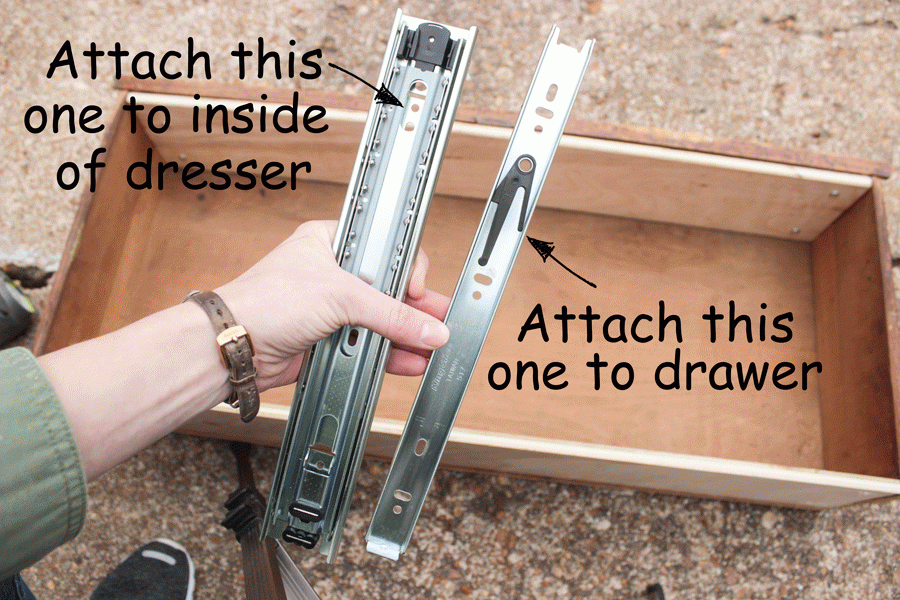
Undermount slides offer very little room for error. Many modern systems use a "clip-on" design where you install the cabinet members first, then drop the drawer into place. It sounds easy, and it is—if everything is perfect. If your cabinet spacing is off by 1/16th of an inch, the drawer won’t clip in. If your drawer box is wider than spec, it won’t fit between the slides. Adjustments are possible, but they are limited. You often need shims, spacers, and a lot of patience. For a beginner, this can turn a Saturday afternoon project into a week-long frustration fest.
That said, once installed correctly, undermounts are easier to maintain in one specific way: removal. Most undermount systems have levers or tabs that let you remove the drawer entirely without unscrewing anything. This is fantastic for cleaning out crumbs from the back of the cabinet or retrieving items that fell behind the drawer. Side-mount drawers usually require you to unscrew the front bracket or maneuver the drawer past the disengagement point, which can be tricky and risky for your fingers.
So, which one do you actually need? It depends on your priorities. If you are renovating a high-traffic kitchen and budget allows, go with full-extension undermount slides. The aesthetic payoff is huge. The soft-close feature becomes something you appreciate every single day. The extra interior width is a bonus you’ll notice when organizing wide items. It elevates the perceived value of the home. In 2026, buyers and users expect this level of finish in primary living spaces.
But if you are building a workshop, a garage cabinet, a laundry room organizer, or a budget-conscious rental unit, stick with full-extension side mounts. They are durable, cheap, and easy to replace if they break. They don’t look as fancy, but they work just as hard. There is no shame in choosing function over form when the form doesn’t add significant utility. Save the money on the slides and spend it on better drawer boxes or higher-quality countertop materials.
Consider the user, too. For elderly users or those with mobility issues, the light touch of a high-quality undermount slide can make a real difference. The effort required to open a drawer is lower. The soft-close prevents slamming, which can be jarring. For a child’s room or a high-energy household, the durability of side mounts might withstand the abuse of slammed drawers better, simply because they are less complex mechanically. There is no single "best" slide. There is only the best slide for your specific context, budget, and skill level.
In the end, don’t skimp on the extension. Whether you choose side or undermount, ensure it is full extension. Life is too short to dig for socks in the dark recesses of a half-open drawer. That small upgrade costs pennies more but pays dividends in daily convenience. Measure twice, check your squareness, and pick the hardware that fits your life, not just your catalog.