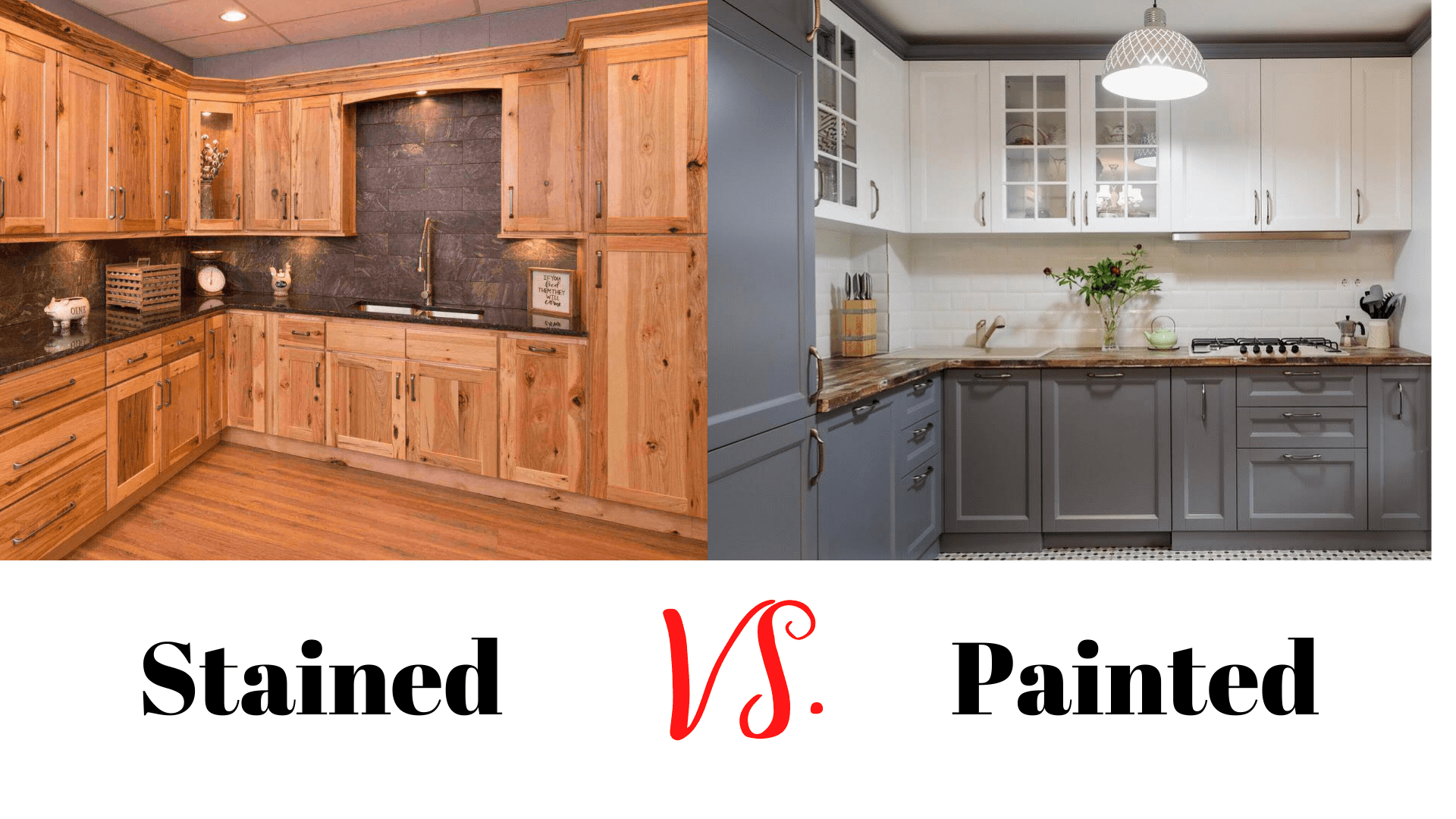
Remember those kitchens? The ones that looked like they belonged in a hospital or a very expensive, very cold art gallery? For over a decade, we were told that white was the only choice. It was safe. It was "clean." It was everywhere. If you opened any home magazine or scrolled through Pinterest between 2015 and 2023, you’d see row after row of bright, blinding white shaker cabinets. They were perfect. Too perfect, maybe.
But something shifted. Quietly at first, then all at once. By 2026, the tide has turned. We aren’t just tired of wiping tomato sauce off pristine white surfaces; we’re tired of the feeling those spaces give us. Cold. Sterile. Impersonal. Today, the heart of the home is beating with a different rhythm. It’s warmer. It’s richer. And it’s made of wood. Real, honest-to-goodness wood stains are taking over, and honestly? It feels like coming home.
The Data Doesn’t Lie: White Has Lost Its Crown
Let’s look at the numbers, because they tell a pretty clear story. For years, white was the undisputed king of kitchen renovations. But in 2026, the crown has slipped. According to Houzz’s latest Kitchen Trends Study, wood has officially surpassed white as the most popular cabinet finish in renovated kitchens. It’s a narrow margin—29% of homeowners chose wood compared to 28% for white—but the symbolism is huge. It’s the first time since the early 2010s that white paint has surrendered its top spot.
It’s not just homeowners voting with their wallets, either. The professionals are on board. The National Kitchen and Bath Association (NKBA) reports that a staggering 96% of designers now favor warm neutrals over cool, stark tones. That’s nearly everyone. When almost every expert in the room agrees that the old way is out, you know it’s not just a fad. It’s a fundamental shift in how we view our living spaces. We’re moving away from the "showroom" look and toward spaces that actually support daily life comfortably.
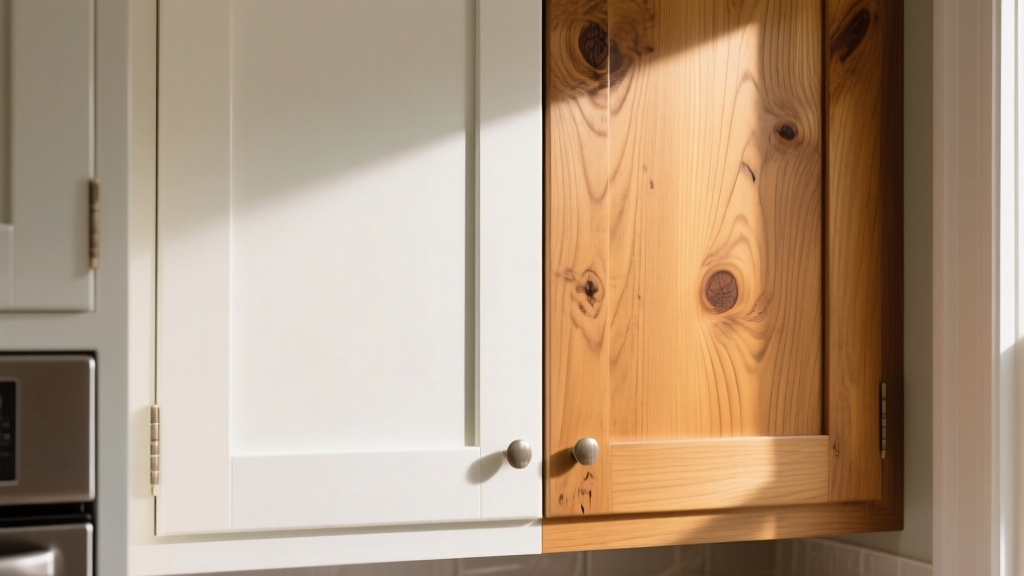
This isn’t about hating white. It’s about loving warmth more. The data shows that people are craving authenticity. They want materials that feel real, not covered up. White paint hides the grain, the knots, and the character of the wood beneath. By stripping that away—or rather, by choosing not to cover it up—we’re seeing a return to craftsmanship. We’re seeing a desire for things that age well, rather than things that just look new until they get a scratch.
Why We’re Craving Authenticity Over Perfection
Think about how we’ve been living lately. The world feels chaotic. Uncertain. Fast. When you walk into your kitchen after a long day, do you want to feel like you’re in a sterile lab? Or do you want to feel grounded? Warm wood tones offer a psychological comfort that flat white paint just can’t match. There’s a reason we call it "warmth." It’s not just a visual temperature; it’s an emotional one.
White cabinets, especially the cool-toned ones popular in the 2010s, often felt demanding. They required constant maintenance. A single smudge, a drop of coffee, a stray crumb—it all showed. It created a low-level hum of anxiety in the background of your day. Don’t touch that. Don’t spill this. Wood stains, particularly the medium and light tones trending in 2026, are forgiving. They hide life. They embrace it. A little wear and tear on oak or walnut doesn’t look like damage; it looks like history. It looks like a home where people actually live.
This shift is also part of a broader move toward biophilic design—bringing the outdoors in. We spend so much time staring at screens and concrete walls. Our brains are wired to respond positively to natural elements. Wood grain, with its organic patterns and variations, calms the nervous system. It connects us to nature, even when we’re indoors making dinner on a Tuesday night. It’s a small change, swapping paint for stain, but the impact on our daily mood is surprisingly large. We’re choosing wellness over aesthetics, comfort over clout.
The Specific Woods Taking Over in 2026
So, what exactly are people choosing? It’s not just "wood." The trend is specific. We’re seeing a move away from the dark, heavy mahoganies of the 90s and the orange-toned oaks of the 80s. The stars of 2026 are light to medium tones with neutral or slightly golden undertones. White oak is still a heavyweight champion, but it’s being joined by some exciting newcomers.
Walnut is having a major moment. Its rich, chocolatey browns add depth and sophistication without feeling heavy. It pairs beautifully with both modern minimalist hardware and more traditional brass fixtures. Then there’s rift-sawn white oak, which offers a linear, contemporary grain pattern that feels incredibly current. Maple is also making a comeback, but in its natural, unstained glory, showcasing its subtle, creamy hues. These woods aren’t being darkened to hide their nature; they’re being celebrated for it.
Finishes matter too. The high-gloss lacquers are out. In their place? Matte and satin finishes that feel soft to the touch. These low-sheen coatings protect the wood while allowing the texture to remain visible. You can feel the grain. It invites you to run your hand along the counter or the cabinet door. It’s tactile. It’s sensory. And it’s a far cry from the slick, plastic-like feel of some painted surfaces. Designers are also mixing woods. Maybe lower cabinets in a warm walnut and uppers in a lighter ash. It adds visual interest and breaks up the monotony of a single block of color.
How to Transition Without a Full Remodel
Maybe you’re reading this and thinking, "Great, I love the look, but I just painted my cabinets white two years ago." Don’t panic. You don’t need to rip everything out to get on board with this trend. The beauty of the current design landscape is its flexibility. There are plenty of ways to introduce warmth without a total gut job.
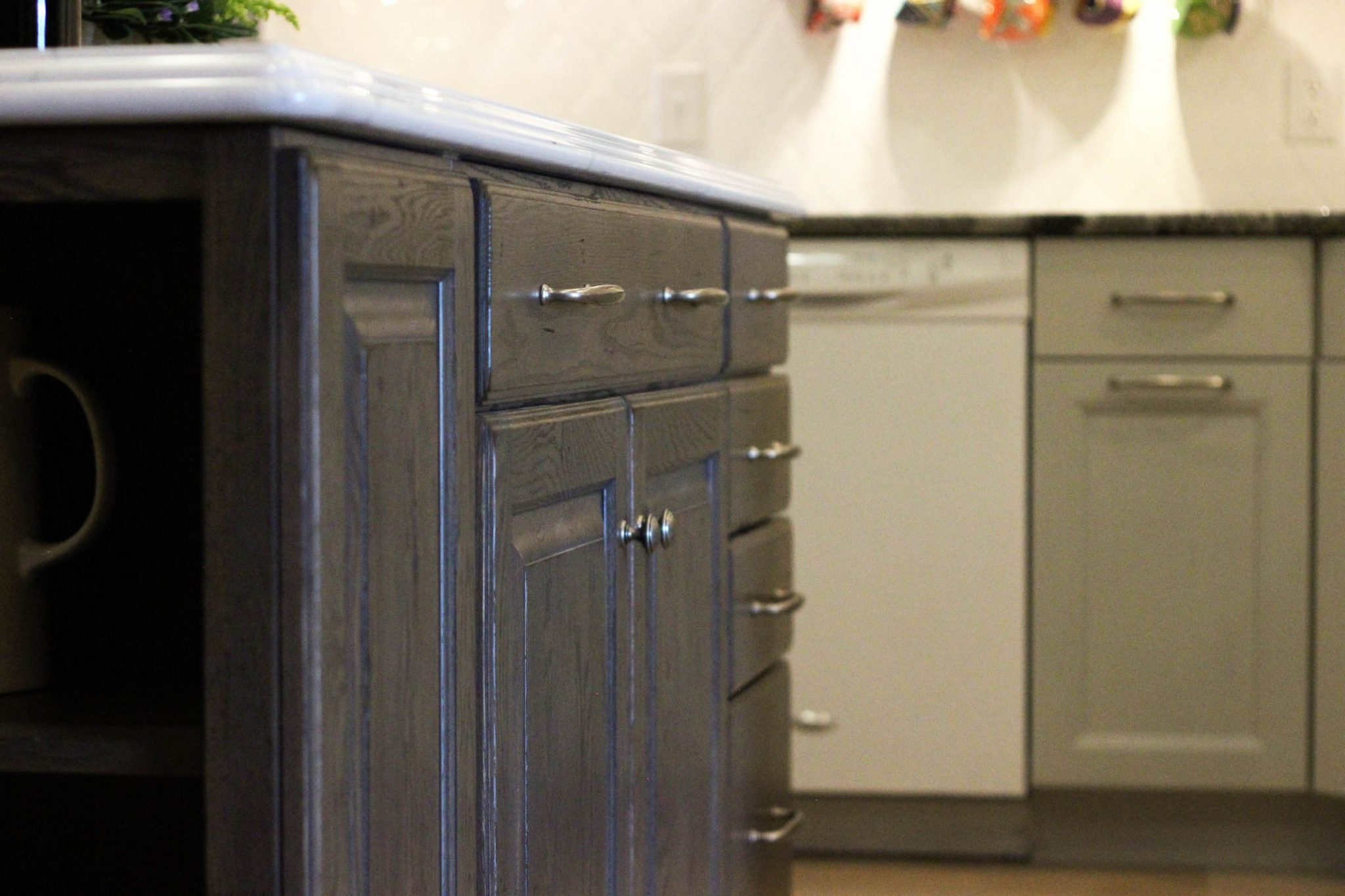
First, look at your open shelving. If you have white upper cabinets, consider replacing a few sections with floating wood shelves. It breaks up the expanse of white and introduces that natural element instantly. Second, think about accents. A wooden island base can anchor a room full of white perimeter cabinets. It creates a focal point and adds that grounding warmth we’re talking about. You can also swap out hardware. Brass, bronze, or even black matte handles can soften the look of white cabinets and bridge the gap between cool and warm.
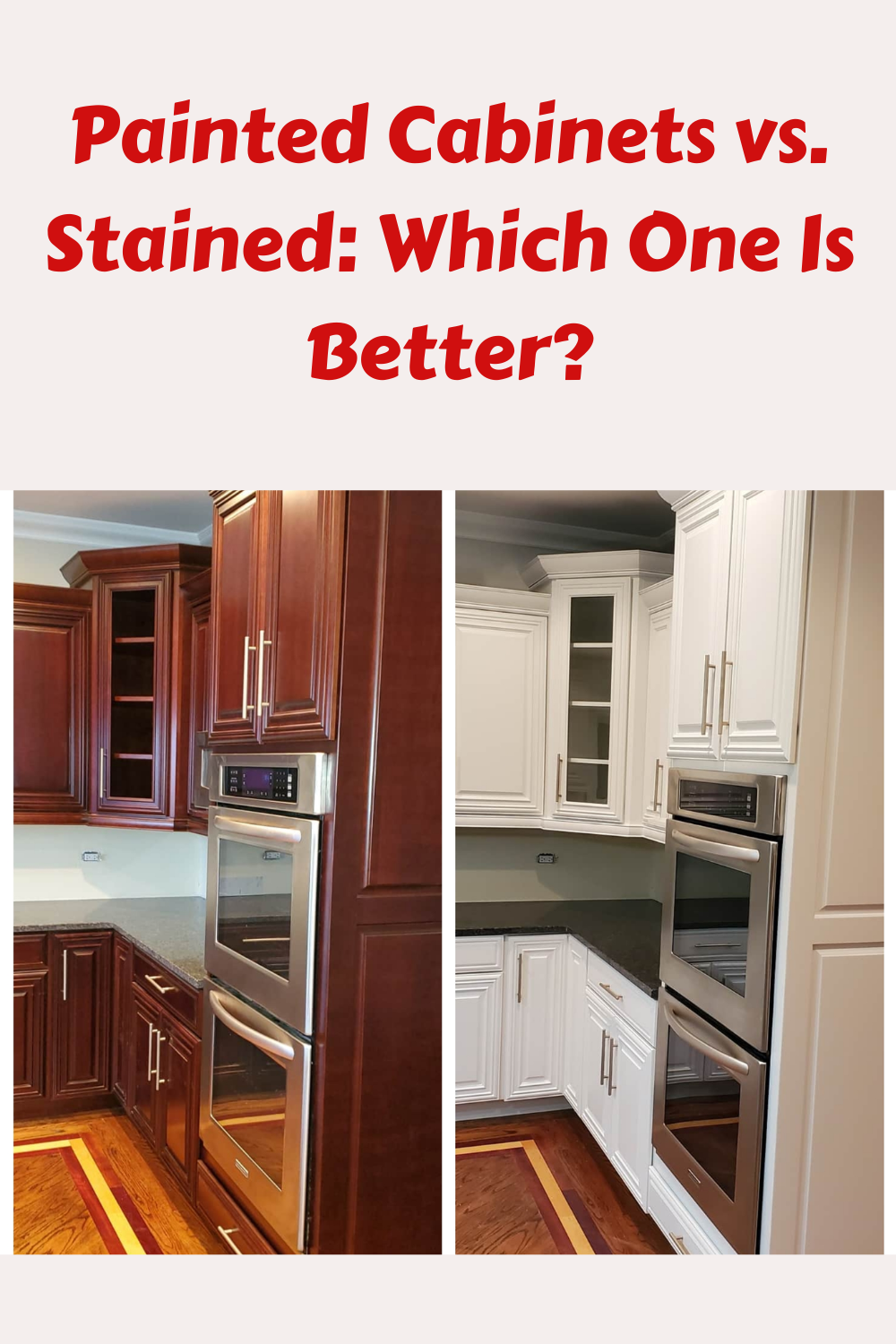
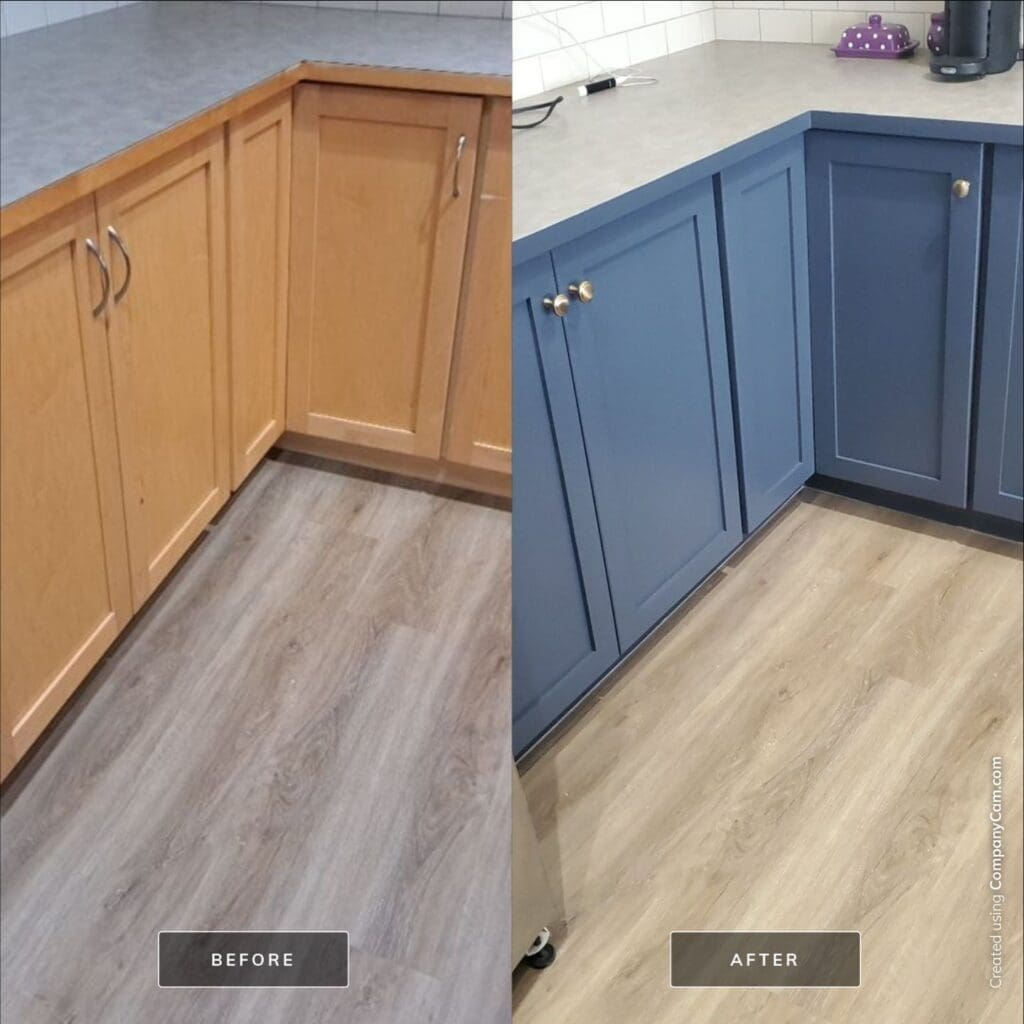
If you’re ready for a bigger change but not a full renovation, consider refacing. You can replace just the cabinet doors with wood-stained ones while keeping the existing boxes. It’s significantly cheaper than a full remodel and gives you that authentic wood look. Another option? Paint the island a warm neutral—think cream, beige, or greige—and leave the rest white. As noted in recent surveys, off-whites and beiges are rising fast. They’re not the clinical whites of the past; they’re soft, putty-like hues that play nicely with wood tones. It’s a gradual transition, and that’s okay.
Pairing Wood with the Right Colors and Materials
Wood doesn’t exist in a vacuum. To make it sing, you need to pair it with the right supporting cast. The era of pairing white cabinets with gray floors and gray backsplashes—the infamous "greige" overload—is fading. In 2026, we’re seeing wood paired with earthy, organic palettes. Think terracotta tiles, sage green walls, or deep navy accents. These colors complement the natural tones of the wood rather than competing with them.
Countertops are also evolving. While white marble was the default partner for white cabinets, it can sometimes feel too cold next to warm wood. Instead, homeowners are choosing quartzites with warm veining, soapstone, or even butcher block for islands. These materials have movement and depth. They echo the organic nature of the wood cabinets. A leathered granite with brown and gold flecks can tie the whole room together, creating a cohesive, warm atmosphere.
Lighting plays a huge role here, too. Warm wood absorbs light differently than white paint. White reflects it, bouncing it around the room. Wood absorbs it, creating pockets of shadow and depth. This means you need to layer your lighting. Don’t rely on a single overhead fixture. Use under-cabinet lighting to highlight the grain of the wood. Add pendant lights with warm-toned bulbs over the island. The goal is to create a glow, not a glare. When you get the lighting right, the wood doesn’t just look good; it feels inviting. It transforms the kitchen from a workspace into a gathering place.
Beyond the immediate aesthetic appeal, there’s a practical argument for choosing wood stains in 2026. Trends come and go, but natural materials tend to have staying power. White paint chips. It yellows over time, especially in areas with lots of sunlight. Touching up painted cabinets is notoriously difficult; you can rarely match the sheen or the exact shade perfectly. Wood, on the other hand, ages gracefully. Scratches can be sanded and re-oiled. Dings can be blended in.
From a resale perspective, the market is shifting. Buyers in 2026 are looking for homes that feel move-in ready but also have character. They’re wary of the "flipper special" look—all white, all gray, all generic. A kitchen with warm wood cabinets signals quality. It signals that the homeowner invested in real materials. It stands out in a sea of sameness. While white kitchens will always have a place, they no longer guarantee the highest return on investment. Unique, warm, and authentic spaces are becoming more desirable because they feel special.
Plus, there’s the sustainability angle. Many modern wood stains are low-VOC and environmentally friendly. Choosing to stain wood rather than paint it means you’re using fewer layers of synthetic material. You’re working with the material as it is, not forcing it to be something it’s not. For many homeowners, this alignment with their values is important. It’s not just about how the kitchen looks; it’s about how it was made and what it represents. It’s a choice that feels responsible and thoughtful.
So, where does this leave us? The all-white kitchen isn’t dead, but it’s no longer the default. It’s just one option among many, and arguably, no longer the most interesting one. The shift toward warm wood stains in 2026 is about more than just color. It’s about a desire for comfort, authenticity, and connection. It’s about creating spaces that nurture us rather than just impressing our guests.
If you’re planning a refresh, don’t be afraid to lean into the warmth. Look at the grain. Feel the texture. Imagine coming home to a space that feels soft and welcoming. Whether you go for full walnut cabinetry or just add a few oak accents, you’re joining a movement that values real life over perfect pictures. And honestly? That’s a trend worth sticking around for.