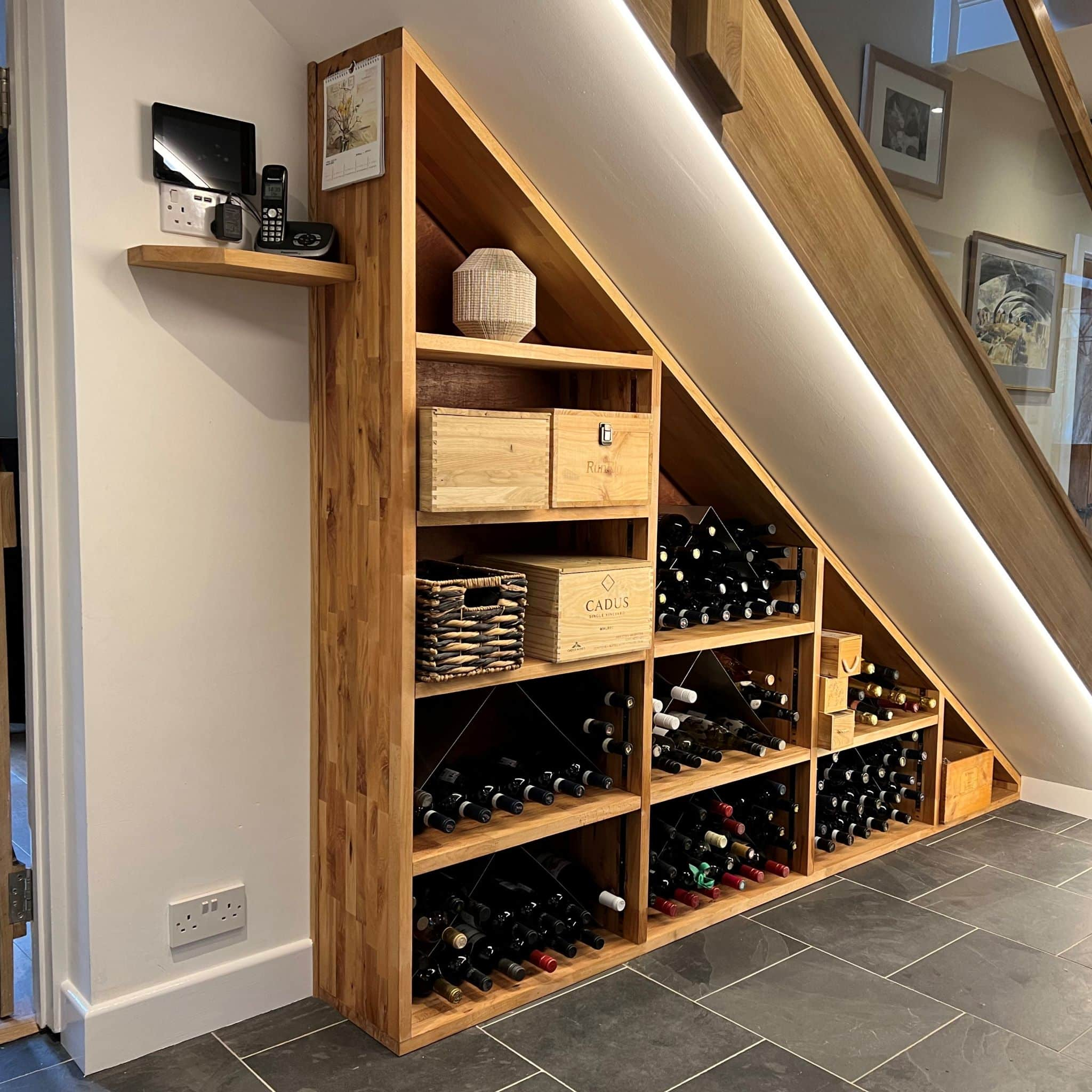
That awkward triangle of space under your staircase. You know the one. It’s been collecting dust bunnies, forgotten shoes, and maybe a lonely vacuum cleaner for years. For decades, we treated it like an afterthought. A dead zone. But something shifted recently. In 2026, that neglected nook has become prime real estate. And not just for any old storage bin or wire rack. We’re talking about sleek, purpose-built cabinetry that disappears into the architecture while doing heavy lifting for your organization.
It’s not just about hiding clutter anymore. Though let’s be honest, who doesn’t love a tidy home? It’s about reclaiming square footage you didn’t know you had. It’s about turning a structural necessity into a design feature. This year, the trend isn’t just "storage." It’s seamless storage. Clean lines. Hidden handles. Materials that talk to the rest of your room. If you’ve been staring at that empty space wondering what to do, you’re not alone. And the answer is simpler—and smarter—than you might think.
The Shift Toward Invisible Utility
We used to build boxes. Big, bulky things that sat under the stairs but never really felt part of them. They stuck out. Literally and figuratively. But the mindset has changed. Homeowners in 2026 are obsessed with flow. We want spaces that breathe. We want designs that don’t shout for attention but whisper competence. That’s where sleek built-ins come in. They aren’t added on; they are carved out.
Think about the psychology of a cluttered corner. It creates low-level stress. Every time you walk past that pile of junk under the stairs, your brain registers "unfinished business." Sleek cabinets solve this by making the storage invisible. When the doors are closed, it’s just a wall. A smooth, continuous surface that guides the eye up the staircase rather than stopping it at a messy heap. This visual calm is huge. It’s why designers are pushing hard for flush-mounted doors and handle-less pushes. You open them only when you need to. The rest of the time? They’re just… gone.
This approach also respects the architecture. Older homes often have quirky angles and non-standard stair pitches. Off-the-shelf furniture fights these shapes. Custom built-ins embrace them. They follow the slope of the stairs perfectly, wasting zero inches. It’s a marriage of form and function that feels intentional. And in a world where our homes are doing double duty as offices, gyms, and sanctuaries, intentionality is everything. We don’t have room for wasted space or ugly solutions. We need things that work hard and look good doing it.
Minimalism Meets Maximum Storage Capacity
You might think "sleek" means "small." Or that minimalist design sacrifices capacity for looks. Actually, it’s the opposite. By stripping away the visual noise—ornate moldings, protruding knobs, mismatched finishes—you free up mental space to appreciate the sheer volume of storage possible. Modern engineering allows for deeper drawers, taller compartments, and smarter internal layouts. The exterior is quiet, but the interior is a powerhouse.
Consider the use of vertical space. Traditional under-stair cupboards often had one big door and a dark, cavernous shelf inside. Good luck finding anything in the back. Today’s sleek solutions use full-extension drawers and pull-out trays. Every inch is accessible. You can store winter coats, board games, luggage, or even a pantry overflow without digging through a black hole. The clean exterior hides a highly organized system. It’s like magic. One minute you’re looking at a plain panel, the next you’ve got a fully stocked supply closet.
And let’s talk about materials. The trend this year leans toward matte finishes and natural textures. Think warm walnuts, soft greys, or crisp whites with subtle grain. These materials reflect light differently than glossy laminates, making the space feel larger and more integrated. When the cabinet face matches the surrounding wall or trim, the boundary blurs. The storage becomes part of the room’s envelope. This trick is especially powerful in smaller homes or open-plan living areas where visual clutter can make a space feel cramped. By keeping the under-stair area streamlined, you keep the whole room feeling airy.
Customization for Every Lifestyle Need
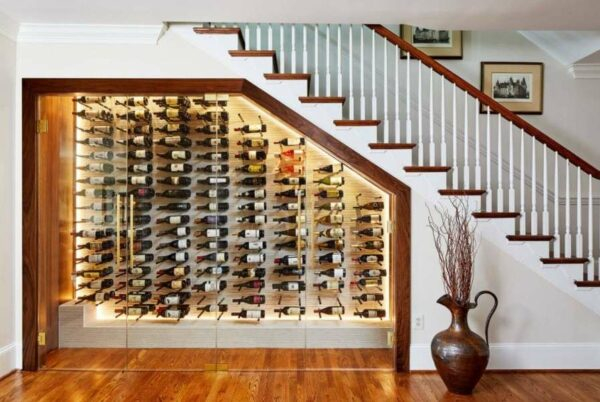
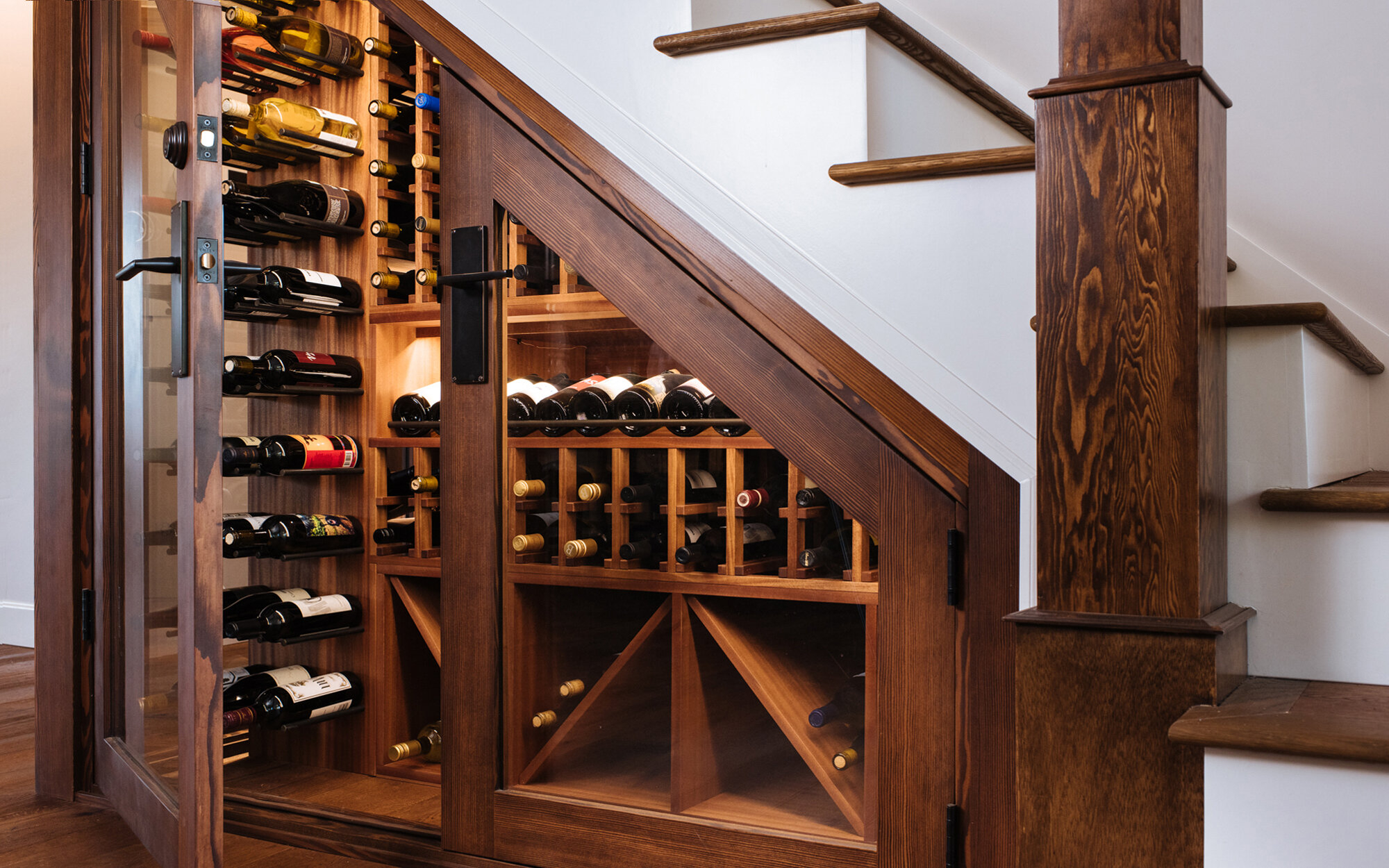
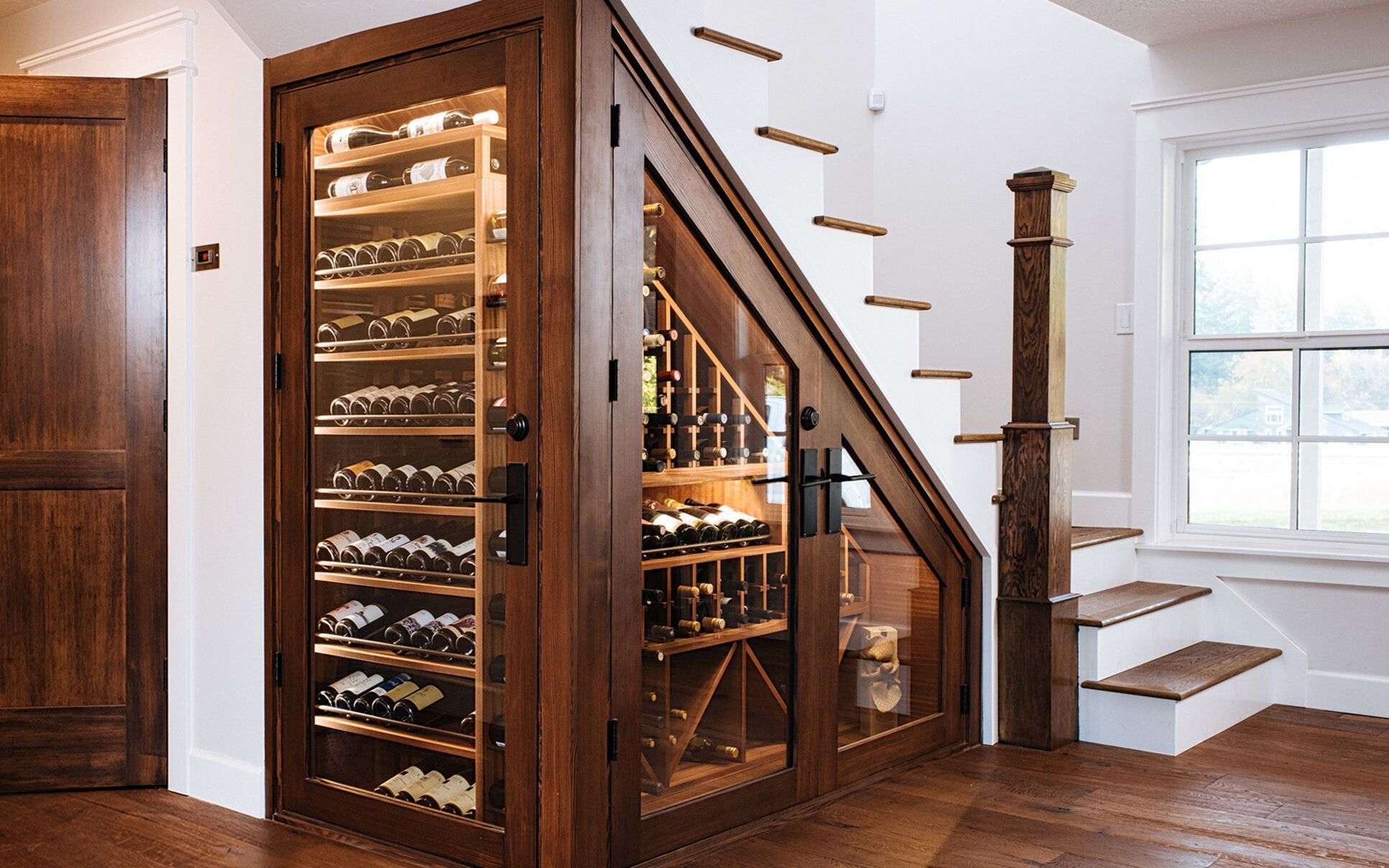
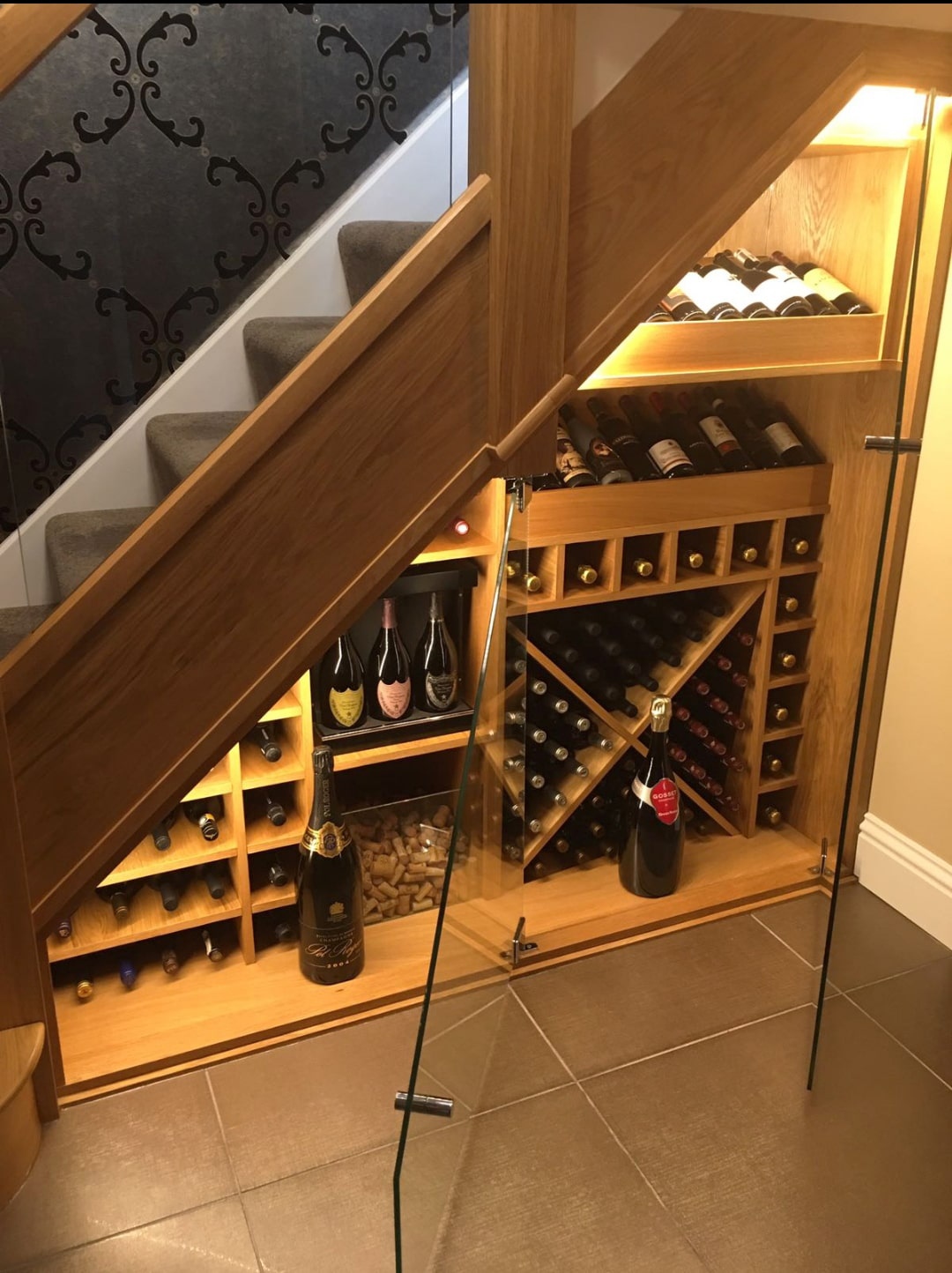
One size definitely does not fit all here. That’s the beauty of going custom or semi-custom with built-ins. Your under-stair space can be whatever your life demands it to be. Are you a wine enthusiast? There’s a design for that. Angled racks that follow the stair pitch can hold bottles securely while looking like a high-end bar feature. Do you work from home? That nook can become a concealed office hub. Fold-down desks, hidden charging stations, and shelving for files can tuck away completely when the workday ends.
For families, the under-stair area is often the drop-zone battleground. Shoes, bags, sports gear—it all lands there. Sleek built-ins can transform this chaos into a mini mudroom. Deep drawers for shoes, hooks hidden behind panels for coats, and dedicated bins for helmets or balls. The key is assigning a specific home for every item. When everything has a place, and that place is behind a sleek door, maintenance becomes effortless. Kids can learn to tidy up because the system is intuitive. Open shelves invite mess; closed cabinets encourage order.
Even pet owners are getting in on the action. Built-in crates or feeding stations that blend into the cabinetry are huge right now. No more plastic kennels sticking out in the hallway. Instead, a ventilated, cushioned compartment that looks like a premium piece of furniture. It’s about integrating our daily realities into the design of our homes without letting them dominate the aesthetic. Whether you need a library, a bar, a laundry overflow, or a tech center, the under-stair void is flexible enough to handle it. All it takes is a plan that prioritizes your specific habits.
The Tech-Integrated Advantage
It’s 2026, and our homes are smarter. Why should our storage be dumb? Sleek built-ins are increasingly incorporating technology in subtle, useful ways. LED lighting is the most common upgrade. Motion-sensor strips inside cabinets mean you never have to fumble in the dark for that extra blanket or the holiday decorations. The light turns on as you open the door, highlighting the contents and adding a touch of luxury. It’s a small detail, but it changes the experience from utilitarian to elegant.
Beyond lighting, consider power integration. As we rely more on devices, having hidden charging ports inside under-stair cabinets is a game-changer. Imagine a drawer with built-in wireless chargers for phones and tablets. Or a compartment with outlets for vacuum cleaners and other appliances, so cords don’t dangle awkwardly. This keeps the tech visible only when in use, maintaining that clean, uncluttered look. It’s about managing the wires that plague modern life. Tucking them away into designated spots within the cabinetry prevents the "spaghetti junction" effect behind TVs and consoles.
Some high-end installations are even using smart locks or inventory tracking systems, though that’s still niche. More commonly, we’re seeing soft-close hinges and dampers as standard. These aren’t just about preventing slammed fingers (though that’s nice). They contribute to the overall sense of quality and calm. A cabinet that closes silently and smoothly feels more substantial. It feels permanent. In a rental market or a forever home, these tactile details matter. They elevate the everyday interaction with your space. You’re not just storing stuff; you’re curating an environment that responds to your touch with precision.
Boosting Property Value and Appeal
Let’s talk money. Because eventually, most of us will sell or rent out our homes. Real estate agents in 2026 are noting a clear preference for homes with optimized storage. Buyers are savvy. They know how expensive square footage is. When they see a well-executed under-stair built-in, they see value. It signals that the home has been thoughtfully updated. It suggests that there’s no wasted potential. This perception can actually influence offers. A home that feels organized and spacious commands a premium over one that feels cramped and cluttered.
But it’s not just about the resale price. It’s about marketability. Photos sell homes. And sleek, integrated storage photographs beautifully. It looks custom. It looks expensive. Even if you’re not selling soon, knowing that you’ve made a smart investment in your property’s infrastructure provides peace of mind. Unlike trendy paint colors or flashy fixtures that might date quickly, good joinery and smart storage are timeless. They adapt to changing styles because they are neutral canvases. You can change the decor around them, but the functionality remains solid.
Moreover, efficient use of space is becoming a cultural priority. With urban living denser and suburban homes being repurposed for multiple uses, flexibility is key. A house that can adapt to different needs—thanks to versatile storage solutions—is more attractive to a wider range of buyers. Young professionals might love the hidden bar. Families might appreciate the toy storage. Retirees might value the easy-access drawers. By building sleek, adaptable cabinets, you’re future-proofing your home. You’re making it relevant for whoever walks through the door next.
So, how do you actually make this happen? First, measure twice. Actually, measure three times. Under-stair spaces are notoriously tricky with their angled ceilings and varying depths. Sketch out what you currently store there. What’s working? What’s a pain? Be honest about your habits. If you’re never going to fold clothes perfectly, don’t build open shelving for sweaters. Go for drawers. If you hate bending down, avoid deep bottom cabinets. Design for your real life, not your idealized Pinterest self.
Next, choose your finish wisely. If your hallway is dark, go lighter. White, cream, or light oak can brighten the area and make it feel less like a cave. If you have a lot of traffic, pick durable materials. Matte finishes hide fingerprints better than gloss. Consider the hardware—or lack thereof. Push-to-open mechanisms are great for a seamless look, but traditional handles can add a nice accent if chosen carefully. Keep it simple. Brass or black matte pulls can define the style without overwhelming it.
Finally, don’t skimp on the interior organization. The outside might be sleek, but the inside needs to be functional. Use dividers, bins, and adjustable shelves. Think about weight distribution. Heavy items go low. Light items go high. And please, install some lighting. It’s the single biggest upgrade you can make for usability. Whether you hire a pro carpenter or tackle a DIY kit, the goal is integration. Make it look like it was always meant to be there. Because when done right, it will feel that way. It won’t look like an addition. It’ll look like the missing piece of your home’s puzzle.
In the end, transforming that under-stair void is about more than just storage. It’s about respect for your space. It’s about refusing to let awkward angles dictate your comfort. Sleek built-in cabinets offer a solution that is both practical and beautiful, fitting perfectly into the rhythm of modern life in 2026. They hide the mess, highlight the design, and add genuine value to your home. So take a look at that empty triangle again. Don’t see a problem. See potential. See a chance to simplify, organize, and elevate your daily routine. The best under-stair solution isn’t just about holding things. It’s about holding space for the life you want to live. And honestly? That’s worth every inch.