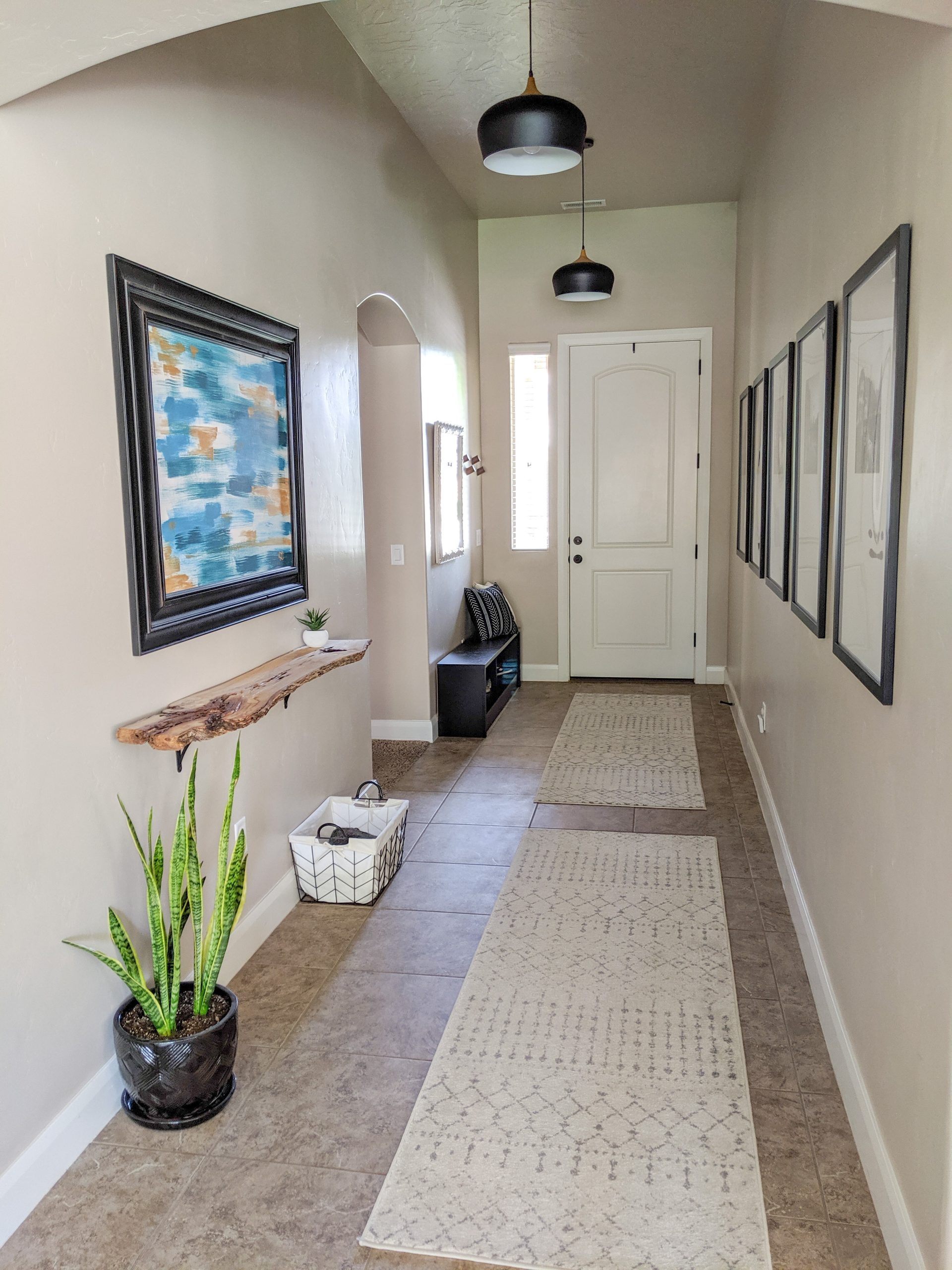
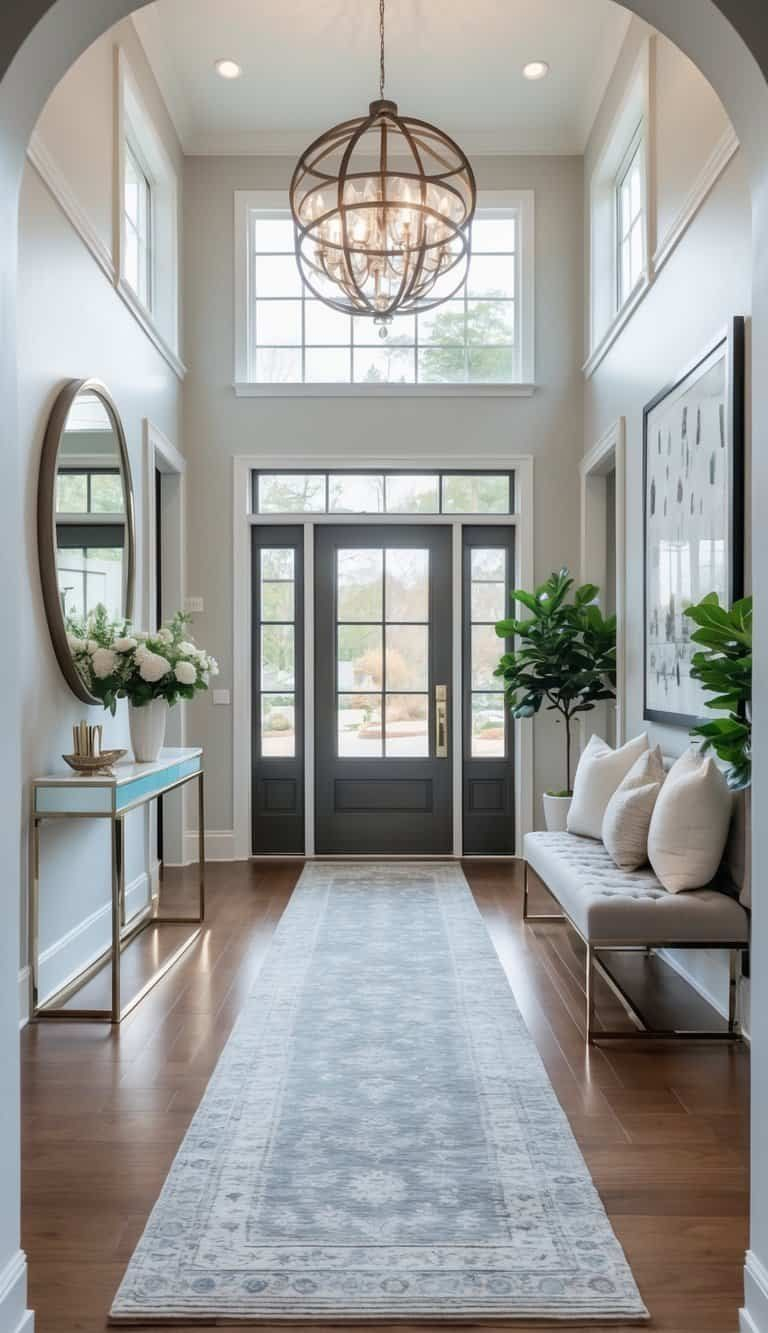
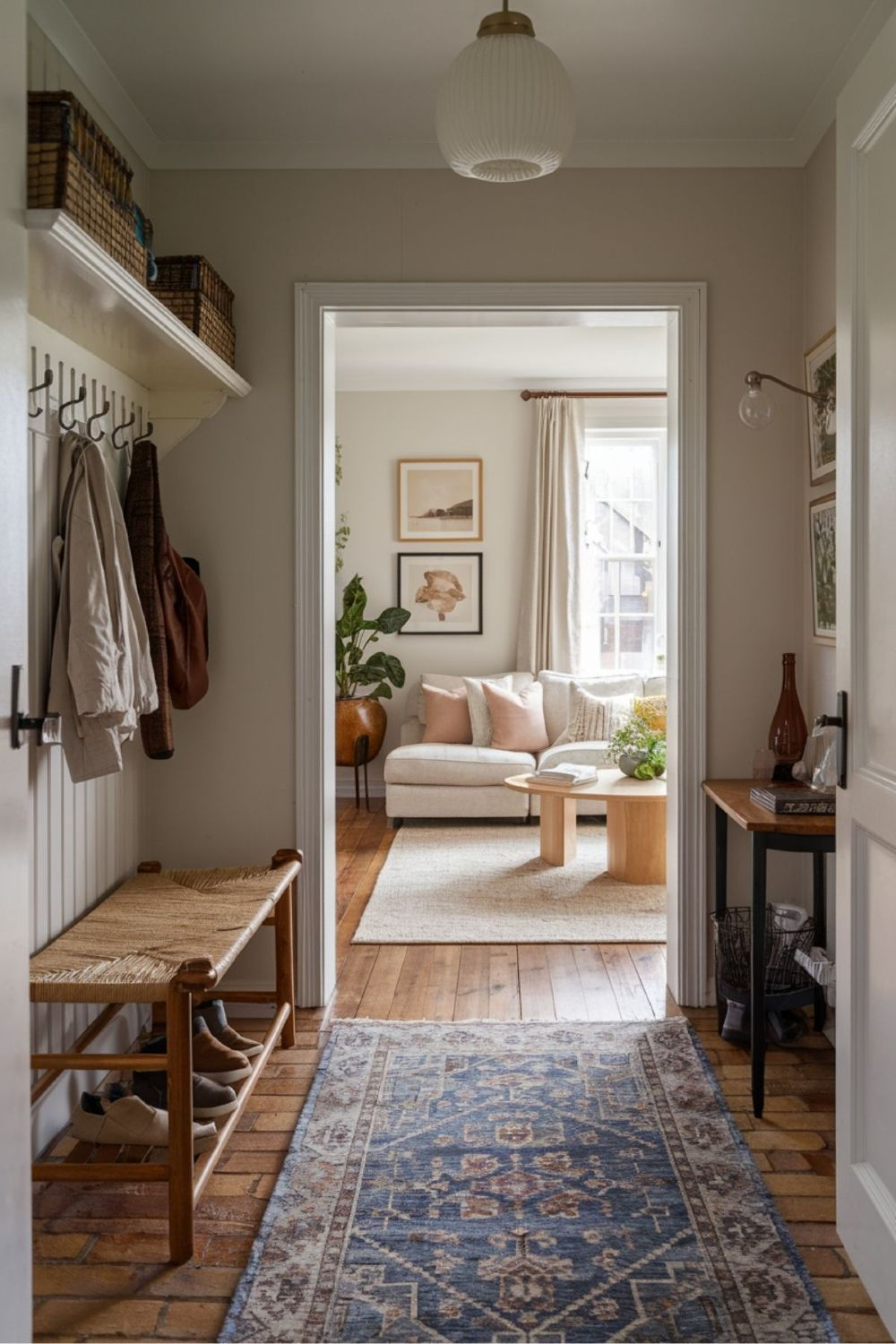
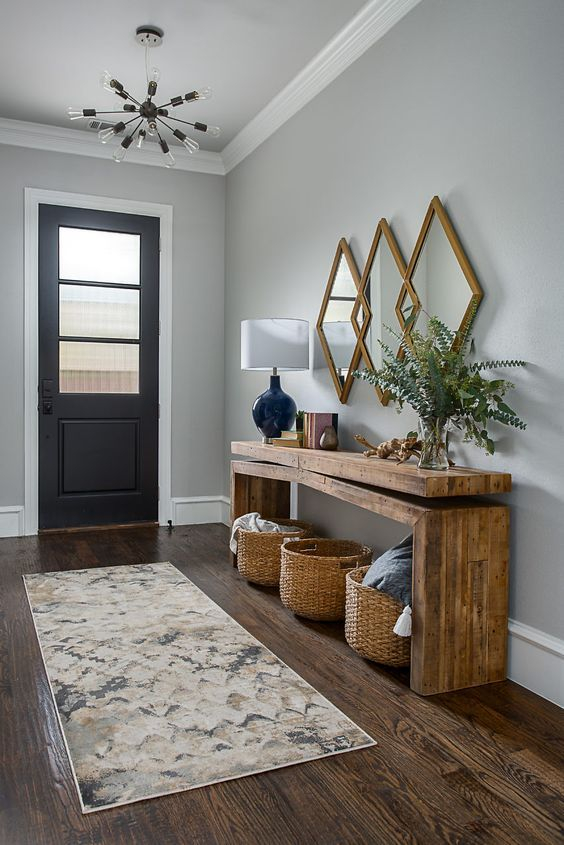
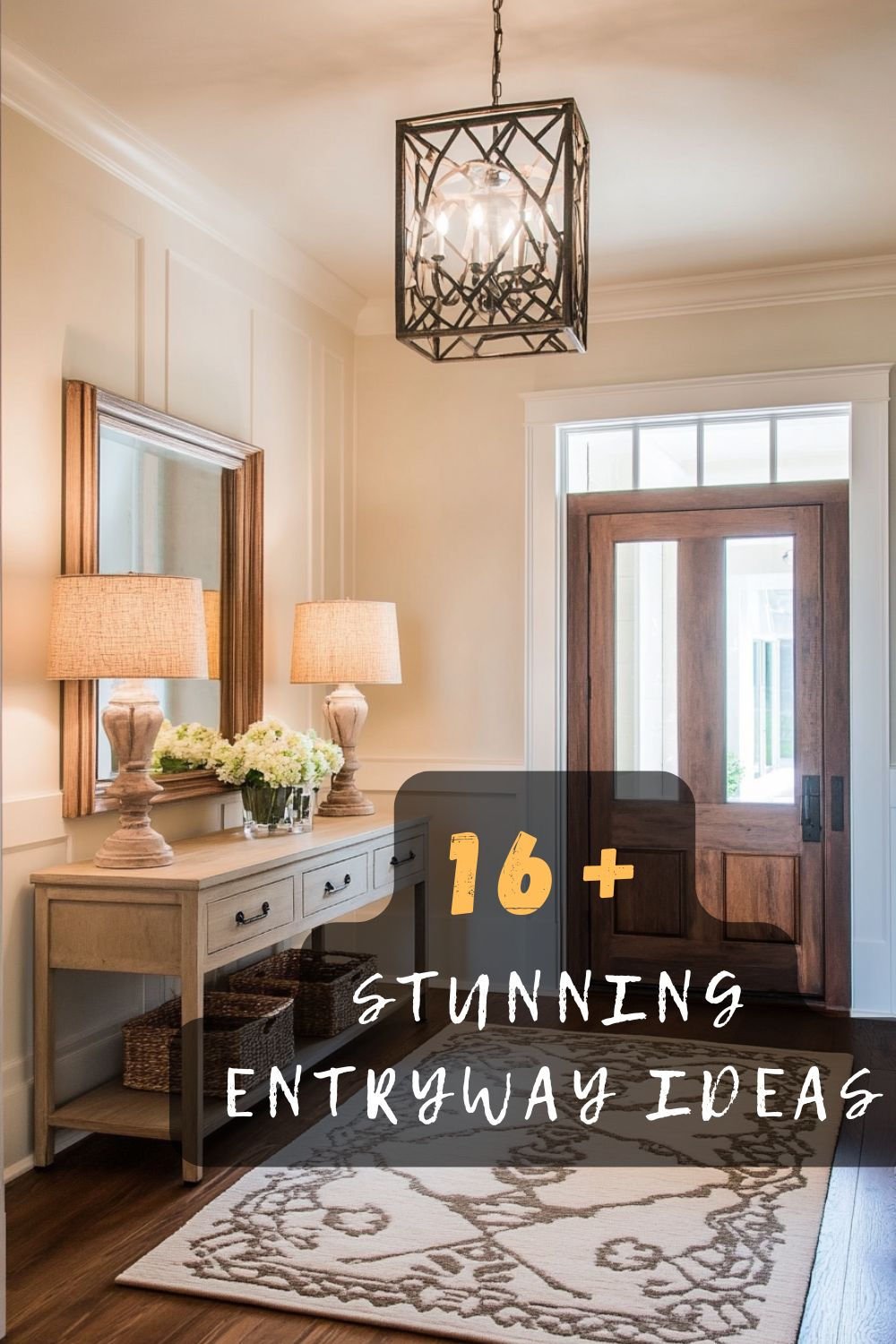
We’ve all been there. You walk into your home, or maybe you’re just heading from the bedroom to the kitchen, and you pass through that one spot. You know the one. It’s narrow. It’s dark. It feels a bit like a tunnel, doesn’t it? For years, we treated hallways as mere afterthoughts. They were just the spaces we rushed through to get to the "real" rooms. But something has shifted. In 2026, the hallway is finally getting its moment in the sun. Or at least, it’s getting enough light to feel like it belongs in the house.
It’s not just about aesthetics, though looking good helps. It’s about how a space makes you feel. A cramped, shadowy corridor can make a whole home feel smaller and more closed off. But flip that script? Suddenly, your entryway welcomes you with open arms. The path to the bathroom feels like a gallery walk. This guide isn’t about knocking down walls or spending a fortune. It’s about smart, simple changes that trick the eye and lift the spirit. Let’s turn those dark passages into places you actually want to be.
Lighting Is Not Just an Afterthought
If you take away one thing from this, let it be this: lighting changes everything. In the past, a single ceiling fixture was standard. It cast shadows in the corners and made the walls feel like they were closing in. That’s old news. In 2026, we are layering light. Think of it like dressing for the weather. You don’t just wear a coat; you wear layers so you can adjust. Same with light. Start with ambient lighting, sure, but add task lighting and accent lighting too.
Wall sconces are having a massive comeback. Why? Because they draw the eye horizontally, which makes a narrow hallway feel wider. If you can’t hardwire them, don’t panic. Plug-in sconces are sleek now, with cords that can be tucked neatly along baseboards or painted to match the wall. Another trick? LED strip lights under floating shelves or along the toe-kick of built-in storage. It creates a soft glow that feels modern and airy. Avoid harsh, cool-white bulbs. Go for warm whites (around 2700K to 3000K). It makes the space feel cozy, not clinical.
Don’t forget the power of reflection. Mirrors are basically light amplifiers. Placing a large mirror opposite a light source bounces that light around the room. It doubles the visual space, too. If a full-length mirror feels too bold, try a cluster of smaller, irregularly shaped mirrors. It breaks up the monotony of long, straight walls and adds a bit of playful energy. Just make sure the placement feels intentional, not cluttered.
Paint Colors That Defy Gravity
Choosing the right paint color for a dark hallway is tricky. The instinct is often to go white. And yes, white works. But not all whites are created equal. A stark, cold white can feel sterile and highlight every imperfection in the drywall. In 2026, we’re seeing a shift toward warm, creamy whites or very pale neutrals with a hint of gray or beige. These tones reflect light well but add warmth. They feel inviting rather than empty.
But here’s a secret: dark colors can work too. Sounds crazy, right? A deep navy or charcoal on the lower half of the wall (wainscoting style) with a lighter color above can ground the space. It draws the eye up, making the ceiling feel higher. The key is contrast. If you go dark, you need plenty of light to balance it out. Otherwise, it just feels like a cave. Another trending technique is the "color drench." Painting the walls, trim, and ceiling the same soft, mid-tone color blurs the boundaries. It removes the visual stops that make a hallway feel choppy and small.
Finish matters as much as color. High-gloss or semi-gloss paints reflect more light than flat matte finishes. Using a satin or eggshell on walls and a semi-gloss on trim can create subtle depth. It catches the light as you walk by, adding movement to a static space. Just test your samples in the actual hallway. Light changes throughout the day, and what looks bright in the store might look muddy in your dim corridor. Always, always test first.
Mirrors and Reflective Surfaces
We touched on mirrors earlier, but they deserve their own spotlight. They are the oldest trick in the book because they work. In a narrow hallway, a large mirror at the end of the hall creates an illusion of depth. It’s like a window into another room. If you have a particularly long, boring stretch of wall, consider a mirrored paneling or tiles. It breaks up the expanse and adds a touch of glamour without taking up any floor space.
But mirrors aren’t the only reflective friends you have. Metallic accents are huge in 2026 hallway decor. Think brass or gold-toned hardware on doors and cabinets. A console table with a glass top or metallic legs. Even picture frames with shiny finishes. These small touches catch the light and scatter it around. It’s subtle, but it adds sparkle. It prevents the space from feeling flat or dull.
Glass is another great tool. If you have interior doors leading off the hallway, consider replacing solid cores with glass-paneled ones. Frosted glass offers privacy while still letting light filter through from adjacent rooms. Clear glass opens up the view entirely, making the hallway feel like part of a larger, connected living area. Just keep them clean! Smudges show up easily, and nothing kills the vibe like a fingerprint magnet.
Smart Storage Solutions
Clutter is the enemy of small spaces. A narrow hallway filled with shoes, coats, and mail piles feels ten times smaller. In 2026, storage is getting smarter and sleeker. The goal is "hidden in plain sight." Built-in benches with storage underneath are perfect for entryways. They provide a place to sit while putting on shoes and hide the mess inside. Choose a cushion in a light, durable fabric to keep the look airy.
Floating shelves are another staple. They don’t encroach on floor space, which keeps the pathway clear. Use them sparingly, though. Too many shelves can feel cluttered. Style them with a few curated items—a small plant, a stack of books, a piece of art. Keep the rest empty. Negative space is your friend. It lets the eye rest. If you have a deep closet in the hallway, maximize it with organizational systems. Hooks at different heights for kids and adults. Bins for seasonal gear. A tidy closet means a tidy hallway.
For ultra-narrow spaces where even a shallow shelf is too much, look to vertical storage. Tall, thin cabinets that go floor-to-ceiling draw the eye upward. They offer ample storage without widening the footprint. Paint them the same color as the walls to make them disappear visually. It’s about integration, not addition. You want the storage to feel like part of the architecture, not an obstacle course.
Art and Personal Touches
A hallway shouldn’t just be functional; it should tell a story. In 2026, people are using hallways as mini-galleries. But hanging art in a narrow space requires care. Large, single pieces can overwhelm. Tiny pieces can get lost. The sweet spot? A curated gallery wall. Mix sizes and orientations. Keep the frames consistent for a cohesive look, or mix them for an eclectic vibe. Just ensure there’s a common thread, like color or theme.
Hang art at eye level. It sounds obvious, but in hallways, we often hang things too high. You want to engage with the art as you walk by. If the ceiling is low, hang vertical pieces to elongate the space. If the hallway is long, create a rhythm with spaced-out pieces. It encourages movement and makes the walk feel shorter. Don’t be afraid of bold colors in your art. If your walls are neutral, let the artwork pop. It adds personality and joy.
Personal touches matter. A family photo wall, a collection of travel souvenirs, or kids’ artwork displayed in nice frames. These things make the space feel lived-in and loved. It transforms a transitional zone into a meaningful part of the home. As one recent trend report noted, Americans are turning to Pinterest to make these spaces personal, not just pretty. It’s about connection. When you walk down the hall, you should feel surrounded by things that matter to you.
Flooring sets the tone. Dark floors can make a narrow hallway feel like a bowling lane. Lighter woods or tiles open it up. If you’re stuck with dark floors, lighten the mood with a runner rug. Runners are essential in 2026 hallway design. They add texture, color, and comfort underfoot. Plus, they guide the eye down the length of the hall, emphasizing the journey rather than the confinement.
Choose a runner with a pattern that runs lengthwise. Stripes or linear motifs help elongate the space. Avoid wide, bold patterns that might chop up the visual flow. Natural fibers like jute or wool add warmth and are durable enough for high traffic. If you have pets or kids, look for stain-resistant options. Practicality doesn’t have to sacrifice style.
If replacing flooring isn’t an option, paint can help. Painting floorboards a light gray or white can brighten the whole area. Or, try a stenciled pattern along the edges to create a border effect. It draws attention to the center of the path, making the sides feel less restrictive. Whatever you choose, keep it clean. Scuffed, dirty floors make any space feel neglected. A quick sweep and occasional mop can do wonders for the perceived brightness of the room.
So, where does this leave us? Transforming a dark, narrow hallway isn’t about a complete overhaul. It’s about intention. It’s about choosing light over shadow, warmth over coldness, and order over chaos. By layering your lighting, choosing reflective surfaces, and keeping clutter at bay, you change the energy of the space. You turn a passageway into a place.
Remember, these changes don’t have to happen all at once. Start with a bulb swap. Add a mirror. Hang a piece of art you love. See how it feels. Adjust. Tweak. Make it yours. The trends of 2026 are all about authenticity and comfort. They’re about making our homes work for us, not the other way around. Your hallway is the first impression and the last glance. Make it count. Make it bright. Make it welcoming.