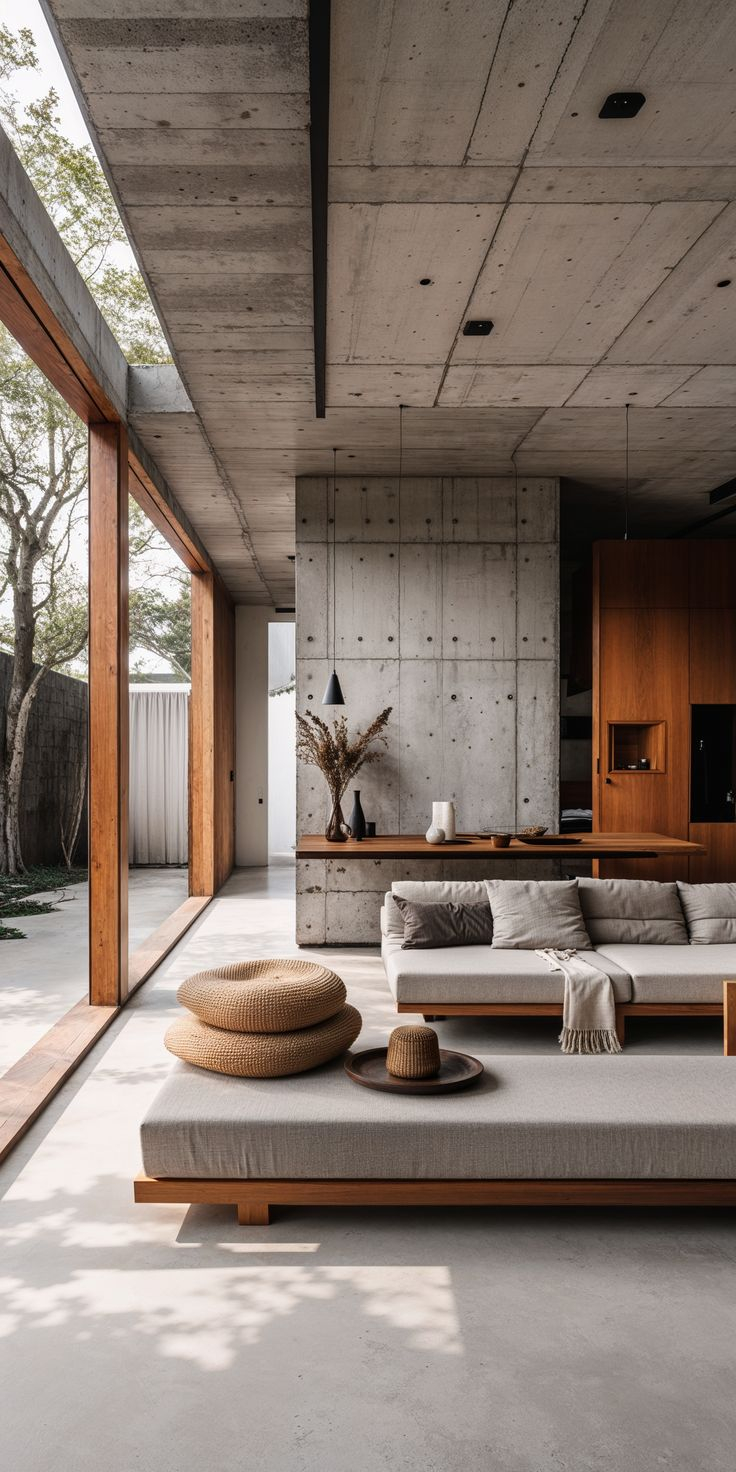
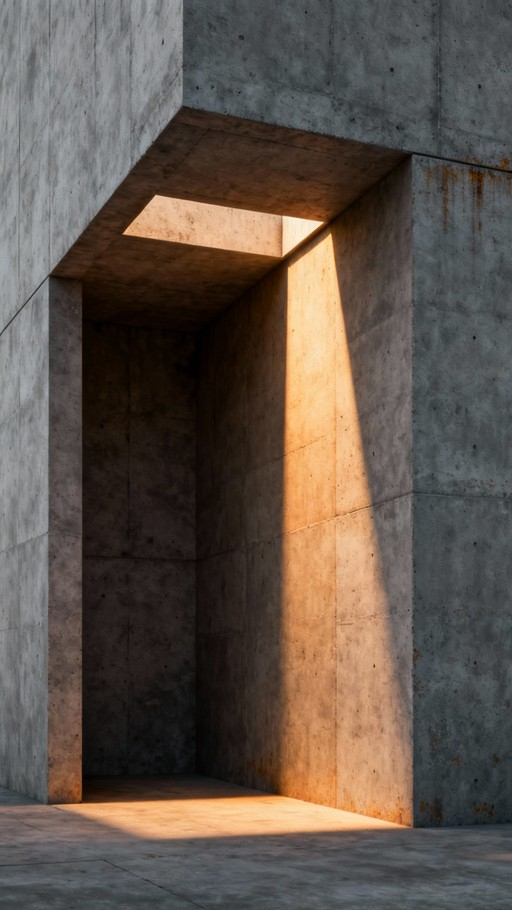
It’s quiet in here. Not the kind of quiet that feels empty or lonely, but the kind that lets you hear yourself think. You walk into a loft in downtown Chicago or a converted warehouse in Berlin, and the first thing that hits you isn’t the smell of fresh paint or the glare of overhead lights. It’s the space. The breathing room. The exposed brick walls that have seen a century of history, paired with sleek, uncluttered surfaces that demand nothing from you.
In 2026, this isn’t just a trend. It’s a survival strategy. We’ve spent the last decade drowning in noise—digital notifications, crowded commutes, endless consumer choices. Industrial minimalism offers an antidote. It strips away the non-essential, leaving behind only what works, what lasts, and what brings genuine comfort. It’s rough around the edges, sure. But isn’t that more honest?
The Psychology of Space in a Dense World
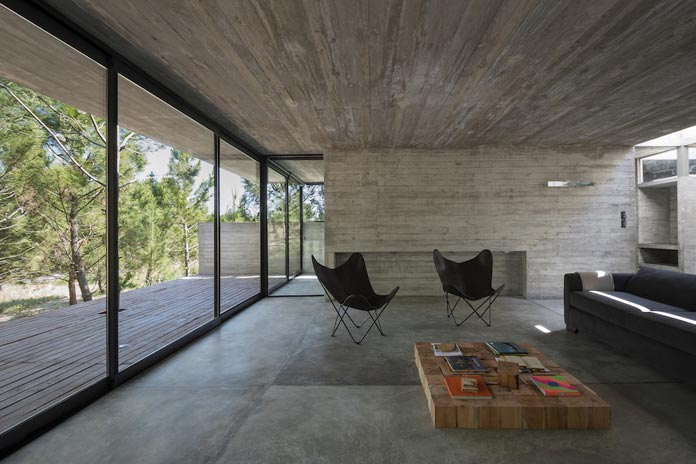
Cities are getting denser. There’s no way around it. As urban populations swell, our personal square footage shrinks. In the past, this might have felt claustrophobic. But industrial minimalism flips the script. By exposing the structural bones of a building—think steel beams, concrete floors, and high ceilings—it creates an illusion of vastness even in compact apartments. It’s a trick of the eye, but it works wonders for the mind.
When you remove the visual clutter of ornate decorations and excessive furniture, your brain stops working so hard to process your environment. This is crucial in 2026, where cognitive overload is a daily struggle. The raw materials used in industrial design don’t compete for attention. A concrete wall doesn’t ask you to look at it; it just exists. This passive backdrop allows residents to focus on what actually matters: their work, their relationships, and their rest. It’s about maximizing utility without sacrificing aesthetics, a balance that modern city dwellers are desperate to find.
Moreover, this style fosters a sense of grounding. There’s something primal about being surrounded by natural, unrefined materials. It connects us to the physical reality of the building we inhabit. In a world that’s increasingly virtual and abstract, touching a cold steel railing or feeling the texture of reclaimed wood provides a tactile anchor. It reminds us that we are here, in this moment, in this place. That connection is vital for mental well-being.
Sustainability Isn’t Just a Buzzword Anymore
Let’s talk about the elephant in the room: climate change. By 2026, sustainability has moved from a nice-to-have feature to a non-negotiable requirement. Industrial minimalism aligns perfectly with this shift. Why? Because it celebrates durability. The core tenet of this style is "buy less, buy better." Instead of filling a home with fast-furniture that falls apart in two years, industrial minimalists invest in pieces that last decades.
Think about it. A solid oak table with iron legs isn’t going to end up in a landfill next year. Exposed brick doesn’t need repainting every five years. Concrete floors don’t require carpet replacements. This approach significantly reduces waste and carbon footprint. It’s a form of passive environmentalism. You don’t have to try hard to be green; the design philosophy itself encourages it. The rise of repair cafes and buy-nothing communities in urban centers further supports this. People are sharing resources, fixing what they have, and rejecting the throwaway culture that defined the early 2000s.
Furthermore, industrial spaces are often adaptive reuses of old buildings. Instead of demolishing historic structures to build new, energy-intensive skyscrapers, developers are retrofitting old factories and warehouses. This preserves the embodied carbon of the existing structure. It’s a win-win. You get the character of history combined with the efficiency of modern living. This alignment with broader ecological goals makes industrial minimalism not just a stylistic choice, but an ethical one. It’s a way to live lightly on the earth while still enjoying the comforts of modern life.
The Tech-Hidden Harmony
You might think that all those exposed pipes and raw surfaces would clash with modern technology. Actually, the opposite is true. Industrial minimalism has evolved to seamlessly integrate smart home systems. In 2026, technology is everywhere, but it’s invisible. The clean lines and open spaces of industrial design provide the perfect canvas for hidden tech.
Imagine a living room where the speakers are embedded in the ceiling, indistinguishable from the industrial lighting fixtures. Or a kitchen where the smart fridge is panelled to match the raw steel cabinetry, blending in rather than standing out. This integration is key. We want the benefits of smart homes—energy efficiency, security, convenience—without the visual noise of gadgets and wires. Industrial minimalism allows for this discretion. The aesthetic is robust enough to hide the delicate nature of modern electronics.
This synergy also extends to digital minimalism. Just as we clear physical clutter, we’re clearing digital clutter. The calm environment of an industrial minimalist home encourages users to audit their apps, set screen-time boundaries, and curate their digital lives. It’s a holistic approach. The physical space supports the mental space. When your home is a sanctuary of order and simplicity, it’s easier to disconnect from the chaotic digital world outside. You’re not fighting against your environment to find peace; the environment is helping you find it.
Community Over Isolation
One of the biggest misconceptions about minimalism is that it’s lonely. That it’s about shutting the world out. But in 2026, urban minimalism is becoming a deeply social movement. It’s fostering a sense of community through shared values. When you strip away the excess, you make room for connection. Industrial minimalist neighborhoods often see a rise in collaborative resource use.
We’re seeing more co-living solutions that embrace this aesthetic. Shared kitchens with large, durable industrial tables become gathering spots. Rooftop gardens on converted warehouses bring neighbors together. The focus shifts from owning things to experiencing life with others. This is a significant shift from the isolationist tendencies of previous decades. People are realizing that they don’t need a huge house full of stuff to be happy. They need a supportive community and a comfortable, functional space to share it with.
This social dynamic is reinforced by the growth of intentional consumption networks. Residents in these urban pockets often participate in tool libraries, clothing swaps, and community repair events. It’s a practical extension of the minimalist ethos. Why buy a drill you’ll use once when you can borrow one from your neighbor? Why throw away a broken chair when the community workshop can fix it? Industrial minimalism, with its emphasis on function and longevity, naturally lends itself to this kind of sharing economy. It’s not just about how your home looks; it’s about how you live within your community.
Flexibility for the Mobile Urbanite
Life in 2026 is fluid. Jobs change, relationships evolve, and people move more frequently than ever before. The rigid, heavily decorated homes of the past don’t suit this lifestyle. Industrial minimalism, on the other hand, is incredibly adaptable. Its neutral palette and modular nature make it easy to transition.
Because the base of the design is so simple—concrete, wood, metal—it acts as a blank slate. You can change the feel of a room with just a few key pieces of furniture or textiles. Want a warmer vibe? Add some heavy wool rugs and leather cushions. Want something cooler and more modern? Swap in some glass and chrome accents. The underlying structure remains constant, providing stability amidst change. This flexibility is a huge draw for young professionals and digital nomads who value freedom over possession.
Moreover, the durability of industrial materials means that these spaces hold up well to the wear and tear of frequent moving and changing lifestyles. You don’t have to worry about scuffing up delicate hardwood floors or staining pristine white carpets. The aesthetic embraces a certain level of patina. A scratch on a steel table tells a story. It adds character. This resilience gives residents the freedom to live fully without the anxiety of maintaining a perfect, museum-like environment. It’s a home that works for you, not the other way around.
Finally, let’s touch on the feeling. There’s a warmth to industrial minimalism that surprises people. It’s not the sterile coldness of a hospital. It’s the warmth of authenticity. In a world of plastic facades and filtered images, raw materials feel real. They have weight. They have history.
When you run your hand along a reclaimed beam, you’re connecting to the past. When you sit on a concrete bench warmed by the sun, you’re engaging with the present. This sensory experience is deeply satisfying. It grounds us. It reminds us that imperfection is beautiful. The cracks in the concrete, the rust on the metal, the knots in the wood—they’re not flaws. They’re features. They remind us that life is messy and complex, and that’s okay.
This emotional resonance is why the style persists. It’s not just a look; it’s a mindset. It encourages us to accept things as they are, rather than trying to force them into some idealized version of perfection. In 2026, that acceptance is a rare and valuable commodity. It brings a sense of peace that no amount of decoration can achieve. It’s about finding beauty in the bare essentials. And honestly? That’s a pretty comforting thought.
So, why does industrial minimalism remain the top choice? Because it works. It works for our minds, our planet, our communities, and our souls. It’s not about having less for the sake of having less. It’s about making room for more. More space. More time. More connection. More life. And in a city that never stops moving, that’s exactly what we need.