Ever felt like you’re standing in two different rooms at the same time? Maybe your abuela’s rosary beads are sitting next to a bundle of dried sage on the shelf. Or perhaps you’re trying to figure out how to say hello to your elders in a way that respects both the Castilian Spanish they learned in school and the ancestral tongue that was nearly lost. It’s messy. It’s beautiful. And in 2026, it’s more common than ever.
We aren’t talking about a simple collision here. That old idea of cultures crashing into each other is outdated. What we see now, especially across the Southwest and into Mexico, is a slow, deliberate blending. It’s layer upon layer of history, survival, and love. This guide isn’t about picking a side. It’s about finding the rhythm in the mix. It’s for anyone who feels pulled by the bell towers and the drum circles alike. Let’s dig into how to make that blend feel authentic, respectful, and alive in your daily life.
The Foundation: Understanding the Blend, Not Just the History
To get this right, you have to look back without getting stuck there. History books often paint a picture of domination, and sure, that happened. But if you walk through the small towns of New Mexico today, you’ll see something else. As noted in recent travel guides, these places aren’t museums where Spanish colonial history just sits under glass. It lives in the adobe walls. It pulses in the plazas. The Spanish brought Gothic and Baroque styles, yes, but the indigenous builders didn’t just copy them. They adapted them. They used local mud and straw. They added their own symbols to the church beams.
This fusion is what we call "Indigenous-Colonial" style, but that term feels a bit cold, doesn’t it? Think of it instead as a conversation that’s been going on for five hundred years. In 2026, we are seeing a resurgence of interest in this specific architectural and cultural niche. People are realizing that the blend wasn’t an accident. It was a strategy. Native communities adapted to new systems introduced by the Spanish, blending them with their own traditions to survive and keep their identity intact. When you look at a mission church with indigenous motifs carved into the stone, you’re seeing resilience. You’re seeing a community saying, "We are still here, and we will shape this new world too."
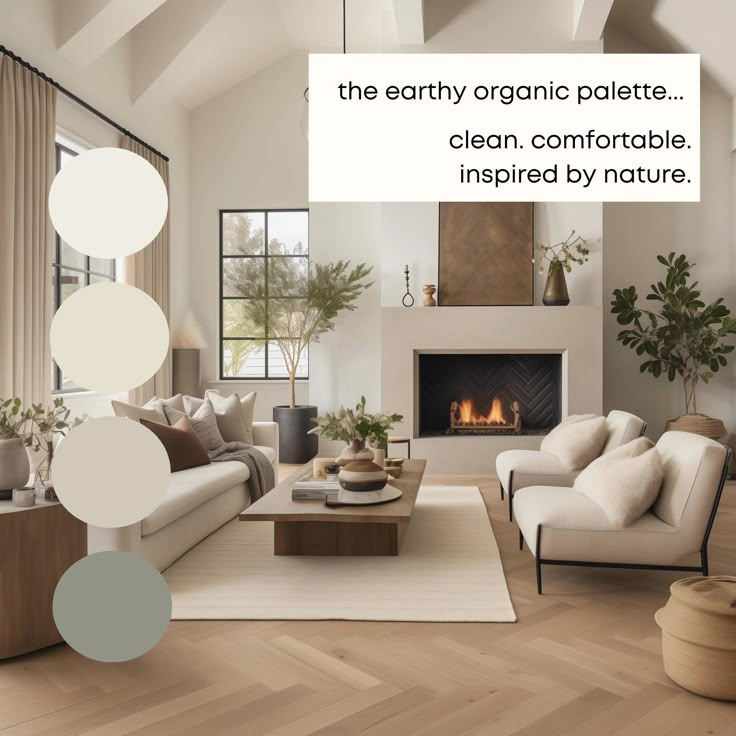
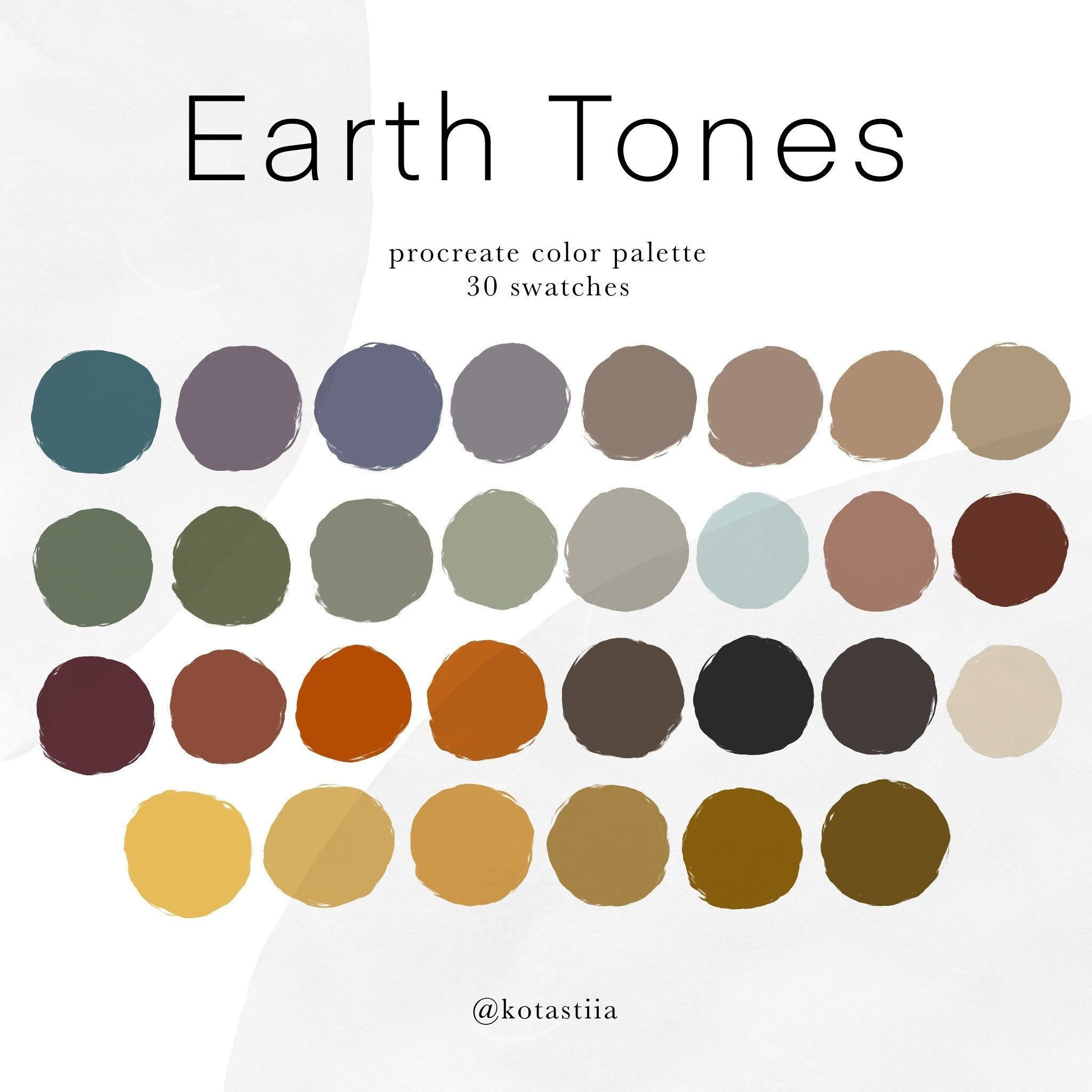
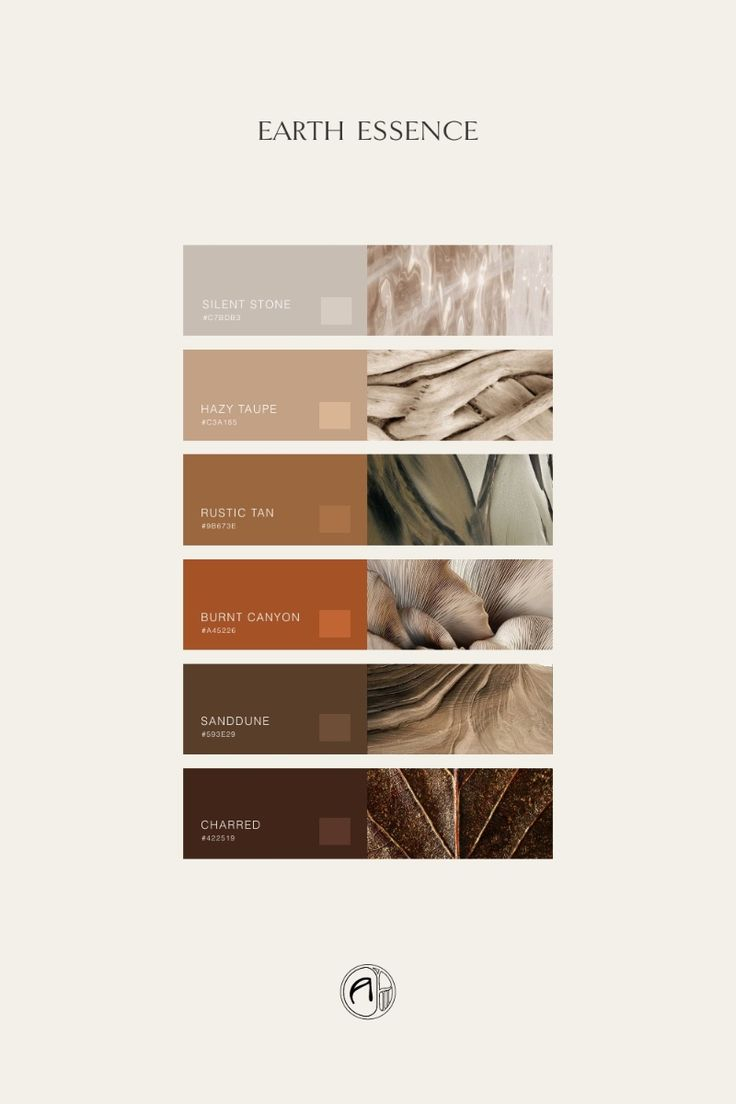
So, where do you start? Stop looking for purity. There is no "pure" Spanish or "pure" Native experience in many of these borderlands anymore. Embrace the hybrid. If you are renovating a home or even just decorating a corner of your apartment, look for materials that speak to both worlds. Use earth tones. Incorporate wood beams that show the hand of the carpenter, not just the machine. Let the imperfections stay. That’s where the humanity is.
Speaking the Mixed Tongue: Language as a Bridge
Language is tricky. It’s the first thing people notice and the hardest thing to get "right." In the Southwest, from Texas to Arizona, the dialects are a rich gumbo of Spanish, Native American languages, and English. It’s not broken Spanish. It’s not slang. It’s a legitimate linguistic evolution. In 2026, educators are finally catching up to this. There’s a push, led by experts like Anne Fountain, to bring Indigenous perspectives into Spanish classrooms. This is huge. For decades, Spanish classes ignored the fact that millions of speakers in the Americas are also connected to Indigenous roots.
If you are trying to reconnect with your heritage, don’t be afraid of the mix. You might find yourself using a Nahuatl word for a type of corn and a Spanish verb to describe cooking it. That’s okay. In fact, it’s accurate. The key is intentionality. Learn the origins of the words you use. Why do we call it chocolate? It comes from the Nahuatl xocolātl. Acknowledge that. When you speak, try to include greetings or terms of respect from the Indigenous languages relevant to your region, even if you are mostly speaking Spanish. It shows honor. It bridges the gap.
Here is a practical tip for 2026: Use technology, but use it wisely. There are new apps and online resources dedicated to preserving endangered Indigenous languages. Pair these with traditional Spanish learning tools. Don’t treat them as separate subjects. See them as parts of the same whole. If you are teaching your kids, tell them the stories behind the words. Explain that maíz is sacred to many cultures, not just a grocery item. Language isn’t just vocabulary; it’s a worldview. By mixing them, you are creating a wider, more inclusive view of the world.
The Kitchen Table: Where Flavors Truly Merge
Let’s be honest, most of us connect with culture through our stomachs first. Tex-Mex and Southwestern cuisine are the ultimate examples of this blend. But in 2026, we are moving past the cheesy, mass-produced versions. We are going back to the roots. The National Park Service highlights that cuisine is one of the primary ways these cultures harmonized. Think about it. The Spanish brought pork, beef, dairy, and wheat. The Native peoples had corn, beans, squash, chilies, and turkey. Put them together, and you get the foundation of modern Southwestern food.
But how do you cook this respectfully? It starts with sourcing. Buy your corn from local Indigenous farmers if you can. Support the communities that have kept these seeds alive for centuries. When you make tortillas, understand that the process is a ritual. It’s not just prep work. It’s a connection to the earth. Try recipes that explicitly highlight this fusion. Make a stew that uses Spanish spices like cumin and oregano but relies on native greens and heirloom beans. Don’t shy away from the heat. Chilies are native. Embrace them.
Also, pay attention to the seasons. Indigenous agricultural practices are deeply tied to the land’s cycles. Spanish cooking often follows religious calendars. Combine them. Celebrate harvest times with feasts that honor both traditions. Invite neighbors over. Share the food. Food is the easiest way to break down barriers. When you sit down to eat a meal that has taken centuries to evolve, you are participating in history. You are tasting the result of adaptation and survival. It’s powerful stuff. And frankly, it tastes better when you know the story.
Art and Spirit: Visualizing the Dual Heritage
Art is where the soul of this mixture really shines. Latino art today is increasingly recognizing its Indigenous roots. It’s not just European influence. It’s a triad: European, Indigenous, and African. In 2026, artists are digging deep into this. They are using traditional Spanish techniques like oil painting or sculpture but filling them with Indigenous symbolism. You might see a Virgin Mary figure, but she is surrounded by desert flowers and animals sacred to local tribes. This isn’t confusion. It’s clarity. It’s saying, "I am both."
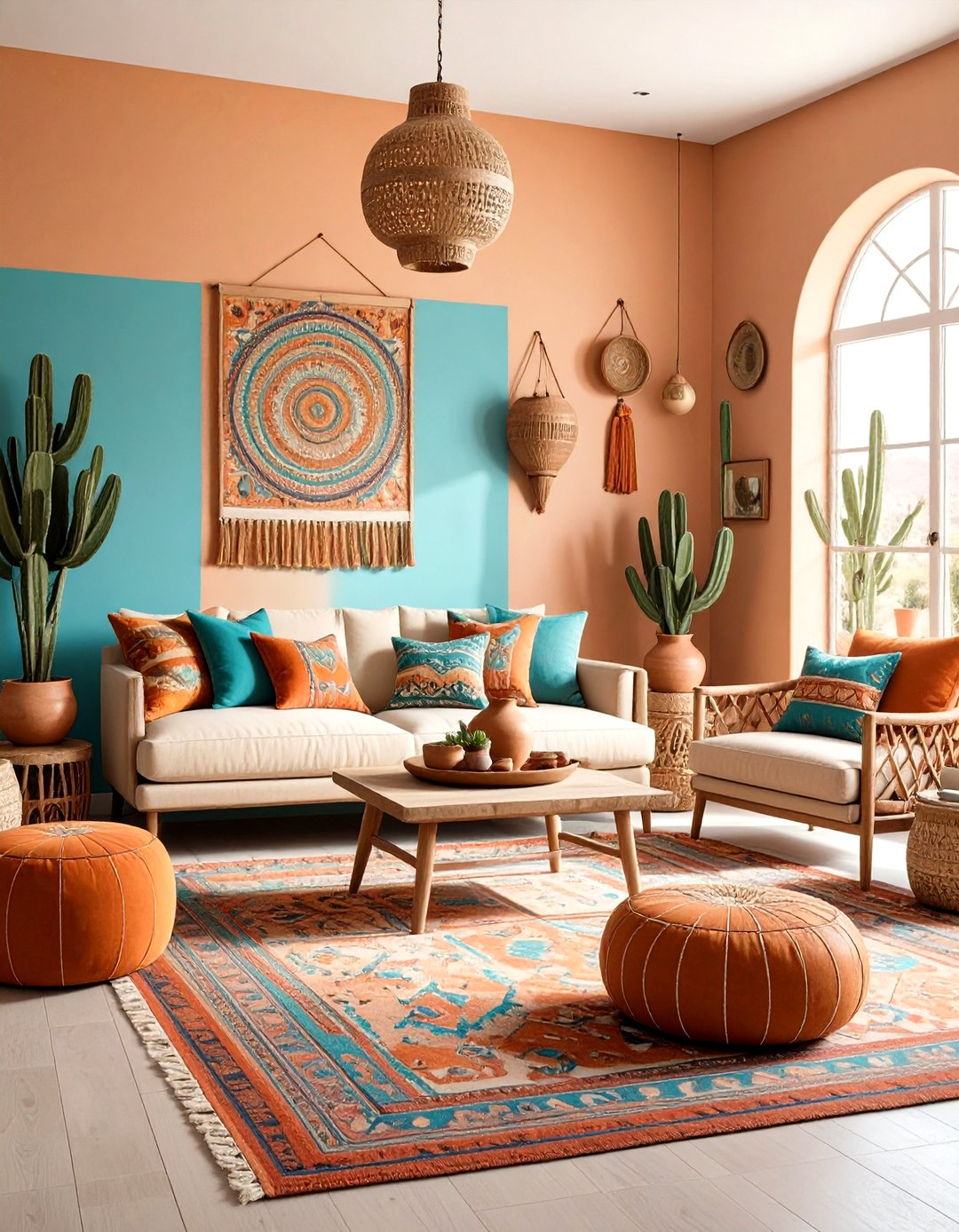
If you are an artist or just someone who loves decor, look for this duality. Don’t be afraid to mix styles. Hang a retablo next to a woven Navajo rug. Does it clash? Maybe at first glance. But look closer. Both are forms of prayer. Both are expressions of gratitude and protection. The colors often complement each other—earth reds, sky blues, sun yellows. Let your space reflect the complexity of your identity. You don’t have to choose one aesthetic.
Support living artists who are doing this work. Buy directly from them if possible. Ask them about their process. How do they decide which symbols to use? How do they navigate the spiritual weight of these images? Their answers will guide you. You’ll learn that mixing influences isn’t about grabbing cool-looking things. It’s about understanding the meaning behind them. When you bring art into your home, you are inviting those meanings in. Make sure you are ready to honor them.
Community and Celebration: Rituals in Modern Times
How do you celebrate? This is the question that trips people up. Do you go to the Catholic mass? Do you participate in tribal ceremonies? In 2026, many people are doing both. It’s called syncretism, but that’s a big word for a simple reality: people do what feels right and true to their hearts. In many New Mexico towns, you’ll see processions that blend Catholic saints with Indigenous dances. It’s not weird to the locals. It’s normal. It’s their life.
If you are building your own practice, start small. Respect is the golden rule. If you are not a member of a specific tribe, be very careful about participating in closed ceremonies. Some rituals are private. But there are plenty of public celebrations. Feast days, powwows, local festivals. Go to them. Listen more than you speak. Watch how people interact. Notice the respect shown to elders. Notice the joy. Bring that energy back to your own home. Create your own rituals. Maybe you light a candle for your ancestors on Sundays. Maybe you offer cornmeal to the earth in the morning. Mix the forms. Keep the intent pure.
Community is key. You can’t do this in isolation. Find others who are navigating this same path. In 2026, there are more groups and online communities focused on mixed heritage than ever before. Join them. Share your struggles. Did you feel out of place at the church? Did you feel unsure at the pueblo? Talk about it. You’ll find you aren’t alone. These shared experiences build a new kind of community. One that doesn’t demand you pick a box. One that lets you be whole.
So, what does this look like in daily life? It’s not always grand gestures. Often, it’s the small choices. It’s the way you introduce yourself. It’s the stories you tell your kids. It’s the books you read. In 2026, we have access to so much information. Use it. Read histories written by Indigenous authors. Read memoirs by Spanish-descended writers who acknowledge their colonial past. Get comfortable with the discomfort. It’s part of the process.
Here are a few actionable steps to take this year:
- Map your lineage: Don’t just list names. Find out where they lived. What languages did they speak? What lands did they occupy?
- Learn the land: If you live in the Southwest, learn the native names of the plants and animals around you. Learn the history of the land you stand on.
- Practice bilingualism: Even if it’s just a few words. Mix Spanish and Indigenous terms in your daily speech if it feels natural.
- Support local: Buy from Indigenous artisans and Spanish-owned businesses that prioritize ethical practices. Keep the money in the community.
- Be patient: Identity work takes time. You won’t figure it all out in a month. Or a year. And that’s fine.
Remember, this isn’t about perfection. It’s about effort. It’s about showing up. The blend of Spanish and Native American influences is not a problem to be solved. It’s a gift to be unwrapped. Layer by layer. It’s complex, yes. But it’s also incredibly rich. It offers a way of seeing the world that is inclusive, resilient, and deeply human.
In the end, mixing these influences is about love. Love for the ancestors who survived. Love for the culture that endured. And love for the future you are helping to shape. Don’t let anyone tell you that you have to choose. You are the bridge. Walk across it with pride. Keep learning. Keep listening. And keep blending. The world needs more of this kind of harmony. It’s not always easy, but it’s always worth it.