Have you ever stood in a garden and felt like you were standing inside a painting? It’s a rare feeling. Most yards are just… yards. They have grass. Maybe a few bushes that need trimming. But they don’t sing. They don’t pull at your heartstrings. That’s where the magic of aesthetics comes in. It’s not just about pretty flowers. It’s about composition. Light. Shadow. And the way space makes you feel.
For decades, we’ve looked at landscape design as a technical trade. You pick plants that survive in your zone. You lay out a patio. Done. But what if we looked at it through the eyes of a painter? What if the garden was a canvas? This is the legacy of Roy Slade. An artist first, an educator second, and a transformative figure in how we see our outdoor spaces. His approach isn’t about following rigid rules. It’s about seeing. Really seeing. And in 2026, as we crave more connection to nature, his lessons feel more relevant than ever.
The Artist’s Eye in the Green World
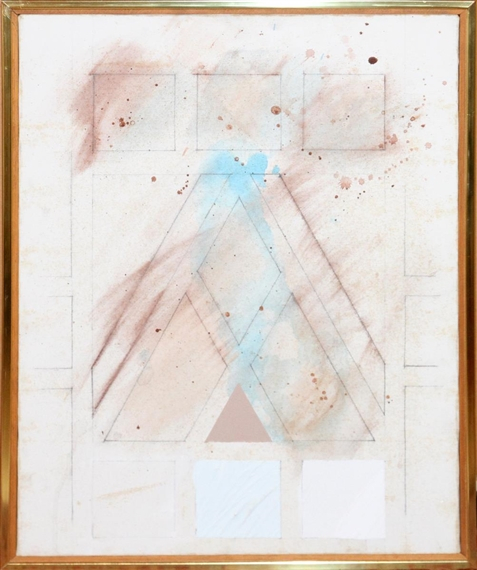
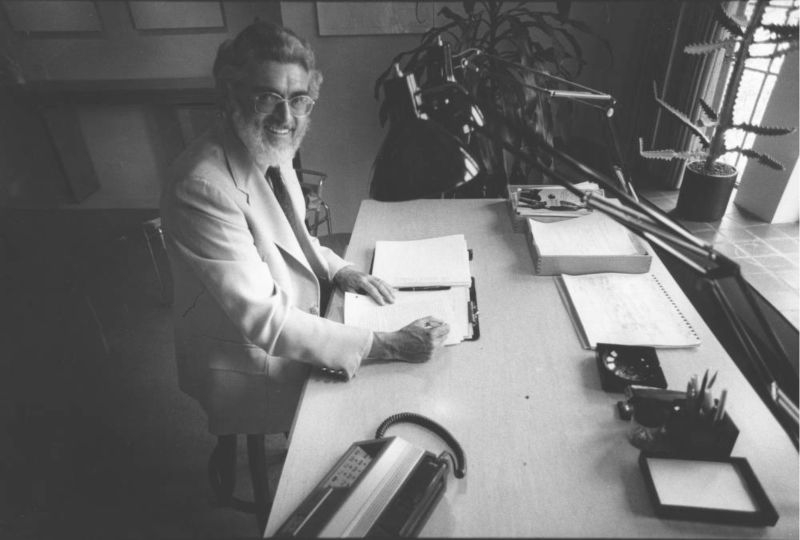
Roy Slade wasn’t a typical landscape architect. He didn’t start with blueprints or soil samples. He started with paint. Born in Cardiff in 1933, Slade studied art before he ever thought about gardens. He taught painting in Singapore during his time in the British Army. Can you imagine? Teaching art in the tropics. That exposure to lush, chaotic, vibrant nature must have shaped his view. When he moved to the US in 1967 and later became Dean of the Corcoran School of Art, he brought that fine arts sensibility with him.
This background is crucial. Most people think of a garden as a collection of objects. A tree here. A bench there. Slade saw it as a unified image. He understood that what we like about a landscape—why it feels good to be there—is often subconscious. It’s about balance. It’s about the "picture plane." In traditional painting, you arrange elements to guide the eye. Slade applied this to three-dimensional space. He asked the question that Appleton later formalized: "What is it that we like about landscape, and why do we like it?" But Slade answered it with brushstrokes, not just theory.
Think about a Impressionist painting. Monet didn’t paint every leaf on a water lily. He painted the effect of light on the water. Slade encouraged gardeners to do the same. Don’t just plant a shrub because it’s green. Plant it because of how its texture catches the afternoon sun. Or how its silhouette breaks up the sky. This shift from "botanical collector" to "visual composer" is the first lesson. Stop looking at plants as individual items. Start looking at them as colors and shapes in a larger composition. It changes everything.
Composition Over Collection
One of the biggest mistakes people make in 2026 is treating their garden like a sticker book. They buy a cool plant. Then another. Then another. Before you know it, you have a mess. It’s cluttered. It’s noisy. Slade’s approach teaches us the power of restraint. In art, negative space—the empty parts—is just as important as the subject. In a garden, that’s your lawn. Your patio. The open sky above a branch.
Balance is key here. But not the boring, symmetrical balance you see in formal French gardens. Slade favored asymmetrical balance. Think of a scale. On one side, you have a large, heavy oak tree. On the other, you might have a cluster of three smaller birch trees and a stone sculpture. They weigh the same visually, even if they aren’t identical. This creates tension. Interest. It keeps the eye moving. If everything is perfectly mirrored, the eye stops. It gets bored. Asymmetry feels natural. It feels alive.
Let’s look at focal points. Every good painting has a place where the eye rests. In a garden, this could be a specimen tree. A water feature. Or even a bright red door at the end of a path. Slade would argue that without a focal point, the viewer feels lost. They don’t know where to look. By establishing a clear hierarchy of visual importance, you guide the experience. You tell the story. Where do you want people to look first? Second? Last? Design that journey. Don’t let chance decide it. Use your plants to frame the view. Use height to draw the eye up. It’s directing a play, but the actors are leaves and light.
The Palette of Nature
Color theory is huge in art. It’s huge in gardening too, but often ignored. People throw pink next to orange because they both look "happy." But an artist knows that color relationships create mood. Slade’s training meant he understood complementary colors. Blue and orange. Red and green. These pairs vibrate when placed next to each other. They create energy. Analogous colors—like blue, blue-green, and green—create calm. They soothe.
In 2026, we are stressed. We are tired. Do we really want a garden that screams at us? Maybe not. Slade’s approach suggests using color to evoke emotion. If you want a meditation space, stick to whites, greens, and soft purples. Lavender. Lamb’s ear. White hydrangeas. It’s a monochromatic palette. It’s restful. If you want a party area, maybe you bring in the zinnias. The marigolds. The hot pinks and yellows. Know the purpose of the space. Let the color palette serve that purpose.
Also, consider the season. A painter works on a static canvas. A gardener works with a changing one. Slade appreciated this temporal aspect. The "painting" changes every month. In spring, the palette might be soft pastels. In summer, deep greens and bold blooms. In autumn, fiery reds and golds. In winter, the structure of branches against the snow. This is where the real skill lies. Planning for the winter view. Most people forget winter. They plant for July. But Slade would remind us that the skeleton of the garden—the bones—must be beautiful year-round. Choose trees with interesting bark. Shrubs with persistent berries. The aesthetic doesn’t stop when the flowers fade.
Texture and Light as Mediums
We often forget that plants have texture. Some are rough. Some are smooth. Some are fuzzy. Some are glossy. In a painting, an artist uses thick impasto paint for texture. In a garden, you use foliage. Contrast is your friend. Pair the broad, waxy leaves of a hosta with the fine, feathery fronds of a fern. The difference makes both stand out. If everything is medium-textured, it becomes a blur. It lacks definition. Slade’s eye for detail meant he noticed these subtle interactions. He knew that texture adds depth. It makes a small space feel bigger because the eye has more to process.
And then there is light. Light is the medium of the landscape. Without it, there is no garden. Slade understood how light changes throughout the day. Morning light is cool and blue. Evening light is warm and golden. A garden that looks great at noon might look flat at dusk. Think about where the sun hits. Do you have a spot that gets the "golden hour" glow? Put your most beautiful plants there. Let them shine. Conversely, shade gardens offer a different aesthetic. They are about mystery. About cool tones. About the interplay of shadow.
Don’t fight the light. Work with it. If you have a dark corner, don’t try to force a sun-loving rose to grow there. Embrace the shade. Use plants that reflect light. Variegated leaves. White flowers. They pop in the dark. This is basic physics, but it’s also pure aesthetics. It’s about maximizing the visual impact of the conditions you have. Slade’s approach was always about adaptation. Taking the raw materials of the site—the light, the slope, the soil—and turning them into art. It’s not about imposing your will on nature. It’s about collaborating with it.
Emotional Resonance and Human Scale
Why do we garden? Is it just to look at? No. It’s to feel. Aesthetics isn’t just visual. It’s emotional. Slade’s work in education emphasized the human experience of art. How does it make you feel? A garden should do the same. It should be a refuge. A place of wonder. Or a place of social connection. The design must support the emotion. If you want intimacy, lower the ceiling. Use overhead arbors. Dense planting. Make the space feel enclosed. Safe.
If you want awe, open it up. Long vistas. High trees. Sky views. This is about scale. Humans are small. We respond to spaces that acknowledge our size. A massive, empty lawn can feel alienating. It’s too big. We feel exposed. Breaking it up with islands of planting makes it manageable. It invites us in. Slade understood that the best landscapes are those that feel like they were made for people. Not for drones. Not for magazine covers. For people sitting on a bench. Drinking coffee. Watching the birds.
In 2026, with so much digital noise, this human connection is vital. Our gardens are our sanctuaries. They need to nourish the soul. This means engaging all the senses. Smell. Sound. Touch. The rustle of bamboo. The scent of jasmine. The feel of moss underfoot. These are aesthetic choices too. They contribute to the overall "vibe" of the space. Slade’s holistic view of aesthetics includes these intangible elements. It’s not just what you see. It’s what you experience. And that experience is deeply personal. Your garden should reflect your taste. Your memories. Your joy.
Practical Steps for the Modern Gardener
So, how do you apply this today? You don’t need to be a trained artist. You just need to slow down. Start by observing. Spend a week just watching your yard. Where does the light fall? What views do you have? What do you hate looking at? What do you love? Sketch it out. Literally. Draw a rough map. Mark the "good" spots and the "bad" ones. This is your canvas. Identify your focal points. Do you have one? If not, create one. It could be a pot. A statue. A striking tree.
Next, edit. This is the hardest part. We love our plants. But if it doesn’t fit the composition, it has to go. Be ruthless. Look for balance. If one side feels heavy, add something visual to the other side. It doesn’t have to be the same size. Just the same visual weight. Play with color. Pick a palette. Stick to it. Maybe two main colors and one accent. Keep it simple. Complexity comes from repetition, not variety. Repeat your key plants. Create rhythm. This ties the space together. It makes it feel intentional.
Finally, think about the bones. Ensure you have structure that lasts all year. Evergreens. Trees with good form. Hardscape elements like paths or walls. These are the lines of your drawing. The plants are the color you fill in later. And remember, it’s never finished. A garden is a living painting. It changes. It grows. It dies. Accept that. Enjoy the process. The aesthetic journey is ongoing. There is no perfect final state. There is only the next season. The next bloom. The next moment of beauty.
Roy Slade’s legacy isn’t just in the paintings he left behind or the students he taught at the Corcoran. It’s in the way we can choose to see our world. He showed us that aesthetics isn’t elitist. It’s not reserved for museums. It’s right outside our back doors. It’s in the way the light hits the leaves. It’s in the balance of a branch. It’s in the feeling of peace we get when we step outside. By applying his artistic principles—composition, color, texture, light—we transform our yards from mere plots of land into places of meaning.
In 2026, we need this more than ever. We are disconnected. We are rushed. Gardening offers a antidote. But when we approach it with an aesthetic intent, it becomes even more powerful. It becomes a practice of mindfulness. Of creation. Of beauty. You don’t need a degree in fine art to do this. You just need to care. You need to look. You need to feel. And you need to be willing to experiment. To make mistakes. To pull things out and try again.
So, go out there. Look at your garden with new eyes. See it as a canvas. Paint with petals. Sculpt with shadows. Create a space that speaks to you. That’s the true lesson of Roy Slade. It’s not about following rules. It’s about finding your own voice in the landscape. And in doing so, you don’t just beautify your home. You enrich your life. You connect with the ancient human desire to create order and beauty out of the wild. And isn’t that what gardening is really all about?