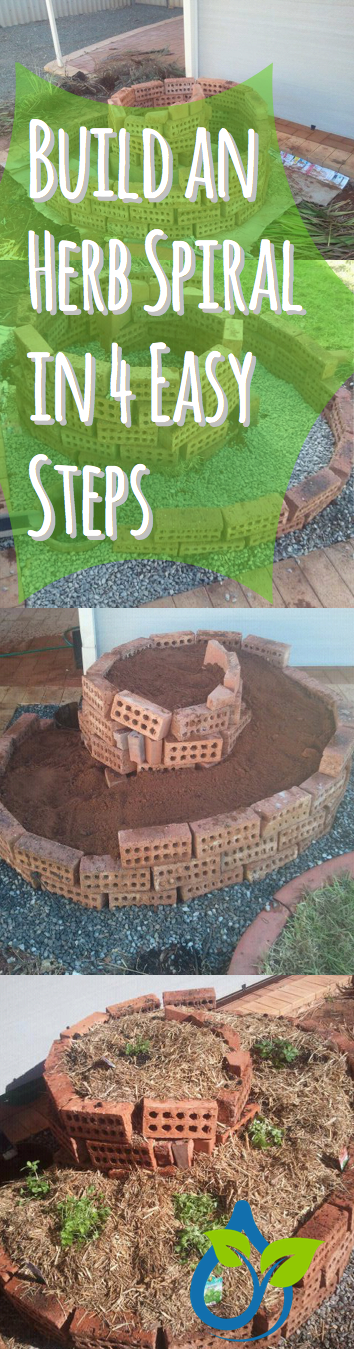
You’ve probably seen them. Those snail-shell shaped mounds of stone and soil tucked into corner gardens or sitting proudly in raised beds. They look nice, sure. A bit rustic, maybe even trendy if you’re into that permaculture vibe. But most people build them because they saw a pretty picture on Pinterest five years ago and thought, "I could do that." They dig the hole, stack the rocks, dump in the dirt, and then wonder why their basil is drowning while their rosemary looks like it’s been through a desert storm.
Here’s the thing nobody tells you when you buy those pre-cut stone kits. The spiral isn’t just about saving space. It’s a machine. A biological engine designed to hack the weather. By twisting the garden bed into a vertical coil, you aren’t just stacking plants; you’re engineering four or five different climate zones in less than six feet of diameter. It’s wild when you think about it. You can grow thirst-loving mint next to drought-tolerant thyme, and neither kills the other. Not because they’re friends, but because the spiral puts them in completely different worlds.
In 2026, with water restrictions tighter than ever in places like California and parts of Europe, this isn’t just a cool gardening trick. It’s survival logic. We are learning to work with physics instead of fighting it. The herb spiral uses gravity, sun angles, and thermal mass to create pockets of warmth, shade, moisture, and dryness. Understanding these invisible pockets—these microclimates—is the key to unlocking plants that don’t just survive, but thrive. Let’s dig into how this works, because once you see it, you’ll never look at a flat garden bed the same way again.
The Physics of the Coil: Why Shape Matters
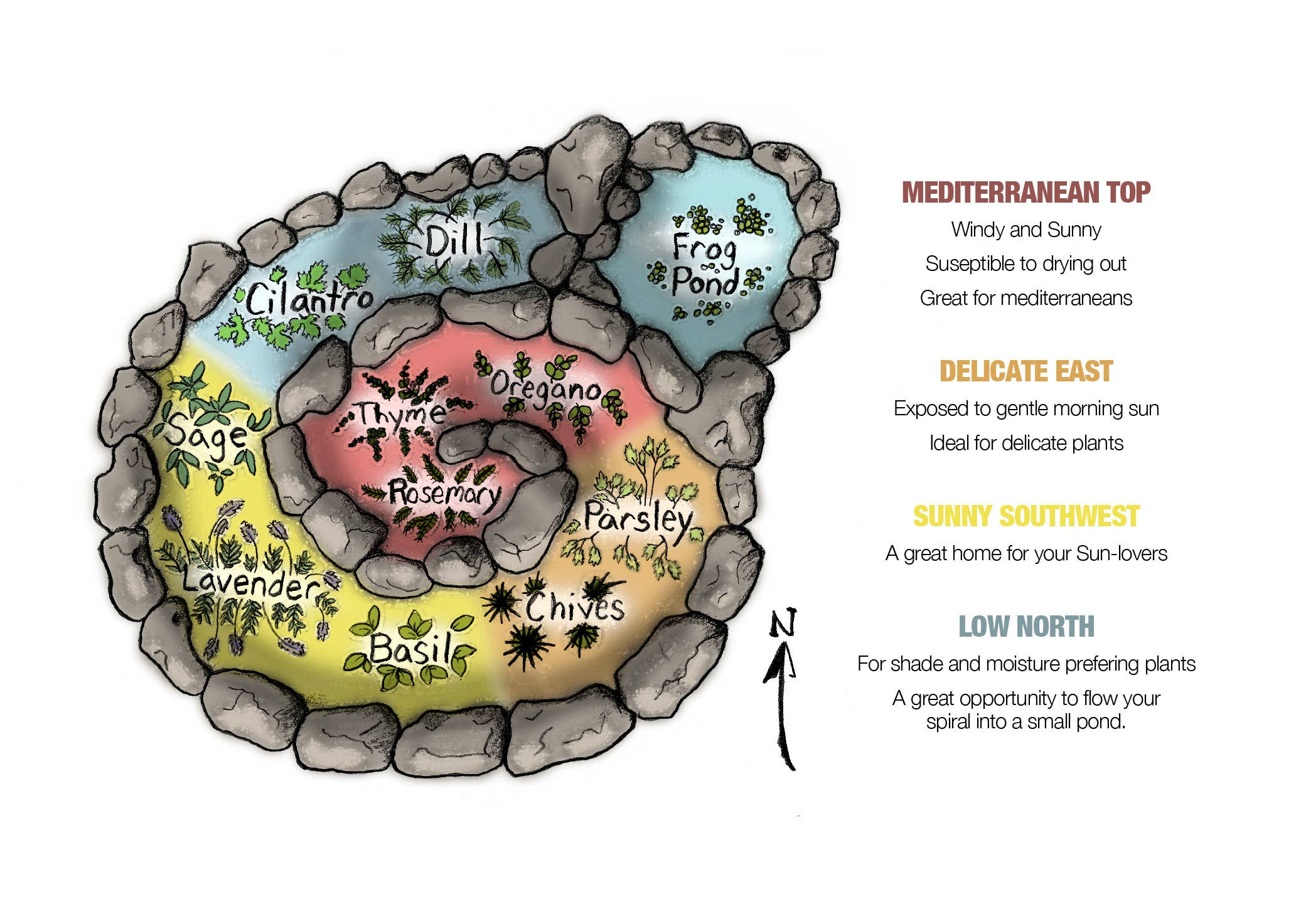
Think about a flat garden bed for a second. The sun hits it evenly. The rain soaks in uniformly. If you plant a cactus next to a fern, one of them is going to have a bad day. Usually both. But a spiral changes the geometry of light and water. By raising the center of the spiral, you increase the surface area exposed to the sun. In the northern hemisphere, the south-facing side of the spiral gets baked. It’s hot, dry, and intense. The north-facing side? It’s cooler, shadier, and holds moisture longer.
This isn’t just theory. Recent studies in urban agriculture from early 2025 highlighted how vertical variance in small-footprint gardens increases biodiversity by up to 40% compared to traditional rows. The spiral forces this variance. As you wind down from the top, the elevation drops. This means drainage changes. Water poured at the top doesn’t just sit there; it trickles down through the layers. The top stays dry because gravity pulls the water away quickly. The bottom acts like a sponge, catching what runs off from above.
So, when you place your plants, you aren’t just picking a spot. You’re picking a hydro-zone. The top of the spiral might be bone-dry by noon in July. The bottom might still be damp from a morning dew. This gradient allows you to stack plants with opposing needs. It’s like having a mini-mountain range in your backyard. You get alpine conditions at the peak and valley-floor conditions at the base. All within arm’s reach. It’s efficient, elegant, and honestly, a bit clever.
The Sun Trap: Harnessing Thermal Mass
Let’s talk about heat. Specifically, how rocks hold it. Most herb spirals are built with stone, brick, or recycled concrete. These materials have high thermal mass. That’s a fancy way of saying they soak up heat during the day and release it slowly at night. In the spring, this is a game-changer. While the rest of your garden is still waking up from winter, the south-facing stones of your spiral are radiating warmth. This creates a cozy pocket for tender herbs like basil or cilantro to start growing weeks earlier than they would in open ground.
But it’s not just about starting early. It’s about consistency. Plants hate shock. They hate it when the temperature swings wildly from 80 degrees in the afternoon to 50 at night. The thermal mass of the spiral buffers these swings. It keeps the root zone warmer in the evening and slightly cooler in the peak heat of the day. This stability reduces stress on the plants. And here’s the kicker: less stress means more essential oils. That’s where the flavor comes from. Stressed plants produce bitter compounds; happy, stable plants produce aroma.
I remember talking to a community gardener in Portland last summer who noticed her oregano tasted significantly sweeter when grown on the mid-level south face of her spiral compared to the flat bed nearby. She thought it was the soil, but it was the heat regulation. The stones kept the roots warm without cooking them. This subtle difference in temperature management is something you just can’t replicate in a standard rectangular box. It’s passive solar heating, working for you 24/7.
Water Wisdom: The Gravity-Fed Irrigation System
Water is precious. We all know this. In many regions, hose restrictions are the new normal. The herb spiral is basically a self-watering system if you set it up right. When you water the top of the spiral, gravity does the heavy lifting. The water percolates down through the soil matrix, feeding each layer as it goes. By the time it reaches the bottom, it’s slowed down and spread out. This means you use less water overall because there’s less evaporation from the shaded, lower levels.
The key here is soil composition. You can’t use the same dirt everywhere. At the top, you want a gritty, fast-draining mix. Think sand, gravel, and compost. This mimics the rocky slopes of the Mediterranean where herbs like rosemary and lavender evolved. They hate wet feet. If their roots sit in water, they rot. Fast drainage prevents this. As you move down the spiral, you add more organic matter. More compost. More moisture-retaining coco coir or leaf mold.
By the time you hit the bottom tier, the soil should be rich and spongy. This is where you put the thirsty plants. Mint, parsley, chives. They love the consistent moisture that accumulates there. This zoning saves you from overwatering the drought-lovers and underwatering the water-lovers. It’s a simple fix for a common problem. Plus, because the water moves downward, you rarely get standing water issues unless you have terrible clay soil underneath. Even then, the elevated nature of the spiral helps. It breathes.
Wind Protection and Airflow Dynamics
Wind is the silent killer of gardens. It dries out leaves, breaks stems, and chills plants. A flat garden offers no protection. But a spiral? It’s a fortress. The curved walls of the spiral break up wind patterns. Instead of a straight blast hitting your plants, the wind swirls around the structure. This creates calm pockets of air inside the coils. For delicate herbs like dill or fennel, which have feathery leaves that tear easily, this shelter is vital.
But it’s not just about blocking wind. It’s about airflow. Poor circulation leads to fungal diseases like powdery mildew. You’ve seen it. That white dust on your squash or zucchini leaves. Herbs are susceptible too, especially in humid climates. The vertical nature of the spiral ensures that air can move around every plant. There are no dense, flat monocultures here. Each plant sits at a different height, allowing breezes to pass through the gaps.
This constant, gentle movement of air keeps the foliage dry after rain or watering. Dry leaves mean less fungus. It’s a natural defense mechanism built into the design. I’ve seen spirals in humid zones like Florida keep basil healthy well into the rainy season, while flat-bed basil turned black and slimy within weeks. The difference wasn’t chemicals or sprays. It was physics. The shape allowed the air to do its job. It’s simple, but we often overlook how much plants need to breathe.
Root Zone Diversity: Matching Soil to Species
We touched on soil earlier, but let’s get specific. The beauty of the spiral is that you can customize the root environment for each plant. In a big raised bed, you usually mix one big batch of soil and dump it in. It’s easier. But herbs are picky. Rosemary wants lean, rocky soil. Basil wants rich, fluffy soil. If you give them the same mix, one will always be unhappy. The spiral lets you layer.
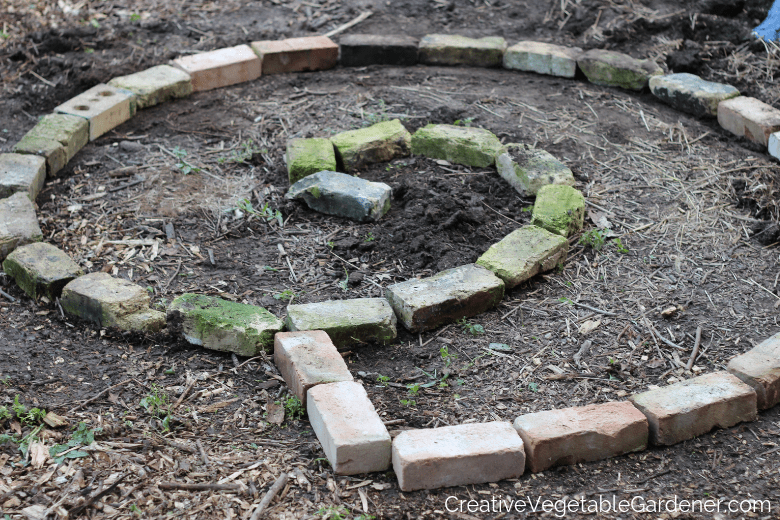
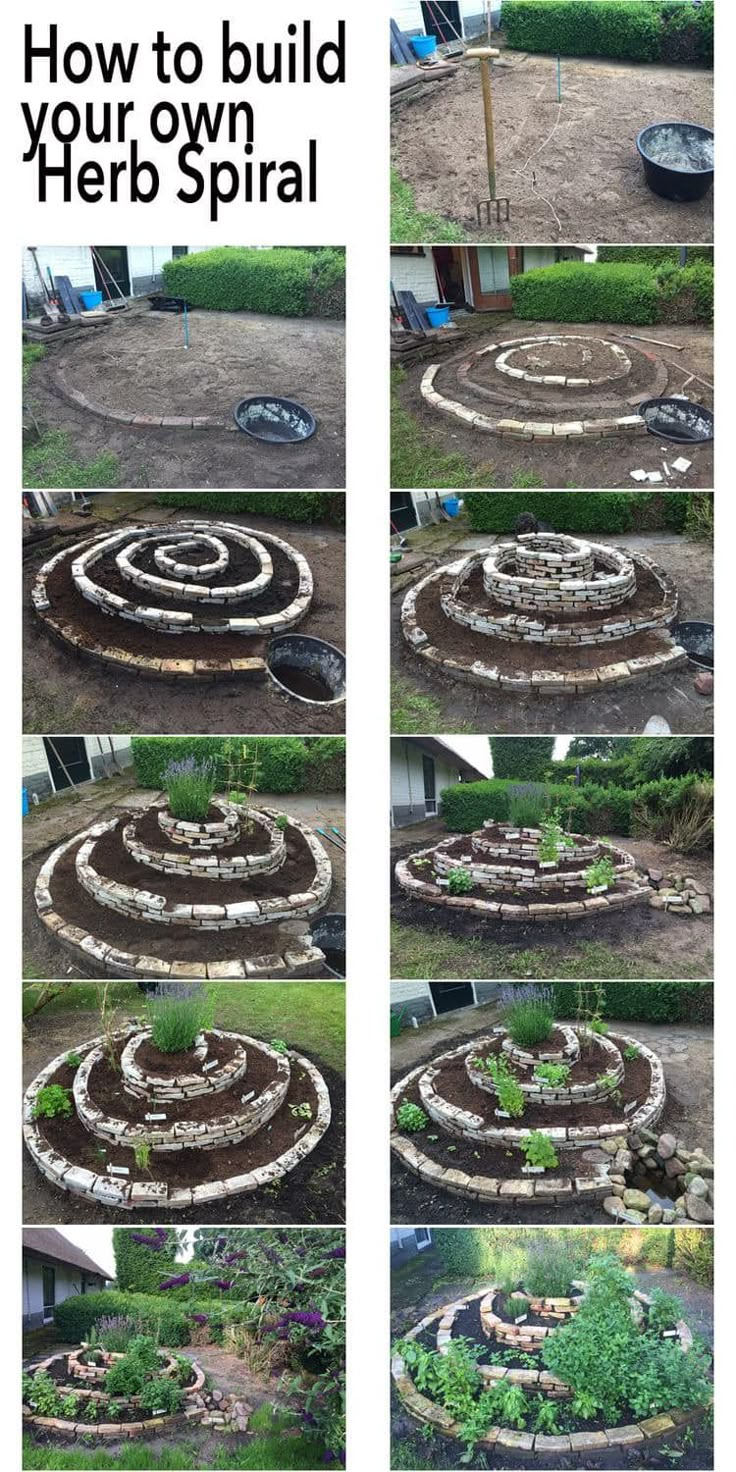
Start with a base of rubble or large stones at the very bottom center for drainage. Then, as you build up, change your mix. For the top third, use a mix that’s 50% grit (sand, small stones) and 50% compost. This is perfect for woody, Mediterranean herbs. Sage, thyme, oregano. They need their roots to dry out between waterings. The grit ensures that happens.
For the middle section, go for a 50/50 split of topsoil and compost. This is the general-purpose zone. Cilantro, parsley, and chives do well here. They like some richness but don’t need to be swimming in nutrients. Finally, the bottom tier. Make this 70% compost and 30% topsoil. Maybe even throw in some worm castings. This is the luxury suite for mint and lemon balm. These guys are hungry and thirsty. Give them the good stuff. By tailoring the soil vertically, you’re mimicking the natural habitats of these plants. You’re not forcing them to adapt to your garden; you’re adapting your garden to them.
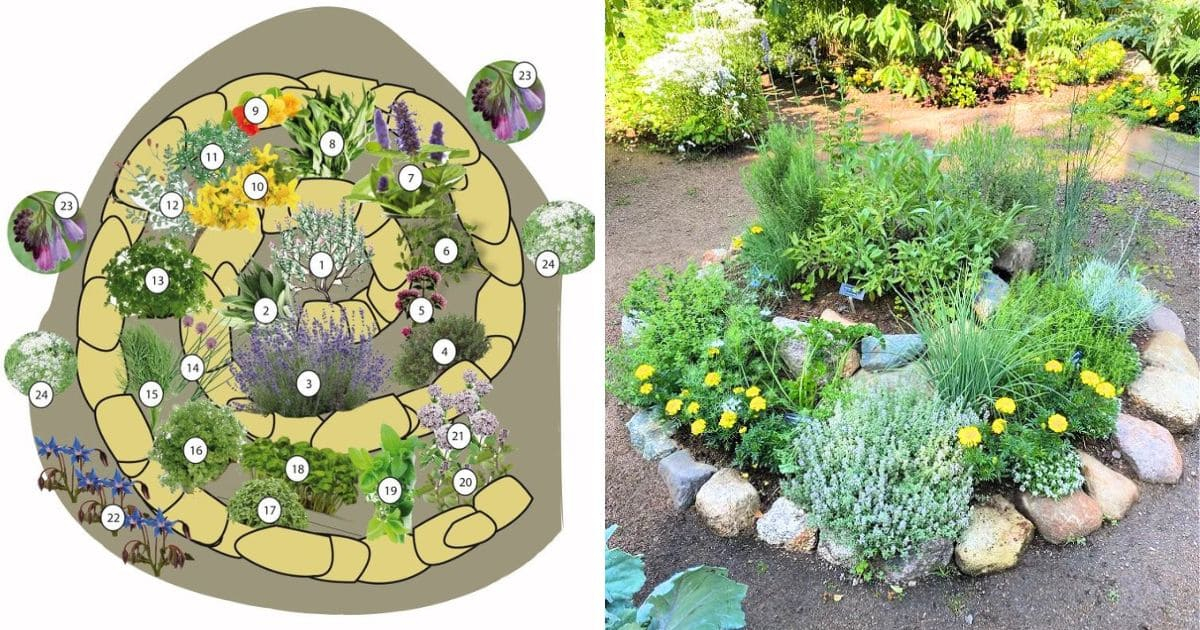
So, how do you actually plant this thing? Don’t just shove things in randomly. Think about height and spread. Put the tall, upright herbs at the back or center-top if you have access. Rosemary can get huge. If you put it on the front edge, it’ll block the sun for everything behind it. Keep the sprawling plants like creeping thyme or oregano on the outer edges where they can cascade down the rocks. This looks great, but it also helps shade the soil, keeping roots cool.
In 2026, we’re seeing a rise in "functional aesthetics." People want gardens that look good but also work hard. Consider planting edible flowers like nasturtiums or calendula on the sunny mid-sections. They attract pollinators, which helps your herbs set seed if you want to save them. Plus, they’re pretty. Don’t forget about companion planting. Plant garlic or chives near the base to deter aphids from climbing up. It’s an old trick, but it works.
Also, think about harvest ease. Put the herbs you use every day—like basil for pesto or chives for eggs—at eye level or waist height. Don’t make yourself crawl to get the stuff you need. The spiral is ergonomic. Use that. And remember, you don’t have to fill every inch. Leave some space for air. Overcrowding is the enemy of health. Give each plant room to breathe. If you follow these simple rules, your spiral won’t just be a decoration. It’ll be the most productive square foot in your yard.
Building an herb spiral is one of those projects that feels complicated until you start. Then it just clicks. You realize you’re not just stacking rocks. You’re building a habitat. You’re creating a tiny world where heat, water, and wind work together instead of against you. It’s a small step, but in a world that’s getting hotter and drier, these small steps matter. Your plants will thank you. Your taste buds will too. So grab a shovel, find some stones, and start coiling. Your garden is waiting.