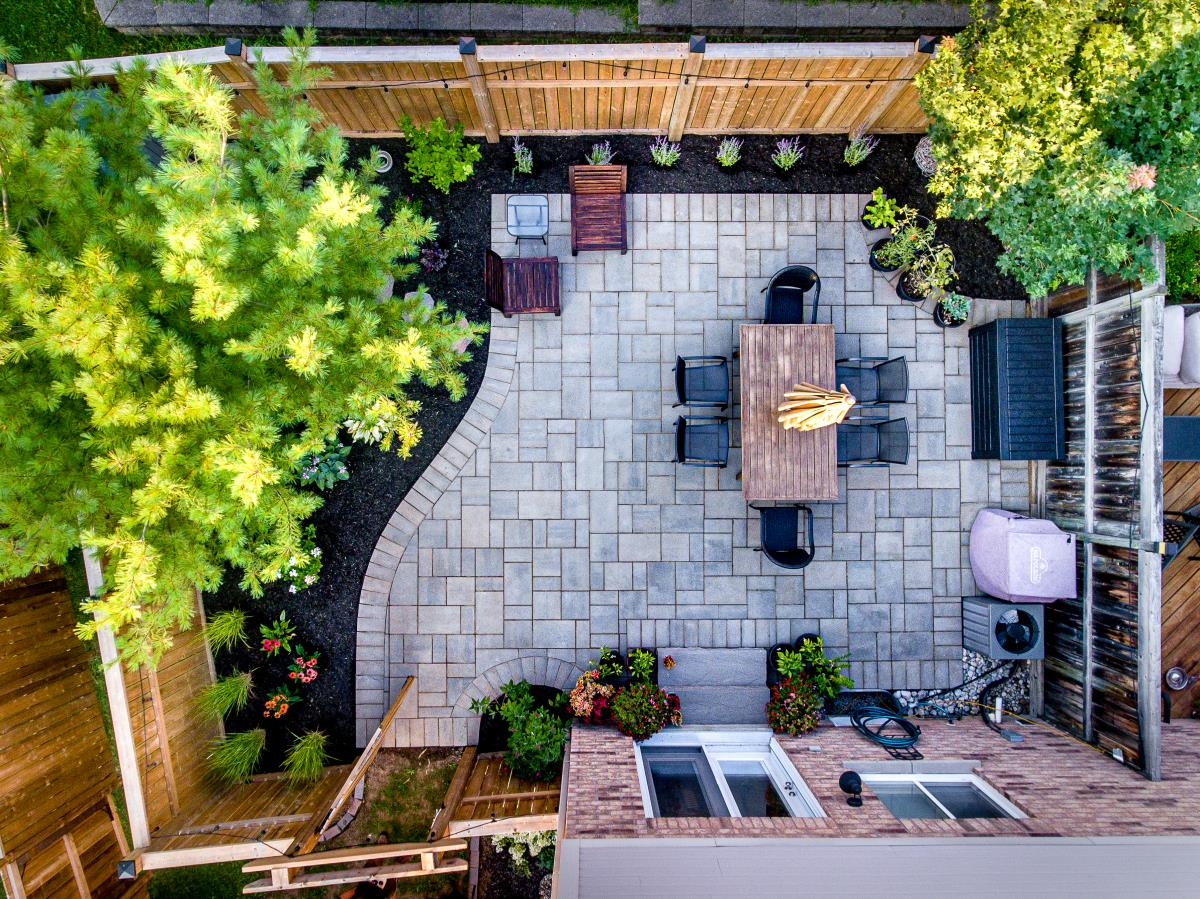
Let’s be honest for a second. Looking at that perfect, emerald-green rectangle of grass in your front or back yard used to feel like a status symbol. It said, "I have it together." But lately? It just feels like a chore. A thirsty, hungry, high-maintenance chore that demands your weekends and your wallet. You mow it, you water it, you fertilize it, and what do you get in return? Nothing. Well, except for a slightly nicer view for the neighbors.
But imagine if that space worked for you. Imagine walking out your back door and plucking fresh berries for breakfast, grabbing herbs for dinner, or shading yourself under a canopy of nut trees that also cool your home. That’s not a fantasy reserved for people with huge budgets or acres of land. It’s a food forest. And contrary to what the glossy landscaping magazines might tell you, you don’t need a tractor, a team of professionals, or a second mortgage to build one. In fact, the best way to start is often by doing less, not more.
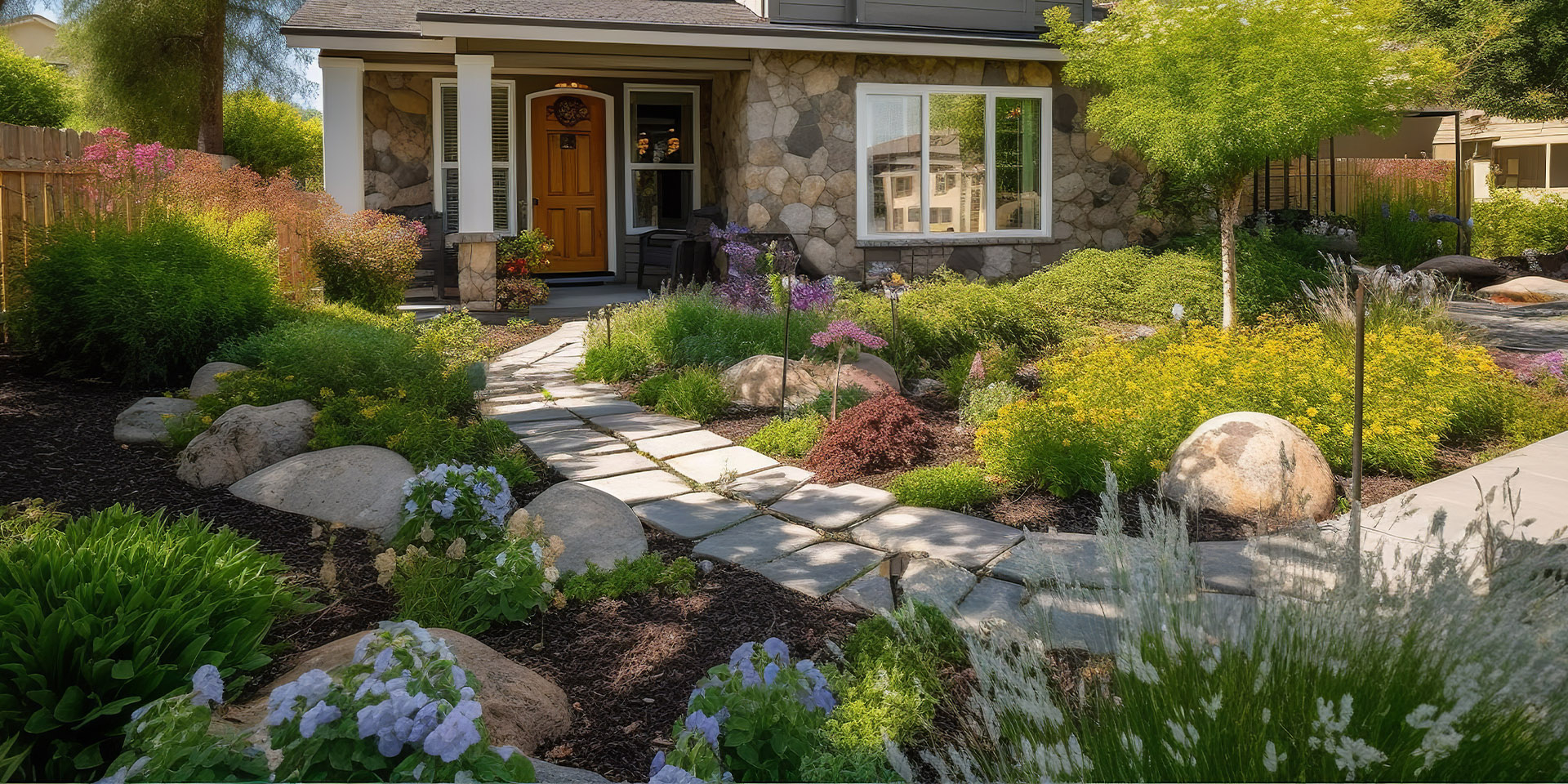
The shift from lawn to landscape is happening everywhere in 2026. People are tired of the rat race, and they’re tired of their lawns too. They want resilience. They want beauty that bites back—literally, with flavor. This guide isn’t about perfection. It’s about progress. It’s about taking that flat, boring slab of turf and turning it into a living, breathing ecosystem that feeds you, saves you money, and heals the local environment. Ready to dig in? Let’s go.
Why Your Lawn is Costing You More Than You Think
We need to talk about the true cost of grass. Most of us only see the price of gas for the mower or the monthly water bill. We don’t see the hidden costs. Recent data shows that converting a water-hungry lawn into a self-sufficient food forest can reduce water usage by up to 60%. Think about that. More than half your outdoor water bill, gone. Just like that. And it doesn’t stop there. The shade from mature trees and shrubs can cut your home’s cooling costs by nearly 30% during those scorching summer months.
Then there’s the property value angle. It’s not just about being eco-friendly; it’s about smart investing. Homes with established, productive landscapes are seeing property value increases between 5% and 20%. Buyers in 2026 are looking for sustainability. They want low-maintenance yards that offer functionality. A food forest isn’t just a garden; it’s an asset. It signals that the home is efficient, modern, and connected to nature.
But beyond the dollars and cents, there’s the mental load. Maintaining a monoculture lawn is stressful. You’re fighting against nature every step of the way. Grass wants to grow where it wants, but you force it into a box. A food forest works with nature. Once it’s established, it largely takes care of itself. The plants support each other. The soil holds moisture. The pests are managed by beneficial insects. You stop being a servant to the lawn and start being a steward of the land. It’s a shift from exhaustion to enjoyment.
The Myth of the Clean Slate (And Why You Should Keep the Mess)
Here is the biggest misconception holding people back: the idea that you need to tear everything out. You’ve probably seen those videos. Heavy machinery ripping up sod, trucks hauling away dirt, thousands of dollars spent on new soil. It looks dramatic. It looks professional. And it is completely unnecessary for most home growers. In fact, it’s often counterproductive.
Most permaculturalists and experienced gardeners now agree that the existing lawn is actually a resource. It’s biomass. It’s organic matter waiting to happen. Instead of viewing the grass as an enemy to be eradicated, view it as the foundation. One of the simplest ways to begin is through sheet mulching, also known as lasagna gardening. You don’t dig. You layer. You cover the grass with cardboard (free from any grocery store), wet it down, and pile on organic material like leaves, straw, or compost.
This method smothers the grass without disturbing the soil structure underneath. Disturbing soil releases carbon and kills the microbial life you’re trying to nurture. By layering on top, you create a sponge. The cardboard breaks down, feeding the worms. The grass dies and becomes food for the new plants. It’s slow, sure. But it’s cheap. And it’s incredibly effective. You’re working with the natural decomposition process rather than fighting it with diesel engines.
There’s a caveat, though. If you have particularly stubborn invasive species like Bermuda grass or bindweed, you might need to be a bit more thorough. Some experts suggest solarizing the area first or removing the top layer of sod manually in small patches. But for most standard turf grasses, the "lazy" method is the best method. Save your back. Save your money. Let the worms do the heavy lifting.
Designing Layers: Thinking Like a Forest, Not a Farmer
A food forest isn’t just a bunch of fruit trees planted in rows. That’s an orchard. A forest is complex. It has layers. When you design your space, you need to think vertically. Nature abhors a vacuum, so if you leave bare soil, weeds will fill it. If you plant only tall trees, you’re wasting the space below. The goal is to stack functions and plants in seven distinct layers, though you don’t need all seven to start.
First, you have the canopy layer. These are your large fruit or nut trees, like walnuts, pecans, or standard apple trees. They provide the main structure and shade. Below them is the understory layer, consisting of smaller trees like dwarf peaches or plums that tolerate some shade. Then comes the shrub layer—berries like blueberries, currants, and gooseberries. These are your workhorses, producing high yields in small spaces.
Don’t forget the herbaceous layer. This is where your culinary herbs, strawberries, and vegetables live. They fill in the gaps and protect the soil. Below the surface, you have the root layer, with plants like potatoes, carrots, or garlic. Above everything, you have the vine layer, using grapes, kiwis, or hardy kiwi to climb up your trees or trellises. And finally, the ground cover layer, with plants like clover or creeping thyme that suppress weeds and fix nitrogen.
Start small. You don’t need to plant all these layers at once. Begin with one or two fruit trees and a few berry bushes. Fill in the gaps with herbs and flowers. As the trees grow, you can adjust what grows beneath them. The key is diversity. A diverse system is a resilient system. If one crop fails, another thrives. Plus, it looks beautiful. It feels wild and untamed, yet it’s carefully curated to produce food. It’s chaos with a purpose.
Sourcing Plants Without Emptying Your Wallet
Let’s address the elephant in the room: plants are expensive. Walking into a big-box garden center in spring can make your eyes water. A single semi-dwarf fruit tree can cost $50 or more. Multiply that by ten, and you’re looking at a serious investment. But you don’t have to buy retail. In 2026, the community around food sovereignty is stronger than ever, and there are countless ways to get plants for free or cheap.
First, look for local seed swaps and plant exchanges. Many communities have Facebook groups or local gardening clubs where members trade cuttings, divisions, and seeds. Berry bushes, in particular, are easy to propagate from cuttings. Herbs like mint, oregano, and thyme spread aggressively and can be dug up and shared by the handful. You’d be surprised how many people are happy to give away extra plants just to keep them from taking over their own gardens.
Second, consider buying bare-root trees in the dormant season (late winter or early spring). They are significantly cheaper than potted trees and often establish better because their roots aren’t pot-bound. Look for local nurseries rather than big chains; they often have sales on imperfect specimens or end-of-season clearance items. An ugly tree with a crooked branch will still produce delicious fruit.
Finally, learn to save seeds and propagate. If you buy one good strawberry plant, you can have fifty within two years through runners. If you buy one comfrey plant, you can divide it forever. Invest in a few key "anchor" plants, then let them multiply. Connect with local homesteaders. Ask around. People love to share their surplus. It’s part of the culture. Building a food forest is as much about building community as it is about growing food.
Soil Health: The Invisible Engine of Your Forest
You can put the most expensive trees in the ground, but if the soil is dead, they will struggle. Lawn soil is typically compacted, devoid of organic matter, and biologically inactive. It’s been beaten down by mowers and starved by chemical fertilizers. To turn it into a food forest, you need to wake up the soil. And the best way to do that is with compost and mulch.
Compost is black gold. It introduces beneficial microbes, fungi, and nutrients. You don’t need to buy bags of it. Start a compost pile or bin today. Use your kitchen scraps, yard waste, and even cardboard. It’s free fertilizer. If you have access to local sources of manure (from horses, cows, or chickens), use it, but make sure it’s aged or composted first to avoid burning your plants. Some people even source leaf mold from municipal collection sites in the fall. It’s often free and fantastic for soil structure.
Mulch is equally important. It keeps the soil moist, regulates temperature, and breaks down to feed the soil web. Wood chips are the standard for paths and around trees. Straw is great for vegetable beds. Leaves are excellent all-around mulch. Never leave soil bare. Bare soil erodes, dries out, and invites weeds. Cover it up. Feed it. Protect it.
In 2026, we know more than ever about the importance of mycorrhizal fungi. These microscopic partners attach to plant roots and help them absorb nutrients and water. You can buy inoculants, but honestly, adding high-quality compost and avoiding synthetic chemicals is usually enough to encourage native fungi to thrive. Be patient. Soil building takes time. It’s a slow burn, not a quick fix. But every handful of compost you add is an investment in the future productivity of your forest.
People hear "low maintenance" and think "no maintenance." That’s not true. A food forest requires attention, especially in the first few years. But the type of attention is different. You aren’t mowing every week. You aren’t spraying pesticides. You are observing. You are pruning. You are harvesting. It’s a shift from forced labor to engaged stewardship.
In the beginning, you’ll need to water your new plants regularly until they establish deep roots. This is crucial. Once established, many food forest plants are drought-tolerant, especially if you’ve mulched well. But don’t neglect them in year one. After that, maintenance becomes seasonal. Pruning fruit trees in late winter. Adding mulch in spring and fall. Harvesting in summer and autumn. It’s rhythmic. It’s predictable.
One of the biggest mistakes beginners make is overcrowding. Trees grow. Shrubs spread. Give them space. It looks empty at first, but trust the process. You can always fill gaps with annual vegetables or flowers in the meantime. Also, don’t be afraid to let things die. Not every plant will survive. That’s okay. Learn from it. Was it the wrong spot? Too wet? Too shady? Adjust and try again.
Remember, a food forest is a living system. It changes. It evolves. You might find that a certain berry bush is producing too much and shading out your herbs. Move the herbs. Or eat more berries. Flexibility is key. Don’t get attached to a rigid plan. Let the land tell you what works. Observe what thrives and what struggles. Work with the winners. This adaptive approach saves money and stress in the long run. You’re not forcing a vision onto the land; you’re collaborating with it.
So, where do you start? Right where you are. Look at your lawn. Really look at it. Where does the sun hit? Where does the water pool? Pick one small corner. Maybe just a 10×10 foot square. Clear the grass there using the cardboard method. Plant one fruit tree. Add a few berry bushes. Mulch heavily. Water it. Watch it. Next year, expand. Bit by bit, patch by patch, your green carpet will transform into a green pantry.
It won’t happen overnight. There will be weeds. There will be pests. There will be moments of doubt. But there will also be the first taste of a homegrown apple, crisp and sweet. There will be the smell of damp earth after rain. There will be the sight of bees buzzing among the flowers you planted. And there will be the quiet satisfaction of knowing you’ve created something lasting, something nourishing, and something truly yours.
The tools are simple. The knowledge is available. The community is waiting. You don’t need to be an expert. You just need to be willing to try. So grab a shovel, or better yet, grab a roll of cardboard. Your food forest is waiting.