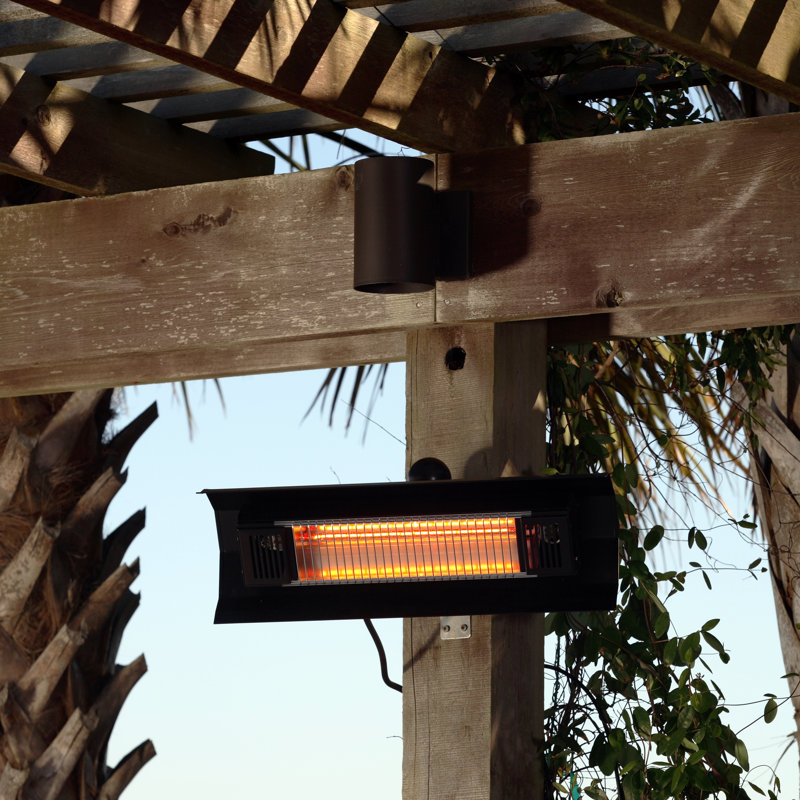
It’s getting chilly out there. You pull that heavy wool blanket tighter around your shoulders, glance at the thermometer, and realize it’s time to turn on the patio heater. It’s a simple act, right? Just flip a switch or twist a knob. But have you ever stopped to think about what’s actually happening behind that warm glow? We often treat these devices like magic boxes that just spit out comfort. But they aren’t magic. They are machines. And like any machine, they come with quirks, risks, and hidden dangers that don’t always make it into the glossy brochure.
Most people pick a heater based on looks or price. Maybe they go for the tall, sleek stainless steel tower because it matches the grill. Or perhaps they choose the electric infrared panel because it was on sale. Rarely does safety top the list until something goes wrong. And by then, it’s too late. In 2026, with more people than ever extending their outdoor living seasons, understanding the subtle but critical safety differences between propane and electric heat isn’t just smart—it’s essential. It’s about knowing which invisible threat you’re inviting onto your deck.
Let’s be honest. We all want to feel cozy. But we also want to wake up the next morning without a headache or a singed eyebrow. This isn’t about scaring you away from enjoying your backyard. It’s about giving you the knowledge to do it safely. Because when you understand the hidden mechanics of how these heaters work—and fail—you can make a choice that protects your family, your pets, and your home. So, let’s peel back the metal casing and look at what’s really going on.
The Invisible Threat: Carbon Monoxide and Combustion
Propane heaters are essentially controlled fires. That’s the first thing to remember. When you burn propane, you’re creating a chemical reaction that releases heat, water vapor, and yes, carbon monoxide (CO). Now, most modern propane patio heaters are designed to burn cleanly. They have oxygen depletion sensors (ODS) that shut the unit off if oxygen levels drop too low. It’s a great feature. But it’s not foolproof.
The danger lies in the "outdoor" part of "outdoor heater." What happens when you push that heater too close to a wall? Or use it in a screened-in porch with poor airflow? The CO doesn’t just vanish. It builds up. And because carbon monoxide is odorless and colorless, you won’t know it’s there until you start feeling dizzy, nauseous, or confused. By then, you’re already in trouble. I’ve talked to homeowners who thought their "well-ventilated" gazebo was safe, only to find themselves with mild CO poisoning after a long dinner party. It’s scary stuff.
Electric heaters, on the other hand, don’t burn anything. There’s no flame, no combustion, and zero carbon monoxide production. This is a massive safety win, especially for semi-enclosed spaces. If you have a covered patio with three walls and a roof, an electric heater is infinitely safer from a respiratory standpoint. You don’t have to worry about air flow in the same way. You can breathe easy, literally. But don’t let this make you complacent. Electric has its own set of hidden risks, which we’ll get to. But for pure air quality? Electric takes the crown.
Fire Hazards: Open Flames vs. Hot Surfaces
Let’s talk about fire. With propane, the risk is obvious. There’s a literal flame inside that unit. If the heater tips over, that flame can ignite nearby rugs, dry leaves, or even the wooden deck itself. Most quality propane heaters have a tip-over switch that cuts the gas supply if the unit falls. But switches can fail. Valves can stick. And human error is always a factor. Did you remember to turn it off? Did the wind blow a napkin into the burner? These are real scenarios.
Then there’s the issue of radiant heat. Propane heaters get hot. Really hot. The metal casing can reach temperatures that cause severe burns if touched. Kids and pets don’t always understand "hot." They see a shiny object and want to touch it. I’ve seen scars from accidental brushes against propane heater towers. It’s a visceral reminder that these things are dangerous if not respected. You need a safety perimeter. A three-foot rule is standard, but honestly? Give it more space if you can.
Electric heaters, particularly infrared ones, work differently. They don’t have an open flame. Instead, they heat up a quartz tube or a metal element. While they don’t pose the same risk of igniting a stray leaf, they still get incredibly hot. Touching an active electric heating element can cause instant burns. However, many modern electric models come with cool-touch exteriors or protective cages that make them safer for households with curious toddlers. The fire risk is lower, but the burn risk remains. It’s a trade-off. You’re swapping the chance of a structural fire for the risk of a contact burn. Which is worse? Depends on your setup.
Electrical Dangers: Water, Wiring, and Weather
Here’s where electric heaters get tricky. Electricity and water don’t mix. We all know that. But outdoors, water is everywhere. Rain, dew, snow, spilled drinks. If you’re using an electric heater, you’re running a high-wattage appliance in a damp environment. This requires serious attention to detail. You can’t just plug it into any old extension cord. You need a grounded outlet, preferably with a GFCI (Ground Fault Circuit Interrupter) breaker. If you don’t have one, install it. It’s cheap insurance against electrocution.
The hidden danger here is degradation. Over time, outdoor outlets corrode. Cords fray. Insulation cracks under UV exposure. A small crack in a cord can lead to a short circuit, especially if it rains. And unlike a propane leak, which you might smell (thanks to the added mercaptan), an electrical fault is silent until it sparks. Or shocks. I’ve heard stories of people getting a mild tingle when touching their heater during a drizzle. That’s not normal. That’s a warning sign. Ignore it, and you could be looking at a serious injury.
Propane doesn’t have this issue. No cords, no plugs, no risk of shock. But it has its own weather-related problems. Wind can blow out the pilot light or disrupt the flame, causing gas to escape unburned. Rain can rust the regulator or clog the burner ports. So while you don’t have to worry about electrocution with propane, you do have to worry about mechanical failure due to the elements. Both systems demand respect for the weather, but in very different ways. One shocks you; the other suffocates you. Pick your poison.
Stability and Portability: The Tip-Over Truth
We mentioned tip-over switches earlier, but let’s dig deeper. Propane heaters are top-heavy. They have a heavy tank at the bottom and a large burner assembly at the top. This makes them unstable on uneven ground. If your deck has a slight slope, or if you place it on soft grass, the risk of tipping increases significantly. And when a propane heater tips, it’s not just a nuisance. It’s a potential disaster. The valve might not shut off instantly. Gas could spray out. If the pilot light is still lit, you’ve got a jet of flame shooting across your patio.
Electric heaters are generally lighter and more compact. Many are wall-mounted or ceiling-mounted, which eliminates the tip-over risk entirely. If you’re using a portable electric stand, it’s usually much more stable because the weight distribution is better. There’s no heavy tank to throw off the center of gravity. This makes electric options much safer for windy days or crowded parties where someone might accidentally bump into the heater.
But portability comes with its own safety caveats. Moving a propane tank around is hazardous. Dropping a tank can damage the valve. Dragging a hose can cause leaks. Every time you disconnect and reconnect a propane tank, you’re introducing a point of failure. Electric heaters just need to be plugged in. Sure, you have to manage the cord, but you’re not handling pressurized fuel containers. For ease of safe movement, electric wins hands down. Less moving parts means less chance for human error.
Maintenance Neglect: The Silent Killer
Safety isn’t just about the initial setup. It’s about maintenance. And this is where most people fail. Propane heaters require regular cleaning. Spider webs love to build nests in burner tubes. It sounds weird, but it’s true. These webs can block the gas flow, causing the flame to burn improperly or even travel back into the heater body. This can cause the exterior to overheat and melt. I’ve seen melted plastic casings that looked like modern art. It’s a fire hazard waiting to happen. You need to inspect your propane heater before every season. Clean the tubes. Check the hoses for cracks. Test the ODS sensor.
Electric heaters seem low-maintenance. Plug it in and forget it, right? Wrong. Dust and debris can accumulate on the heating elements. This reduces efficiency and can cause hot spots. More importantly, you need to check the cord and plug for signs of wear. Look for discoloration on the outlet, which indicates arcing. Listen for buzzing sounds. These are signs of electrical failure. Because electric heaters are often left installed year-round, they suffer from constant exposure to the elements. Corrosion on connections can lead to resistance, heat, and eventually, fire.
The hidden difference here is visibility. With propane, you can often see if something is wrong. The flame looks yellow instead of blue. There’s a smell. With electric, the danger is internal. A frayed wire inside the housing is invisible until it fails. This makes regular professional inspection more critical for electric units than people realize. Don’t assume "set it and forget it" works for either. Neglect is the enemy of safety.
Times have changed. In 2026, local regulations regarding outdoor heating are stricter than ever. Many cities and homeowner associations (HOAs) have banned propane heaters on balconies or within certain distances of property lines. Why? Liability. Propane is considered a higher risk due to the potential for explosions and rapid fire spread. If you live in a dense urban area or a condo complex, you might not even have the option to use propane. Check your local codes. Ignorance isn’t an excuse if your neighbor’s fence catches fire.
Insurance companies are also paying attention. Some policies now exclude coverage for damages caused by unvented propane heaters. Others require proof of annual inspection. If you’re using a propane heater and haven’t maintained it, you could find yourself footing the bill for any accident. Electric heaters, being lower risk, rarely face these restrictions. They are often viewed as "appliances" rather than "fuel-burning devices," which simplifies the insurance landscape.
This regulatory shift isn’t just bureaucracy. It’s a reflection of real-world data. Fires caused by propane heaters are statistically more common and more severe than those caused by electric ones. As communities become denser and climate change increases fire risks in many regions, the tide is turning against open-flame heating. Understanding these rules isn’t just about compliance; it’s about recognizing that society is collectively deciding that propane’s risks are becoming too high for certain environments. Listen to that signal. It’s there for a reason.
So, where does this leave you? It’s not about declaring one heater the "winner." It’s about matching the tool to the task and the environment. If you have a wide-open backyard, good ventilation, and the discipline to maintain your equipment, propane offers powerful, mobile heat. But you must respect the flame. You must monitor the air. You must check the tanks.
If you have a covered patio, kids running around, or limited space, electric is the safer bet. It removes the risk of CO poisoning and open flames. But you must respect the electricity. You must protect the cords. You must guard against water. There is no such thing as a risk-free heater. There are only managed risks.
Take a look at your space. Be honest about your habits. Are you the type to forget to turn things off? Go electric. Do you host large parties in windy conditions? Maybe electric is better for stability. Do you need heat for a large, open area far from outlets? Propane might be your only choice, but invest in a high-quality unit with robust safety features.
Safety isn’t a feature you buy. It’s a practice you follow. Whether you choose the hiss of propane or the hum of electric, make sure you’re doing it with your eyes open. Keep your family warm, yes. But keep them safe first. That’s the only metric that truly matters.