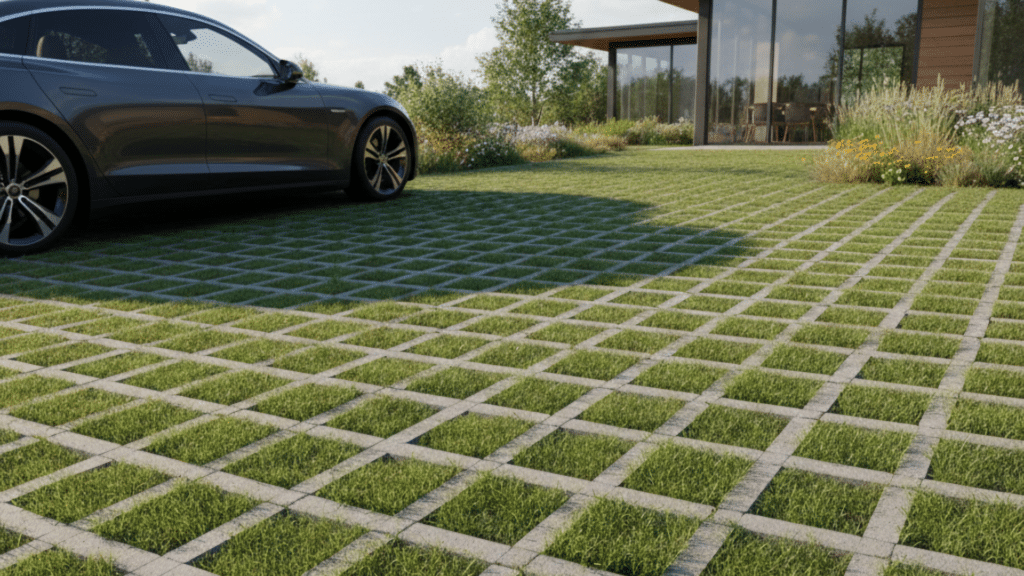
You know that feeling when you pull up to a house and it just… breathes? It’s not just the paint color or the front door. It’s the way the ground meets the sky. For years, we treated our driveways and walkways like concrete slabs—hard, cold, and unforgiving. But something shifted. Maybe it was the heat waves. Maybe it was just a collective desire for softness. Whatever the reason, the trend of mixing living greenery with structured stone has moved from niche landscape architecture to mainstream curb appeal essential.
It’s 2026, and the "perfect lawn" is no longer the goal. The goal is texture. It’s about breaking up the monotony of grey with bursts of life. Grass block pavers aren’t just for overflow parking at stadiums anymore. They’ve gotten a makeover. We’re talking sleek geometric lines, varied widths, and materials that look expensive but don’t break the bank. If you’re staring at your cracked asphalt driveway or that muddy patch by the side gate, this might be the sign you’ve been waiting for. Let’s dig in.
Why the Hybrid Approach Wins in 2026
Let’s be real for a second. Traditional lawns are high maintenance. You mow, you water, you fertilize, and if you miss a week, it looks like a savanna. On the flip side, solid concrete or asphalt turns your front yard into a heat island. In the summer months, those surfaces radiate heat back at your house, raising cooling costs and making the air feel stifling. Grass block pavers offer a middle ground that feels almost like cheating. You get the durability of hardscaping with the cooling, aesthetic benefits of softscaping.
The data backs this up too. Recent studies on urban heat islands show that permeable surfaces can lower ambient temperatures by several degrees compared to solid pavement. That’s not just good for the planet; it’s good for your comfort. When rain falls, instead of rushing into storm drains and carrying pollutants with it, the water seeps through the grass and soil between the pavers. This natural filtration system reduces runoff and helps recharge local groundwater. It’s functional beauty.
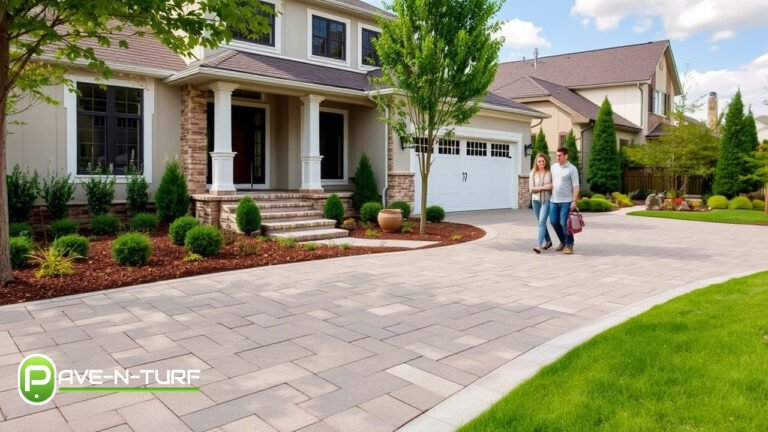
But beyond the eco-benefits, there’s the visual impact. A solid grey driveway can make a house look imposing. A driveway interspersed with green strips looks inviting. It softens the edges of your property. It creates a rhythm for the eye to follow. In 2026, homeowners are increasingly valuing properties that feel integrated with nature rather than dominating it. This hybrid approach signals that you care about design, but you also care about the environment. It’s a subtle flex that speaks volumes.
Choosing Your Pattern: Beyond the Basic Grid
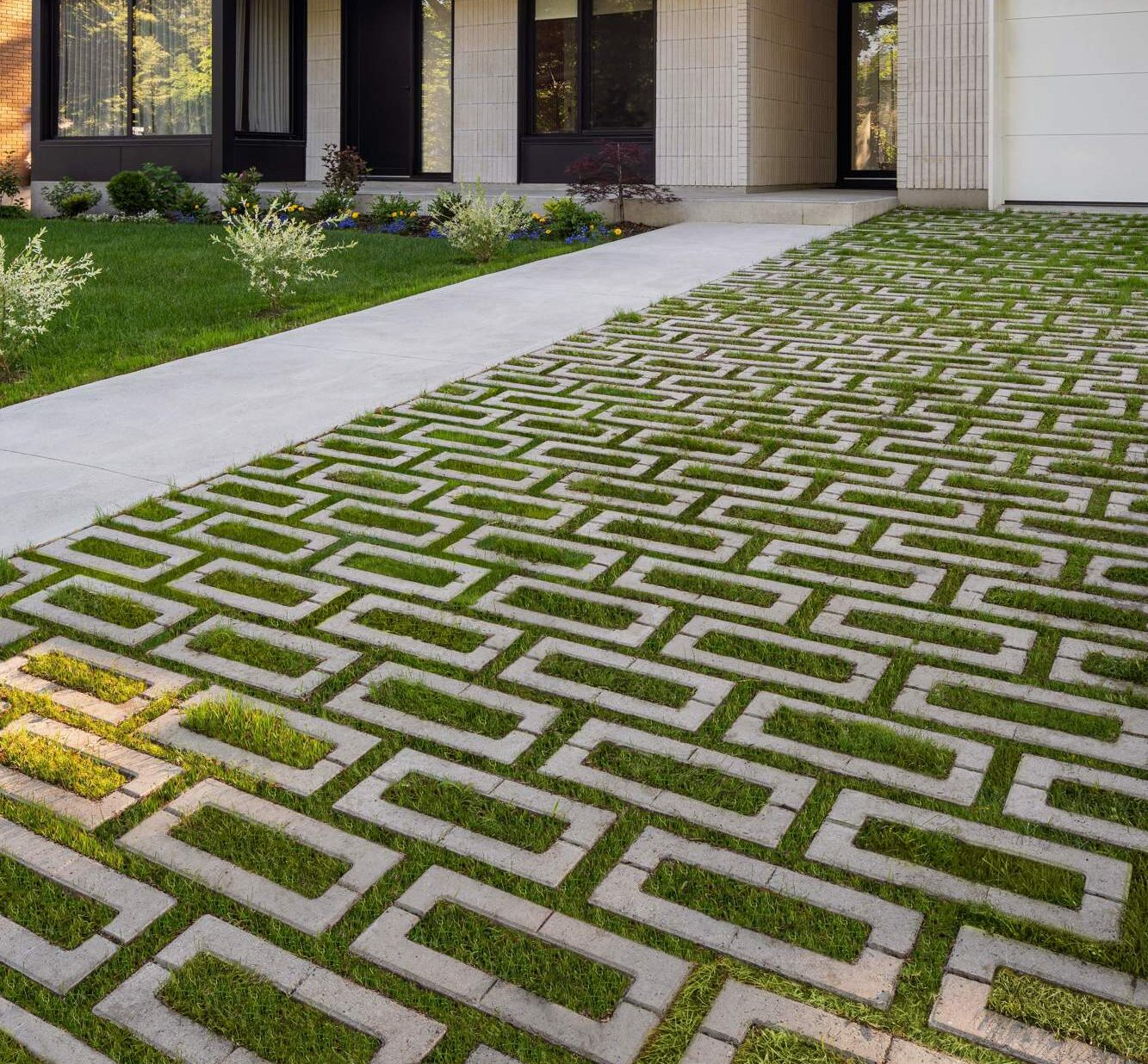
Gone are the days when grass pavers meant ugly, hollow plastic grids filled with dirt. Today, the options are sophisticated. The pattern you choose sets the tone for your entire exterior. The most popular choice right now is the modified running bond. It’s classic, but when you use wider pavers with narrower grass gaps, it feels contemporary. It draws the eye forward, making narrow driveways appear longer and more spacious.
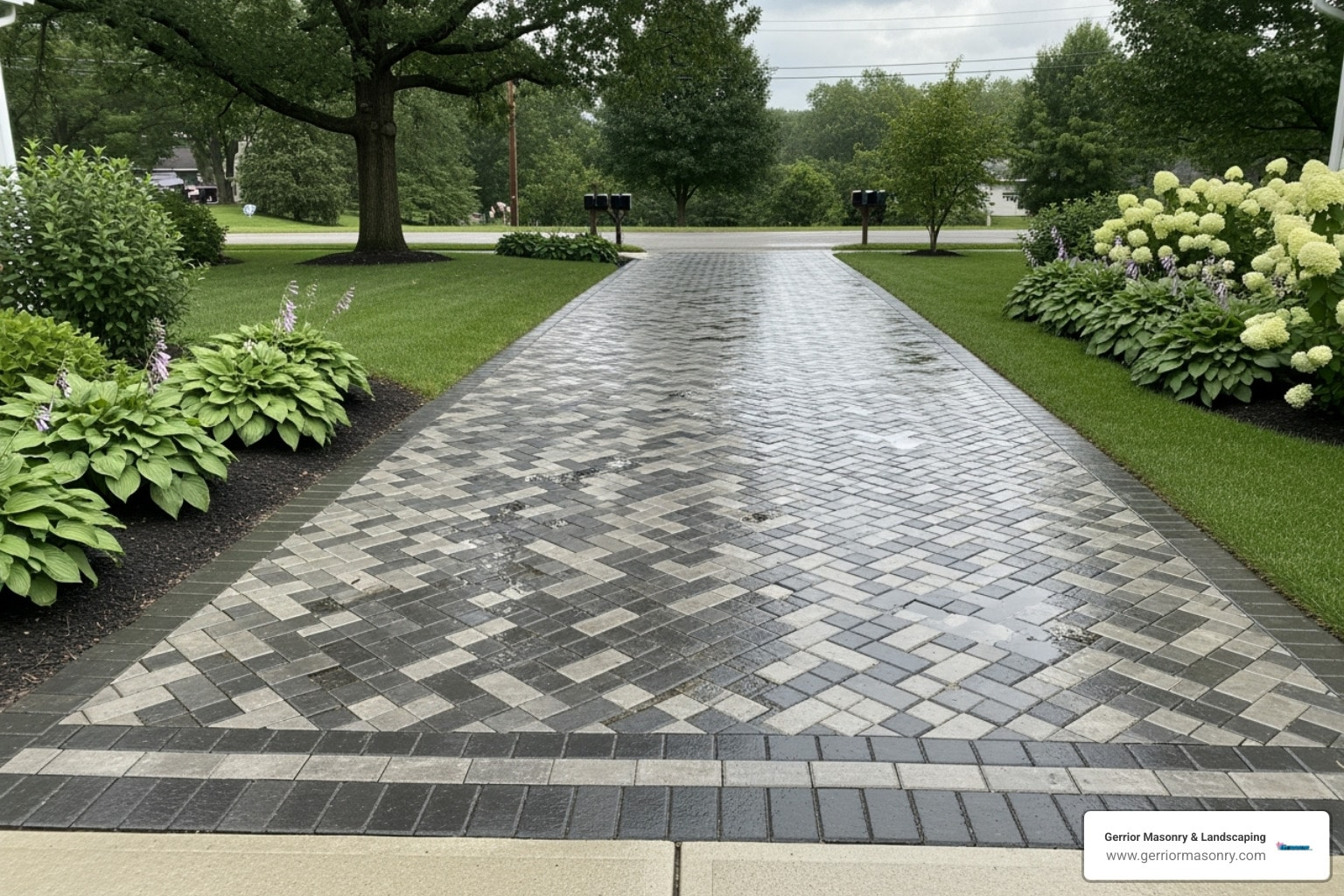
Then there’s the herringbone pattern. It’s timeless for a reason. The V-shape creates a sense of movement and strength. It’s ideal for areas that see a lot of traffic, like a main driveway, because the interlocking shapes distribute weight evenly. But here’s the twist for 2026: try using larger format pavers in a herringbone layout. Instead of small bricks, think big, rectangular slabs. The grass lines become bold graphic elements rather than just filler. It looks architectural. Intentional.
For a more relaxed, organic vibe, consider the ashlar or random rectangular pattern. This mixes different sizes of pavers together. It feels less rigid, more like a path you’d find in an old European garden. It’s perfect for walkways or secondary parking spots where you want a softer touch. Just remember, complexity costs more in labor. A simple grid is DIY-friendly. A complex ashlar pattern? You’ll likely want a pro to ensure the lines stay straight and the spacing is consistent. Don’t underestimate the power of a clean line.
Material Matters: Stone, Concrete, and Permeability
What are these blocks made of? That’s the next big question. Concrete is the workhorse here. It’s affordable, durable, and comes in endless colors. You can get concrete pavers that mimic the look of natural stone without the hefty price tag. Look for high-density concrete that resists cracking in freeze-thaw cycles. In colder climates, this is non-negotiable. Cheap concrete will spall and crumble after a few winters, leaving you with a jagged mess.
Natural stone, like granite or bluestone, offers unmatched elegance. Each piece is unique, with variations in color and texture that add depth. However, stone is porous. If you’re using it with grass, you need to ensure it’s sealed properly or chosen for its natural resistance to staining. Grass clippings and mud can stain light-colored stone if you aren’t careful. Also, stone is heavier and harder to cut, which again, points to professional installation for best results.
There’s also a rise in composite materials and recycled plastics that look like stone but are lighter and fully permeable. These are great for eco-conscious builds. They often come in modular systems that click together, making installation faster. But be wary of cheap plastics that fade or become brittle in UV light. Read the specs. Look for warranties. In 2026, sustainability isn’t just a buzzword; it’s a standard. Make sure your materials are sourced responsibly and built to last. You don’t want to replace your driveway in five years.
The Grass Factor: Selection and Maintenance
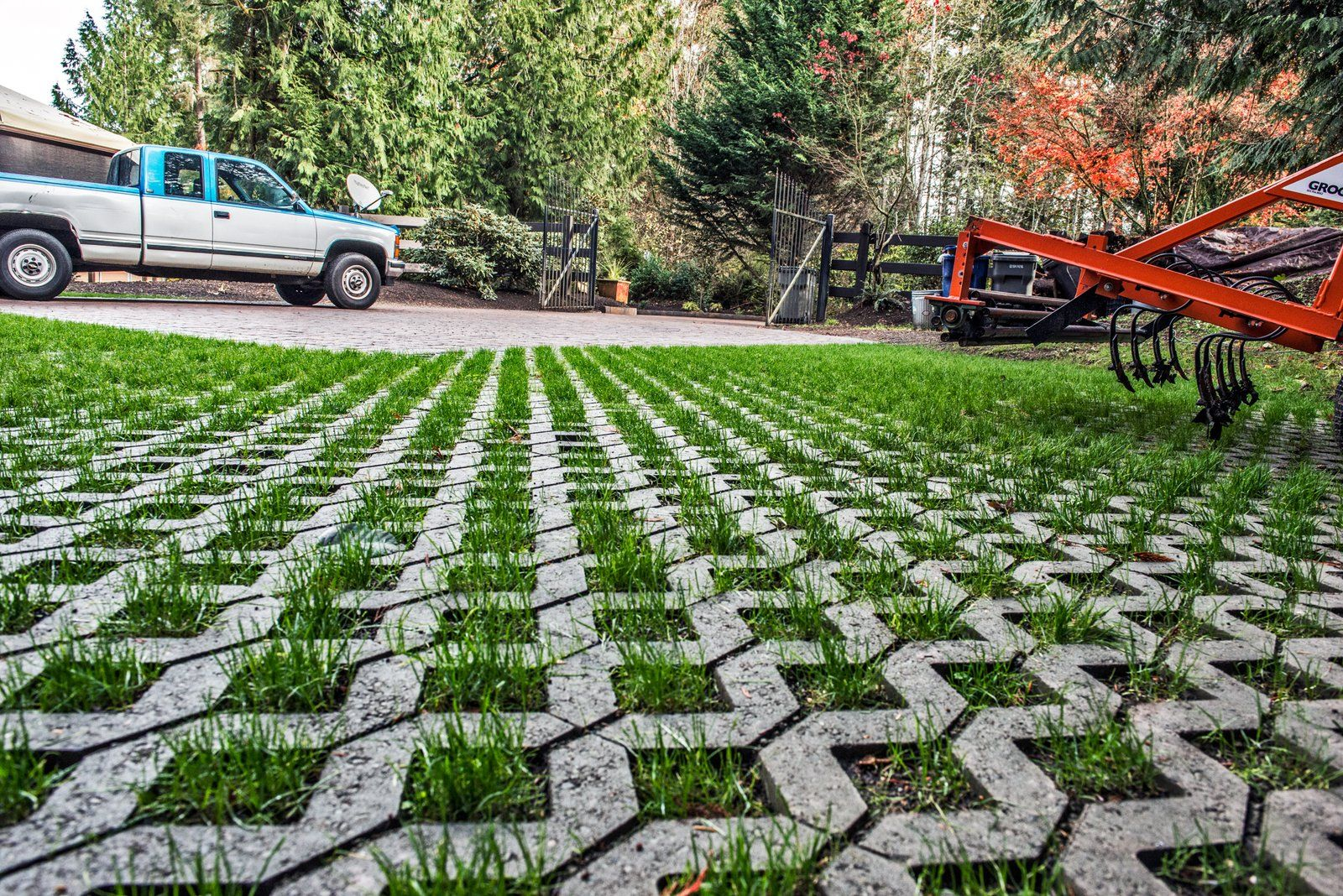
Here’s where many people stumble. They pick beautiful pavers and then throw down whatever grass seed was on sale. Big mistake. The grass between pavers lives a hard life. It gets stepped on. It gets hot. It competes for nutrients in a shallow soil layer. You need a tough grass. In cooler climates, fine fescues are excellent because they tolerate shade and low fertility. In warmer zones, look for drought-tolerant varieties like zoysia or buffalo grass. These spreads slowly and forms a dense mat that can handle foot traffic.
Preparation is key. You can’t just lay pavers on top of existing clay. You need a proper base. Usually, this means a layer of crushed stone for drainage, topped with a sandy soil mix that allows roots to penetrate but doesn’t wash away. The soil level should be slightly below the top of the paver. This protects the grass crowns from being crushed by tires or feet. If the soil is level with the paver, the grass will get mowed down every time you drive over it. Literally.
Maintenance isn’t zero, but it’s manageable. You’ll still need to mow, but you can raise the blade height. Let the grass grow a bit taller between the pavers; it looks lusher and is healthier. Watering is crucial during the first year as the roots establish. After that, most established grass-paver systems are surprisingly drought-resistant because the pavers shade the soil, reducing evaporation. Occasional weeding might be needed, but a dense, healthy lawn will choke out most invaders. Think of it as gardening, not chore.
Installation Insights: DIY vs. Professional Help
Can you do this yourself? Yes, but with caveats. A small walkway or a patio border is a great weekend project. The key is patience. Digging out the old surface is hard work. Leveling the base is harder. If your base isn’t perfectly flat and compacted, your pavers will shift and settle unevenly within months. You’ll have tripping hazards and puddles. For a small area, rent a plate compactor. Don’t try to tamp it down with your feet. It won’t work.
For a full driveway, hire a pro. The engineering requirements are different. Driveways need to support thousands of pounds. The base needs to be deeper, often 8-12 inches of compacted gravel. Edging is critical. Without strong concrete or metal edging, the pavers will spread outward like a accordion when cars turn. A professional installer knows how to lock the edges in place. They also know how to handle drainage slopes. Water should flow away from your garage, not into it.
If you do go the DIY route, start small. Test your skills on a garden path. Get a feel for cutting the pavers. Learn how to spread the sand or soil evenly. Take photos of your process. It helps to visualize the layout before you commit. And buy 10% more material than you think you need. Cuts happen. Mistakes happen. Having extra pavers ensures you can match the batch later if needed. Color variations between batches can be noticeable, so consistency is key.
Color contrast is your friend. If your house is dark brick, light grey pavers with vibrant green grass create a striking frame. If your siding is white or light, darker charcoal pavers can ground the space and add sophistication. Avoid matching the paver color exactly to your trim; it can look washed out. You want definition. Think of the driveway as a rug for your house. It should complement, not disappear.
Lighting plays a huge role too. Don’t wait until nightfall to think about illumination. Low-voltage LED lights tucked along the edges of the paver strips can highlight the texture of the grass and stone. Up-lighting nearby trees casts shadows across the pattern, adding drama. In 2026, smart lighting systems allow you to adjust brightness and color temperature from your phone. Warm white light (2700K-3000K) usually looks best on natural materials. Cool white can make stone look sterile.
Finally, integrate planting beds. Don’t let the pavers float in isolation. Border them with native shrubs, ornamental grasses, or perennials. This softens the transition from hardscape to lawn. It creates layers. A row of lavender or boxwood along the edge of a grass-paver driveway adds scent and structure. It makes the whole entrance feel curated. Remember, curb appeal is about the whole picture. The pavers are the stage, but the plants are the actors. Give them both room to shine.
So, where does this leave us? Transforming your curb appeal with grass block pavers isn’t just about following a trend. It’s about creating a space that feels good to live in. It’s cooler, greener, and more interesting than a slab of concrete. It invites connection. Whether you choose a bold herringbone drive or a subtle walking path, the combination of stone and grass brings balance. It’s a reminder that our homes don’t have to choose between function and nature. We can have both.
Start with a plan. Look at your space. Where do you want the eye to go? What problems are you trying to solve? Is it drainage? Heat? Boredom? Once you know the why, the how becomes clearer. Pick materials that suit your climate. Choose grass that can take a hit. And don’t be afraid to mix things up. The best designs often break the rules a little. They reflect the personality of the people who live there.
In the end, your home’s exterior is the first handshake. Make it firm, warm, and memorable. With modern grass block pavers, you’re not just paving a surface. You’re planting a foundation for a healthier, more beautiful home. And honestly? That’s worth the effort.