Ever stared at a blank wall and thought it looked a bit… lonely? You aren’t alone. In 2026, more of us are living in compact spaces than ever before. Apartments are shrinking. Patios are getting cozy. But our desire for nature? That hasn’t changed one bit. If anything, it’s grown stronger. We crave that touch of green, the smell of damp earth, the sight of a leaf unfurling. The problem is, we usually look down for garden space. We forget to look up.
Turning a vertical surface into a thriving ecosystem isn’t just for wealthy homeowners with dedicated landscaping teams. It’s for anyone with a hammer, some wood, or even just a few hooks. It’s about reclaiming space. It’s about making your home breathe. Whether you have a tiny balcony in the city or a sunny corner in your kitchen, going vertical is the smartest move you can make. It turns dead space into life. And honestly? It’s easier than you think.
Why Go Vertical? More Than Just Saving Space
Let’s be real. Space is premium currency these days. But vertical gardening isn’t just about squeezing more plants into a shoebox apartment. It’s about changing how you interact with your environment. When you grow up instead of out, you create a backdrop. A living piece of art that changes with the seasons. Research from recent studies in urban planning shows that green walls can lower ambient temperatures by several degrees. That’s huge for hot summer days. It acts like natural insulation for your home, keeping things cooler without cranking up the AC.
Then there’s the mental aspect. We all know plants make us feel better. But having them at eye level? That’s different. You don’t have to bend over to weed or water. They are right there, greeting you when you walk in the door. It reduces stress. It improves air quality, filtering out those nasty volatile organic compounds (VOCs) that linger in modern homes. Think of it as a lung for your room. Plus, it adds texture. A bare drywall sheet is boring. A wall covered in trailing pothos or vibrant basil? That has soul. It makes a house feel like a home.
And let’s not forget the yield. If you love cooking, a vertical herb garden is a game changer. Imagine snipping fresh thyme or mint right while you’re chopping veggies. No more wilted bunches from the grocery store that go bad in two days. You get freshness on demand. It’s practical, beautiful, and surprisingly efficient. You are maximizing every square inch of your footprint. It’s smart living.
Choosing the Right Structure for Your Space
Before you buy a single pot, you need to look at your wall. Not all walls are created equal. Is it indoors or out? Does it get blazing sun or deep shade? This dictates everything. For beginners, simplicity is key. You don’t need a complex hydroponic system with pumps and timers. Start with static structures. Wooden pallets are a classic choice. They are cheap, often free, and easy to modify. Just sand them down, add a landscape fabric backing to hold the soil, and screw in some hooks for pots. It’s rustic and charming.
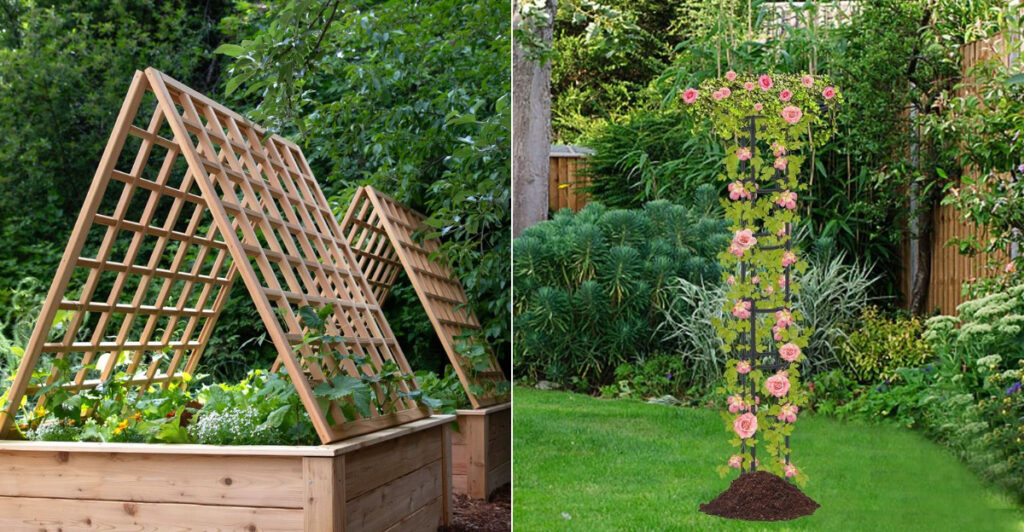
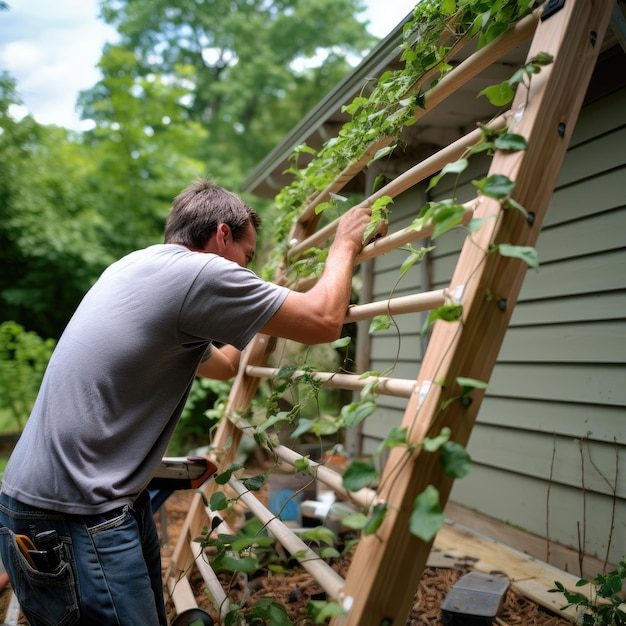
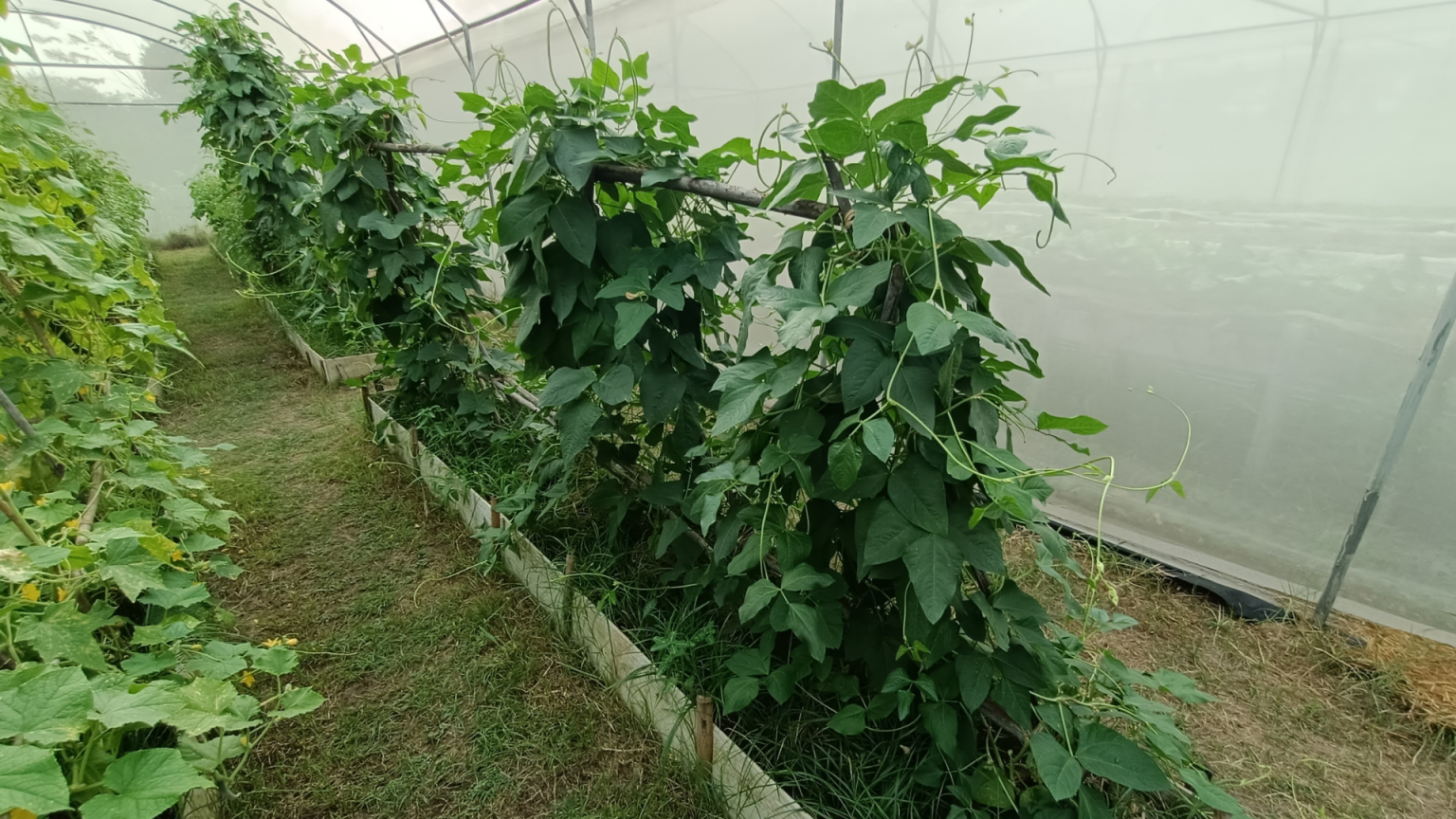
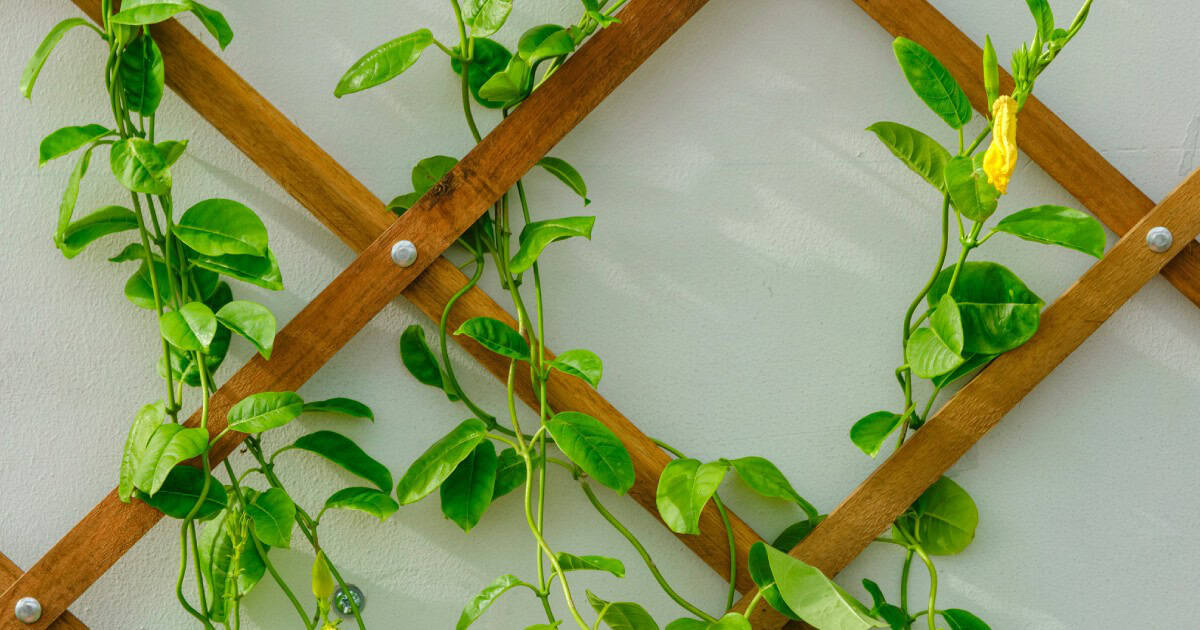
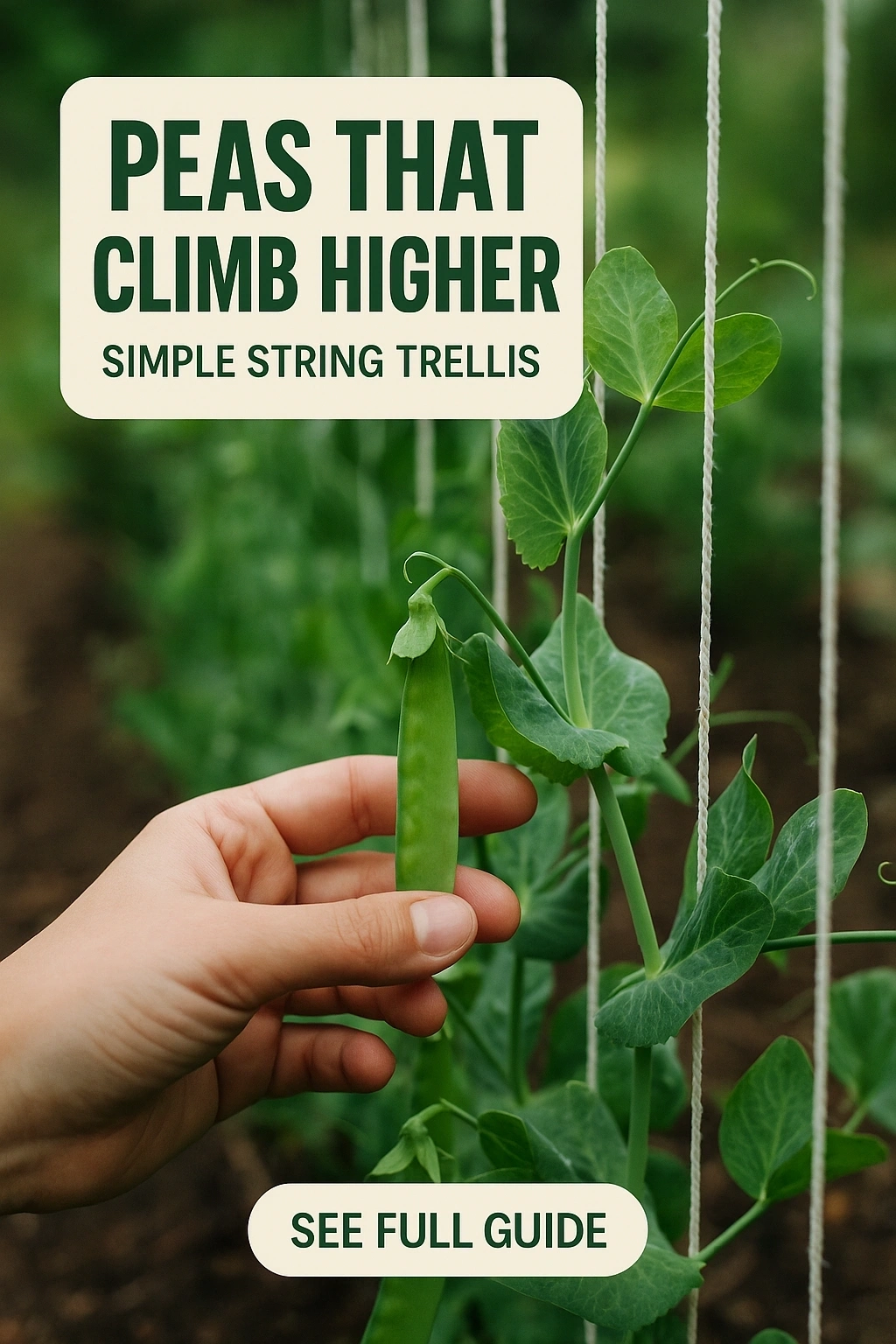
If you want something sleeker, consider a trellis system. A simple grid of wood or metal attached to the wall allows climbing plants to do the work. Ivy, jasmine, or even peas can scale these structures. It creates a dense green curtain without heavy containers. For indoor spaces, floating shelves are your best friend. Stagger them at different heights. Use uniform pots for a clean look, or mix ceramics for an eclectic vibe. The key is stability. Make sure whatever you hang can handle the weight of wet soil. Wet dirt is heavy. Really heavy.
Another popular option in 2026 is the pocket planter. These are fabric or felt bags with individual pockets for plants. They hang like a shoe organizer but look much chicier. They are lightweight and great for herbs or strawberries. You can find them pre-made or sew your own if you’re handy with a needle. The benefit here is modularity. If one plant dies, you just replace that pocket. You don’t have to redo the whole wall. It’s low commitment and high reward. Choose the structure that fits your aesthetic and your skill level. Don’t overcomplicate it.
Picking Plants That Actually Thrive Vertically
Here is where most people mess up. They pick plants because they look pretty in the store, not because they suit the environment. Vertical gardens have unique microclimates. The top dries out faster. The bottom stays wetter. Wind hits the outer leaves harder. You need tough customers. For sunny outdoor walls, succulents are kings. Sedums and echeverias store water in their leaves, so they forgive you if you forget to water for a few days. Herbs like rosemary and thyme also love the sun and good drainage. They smell amazing too.
For shadier spots, think foliage. Ferns love moisture and indirect light. They spill over edges beautifully, softening the hard lines of your structure. Pothos and philodendrons are nearly indestructible indoors. They trail down, creating that lush, jungle feel everyone wants. If you want flowers, impatiens or begonias handle shade well. But remember, flowering plants are hungry. They need more food and water than leafy greens. Be prepared to feed them regularly.
Don’t ignore the roots. In a vertical setup, root space is limited. You can’t just shove a massive tomato plant into a tiny pocket. It will struggle. Stick to plants with shallow root systems. Lettuce, spinach, and arugula are great for edible walls. They grow fast and don’t need deep soil. Mix textures. Combine spiky grasses with soft, round leaves. Contrast dark green with variegated white or purple. It keeps the eye moving. It makes the wall interesting even when nothing is blooming. Diversity is strength in a garden.
The Nitty-Gritty of Soil and Watering
Soil in a vertical garden is not the same as soil in the ground. You can’t just dig up dirt from your yard. It’s too heavy and compacts too much, suffocating the roots. You need a lightweight potting mix. Look for blends with perlite or vermiculite. These white specks keep the soil airy and help with drainage. Some people mix in coconut coir to retain moisture without the weight. It’s a balancing act. You want it to hold enough water to keep plants happy, but drain fast enough so roots don’t rot.
Watering is the biggest challenge. Gravity is not your friend here. Water flows down. The top plants get dry, and the bottom ones get soggy. Drip irrigation systems are worth the investment. A simple timer-connected hose with emitters for each pot saves hours of hassle. It ensures consistent moisture. If you’re doing it manually, water slowly. Let the water soak in before adding more. Check the bottom pots frequently. If they are sitting in water, empty the saucers. Root rot is silent and deadly.
In 2026, self-watering containers are more accessible than ever. These have reservoirs at the bottom that wick water up to the soil. They are fantastic for vertical setups because they regulate moisture levels automatically. If you travel often, these are a lifesaver. Also, consider the material of your pots. Terracotta breathes but dries out fast. Plastic holds moisture but can look cheap. Glazed ceramic is a nice middle ground. Choose what works for your watering habits. Be honest with yourself. If you forget to water, get self-watering pots. No shame in that.
Maintenance: Keeping Your Wall Alive and Kicking
A living wall isn’t a "set it and forget it" project. It needs love. Regular pruning is essential. Plants grow. They get leggy. They crowd each other out. Snip back overgrown stems to encourage bushier growth. Remove dead leaves immediately. They attract pests and look messy. It’s like giving your garden a haircut. It keeps it tidy and healthy. Spend ten minutes a week checking on your plants. It’s meditative. You’ll notice issues early, like yellowing leaves or bug bites, before they become disasters.
Feeding is another key part. Since you are washing nutrients out every time you water, the soil gets depleted fast. Use a liquid fertilizer every two weeks during the growing season. Seaweed extract is a gentle, organic option that plants love. It boosts immunity and growth. Don’t overdo it. Too much fertilizer burns roots. Less is more. In winter, slow down. Plants rest. They don’t need as much food or water. Adjust your routine with the seasons. Listen to your plants. They tell you what they need.
Pests happen. Aphids, spider mites, mealybugs. They love crowded vertical gardens. Inspect the undersides of leaves. If you see bugs, blast them off with water first. If that doesn’t work, use neem oil or insecticidal soap. Avoid harsh chemicals. You want your garden to be safe, especially if you’re growing edibles. Encourage beneficial insects if you’re outdoors. Ladybugs eat aphids. It’s natural pest control. Keep the air circulating. Stagnant air invites fungus. A small fan indoors can help. Outdoors, spacing plants properly helps. Prevention is easier than cure.
Even with the best plans, things go wrong. Plants die. Structures sag. Don’t panic. It’s part of the process. One common issue is uneven growth. Some plants thrive, others stall. This is usually due to light or water inconsistency. Rotate your pots if possible. Move struggling plants to better spots. Swap them out. There’s no rule saying a plant has to stay in one place forever. Experiment. If a fern is crisping up, it’s too dry or sunny. Move it down or to a shadier spot. If succulents are stretching, they need more light.
Structural failures are scary but fixable. If a shelf sags, reinforce it. Add brackets. Use stronger anchors. Check your hardware every few months. Rust happens, especially outdoors. Replace rusty screws. Tighten loose bolts. Safety first. You don’t want a pot falling on someone’s head. If you’re using fabric pockets, check for tears. UV rays degrade fabric over time. Replace worn-out panels. It’s maintenance, not failure. Everything wears out eventually.
Another issue is algae or mold on the soil surface. It looks ugly and can harm plants. It means the soil is too wet or lacks airflow. Scrape off the top layer of soil. Replace it with fresh mix. Reduce watering frequency. Add more perlite. Sometimes, the problem is the plant choice. Maybe that tropical plant just hates your drafty hallway. Accept it. Try something else. Gardening is trial and error. Every mistake teaches you something. Don’t be afraid to kill a few plants. It’s how you learn. By 2026, online communities are full of people sharing their failures and fixes. Use them. You’re not alone in this.
So, where does this leave you? With a blank wall and a lot of potential. Vertical gardening is more than a trend. It’s a way to reconnect with nature in our increasingly urban lives. It’s about creativity. It’s about resilience. You don’t need a green thumb. You just need curiosity and a little patience. Start small. Hang one shelf. Plant one herb. See how it goes. Then expand. Build your sanctuary brick by brick, leaf by leaf.
The beauty of a living wall is that it’s never finished. It’s always evolving. New leaves sprout. Old ones fall. Flowers bloom and fade. It mirrors life itself. It reminds us to slow down. To notice the small changes. To care for something outside ourselves. In a world that moves fast, your vertical garden is a quiet anchor. It brings peace. It brings beauty. And it fits right there on your wall, waiting for you to start. So grab those tools. Get your hands dirty. Grow up.