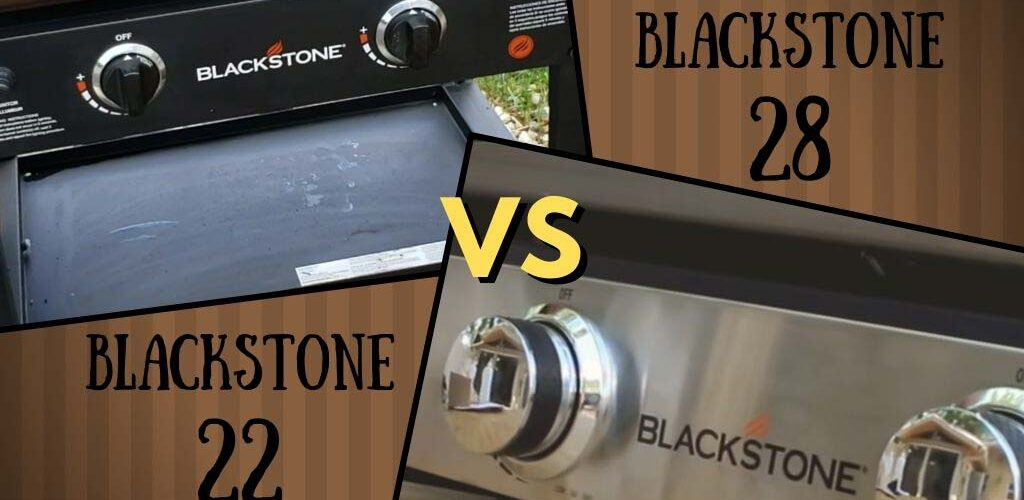
It’s a debate that heats up backyard patios every summer. You’ve got your friends over, the charcoal is glowing, or maybe the propane tank is hissing softly. But then you look at your neighbor’s setup. They aren’t flipping burgers over open flames. They’re scraping a massive, flat steel surface with a metal spatula, tossing fried rice, smashing burgers, and searing scallops all at once. It looks less like camping and more like a diner kitchen moved outdoors. So, what’s the actual deal? Is one better than the other? Or are they just different tools for different jobs?
If you’ve been scratching your head trying to figure out if you need a Blackstone (which is basically a brand name that’s become synonymous with outdoor flat-tops) or a classic gas or charcoal grill, you’re not alone. In 2026, the outdoor cooking market is more crowded than ever. People want versatility. They want speed. And they definitely want food that tastes amazing. But choosing the wrong rig can lead to frustration, wasted money, and mediocre meals. Let’s cut through the noise and look at what really separates these two heavyweights.
The Surface Matters More Than You Think
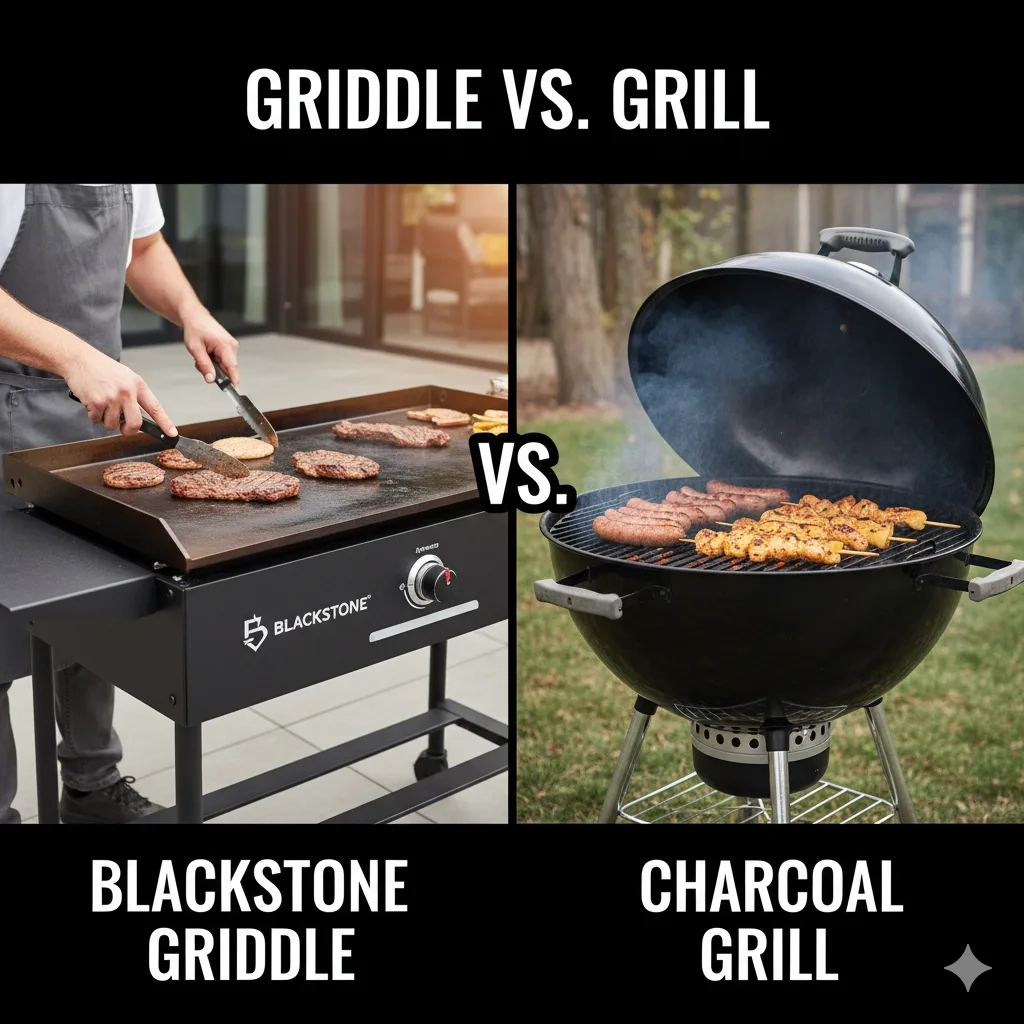
The biggest difference isn’t the fuel source, though that plays a part. It’s the surface itself. A traditional grill uses grates. These are metal bars with gaps in between them. When you put a steak on there, the heat comes from below, charring the meat where it touches the metal and letting the flames lick at the rest. This creates those iconic grill marks and allows fat to drip away, often causing flare-ups that add a smoky, charred flavor. It’s primal. It’s direct.
A Blackstone griddle, on the other hand, is a solid sheet of cold-rolled steel. Think of it as a gigantic frying pan that sits outside. There are no holes. No gaps. Nothing falls through. This changes everything about how you cook. Because the surface is solid, you retain all the juices, oils, and fats. Instead of dripping into the fire, that butter stays on the plate, mixing with the savory bits of food. It’s a completely different chemical reaction. You’re getting a Maillard reaction across the entire bottom of the food, not just in stripes. It’s uniform browning. And for things like pancakes, eggs, or chopped veggies, that consistency is king.
This distinction dictates what you can actually cook. On a grill, if you try to make scrambled eggs, they’ll fall into the fire. On a griddle, you can make a breakfast feast for ten people without breaking a sweat. The flat top acts like a massive skillet, allowing for techniques that are impossible on grates. You can smash burgers thin so they get crispy edges. You can stir-fry rice. You can melt cheese directly onto the surface. It’s about contact. The more surface area touching the heat, the faster and more evenly it cooks.
Flavor Profiles: Smoke vs. Sear
Let’s talk taste, because that’s why we do this, right? A traditional grill is the master of smoke. Whether you’re using charcoal, wood pellets, or even gas with smoker boxes, the goal is often to infuse the food with that distinct, outdoorsy, charred essence. The fat dripping onto the hot coals or heat tents vaporizes and rises back up through the food. This is called convective heating mixed with radiant heat. It gives you that "grilled" flavor that reminds people of summer camps and backyard parties. It’s bold. It’s aggressive.
A griddle offers a different kind of deliciousness. It’s all about the sear and the retention of natural flavors. Since nothing drips away, the food cooks in its own juices. If you’re cooking onions, they caramelize in their own sugar and whatever oil or butter you added. If you’re cooking steak, it’s essentially pan-seared but on a much larger scale. The flavor is richer, heavier, and often more savory because you aren’t losing any of the rendered fat. It’s closer to what you’d get in a high-end steakhouse kitchen than a campfire.
However, don’t think you can’t get smoke on a griddle. You absolutely can. Many people in 2026 are adding wood chips in small trays on the side of their griddles or using smoked oils. But it’s not the default. The default on a Blackstone is pure, unadulterated sear. It’s the taste of crispiness. Think about the edge of a grilled cheese sandwich. That’s the vibe. On a traditional grill, you’re looking for the taste of the fire. On a griddle, you’re tasting the food itself, amplified by high heat and fat. Neither is better, but they satisfy different cravings.
Heat Control and Cooking Versatility
One of the hardest things to master on a traditional grill is zone cooking. Sure, you can set up a two-zone fire with coals on one side and none on the other. But with gas grills, the heat distribution can be uneven, especially in cheaper models. Hot spots are common. You might burn your sausages on the left while the chicken on the right is still raw. It requires constant vigilance and moving food around. It’s an active form of cooking. You have to manage the flame.
Griddles offer incredible precision. Most Blackstone models have multiple burners underneath the steel top, allowing you to create distinct temperature zones with ease. You can have one corner blazing hot for searing steaks, the middle at medium for burgers, and the far side on low for keeping pancakes warm. Because the steel distributes heat laterally, the transitions between zones are smoother than on grill grates. This makes it easier to cook a full meal at once. You can cook your bacon, then use the bacon grease to cook your eggs, all while your toast warms on the side.
This versatility extends to the types of cuisine you can tackle. A traditional grill is great for American classics: burgers, hot dogs, steaks, chicken pieces, and corn on the cob. It struggles with anything small, delicate, or liquid-based. A griddle, however, is a global citizen. You can make hibachi-style fried rice. You can cook fajitas with peppers and onions right alongside the meat. You can make quesadillas, flatbreads, or even stir-fries. It bridges the gap between indoor stovetop cooking and outdoor grilling. If you love experimenting with different recipes, the griddle opens up a wider playbook.
Cleanup and Maintenance Reality
Let’s be honest: nobody likes cleaning up after cooking. This is where the two options diverge sharply. Cleaning a traditional grill involves scrubbing grates. Over time, those grates accumulate carbon buildup, grease, and food particles. You need a good wire brush, some grill cleaner, and elbow grease. If you let it go, it becomes a nightmare. Rust is also a constant enemy, especially if you live in a humid climate. You have to oil the grates regularly to keep them seasoned and protected. It’s a chore that many people dread, leading to dirty grills that affect the taste of future meals.
Griddle maintenance is different. It’s not necessarily easier, but it’s faster if you do it right. The key is seasoning. Just like a cast-iron skillet, a Blackstone needs to be coated with a thin layer of oil after every use. This creates a non-stick surface and prevents rust. The cleaning process usually involves scraping off the food debris with a metal scraper while the surface is still warm, wiping it down with paper towels, and applying a fresh coat of oil. It takes five minutes. If you skip the oiling, though, you will get rust. Fast. And removing rust from a large flat top is much harder than scrubbing a grate.
So, which is worse? It depends on your habits. If you’re the type who forgets to oil things, a griddle will ruin your life. It will rust out in a season. If you’re disciplined, it’s a breeze. Grills are more forgiving of neglect in the short term, but long-term neglect leads to nasty buildup that’s hard to remove. In 2026, many newer griddle models come with covers and easier grease management systems, making the cleanup slightly less messy. But remember: grease traps on griddles need emptying too. It’s not magic. It’s just a different kind of work.
Space, Portability, and Setup
Where are you going to put this thing? Traditional grills, especially the nice gas ones, are bulky. They have lids, side tables, and often stand tall. They take up vertical space. Charcoal kettles are smaller but still require clearance for the lid to open. They are designed to stay in one spot on a patio or deck. Moving them around is a two-person job. If you have a small balcony or a tiny yard, a large Weber or Traeger might feel overwhelming.
Blackstone griddles, particularly the tailgating or tabletop models, are surprisingly portable. Even the larger 36-inch models are lower to the ground and often have folding legs. They pack flatter. This makes them popular for camping, tailgating, and beach trips. You can slide them into the back of a truck or SUV more easily than a bulky grill with a dome lid. However, they lack a lid (unless you buy a separate accessory), which means they are exposed to the elements when not in use. You absolutely need a high-quality cover. Wind is also a bigger issue. Since the heat source is open, a breezy day can cool down your griddle significantly, whereas a grill lid blocks the wind.
Consider your storage situation. If you live in an apartment with limited balcony space, a compact griddle might be the only option that fits. But if you have a large deck and host big parties, a large gas grill might offer more total cooking volume, especially if you use the upper warming racks. Griddles rely on surface area. If you run out of space on the flat top, you’re done. Grills can stack food vertically to some extent. Think about how you entertain. Do you cook for a crowd all at once? Or do you cook in batches? The physical footprint matters just as much as the cooking power.
Money talks. In 2026, prices for both grills and griddles have stabilized after the pandemic spikes, but they vary wildly. You can get a decent basic charcoal grill for under $100. A high-end gas grill can run you $2,000 or more. Blackstone griddles sit in a interesting middle ground. A solid 28-inch or 36-inch griddle often costs between $300 and $500. For that price, you get a lot of cooking surface. Compared to a gas grill of similar size and build quality, the griddle is often cheaper. You’re paying for steel and burners, not complex lid mechanisms, rotisseries, or smart tech features.
But value isn’t just about the sticker price. It’s about what you get out of it. If you only cook burgers and steaks twice a month, a cheap grill might be enough. But if you love cooking breakfast, lunch, and dinner outside, the griddle pays for itself quickly. It replaces your indoor skillet, your frying pan, and your griddle pan. It encourages you to cook outside more often because it’s so versatile. On the flip side, high-end grills hold their resale value well if they are from reputable brands. Griddles tend to depreciate faster because they are seen as more utilitarian.
Also, consider fuel costs. Propane is used by both, so that’s a wash. But charcoal is an ongoing expense for traditionalists. Griddles are almost always gas-powered (propane or natural gas). If you’re looking at long-term operating costs, gas is generally cheaper and more convenient than buying bags of charcoal. However, if you already have a natural gas line hooked up for a grill, converting a griddle might require extra parts. Weigh the initial investment against how often you’ll use it. A tool you use every weekend is worth more than a luxury item that sits covered for months.
Choosing between a Blackstone griddle and a traditional grill isn’t about finding the "best" one. It’s about finding the best one for you. If you crave that smoky, charred flavor and love the ritual of tending to a fire, stick with the grill. It’s timeless. If you want versatility, speed, and the ability to cook everything from pancakes to stir-fry with ease, the griddle is your new best friend. Many serious outdoor cooks in 2026 actually end up with both. They use the grill for weekends and big meats, and the griddle for quick weeknight dinners and breakfasts.
Don’t feel pressured to pick a side. Think about what you actually eat. Think about how much time you want to spend cleaning. Think about your space. Both options offer a way to bring people together around food. And at the end of the day, that’s what it’s all about. Whether you’re scraping hash browns off a flat top or flipping ribs over glowing coals, you’re creating memories. So, fire it up. Get cooking. And don’t worry too much about the perfect choice. The food will taste good either way.