Ever walk up to your workbench, ready to build something awesome, and immediately feel your energy drain right out of your body. You look at the pile of random screws, half-finished projects, and tangled wires, and you just turn around and walk away. We’ve all been there. Clutter has this sneaky way of stealing our motivation before we even pick up a tool.
Workbench chaos is practically a rite of passage for makers, hobbyists and creators. But here we are in 2026, and it is finally time to stop fighting your own workspace and start working with it. Transforming that messy table isn’t about achieving some impossible, sterile showroom look. It is about creating a flow where your hands can find what they need without your brain having to stress out.
The Great Clear-Out
Before you can build an efficient zone, you have to wipe the slate clean. Take everything off the surface. Yes, all of it. Put it on the floor or a separate table if you have to. Looking at an empty workbench for the first time in years can feel a little weird, maybe even a bit scary. Trust the process.
Once the surface is bare, give it a good wipe down. Dust and old glue drips have a way of making a space feel neglected. Now look at the pile of stuff you removed. Sort items into basic buckets like keep, donate, and trash. Be honest with yourself about those broken gadgets you swore you would fix back in 2024. If you haven’t touched it by now, it is time to let it go.
Zone Your Tools
Not all tools belong in the same place. The secret to a smooth workflow is grouping items by how often you actually use them. Your daily drivers should be within arm’s reach, while specialized gear can live a little further away.
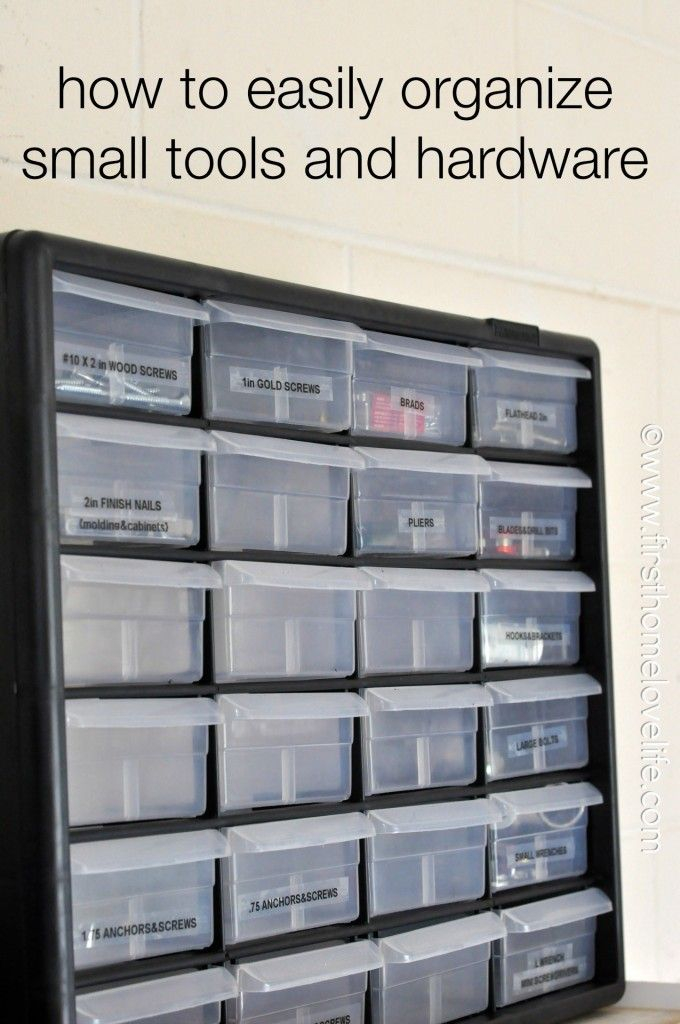
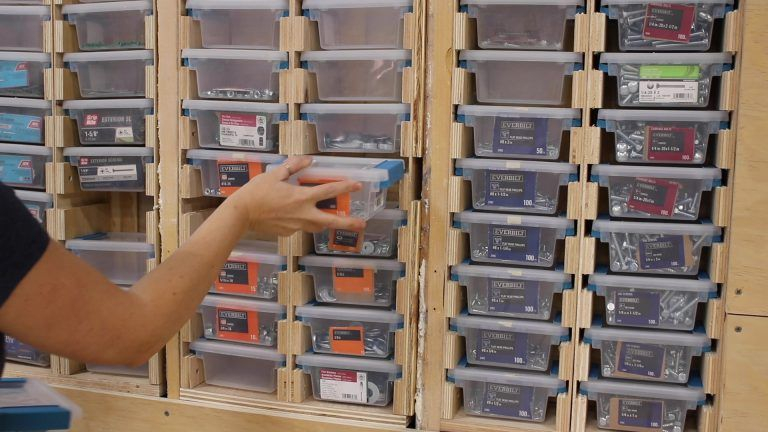
Think about what you reach for during a typical project. If you are always grabbing pliers or a specific screwdriver, give those items prime real estate right in front of you. Everything else can find a home in drawers or on nearby shelves. Keeping your most-trusted implements close saves you from doing that annoying reach-and-search dance mid-project.
Vertical Inspiration
Floor space and table space are precious. When you run out of room horizontally, you need to look up. Walls are massive canvases for storage waiting to happen. Pegboards remain the absolute gold standard for a reason. They let you see everything at a glance and keep surfaces totally clear.
You can also use magnetic strips for metal tools like drill bits, scissors and chisels. Shelves placed just above eye level hold boxes and jars without crowding your elbow room. Going vertical keeps your tools accessible while leaving your actual work area wide open for whatever you are building today.
Taming the Cable Monster
Nothing ruins a creative vibe faster than a rat’s nest of cords. Power strips get knocked over, chargers go missing, and you spend ten minutes just trying to plug in a soldering iron. Cable management sounds boring, but it changes everything.
Use simple velcro ties or binder clips attached to the edge of your desk to keep cords in line. Route your power cables behind the bench so they aren’t draped across your workspace. Label your plugs too. When you know exactly which cord goes to which device, you save yourself endless frustration.
Lighting the Way
You can’t build or create what you can’t see clearly. Overhead room lighting is rarely enough for detailed workbench tasks. Shadows creep in right where you need the most clarity, straining your eyes and leading to sloppy mistakes.
Add a dedicated task light with an adjustable arm so you can direct illumination right onto your workpiece. Look for LED bulbs that mimic natural daylight if possible. Good lighting doesn’t just help you see better, it signals to your brain that it is time to focus and create.
Getting your bench clean is one thing, but keeping it that way is the real challenge. Clutter creeps back in slowly. One day it’s a single stray pencil, and the next week your entire table is buried under a mountain of scraps.
Build a five-minute reset into the end of every creative session. Put your tools back where they belong, toss the trash, and wipe down the surface before you walk away. Your future self will thank you every single time you walk up to a clean, ready-and-waiting workbench.
A tidy workspace isn’t about being neat for the sake of it. It is about clearing away the friction that stands between you and your ideas. When your tools have a home and your table has breathing room, creativity flows a whole lot easier.
Take a look at your own setup today. Pick just one corner to tackle first. You don’t have to fix the whole thing in a single afternoon. Just take a small step, clear out the noise, and give your creativity the room it deserves to grow.