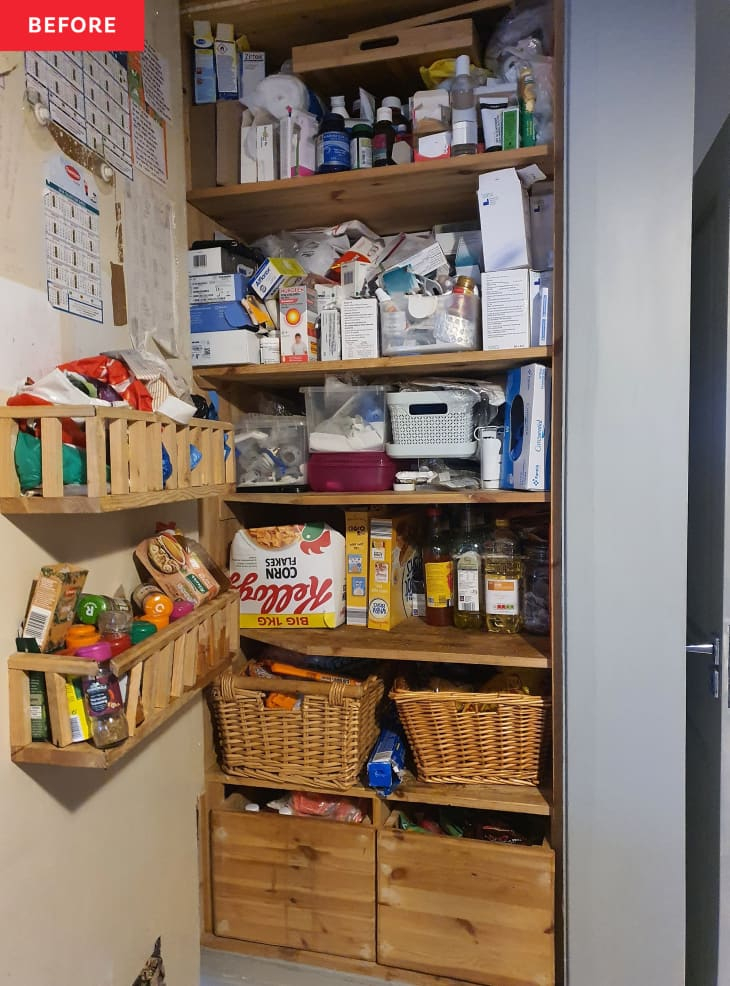
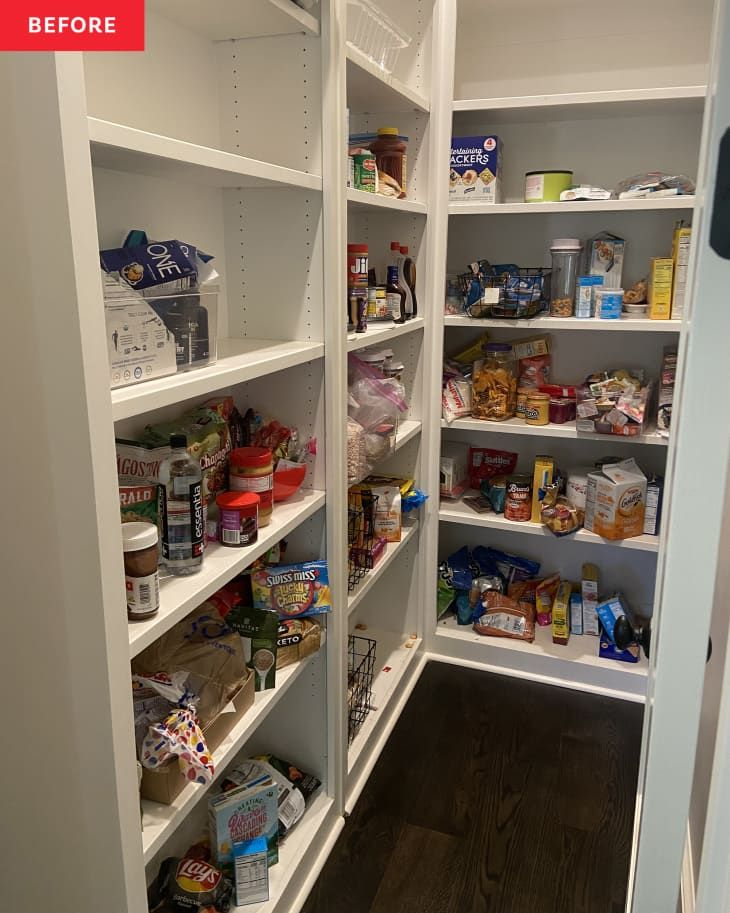
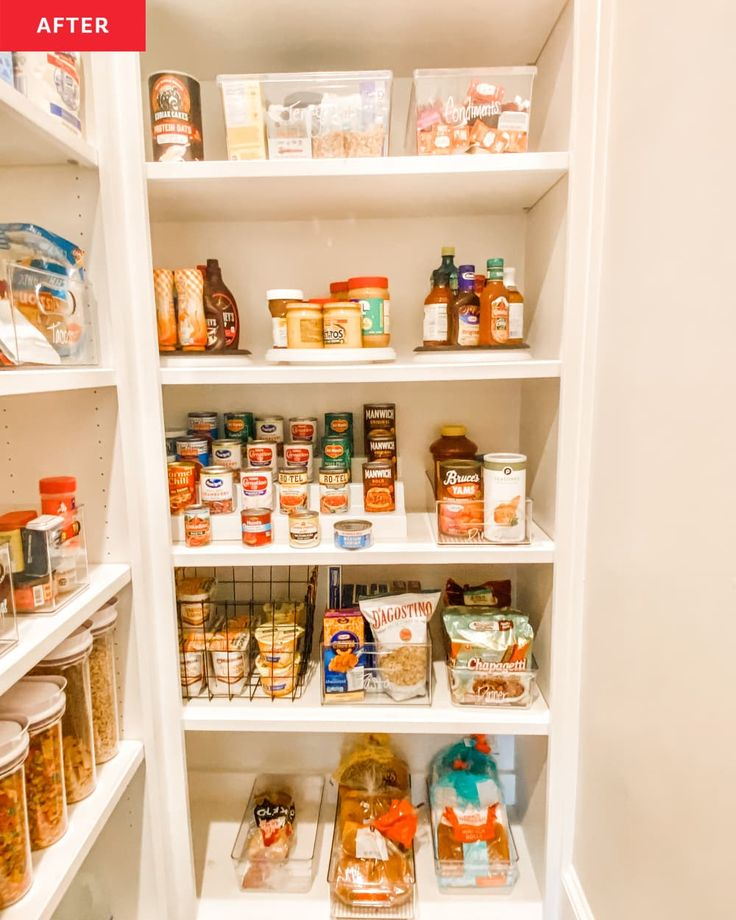
Ever stare at your small food cupboard and wonder where all your groceries vanished to. It happens to the best of us. One minute you have plenty of room, and the next minute a bag of flour falls on your foot.
Dealing with compact kitchen storage can feel like a daily puzzle. You want to keep your snacks, grains, and canned goods close by without turning your cabinet into a chaotic mess. Luckily, updating your space in 2026 does not require a huge kitchen remodel or expensive custom shelves.
Rethink Your Vertical Space
Most people stack things flat and waste all the precious air above their cereal boxes. When you look closely at your shelves, you will notice big gaps of empty space near the top. That vertical room is prime real estate waiting to be used.
Adding small shelf risers or wire racks can instantly double your stacking capacity. Instead of piling heavy soup cans on top of fragile chip bags, you create separate levels. This simple change stops avalanches every time you open the door.
Hanging organizers on the inside of your cabinet door also works wonders. You can slip lightweight items like spice jars, foil rolls, or small packets right there. Suddenly, dead space turns into functional storage.
Group Similar Items Together
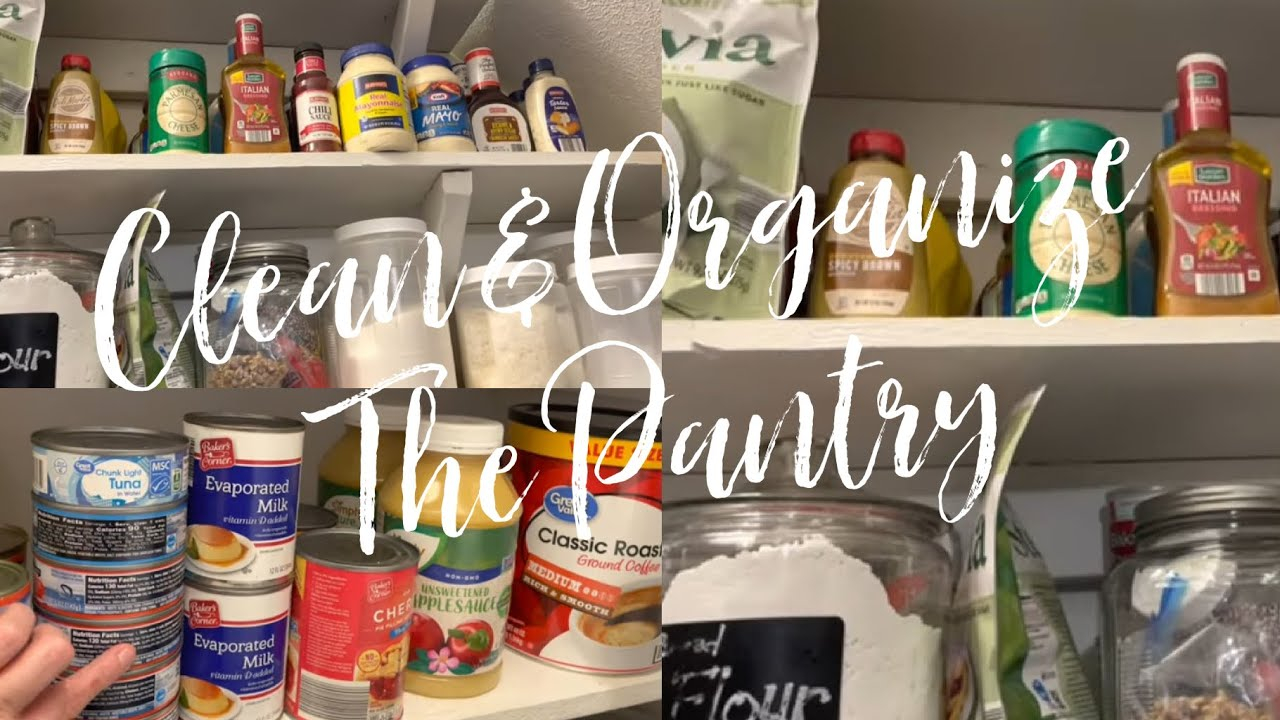
Clutter often wins simply because everything lives in the wrong spot. If your pasta is hiding behind the oatmeal and your oil is trapped behind the baking soda, cooking becomes frustrating. Sorting your goods into clear categories changes everything.
Try gathering all your baking supplies into one bin and your quick snacks into another. Clear plastic bins let you see right inside without digging around. When you know exactly where the rice lives, meal prep goes much faster.
Do not worry about making it look like a magazine spread. The goal is just to keep related things side by side. Even a casual grouping system will save you time and prevent buying duplicates of stuff you already own.
Swap Bulky Packaging for Slim Containers
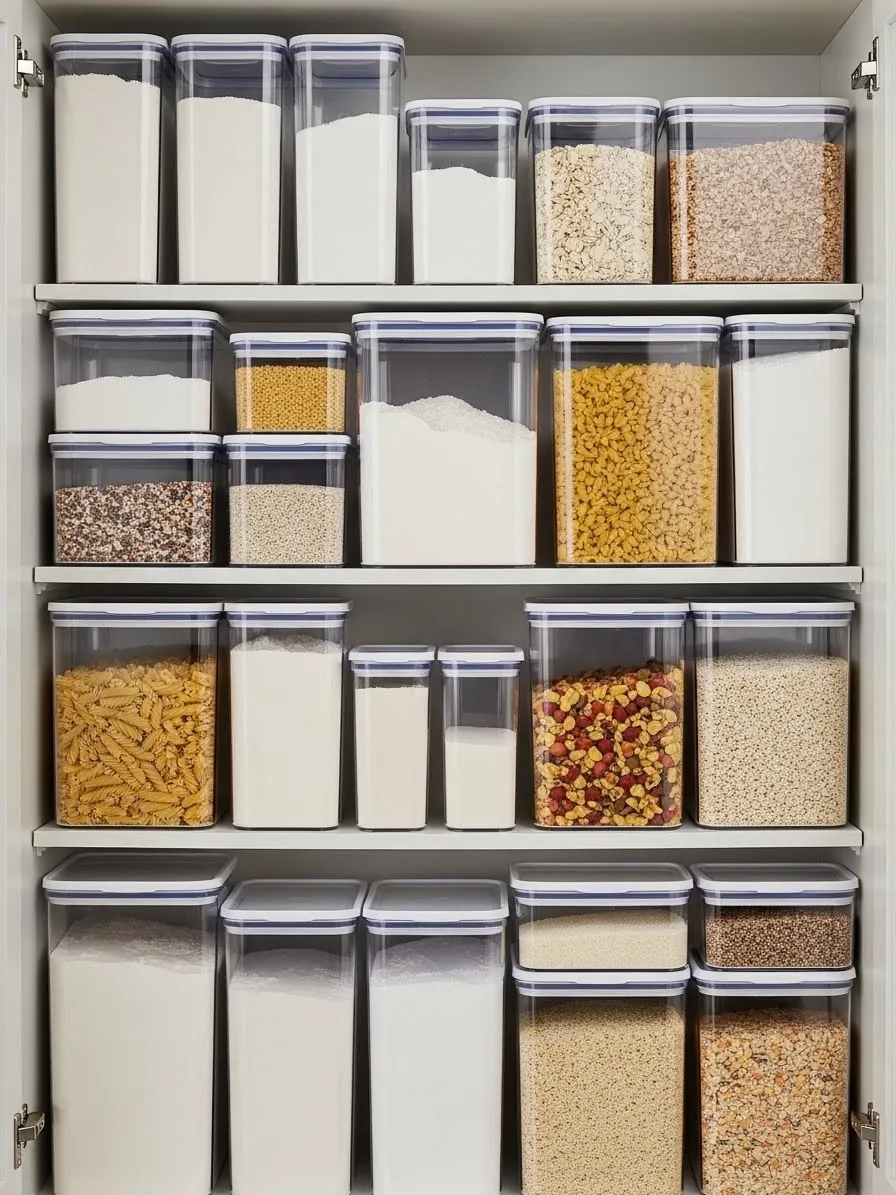
Cardboard boxes and oversized bags take up way too much room. Manufacturers love bright packaging, but it rarely fits efficiently on a narrow shelf. Decanting dry goods into rectangular containers is a total game changer.
Square or rectangular storage jars pack together tightly with zero wasted gaps between them. Round containers leave little empty pockets all around, but square ones use every single inch. Plus, sealing your dry food keeps bugs away much better than flimsy paper bags.
Just remember to label the bottom or front with expiration dates if you tend to forget. Clear bins make it easy to spot when you are running low on coffee or sugar long before you run completely out.
Put Frequently Used Goods Up Front
We all have favorite snacks and daily cooking staples we reach for constantly. Yet those items often end up shoved in the dark corners behind holiday platters we use once a year. Flipping your layout makes a huge difference.
Keep your everyday oils, salts, and go-to grains right at eye level near the front. Push the rare specialty items and holiday baking tools far back or up high. Your daily routine becomes smoother when you stop fighting your own storage layout.
Take five minutes this weekend to audit what you actually touch every week. Moving the heavy hitters to the front zone will save your back and your patience during busy weeknight dinners.
Use Turntables for Deep Corners
Deep cupboards are notorious black holes where canned goods go to hide forever. You push a jar of pasta sauce in, and it vanishes into the shadows until next year. A lazy Susan or spinning tray solves this problem instantly.
Placing a turntable in a deep corner lets you spin the whole collection around with one finger. No more reaching blindly into the dark or knocking over three other jars just to grab the honey. Everything stays visible and reachable.
These spinning trays work great for condiments, sauces, and small jars. They bring the back row straight to the front without any heavy lifting or awkward stretching.
Sometimes the hardest part of a tiny food cupboard is simply remembering what is inside. Buying extra canned beans because you forgot you already had four cans creates unnecessary clutter. A simple fix is keeping an inventory list right on the door.
Stick a small whiteboard or a magnetic notepad on the outside of your cabinet. Jot down when you buy bulk items or when you run completely out of something essential. It takes two seconds and keeps your shopping trips focused.
This quick habit cuts down on food waste and stops your shelves from overflowing with accidental duplicates. You will buy only what you truly need this year.
Getting your compact food storage under control takes a little bit of effort, but the payoff is totally worth it. By making smart adjustments to your shelves, grouping your groceries, and clearing out wasted space, you can turn a frustrating cabinet into a smooth cooking station. Take it one shelf at a time and enjoy your newly organized kitchen.