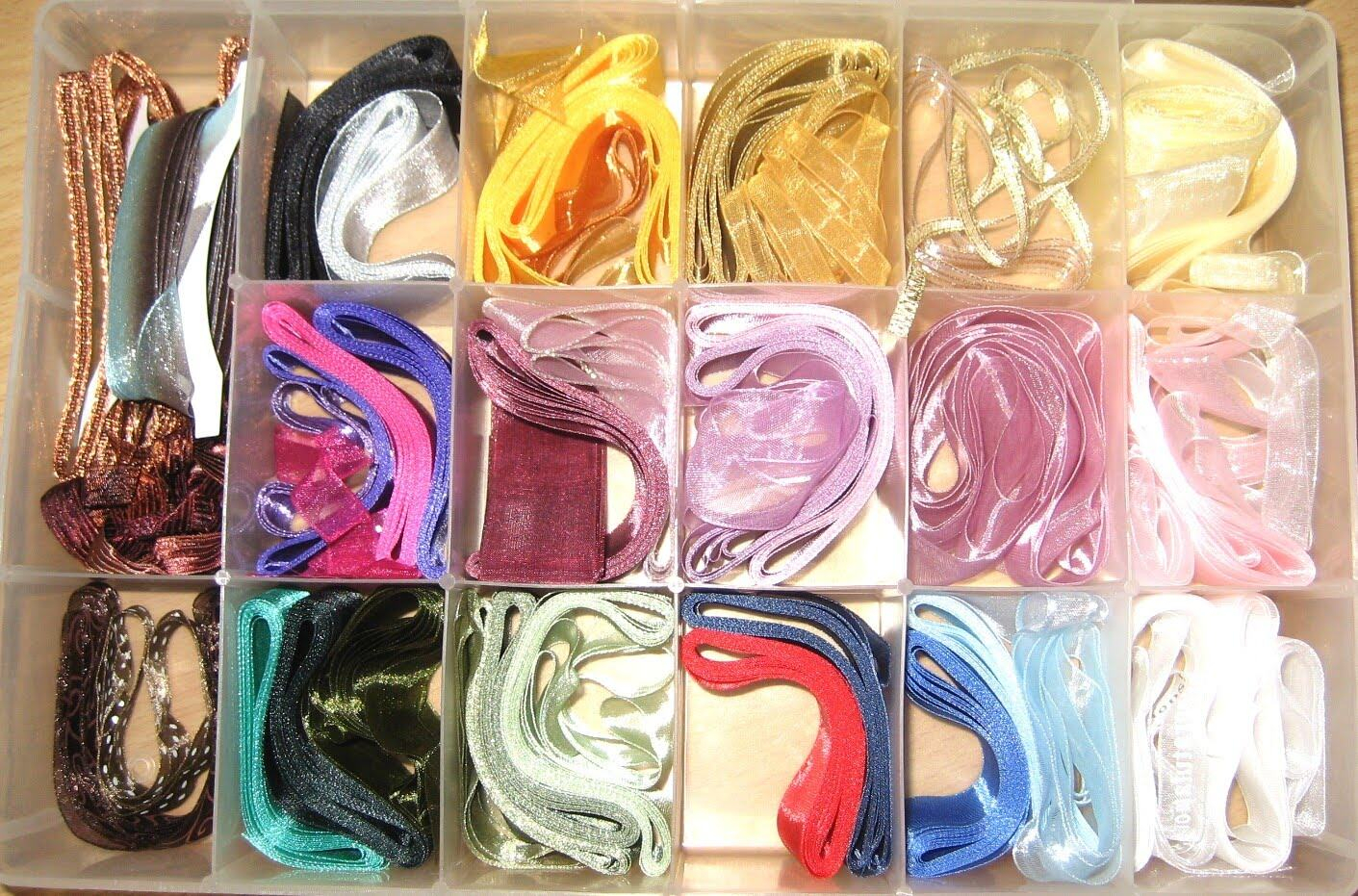
You know that feeling. You’re halfway through a quilt block or hemming a pair of pants, and you need that specific shade of teal. Not the blue-green one. The teal. You dive into the plastic bin, the cardboard box, or the dreaded "drawer of doom." Your heart sinks as you pull out a bird’s nest of tangled threads, loose bobbins, and labels that fell off three years ago. It’s frustrating. It kills your momentum. And honestly? It makes crafting feel like work instead of joy.
We’ve all been there. In 2026, with so many clever storage solutions on the market, there’s no excuse for the chaos. But here’s the catch: not every organizer works for every person. What saves a machine quilter’s sanity might drive a hand-embroiderer crazy. The secret isn’t buying the most expensive rack. It’s understanding how you create. Do you spread out? Do you hoard? Do you move around the house? Let’s figure out which system fits your life, not just your shelf.
Know Thyself: The First Step to Order
Before you buy a single hook or bin, you have to look at your habits. Be honest. Are you a "visual picker" or a "list follower"? Visual pickers need to see every color at once. They get inspired by gradients and contrasts. If you hide your threads in opaque boxes, you’ll never use half of them. For these folks, open shelving or clear acrylic racks are non-negotiable. You need that rainbow effect staring back at you. It sparks ideas.
On the other hand, maybe you’re a project-based crafter. You buy exactly what you need for a specific pattern, use it, and put the rest away. You don’t need to see 500 spools of red. You just need to know where the "Project X" box is. For you, labeled bins or drawer units work best. They keep dust off and save space. There’s no shame in hiding your stash if it keeps your mind clear. The worst thing you can do is force a visual system on a minimalist brain, or vice versa. It just leads to clutter again.
Think about your workspace too. Do you have a dedicated craft room with floor-to-ceiling shelves? Or are you stitching on the dining table after the kids are asleep? If you’re the latter, portability is key. A heavy, wooden wall mount won’t help you if you need to clear the table in ten minutes. You need something lightweight, maybe even a caddy with a handle. Your environment dictates your tools. Ignore that, and you’ll end up fighting your storage instead of using it.
The Machine Sewer’s Dilemma: Accessibility vs. Space
If you spend most of your time at a sewing machine, your needs are unique. You’re likely dealing with standard polyester or cotton spools, plus a mountain of bobbins. The biggest pain point here is thread changing. If it takes more than five seconds to swap colors, you’ll avoid doing it. You’ll stick with the same thread for too long, compromising your design. So, proximity is everything. The organizer needs to be within arm’s reach of the needle.
Desktop racks are the classic choice here. They sit right next to the machine. Look for ones with vertical pegs rather than horizontal slots. Vertical pegs let the spool spin freely as you pull thread, which reduces tension issues. Horizontal slots can cause drag, leading to broken threads or uneven stitches. It’s a small detail, but it matters. Also, check the peg diameter. Some modern eco-friendly threads come on larger cardboard cores. If your pegs are too thin, those spools wobble and fall. Annoying.
Don’t forget the bobbins. They are tiny, evil things that love to disappear. A good machine-sewing setup integrates bobbin storage directly into the spool rack. Some 2026 models have sliding drawers underneath or magnetic strips on the side. Keep full bobbins near their matching top thread. This saves you from hunting later. If you’re a garment sewer, you might also need space for cones of serger thread. These are tall and bulky. Make sure your rack has a separate tier or a higher clearance area for them. Don’t try to jam a cone onto a standard peg. It won’t end well.
The Quilter’s Rainbow: Managing Volume and Color
Quilters are the hoarders of the thread world. No offense. It’s just true. You need every shade of beige, cream, and off-white. And you need them organized by color family. A random jumble won’t cut it when you’re trying to match a backing fabric. For quilters, wall-mounted systems are often the gold standard. They turn your stash into a display. It’s functional art. Plus, it keeps hundreds of spools off your cutting table, giving you room to lay out fabrics.
When choosing a wall unit, think about expandability. Your stash will grow. It always does. Look for modular systems that let you add more rows or panels as you buy more thread. Acrylic panels with removable dowels are popular right now because they’re easy to clean and customize. You can rearrange the colors seasonally. Want to focus on warm tones for a summer quilt? Move the cool blues to the back. It’s flexible. Wood is beautiful, but it can warp if your craft room gets humid, and it’s harder to wipe down if dust settles.
Another option for quilters is the "thread library" approach. This involves storing spools in clear, uniform containers stacked on shelves. Each container holds one color family. Label the outside clearly. This protects the thread from sunlight, which can fade colors over time. If you have rare or expensive silk threads, this is the way to go. Sunlight is the enemy of vibrancy. Just make sure the containers are easy to pull out and put back. If it’s a hassle, you won’t keep it up. Simplicity wins in the long run.
The Hand Stitcher’s Touch: Portability and Protection
Embroidery, cross-stitch, and sashiko practitioners have different worries. You’re not worried about thread tension from a machine. You’re worried about tangling and fraying. Hand embroidery floss comes in skeins, not spools. Standard spool racks are useless here unless you wind your floss onto bobbins first. Many stitchers prefer to keep floss in its original skein form, tied with a label. For this, you need binder rings, floss cards, or specialized hanging bars.
Portability is huge for hand stitchers. You might stitch on the couch, in the garden, or on a train. A massive wall rack doesn’t help you there. Consider a portable floss organizer. These are often book-like cases with clear pockets or rings that hold wrapped floss cards. They protect the fibers from getting crushed in your bag. Look for ones with a sturdy cover. Flimsy plastic cracks. Leather or heavy canvas lasts longer. In 2026, there are some great slim-profile options that fit into a tote bag without adding bulk.
If you do wind your floss onto bobbins, keep them organized by number. DMC, Anchor, and other brands have specific color codes. A simple box with dividers works wonders here. You can sort them numerically. When a pattern calls for color 310, you go straight to the 300s section. No guessing. Some crafters use photo catalogs too. Take a picture of your organized box. Search the photo on your phone when you’re shopping for supplies. It prevents duplicate buys. Smart, right?
The Mixed-Media Maverick: Handling Odd Shapes and Sizes
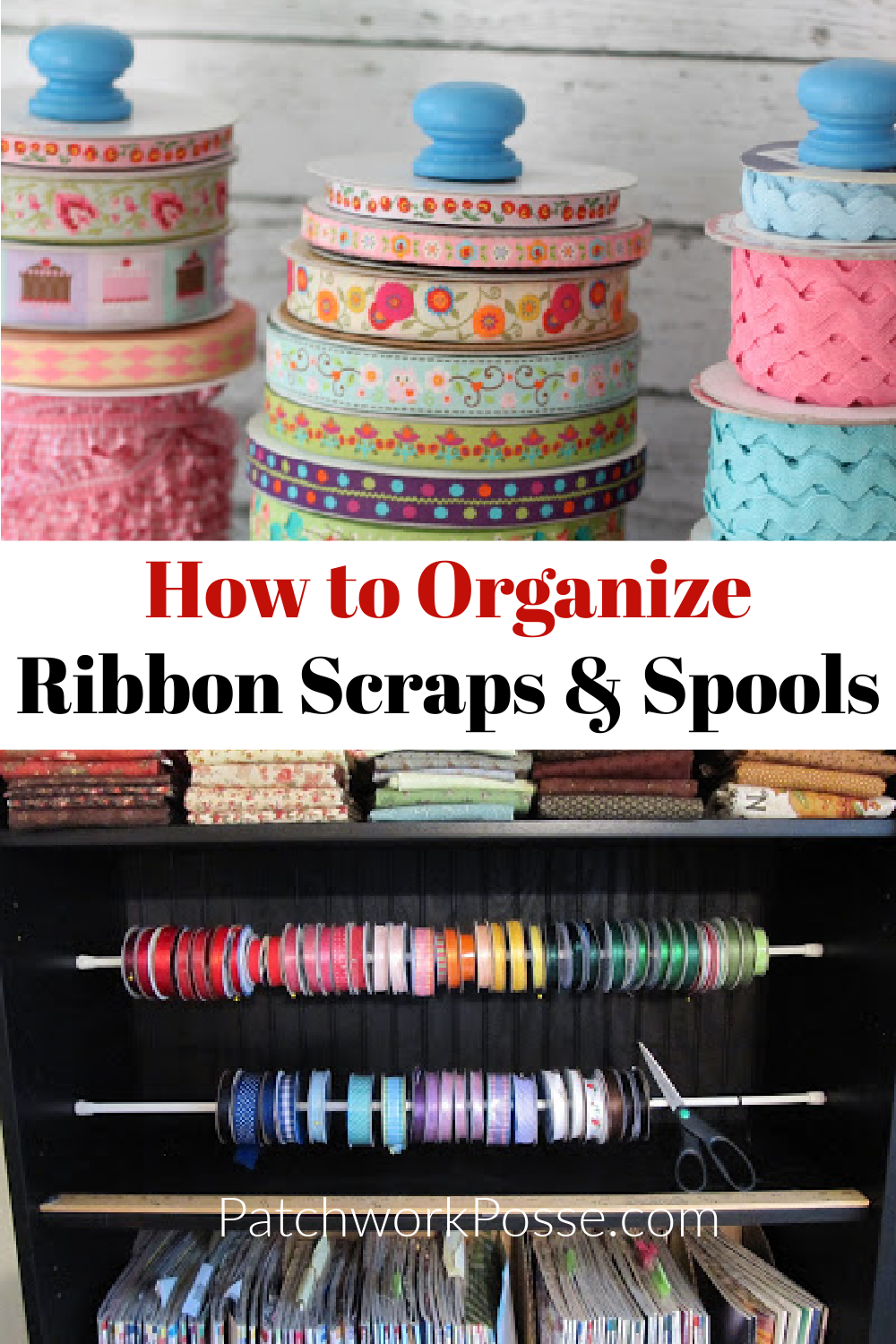
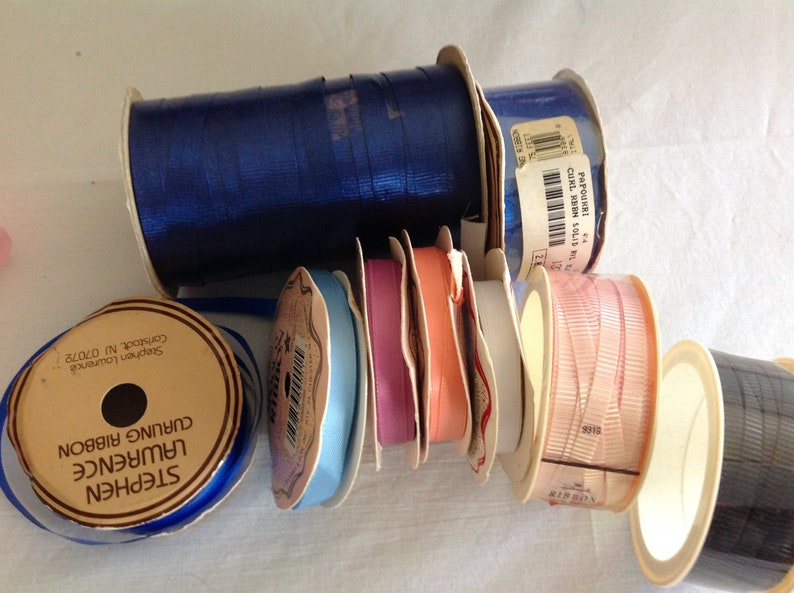
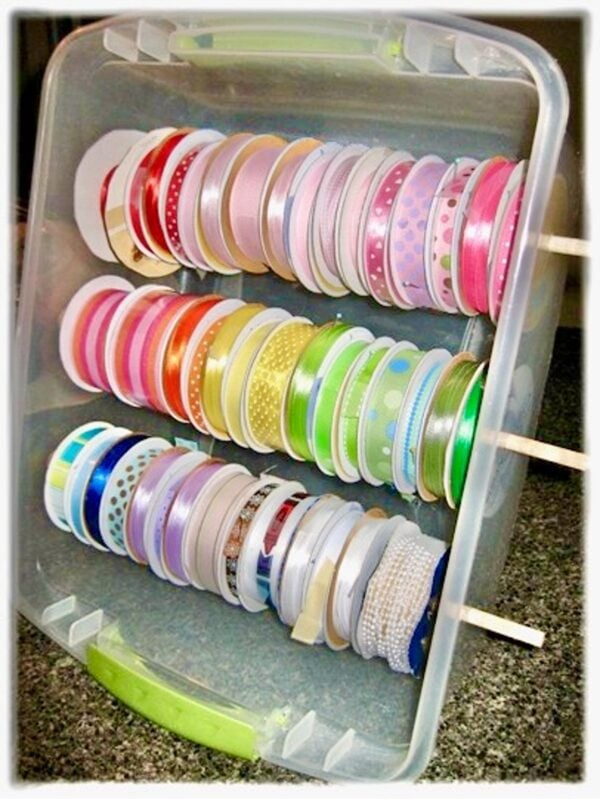
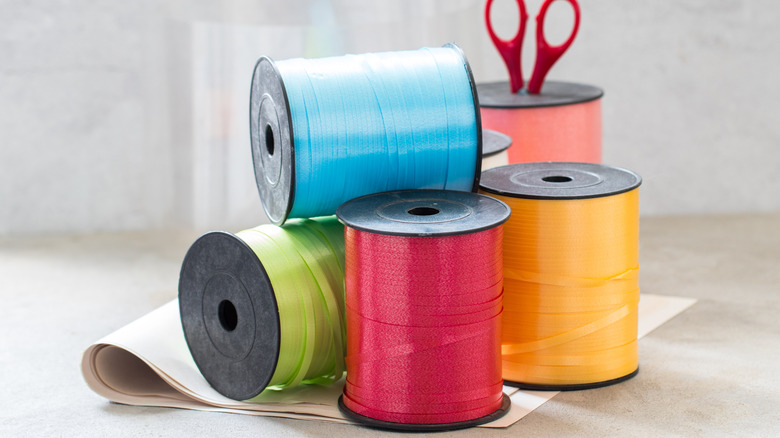
Maybe you don’t just sew. You knit, crochet, macramé, or do ribbon work. Your "spools" might be balls of yarn, cones of cord, or rolls of ribbon. Standard thread organizers will laugh at you. You need versatility. Ribbon, for example, tangles easily if it’s not dispensed correctly. Ribbon spools need axles that allow them to unwind smoothly without slipping off. Look for organizers with adjustable width holders. These can accommodate narrow satin ribbons and wide grosgrain alike.
Yarn and cord are bulky. They need bins or baskets, not pegs. But you still want visibility. Clear stackable bins are your friend here. Label them by weight or fiber type. Wool, cotton, acrylic, blend. If you’re a macramé artist, you probably use large cones of cotton cord. These are heavy. They need a sturdy base. A floor-standing rack with a wide footprint is ideal. It prevents tipping. Don’t try to put a five-pound cone on a flimsy desktop stand. It’ll topple over and take your coffee cup with it. Disaster.
For the mixed-media creator, modularity is key. You might need a hybrid system. A wall panel for thread, a shelf for ribbon, and a basket for yarn. Don’t try to force everything into one type of container. Embrace the mix. Use command hooks for hanging bags of scraps. Use magazine files for holding rolls of interfacing. Think outside the box. Literally. Your storage should reflect the diversity of your materials. If it looks a bit eclectic, that’s fine. It shows you’re creative.
Let’s talk money. Fancy acrylic organizers can cost a fortune. We’re talking hundreds of dollars for a full wall system. That’s not feasible for everyone. And guess what? You don’t need to spend that much. Some of the best organizers are DIY projects. A simple piece of wood with dowels drilled into it costs maybe twenty bucks. Paint it to match your room. Sand it smooth so it doesn’t snag your thread. Done. It works just as well as the pricey version.
Repurposing household items is another great trick. Spice racks are perfect for small spools. Nail polish organizers work for bobbins. Even a old shoe holder with clear pockets can hang on the back of a door to store ribbon or floss packs. Get creative. Look at thrift stores. Old toolboxes with small compartments are great for sorting buttons and tiny thread ends. The goal is function, not perfection. If it holds the thread and keeps it tidy, it’s a win.
Also, consider the longevity of the material. Cheap plastic becomes brittle and yellow over time, especially if exposed to light. Wood and metal last longer. If you’re going to invest, invest in durability. But if you’re on a tight budget, start small. Buy one small rack. Organize your most-used colors. Expand as you can. Don’t feel pressured to organize your entire stash in one weekend. It’s overwhelming. Take it step by step. Your future self will thank you for starting somewhere.
So, where does that leave us? Choosing a spool organizer isn’t about finding the "best" one on Amazon. It’s about finding the one that fits your hands, your space, and your brain. Whether you’re a machine sewer needing quick access, a quilter managing a rainbow, or a hand stitcher on the go, there’s a solution that won’t fight you. Stop letting tangled thread steal your joy. Take a look at your habits. Pick a system that respects them.
Remember, organization is a practice, not a one-time event. Systems break down. Life gets messy. That’s okay. Tweak your setup as you go. If a rack isn’t working, change it. Donate what you don’t use. Keep only what brings you happiness. Crafting should be a refuge, a place of calm and creation. When your tools are easy to find, your mind is free to wander. Free to create. So go ahead. Clear that drawer. Sort those colors. Find your flow. It’s worth it.