You know that feeling. The one where you’re standing in the kitchen at 7:45 AM, holding a half-eaten piece of toast, screaming about missing soccer cleats while simultaneously trying to sign a permission slip you didn’t know existed until thirty seconds ago. It’s frantic. It’s loud. And honestly? It’s exhausting. We’ve all been there. In 2026, life moves faster than ever. Between hybrid work schedules, endless extracurriculars, and the constant ping of digital notifications, our brains are overloaded. We are drowning in information but starving for clarity.
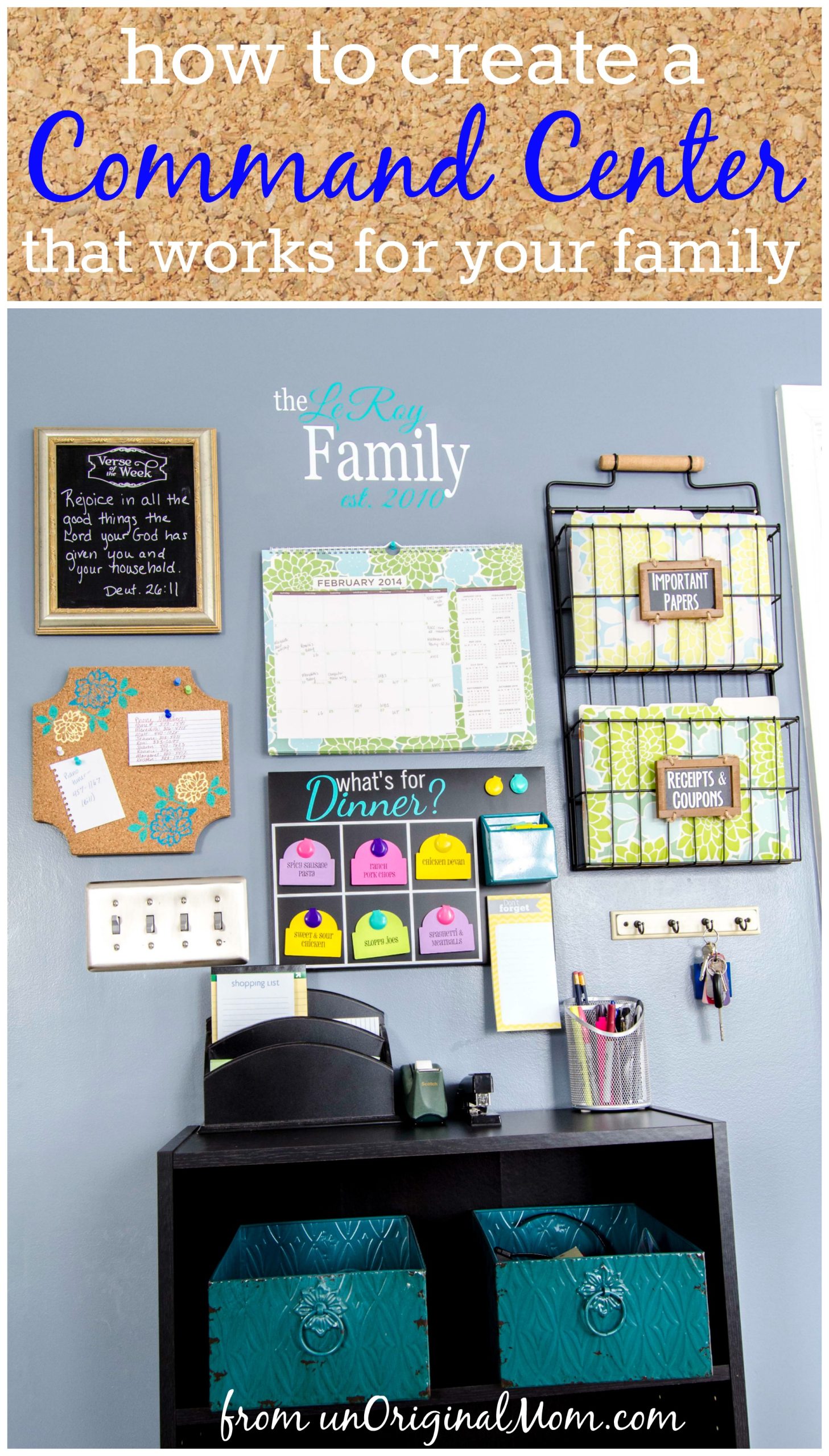
But what if you could stop the spin? What if there was one spot in your house—just one—that held the keys to your sanity? That’s the promise of the family command center. It’s not just a bulletin board with some cute magnets. It’s the central nervous system of your home. It’s where chaos goes to die and clarity is born. When done right, it doesn’t just organize paper; it organizes minds. It turns the "Did you remember…?" arguments into a quick glance at the wall. It transforms the frantic search for keys into a muscle memory routine.
This isn’t about perfection. It’s about function. It’s about creating a space that works for your family, with your quirks, and your specific brand of beautiful mess. Whether you have a sprawling mudroom or just a tiny corner of the kitchen, you can build a hub that simplifies your daily routine. Let’s dive into how you can turn that wall of worry into a window of calm.
Finding the Heartbeat of Your Home
The first mistake most people make is picking a spot because it looks good in a magazine. Don’t do that. You need to pick a spot based on traffic flow. Think about where your family naturally congregates. For most households, this is the kitchen or the entryway. It’s the place everyone passes through multiple times a day. If your command center is hidden away in a home office or a spare bedroom, it will fail. Out of sight, out of mind. It needs to be in the line of fire.
Consider the "drop zone" concept. Where do you drop your keys when you walk in? Where do you toss your mail? That area is prime real estate. Some folks even integrate their command center into garage organization plans, especially if the garage is the main entry point for the car-pooling crowd. The goal is interception. You want to catch the information (and the items) before they scatter across the house. If you have to walk out of your way to check the calendar, you won’t check it. Keep it visible. Keep it accessible.
Also, think about height. If you have young kids, the lower half of the board is for them. Let them own their space. Put their school notices or chore charts at their eye level. This isn’t just about convenience; it’s about inclusion. When kids can see their own responsibilities and schedules, they take ownership. It stops being something Mom or Dad nags them about and starts being something they can manage themselves. Even a simple hook at their height for their backpack can change the morning dynamic entirely.
The Analog vs. Digital Debate in 2026
It’s 2026, and we have powerful apps on our phones that can sync calendars across five different devices instantly. So, why do we still need a physical board? Because screens are distracting. When you look at your phone to check the schedule, you also see three emails, a text from a friend, and a news alert. The physical command center is a single-purpose tool. It offers a "glanceability" that digital screens often lack. You can see the whole week at once without scrolling or clicking. It’s tactile. There is something satisfying about physically moving a magnet or crossing off a task with a dry-erase marker.
However, the best systems in 2026 are hybrid. They don’t fight technology; they use it. Think of your physical board as the "headline news" and your digital apps as the "deep dive." Use the wall for the non-negotiables: soccer practice at 5 PM, dentist appointment on Tuesday, Grandma’s birthday. Keep the detailed info—the link to the Zoom meeting, the specific list of items to bring—in your digital calendar. This prevents clutter on the wall. You don’t need to write down every single detail. Just the anchors.
There are also new tools bridging this gap. Smart displays or e-ink calendars can now sit on your wall, syncing with your phone but looking like paper. These are great for tech-savvy families who hate the look of messy markers. But for many, the low-tech approach remains superior because it doesn’t require charging, Wi-Fi, or software updates. It just works. Choose the medium that your family will actually use. If your kids ignore the app, use the board. If your partner hates writing on walls, use a whiteboard notebook. Flexibility is key.
Essential Components for Maximum Efficiency
So, what actually goes on this thing? It’s tempting to cover every inch with sticky notes, but resist the urge. A cluttered command center is just chaos in a frame. You need distinct zones. First, you need a master calendar. This is the centerpiece. A monthly view is usually best for long-term planning, paired with a weekly view for the nitty-gritty details. Magnetic monthly and weekly planner sets are popular because they are erasable and reusable. They let you shift things around easily when plans change (and they always change).
Second, you need a communication station. This is for the loose papers. School flyers, party invitations, permission slips. Use vertical file sorters or clipboards labeled for each family member. This stops the "I gave that to you yesterday!" argument. If it’s not in their slot, it wasn’t delivered. Simple. You might also want a dedicated spot for "Action Items"—things that need to be dealt with immediately, like paying a bill or mailing a thank-you note. Keep this section small so it doesn’t become a dumping ground.
Third, don’t forget the essentials. Hooks for keys, leashes for dog walks, and maybe a small shelf for wallets or sunglasses. If these items have a home near the command center, they won’t end up under the couch cushions. Some people also include a meal planning section. Knowing what’s for dinner reduces the 5 PM panic significantly. You can combine this with your grocery list. Write down meals for the week, and jot down ingredients as you run out. It streamlines the mental load of feeding everyone.
Designing for Visual Calm and Clarity
Let’s talk aesthetics for a second. Just because it’s functional doesn’t mean it has to be ugly. In fact, if it’s ugly, you’ll subconsciously avoid looking at it. But "pretty" shouldn’t mean "cluttered." Aim for visual calm. Use a consistent color code. Maybe Mom is blue, Dad is green, and the kids are yellow. Stick to these colors for markers, magnets, and folders. This allows your brain to process information faster. You can scan the board and instantly see who has what, without reading every word.
Lighting matters too. If your command center is in a dark hallway, install a small motion-sensor light. You’ll be more likely to check it in the early morning gloom if it’s well-lit. Frame your boards or use matching containers to create a cohesive look. It doesn’t have to be expensive. Even simple wooden frames from a thrift store can unify disparate elements. The goal is to make it feel like a deliberate part of your home decor, not an afterthought slapped on the wall.
Keep negative space. Leave some blank areas on the board. This gives your eyes a place to rest. A board that is 100% full feels stressful. A board that is 70% full feels managed. Update it regularly. Wipe off the past week. Throw away old flyers. A fresh board invites fresh engagement. If it looks stale and outdated, it becomes invisible wallpaper. Take five minutes every Sunday to reset the space. It’s a ritual that signals the start of a new, organized week.
Maintaining the System Without Burnout
Here is the hard truth: a command center only works if you maintain it. And maintenance is where most people fail. They set it up with enthusiasm in January, and by March, it’s covered in expired coupons and illegible scribbles. To avoid this, you need to lower the barrier to entry. Make it easy to update. Use pencils or dry-erase markers that glide smoothly. If writing on the board feels like a chore, you won’t do it. Keep the pens attached to the board with a string or a magnetic holder. Lost pens are the enemy of consistency.
Involve the whole family in the upkeep. It shouldn’t be one person’s job. Assign a "Commander of the Week" role to rotate among family members. Their job is to ensure the calendar is up to date and the paper slots are cleared out. Make it a game. Kids love having authority. Let them be the ones to erase the old week and write in the new dates. It teaches them responsibility and ensures they actually look at the schedule. When they write it down, they remember it.
Accept imperfection. Some days, you’ll forget to write down the dentist appointment. Some days, the board will look messy. That’s okay. Don’t let the perfect be the enemy of the good. The system is there to serve you, not to judge you. If you miss a day, just reset the next morning. The beauty of a physical board is that it’s forgiving. You can just wipe it clean and start over. No data loss, no sync errors. Just a fresh start. Consistency over time is more important than perfection in the moment.
Your family in 2026 is not the same as it was in 2020, and it won’t be the same in 2030. Your command center needs to breathe and evolve with you. When the kids are little, the board is dominated by nap times and playdates. As they grow, it shifts to sports schedules and exam dates. When they leave for college, the board might shrink to just couple’s coordination and household maintenance. Be willing to change the layout. If you find you never use the meal planning section, remove it. Replace it with a habit tracker or a gratitude journal section.
Technology will continue to offer new solutions, but don’t chase every shiny new gadget. Stick to what reduces friction. If a new app adds steps, ditch it. If a new magnetic organizer saves you time, keep it. The core principle remains: reduce cognitive load. Externalize your memory. Your brain is for having ideas, not for holding schedules. By keeping the information outside of your head, you free up mental energy for connection, creativity, and rest.
Remember, the ultimate goal isn’t a pristine wall. It’s a peaceful home. It’s about reducing the friction in your daily interactions. It’s about knowing where you need to be and having what you need to get there. When the logistics are handled, you have more space for the important stuff. Like actually talking to your kids. Or enjoying your coffee while it’s still hot. That’s the real victory. That’s the clarity we’re chasing.
So, take a look at your wall today. What’s hanging there? Is it helping you, or is it just taking up space? Start small. Clear a section. Add a calendar. Put up a hook. See how it feels. You might find that turning chaos into clarity is simpler than you thought. It just takes a little intention, a little planning, and a willingness to let go of the mess. You’ve got this.