You know that feeling. You’re knee-deep in a project. Maybe it’s a vintage carburetor rebuild, maybe you’re just trying to hang a shelf. You reach for that one specific screw. The M4 x 10mm flat head. It’s gone. Vanished into the ether. Or worse, it’s mixed in with a thousand other shiny metal bits in a plastic tub that cracked last winter. Frustrating, right? It stops everything. The flow is broken. The momentum dies.
This is why we keep coming back to steel. Not the flashy, new smart-storage solutions with Bluetooth trackers (though those have their place). We’re talking about the heavy, cold, unapologetic steel small parts organizer. The kind with drawers that slide on ball bearings and make a satisfying thunk when they close. It’s been around for decades. It’s in every serious mechanic’s garage. It’s on the factory floor of aerospace plants. And in 2026, it’s more relevant than ever. Why? Because some things just work. And steel works better than most.
The Psychology of Order in Chaos
Let’s be honest. A messy workspace is a stressful workspace. When your eyes dart around looking for a washer, your brain is firing off little stress signals. It’s cognitive load. We don’t always think about it, but clutter costs us energy. Steel organizers fix this. They provide a visual anchor. A place for everything.
There’s something primal about metal storage. It feels permanent. Plastic feels temporary. Cardboard feels fragile. But steel? Steel says, "I’m here. I’m not going anywhere." This psychological weight matters. When you open a steel drawer and see neat rows of dividers, each holding its specific charge of nuts or bolts, you feel capable. You feel ready. It’s not just about finding the part; it’s about knowing exactly where it is before you even look. That confidence changes how you work. It makes you faster. Cleaner. More precise.
And let’s talk about the sound. There’s a distinct acoustic quality to a steel cabinet. The rattle of loose change or hardware inside is different than the hollow clatter of plastic. It’s sharper. More defined. For many craftspeople, that sound is the soundtrack of productivity. It signals that the tool is ready. The job is underway. It’s a small detail, sure. But details add up. They create an environment where good work happens.
Material Matters: Why Steel Beats the Alternatives
In 2026, we have no shortage of storage materials. High-impact polymers. Recycled composites. Even 3D-printed custom bins. So why stick with steel? Durability is the obvious answer, but it’s deeper than that. Steel handles abuse. You can drop a wrench on a steel drawer front and it might dent, but it won’t shatter. You can spill solvent on it, and it wipes clean. You can stack five hundred pounds of engine blocks on top of it, and it holds.
Plastic has its limits. It gets brittle in the cold. If your garage dips below freezing in January, that cheap plastic bin from the big box store might crack if you look at it wrong. Steel doesn’t care about the cold. It doesn’t warp in the summer heat either. This temperature stability is crucial for anyone working in unconditioned spaces. Which is most of us. Whether you’re in a heated factory or a drafty shed, steel performs consistently.
Then there’s the issue of static and chemicals. Some plastics react with oils and greases, getting sticky or degrading over time. Steel, especially when powder-coated or galvanized, resists these industrial byproducts. It’s inert. Safe. You can toss oily rags or greasy gears in there without worrying about the container melting or leaching chemicals. It’s a robust barrier between your chaos and your order. And let’s not forget fire safety. Steel doesn’t burn. In a workshop full of flammable liquids and sparks, that’s a peace of mind you can’t put a price on.
From the Home Garage to the Assembly Line
The beauty of the steel parts organizer is its versatility. It scales. The same basic design principles apply whether you’re storing jewelry findings in a home craft room or turbine blades in a manufacturing plant. At Home Depot and Lowe’s, you’ll find compact, desktop-sized steel cabinets perfect for the hobbyist. These are great for stamps, small crafting supplies, or that jar of assorted screws that always seems to multiply. They fit on a workbench. They don’t take up much space.
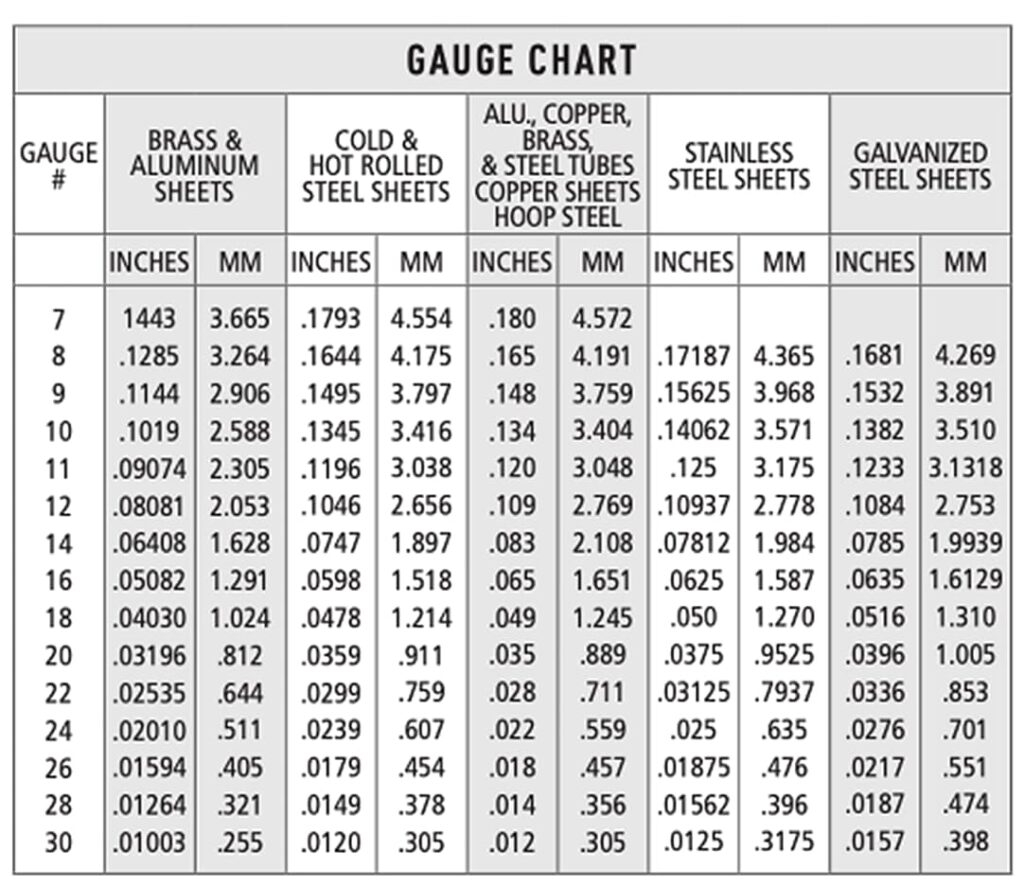
But walk into a facility like those supplied by McMaster-Carr or MSC Industrial Supply, and you’ll see the big brothers. Floor-standing units with dozens of drawers. Heavy-gauge steel frames. Locking mechanisms. These are built for high-traffic environments. Parts are pulled and replaced hundreds of times a day. The drawers need to glide smoothly every single time. They need to withstand the constant tug of tired workers at the end of a long shift.
This cross-pollination is interesting. Technologies developed for industrial use often trickle down to consumer products. The ball-bearing slides you see on a high-end garage cabinet today? Likely derived from heavy-duty industrial specs. Conversely, the aesthetic appeal of modern, sleek steel organizers is influencing factory designs. Workspaces are becoming cleaner, more organized, partly because the tools themselves look better. It’s a blend of form and function that benefits everyone. Whether you’re a weekend warrior or a shift supervisor, the core need is the same: reliable access to small components.
Customization and Modularity: Making It Yours
One size rarely fits all. That’s why modularity is key. Modern steel organizers aren’t just static boxes. They’re systems. Drawers accept dividers in 1-inch increments, as noted by suppliers like Cisco-Eagle. This means you can reconfigure the interior layout as your needs change. Today you’re storing mostly M6 bolts. Tomorrow it’s a mix of electrical connectors and fuses. You just move the dividers. No tools required. Usually.
Some systems even allow you to swap out entire drawers. Got a project that requires a specific set of tools? Pull the standard hardware drawer and slide in a foam-cutout tray for your precision instruments. This flexibility extends the life of the unit. You’re not buying a new organizer every time your hobby shifts. You’re adapting the existing one. It’s sustainable. Efficient.
And let’s talk labels. Steel takes labels well. Magnetic label holders. Engraved plates. Dry-erase surfaces on the drawer fronts. There are endless ways to identify contents. In a professional setting, color-coding is common. Red drawers for electrical. Blue for plumbing. Yellow for fasteners. It creates a visual language that anyone can understand. Even a new employee can find what they need without asking. In the home garage, it might just be your own shorthand. But the principle is the same. Clear identification saves time. And time is money. Or at least, it’s sanity.
Maintenance and Longevity: A Lifetime Investment
Here’s the thing about steel: it lasts. Seriously. A well-made steel parts cabinet can outlive its owner. I’ve seen units from the 1980s still in daily use. Sure, the paint might be chipped. The handles might be worn smooth. But they work. They hold. This longevity makes them a value proposition. You pay more upfront compared to a plastic bin, but you never buy it again. Ever.
Maintenance is minimal. Wipe it down. Occasional lubrication on the slides if they start to stick. That’s about it. If a drawer gets dented, you can usually hammer it back into shape. Try doing that with plastic. You can’t repair cracked plastic effectively. It’s trash. Steel is repairable. It’s forgiving. This reduces waste. In an era where sustainability is a growing concern, choosing durable, repairable goods is a conscious act. It’s voting with your wallet for products that don’t end up in a landfill after two years.
Also, consider resale value. Old steel tool chests and organizers hold their value. People buy them used. They restore them. They appreciate the craftsmanship. A plastic organizer? Nobody’s buying that second-hand unless it’s practically free. Steel has inherent worth. It’s a commodity. It’s recognized as valuable. This adds to its appeal. You’re not just buying storage; you’re buying an asset. Something that retains utility and monetary value over time.
Let’s face it. Steel looks cool. There’s a reason "industrial chic" is a design trend. Exposed metal. Clean lines. Utilitarian beauty. A steel parts organizer doesn’t hide. It’s a statement piece. It says you mean business. Even in a home setting, it adds a touch of professionalism. It elevates the space. It’s not just a clutter catcher; it’s furniture. Functional furniture.
Manufacturers know this. Recent designs from brands like Inventive Garage focus not just on strength, but on aesthetics. Powder-coat finishes in matte black, slate gray, or even bold colors. Sleek handles. Flush-mounted drawers. They’re designed to be seen. To be proud of. This shifts the perception of storage from a necessary evil to a desirable feature. You want to show off your organized workshop. You want to invite people in.
And there’s a tactile satisfaction. The cold touch of metal. The weight of the drawer as you pull it open. The solid resistance when you close it. These sensory experiences connect us to our tools. They ground us. In a digital world where so much is virtual and weightless, physical objects with heft and texture feel real. Authentic. Steel organizers provide that connection. They remind us of the physical nature of our work. Of the things we build and fix. It’s a small comfort, but a powerful one.
So, where does this leave us? In 2026, amidst a sea of disposable goods and digital distractions, the steel small parts organizer stands firm. It’s a testament to simple, effective design. It solves a universal problem with grace and durability. It adapts to our needs. It lasts. And it looks good doing it.
Whether you’re stocking a massive factory floor or just trying to keep your junk drawer under control, steel is the answer. It’s not glamorous. It’s not high-tech. But it’s reliable. And in a world that often isn’t, that’s worth something. Next time you’re hunting for that elusive screw, remember the quiet hero sitting in the corner. The steel cabinet. It’s got your back. Always.
Maybe it’s time to give your workspace the upgrade it deserves. Ditch the cracked plastic bins. Invest in something solid. Something that will still be there, holding your bits and bobs, twenty years from now. Your future self will thank you. Probably while listening to that satisfying thunk of a drawer closing. Perfect order. Peace of mind. Steel.