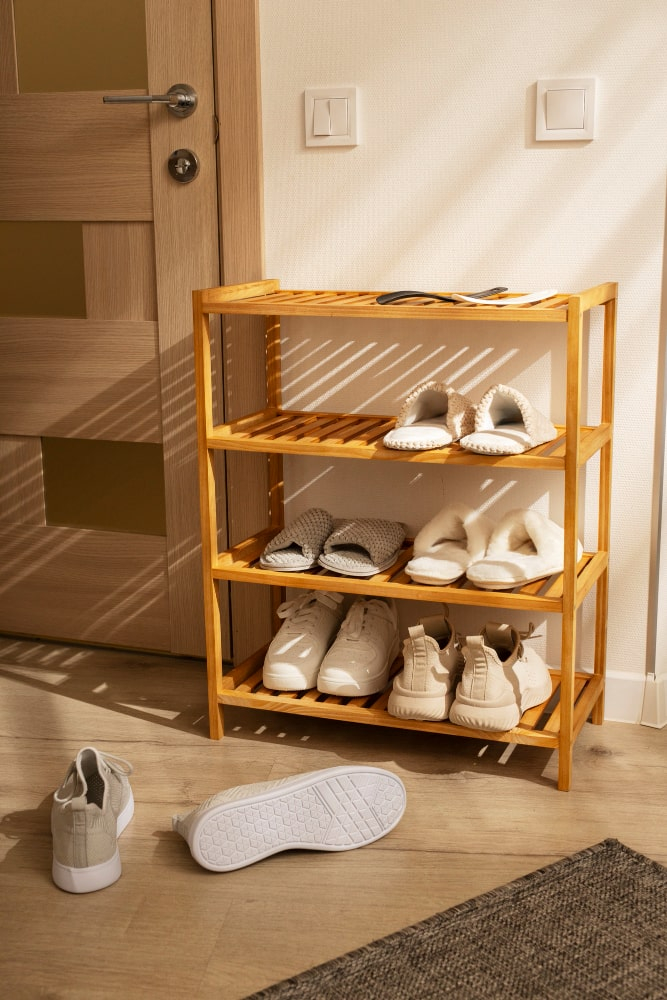
You know that feeling. You walk through the front door, tired from the day, and immediately stumble over a sneaker. Or maybe it’s a boot. Or two sandals that somehow migrated from the closet. It’s frustrating, right? In 2026, our homes are still our sanctuaries, but the entryway often becomes the dumping ground for life’s chaos. We want to kick off our shoes and relax, not navigate an obstacle course.
The solution isn’t always a massive renovation or buying expensive custom cabinetry. Sometimes, the answer is hanging right above your head. Literally. An over-the-door shoe rack is one of those simple, genius ideas that feels almost too easy. But here’s the thing: not all racks are created equal. Pick the wrong one, and you’ve just added visual clutter to your physical clutter. Pick the right one, and you’ve reclaimed your space. Let’s talk about how to get it right.
Why Vertical Space is Your Best Friend
Floor space is precious. Especially in apartments or older homes with narrow hallways. Every square inch counts. When we leave shoes on the floor, we aren’t just losing storage; we’re losing mental clarity. Clutter creates noise. It’s visual static that makes us feel anxious before we’ve even taken off our coats. By moving shoes up, we clear the ground. It’s a psychological win as much as a physical one.
Over-the-door organizers capitalize on unused vertical real estate. The back of your entryway door is usually empty space. It’s dead zone. Turning it into active storage is like finding money in an old jacket pocket. In 2026, design trends are leaning heavily into "invisible organization." We don’t want to see the mess, but we need quick access. Hanging solutions offer both. They keep shoes off the floor, away from dust bunnies, and ready to grab as you rush out the door.
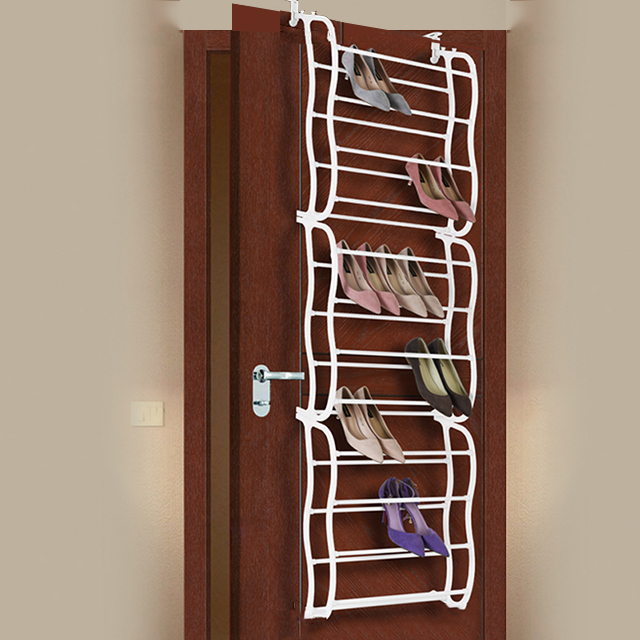
Think about the mechanics. A standard door has about six to seven feet of usable height behind it. A good organizer uses that full length. You can store twenty, thirty, even forty pairs of shoes without touching the floorboards. This is huge for small households or anyone with a serious shoe collection. It transforms a chaotic pile into a neat, vertical library of footwear. And since it’s behind the door, it’s hidden when the door is closed. Out of sight, out of mind. Peace restored.
Choosing the Right Material for 2026 Durability
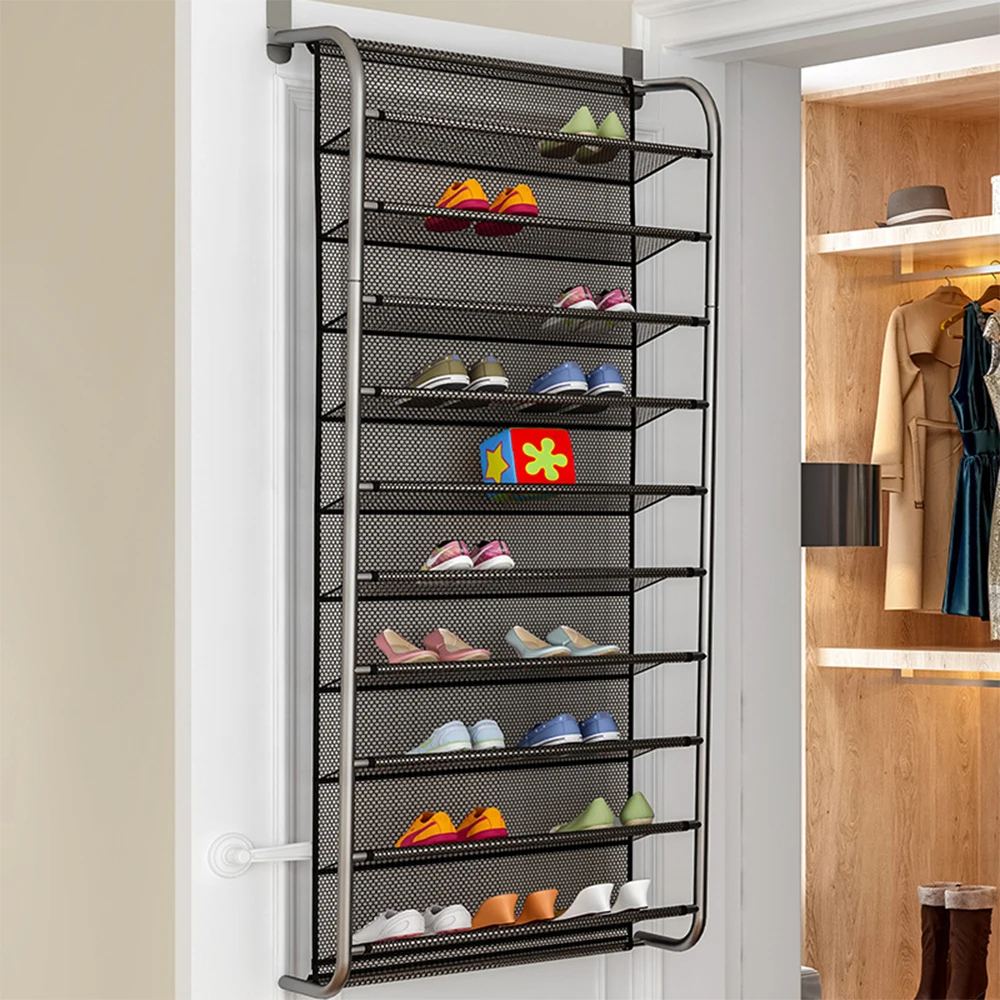
Not all fabrics are born equal. In the past, cheap vinyl pockets were the norm. They’d crack after a winter season or turn yellow under sunlight. Today, materials have evolved. You’ve got options. Breathable mesh is fantastic for sneakers and gym shoes because it lets air circulate. No one wants smelly shoes marinating in plastic. Mesh keeps things fresh. It’s also lightweight, so it doesn’t weigh down the door hinges excessively.
Then there’s clear PVC or reinforced canvas. These are better if you want to see what’s inside at a glance. Clear pockets mean you don’t have to dig around to find your black heels. You just look and grab. But be careful with cheap plastic. In 2026, look for heavy-duty, non-toxic PVC that won’t tear when you shove a bulky boot in. Canvas offers a softer, more textured look that blends better with warm, natural home decor styles. It feels less industrial and more cozy.
Consider the weight capacity too. Heavy boots need strong stitching. If you plan to store winter gear, avoid flimsy thin fabric. Look for double-stitched seams and reinforced tops. The hooks matter as well. Metal hooks are sturdier than plastic ones. They grip the door tighter and don’t snap under pressure. A little extra investment in quality materials means the rack lasts for years, not just months. It’s about buying once, crying once. Or rather, buying well and smiling every time you open the door.
Measuring Twice to Avoid the Slam
Here’s a common mistake. People buy a rack, hang it up, and realize they can’t close the door properly. Or worse, the door slams shut because the rack is too thick. Measurement is key. Before you buy anything, measure the gap between your door and the frame. Most interior doors have a gap of about 1/8 to 1/4 inch. Standard over-the-door hooks fit this range. But if you have a newer, tighter-sealed door, you might need a slim-profile hook.
Next, measure the width of the door itself. You don’t want a wide organizer that hangs over the edges and gets caught on the wall trim. Keep it narrower than the door panel. Also, think about what’s on the other side. Is there a light switch? A thermostat? A coat hook? Make sure the rack won’t block access to these essentials. It’s annoying to have to lift the whole organizer just to turn on the lights.
Don’t forget the height. If you have tall family members, ensure the bottom of the rack doesn’t hit them in the head when they walk through. Or if you have kids, make sure it’s secure enough that pulling on a shoe won’t bring the whole thing down. Stability is crucial. Some racks come with anti-slip pads or screws that anchor into the top of the door. These are worth considering if you have a high-traffic entryway. A wobbly rack is a falling hazard. Take five minutes to measure. It saves hours of frustration later.
Style Matters: Hiding vs. Displaying
Let’s be honest. Some shoes are ugly. Work boots, muddy rain galoshes, worn-out running shoes. Do you really want to see them every time you enter your home? Probably not. For these items, opaque pockets are your friend. They hide the visual clutter. You know your shoes are there, but you don’t have to look at their scuffed toes. This creates a calmer visual environment. It’s like closing the lid on a messy desk.
On the flip side, maybe you love your shoes. You have nice leather loafers or colorful sneakers you’re proud of. Clear pockets let you display them like art. It adds personality to the entryway. In 2026, personalization is big. People want their homes to reflect their tastes. A row of bright, clean sneakers in clear pockets can look intentional and stylish, not messy. It depends on your vibe. Are you going for minimalist zen or eclectic energy?
Color coordination helps too. If you choose a black organizer, it disappears against a dark door. A white one pops against a dark wood door but blends with a white painted door. Think about contrast. You want the organizer to feel like part of the architecture, not an afterthought. Some newer designs even come in neutral tones like beige or gray, which soften the look. Avoid neon colors unless that’s specifically your jam. Neutral tones age better and match changing decor trends.
Beyond Shoes: The Multi-Use Hack
Who says it’s only for shoes? Over-the-door organizers are incredibly versatile. In small entryways, you might not have many shoes, but you have other stuff. Hats, gloves, scarves, umbrellas. These items often end up in a pile on a table or chair. Toss them in the pockets. Use the top rows for lighter items like hats and the bottom rows for heavier boots. It keeps everything contained.
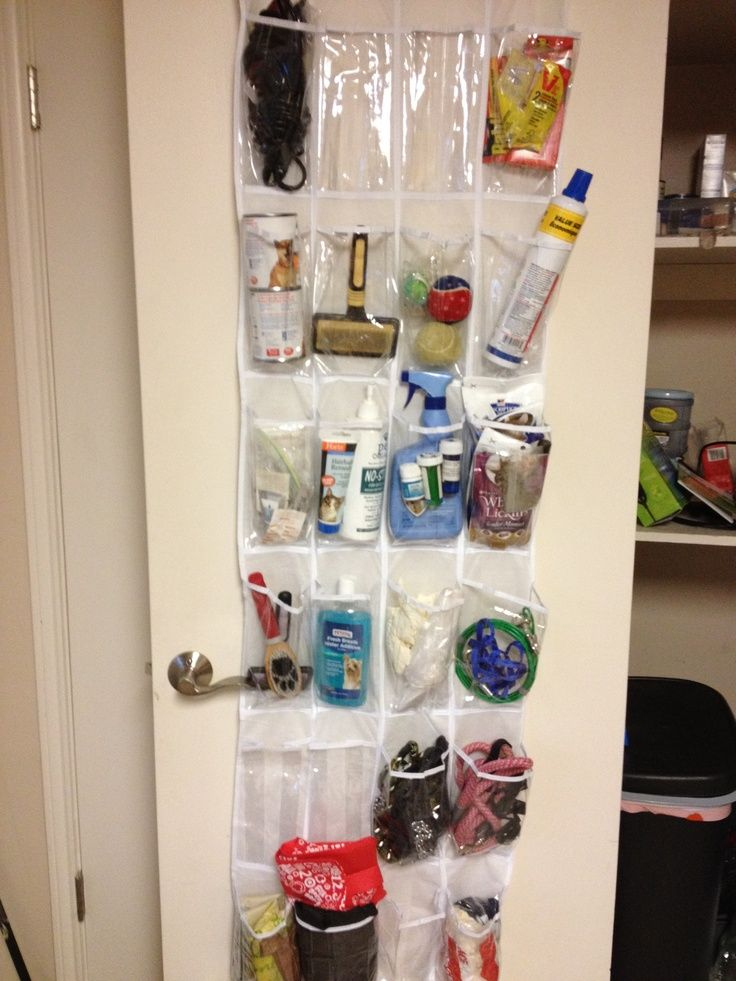
You can also use it for pet supplies. Leashes, poop bags, small toys. Keeping these near the door makes walks easier. No more searching for the leash when the dog is already dancing with excitement. Or maybe gardening tools. If your entryway leads to the backyard, store small trowels and gloves there. The point is to think about function. What do you need right when you leave or enter? Put it in the rack.
This flexibility makes the purchase more valuable. If you change your living situation or your habits, the rack adapts. It’s not a single-use item. In 2026, sustainability is about using what we have in multiple ways. Repurposing a shoe rack for general storage reduces the need for other bins and baskets. It’s a simple shift in thinking. Look at the pockets as general containers, not just shoe slots. This mindset opens up lots of creative storage possibilities.
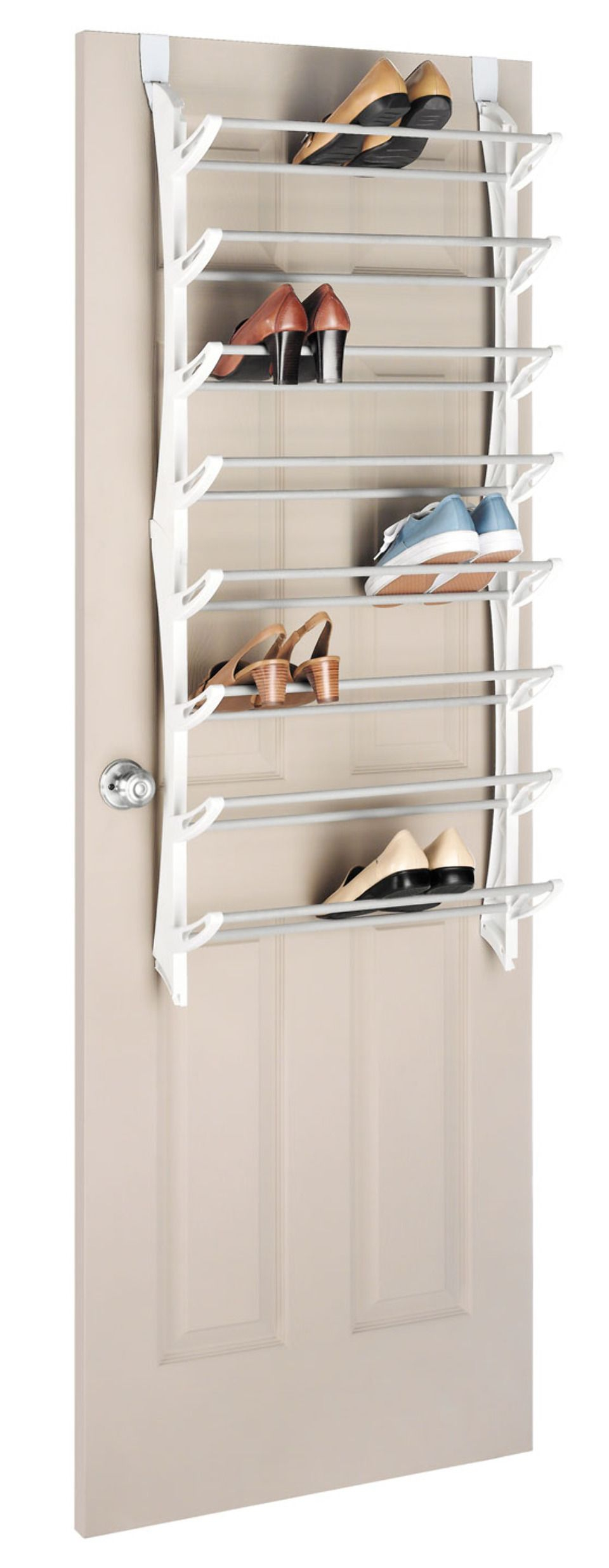
Hanging it up is easy, but doing it right ensures longevity. Start by cleaning the top of the door. Dust and grease can make hooks slip. Wipe it down with a damp cloth. Then, place the hooks over the top. Make sure they are evenly spaced. If the rack has multiple hooks, use all of them to distribute the weight. Don’t just use the corners. This prevents the fabric from sagging in the middle.
Check the balance. Step back and look. Is it straight? Adjust the hooks until it hangs level. A crooked rack looks sloppy and can cause items to slide out. Once it’s up, load it gradually. Don’t shove everything in at once. Start with heavier items at the bottom to lower the center of gravity. This makes the rack more stable. Lighter items go on top. It’s basic physics, but it makes a difference in how the door swings.
Maintenance is simple but necessary. Vacuum the pockets occasionally to remove dust. If you use mesh, you can often toss the whole thing in the washing machine on a gentle cycle. Check the care label first. For canvas or vinyl, wipe with a mild soap solution. Inspect the hooks every few months. Tighten any loose screws if applicable. Replace the rack if the fabric starts to tear. A little care keeps it looking fresh and functioning well for years. It’s a small effort for a big payoff in daily convenience.
Reclaiming your entryway doesn’t require a contractor. It just requires a bit of thought and the right tool. An over-the-door shoe rack is simple, affordable, and effective. It clears the floor, hides the mess, and makes your daily routine smoother. In 2026, we’re all looking for ways to simplify our lives. This is one small step that makes a big difference. So, measure your door, pick a style you love, and hang it up. Your future self, stumbling-free and relaxed, will thank you. It’s amazing how much peace a clear floor can bring.