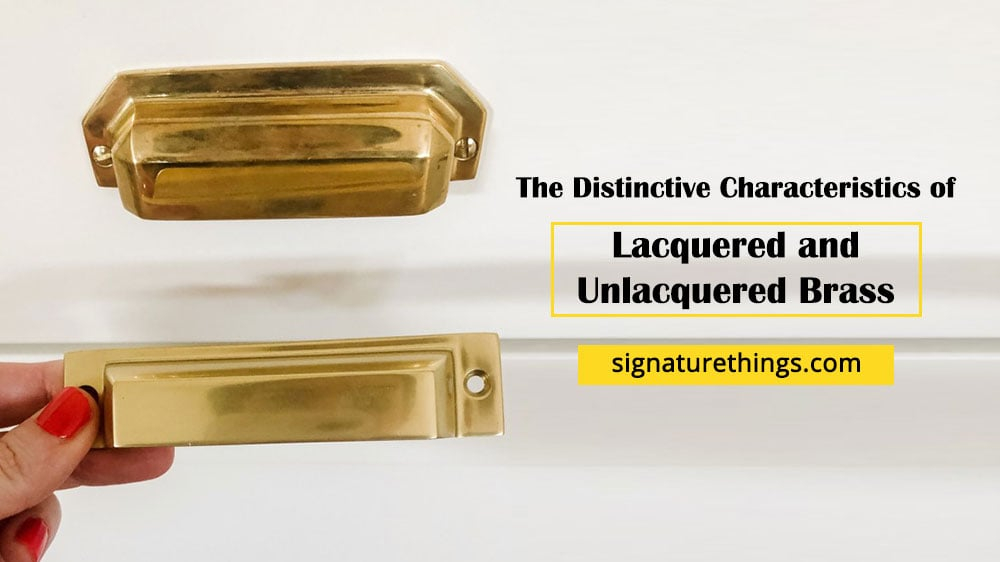
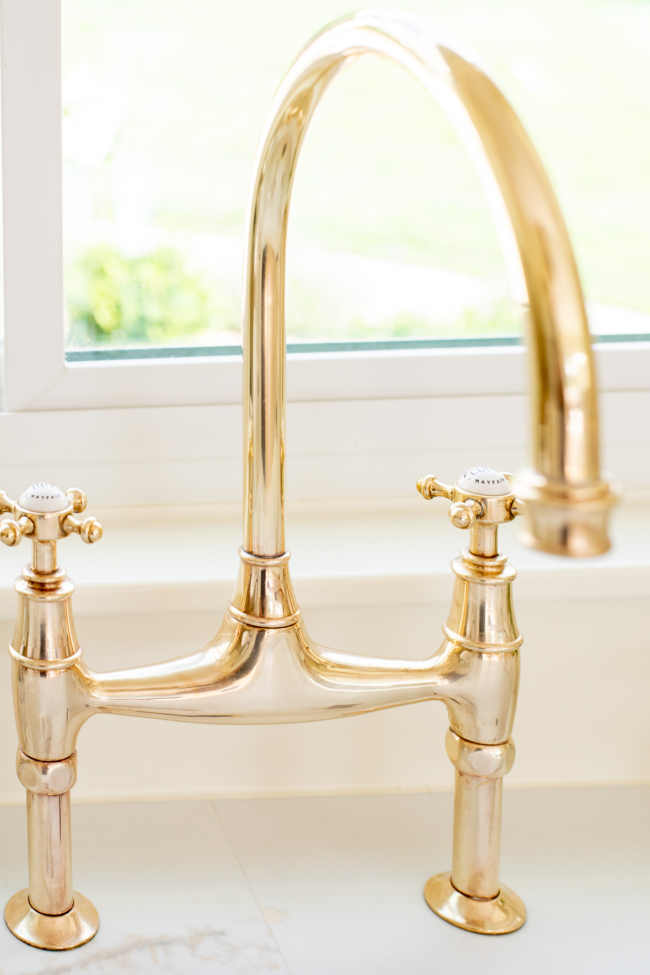
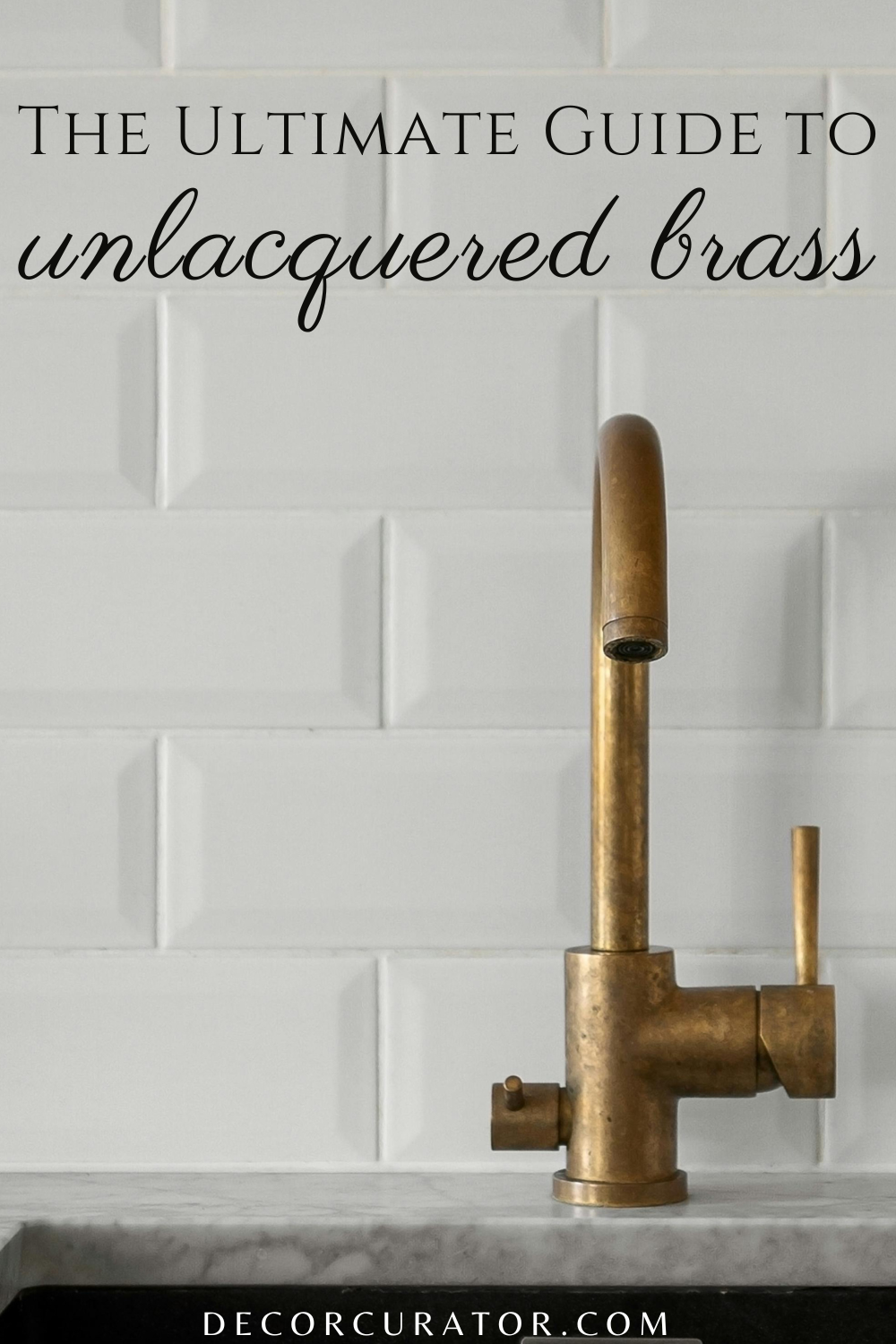
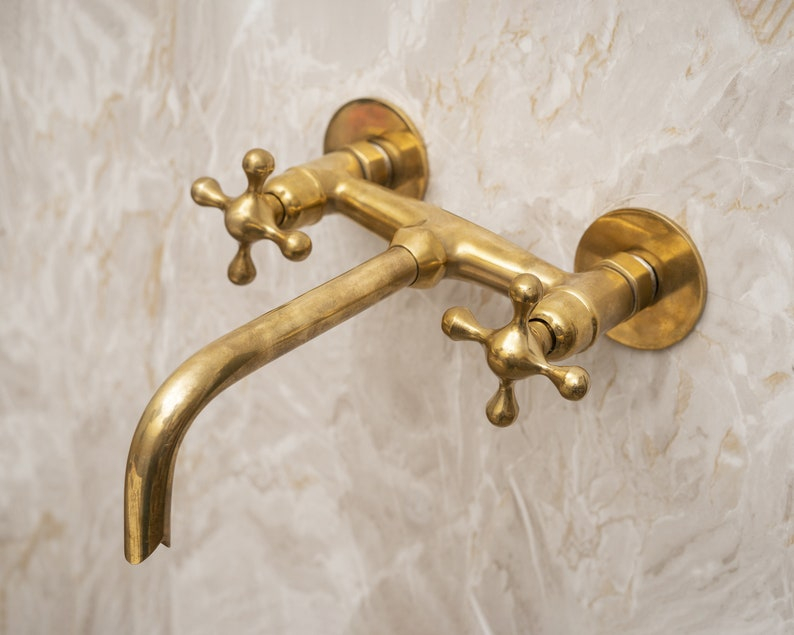
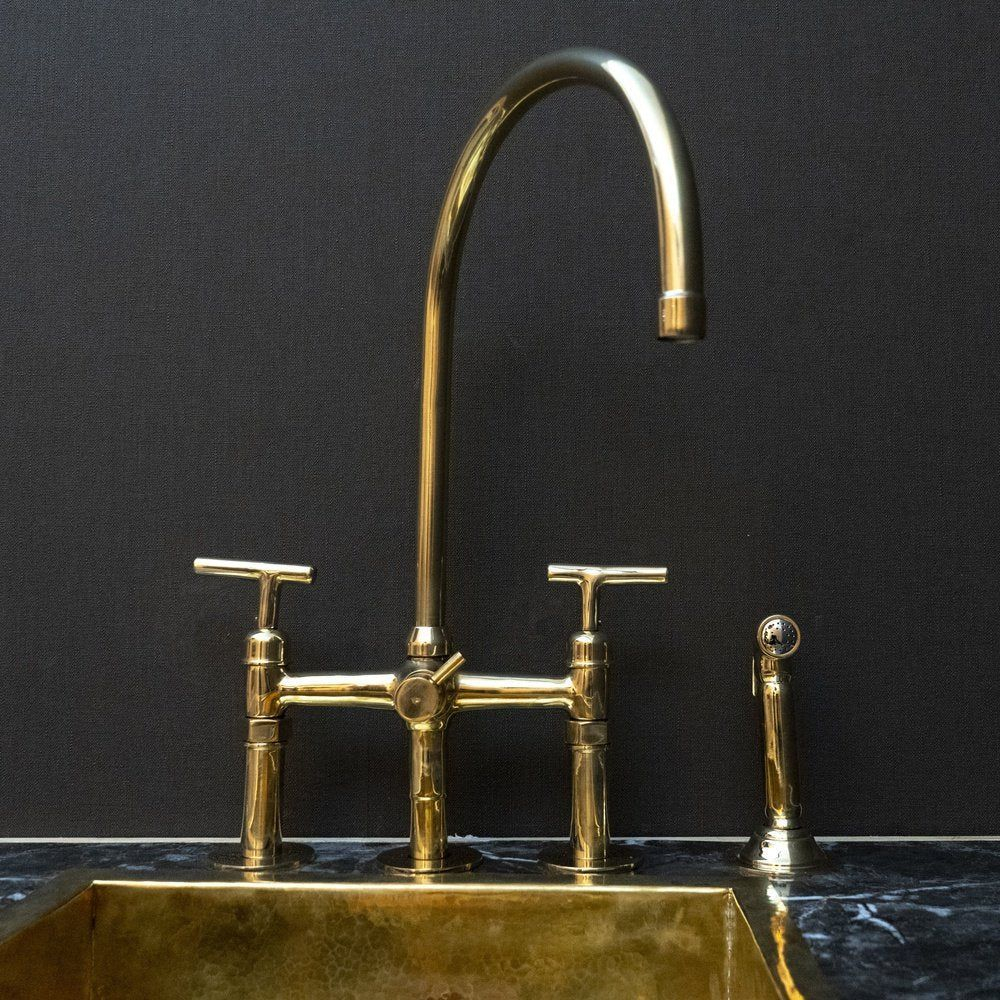
You walk into your kitchen in the morning, coffee mug in hand, and glance at the sink. That brass faucet you installed last year? It doesn’t look like the brochure anymore. Maybe it’s got dark spots near the handle. Maybe the spout has turned a dull, muddy brown instead of that bright, shiny gold you fell in love with at the showroom. Your first instinct might be panic. Did you buy a dud? Is it corroding? Should you scrub it until your arm falls off?
Take a breath. Put down the harsh chemical cleaner. What you’re seeing isn’t damage. It’s life.
In 2026, the trend toward "perfect," static finishes is finally losing its grip. We are tired of surfaces that pretend time doesn’t exist. Chrome stays chrome. Brushed nickel stays gray. But unlacquered brass? It’s different. It’s a living finish. It reacts to the air, the water, and your hands. It tells the story of your home. If you’re feeling frustrated by the change, you’re not alone. But if you can shift your perspective, you might just find that this evolving metal is the most beautiful thing in your house.
The Chemistry of Change: It’s Not Dirt, It’s Reaction
So, why does it actually happen? It helps to understand that brass is an alloy, mostly copper and zinc. When you buy unlacquered brass, there is no protective plastic-like coating (lacquer) sealing it off from the world. It is naked. Exposed. And because it contains copper, it wants to react with oxygen. This process is called oxidation.
Think of it like an apple slice turning brown after you bite it. It’s not rotting; it’s just interacting with the air. With brass, this interaction creates a layer on the surface known as patina. In the beginning, your faucet is bright and reflective. But within weeks—sometimes days, depending on how much you cook or wash hands—that shine starts to mute. The copper atoms on the surface bond with oxygen, sulfur, and moisture in the air. This creates copper oxide and copper sulfide. These compounds are darker than the raw metal. Hence, the color shift.
It’s important to note that this isn’t uniform. Water spots leave mineral deposits. Fingerprints leave oils and acids from your skin. These create unique patterns. One spot might darken faster because it’s near the steam from your kettle. Another might stay brighter because you wipe it down often. This irregularity is exactly what makes it authentic. In a world of 3D-printed perfection, this chemical randomness feels real. It’s grounded.
The Timeline: From Bright Gold to Deep Honey
If you’re wondering when the change happens, the answer is: immediately. But the visible change takes a bit of time. In the first few weeks of 2026, many homeowners report a "shock phase." The bright gold dims. It loses that mirror-like reflection. This is often where people start worrying. They think they did something wrong. You didn’t. This is just the initial oxidation layer forming.
By month three or four, the color usually settles into a warmer, deeper tone. Think of old honey or antique bronze. This is the stage many designers actually prefer. It’s rich. It has depth. The sharp glare of new metal is gone, replaced by a soft glow. If you live in a humid climate or have hard water, this process might speed up. Hard water leaves calcium marks that can etch slightly into the patina, creating little white rings or spots. Some people hate this. Others find it charming, like freckles on skin.
After a year or so, the patina stabilizes somewhat. It won’t keep getting darker forever. It reaches a kind of equilibrium with your environment. At this point, the brass has a vintage feel. It looks like it has been there for decades, even if you only bought it last spring. This accelerated aging is part of the appeal. You get the character of an heirloom without waiting three generations. It’s instant history, but it still continues to evolve slowly with every use.
Water, Hands, and Humidity: The Variables
Not all brass faucets age the same way. If your neighbor’s faucet looks different from yours, it’s not because they have a better brand. It’s because their life is different. The primary drivers of patina are water quality, humidity, and human touch. Let’s break these down, because knowing them helps you predict what your fixture will do.
Water is the biggest factor. If you have hard water (high mineral content), you’ll see more spotting. These spots are usually white or chalky at first, but they can darken over time as minerals trap dirt and oil. Soft water tends to create a more even, smooth darkening. Also, the temperature matters. Hot water accelerates oxidation. So, the parts of the faucet you use for hot water might darken faster than the cold side. It’s subtle, but it’s there.
Then there’s you. Your hands carry natural oils, salts, and acids. Every time you turn that handle, you’re leaving a microscopic signature. High-touch areas, like the lever handles, often develop a smoother, darker sheen because the constant friction polishes the patina while the oils deepen the color. Low-touch areas, like the back of the spout, might develop a rougher, matte texture. Humidity plays a role too. A bathroom faucet in a steamy shower room will patina much faster than a powder room faucet that rarely sees moisture. It’s all about exposure.
To Polish or Not to Polish: Making the Choice
Here is the big question: Do you fight the change, or do you let it be? There is no right answer, only your preference. In 2026, the prevailing wisdom is to embrace it, but that doesn’t mean you have to love every spot. You have two main paths. Path one is the "Naturalist." You let the brass do whatever it wants. You clean it with mild soap and water to remove grime, but you don’t try to restore the shine. You accept the darkening as part of the material’s soul.
Path two is the "Curator." You like the warmth of brass, but you prefer it brighter. This is totally fine. You can polish your faucet. But know this: it’s a commitment. If you polish it back to shiny gold, it will start darkening again immediately. You’ll be polishing it every week or two if you want it to stay bright. For some, this ritual is meditative. They enjoy the act of caring for the object. For others, it’s a chore. Be honest with yourself about how much effort you want to put in.
If you choose to polish, avoid harsh chemicals. Many commercial brass cleaners contain ammonia or strong acids that can strip the metal unevenly or damage the underlying structure over time. Stick to natural methods. A paste of lemon juice and baking soda works wonders. Or just a good old-fashioned brass polish cloth. The key is consistency. If you let it get super dark and then scrub it hard, you might create uneven patches. Gentle, regular maintenance is better than occasional deep cleans.
Cleaning Without Killing the Vibe
Let’s talk about daily care. Whether you’re embracing the patina or fighting it, you still need to clean the faucet. Food splatters, toothpaste, and soap scum aren’t part of the aesthetic. They’re just dirt. The good news is that cleaning unlacquered brass is easy. You don’t need special products. In fact, special products are often the problem.
Use warm water and a drop of mild dish soap. A soft sponge or cloth is your best friend. Avoid abrasive scrubbers like steel wool or harsh scouring pads. These will scratch the surface. Scratches on unlacquered brass will darken quickly, creating permanent lines. If you have water spots, wipe them dry after use. This simple habit prevents mineral buildup. It takes two seconds. Dry the faucet with a soft towel after you’re done washing dishes. That’s it.
If you notice a particularly stubborn spot, don’t panic. Let it sit for a day. Sometimes, what looks like a stain is just a temporary reaction to something acidic, like tomato sauce or vinegar. It might fade on its own as the metal re-equilibrates. If it doesn’t, a gentle rub with a bit of olive oil can help blend it in. Oil darkens the brass temporarily, masking light spots and giving the whole fixture a unified, rich look. It’s a quick fix that buys you time.
Designing with Imperfection in Mind
Embracing patina isn’t just about maintenance; it’s about design mindset. In 2026, interiors are moving away from sterile minimalism toward "warmth" and "texture." Unlacquered brass fits perfectly here. It pairs beautifully with natural materials like wood, stone, and linen. These materials also age and change. A wooden cutting board gets knife marks. A linen curtain softens and fades. A brass faucet darkens. Together, they create a cohesive narrative of use and life.
When choosing other fixtures, consider how they will age too. Don’t pair unlacquered brass with high-gloss, perfect chrome. The contrast will make the brass look dirty rather than aged. Instead, mix it with matte black, aged iron, or natural ceramics. These finishes share a similar muted, organic quality. They don’t compete for attention. They harmonize. The goal is a space that feels collected, not catalog-bought.
Also, think about lighting. Patina looks best in warm light. Cool, blue-toned LED lights can make darkened brass look gray or sickly. Warm bulbs (2700K to 3000K) enhance the golden and brown tones of the patina, making it glow. If you’re renovating, check your bulb temperatures. It’s a small detail that makes a huge difference in how your living finish performs visually. It’s about setting the stage for the metal to shine, even when it’s not technically shiny.
At the end of the day, your faucet is a tool. You use it. It gets wet. It gets touched. In a culture that often treats homes like museums, unlacquered brass is a rebellion. It demands that you accept wear. It asks you to find beauty in the evidence of your own life. The dark spots? Those are from the nights you cooked dinner for friends. The worn handle? That’s from the mornings you rushed to get to work.
This shift in perspective is the hardest part, but also the most rewarding. Once you stop seeing the change as damage, you start seeing it as character. Your home becomes a reflection of your journey, not just a display of your purchasing power. In 2026, this authenticity is prized. We are craving connection to real things, things that have weight and history and presence.
So, look at your brass faucet again. Don’t judge it by the photo on the box. Judge it by how it feels in your hand. Judge it by how it fits into your day. If it’s dark, let it be dark. If it’s spotted, let it be spotted. Or polish it, if that brings you joy. Either way, you’re participating in a quiet revolution. You’re choosing a material that lives, breathes, and ages with you. And honestly? That’s pretty beautiful.