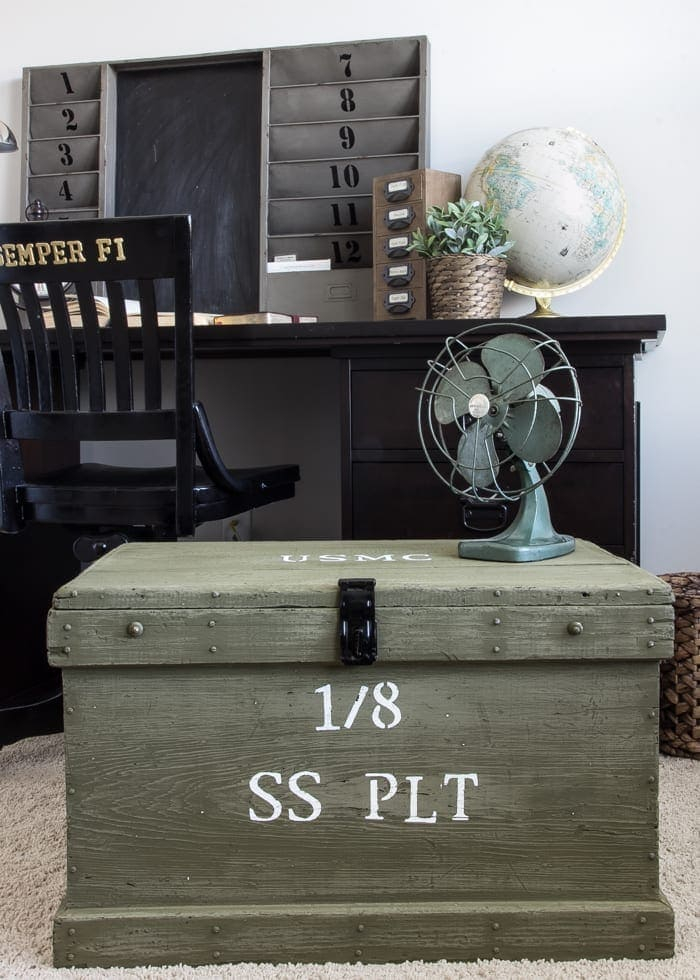
There’s something undeniably magnetic about walking into a living room and spotting a weathered leather trunk sitting squarely in the center. It stops you. Maybe it’s the brass hardware catching the afternoon light, or perhaps it’s the faint scent of old wood and travel that seems to linger around it. You don’t just see a table; you see a story. In 2026, this isn’t just a quirky retro trend making a comeback. It’s a full-blown design movement. People are tired of flat-pack furniture that feels disposable. They want pieces with soul. And nothing has quite as much soul as a campaign trunk.
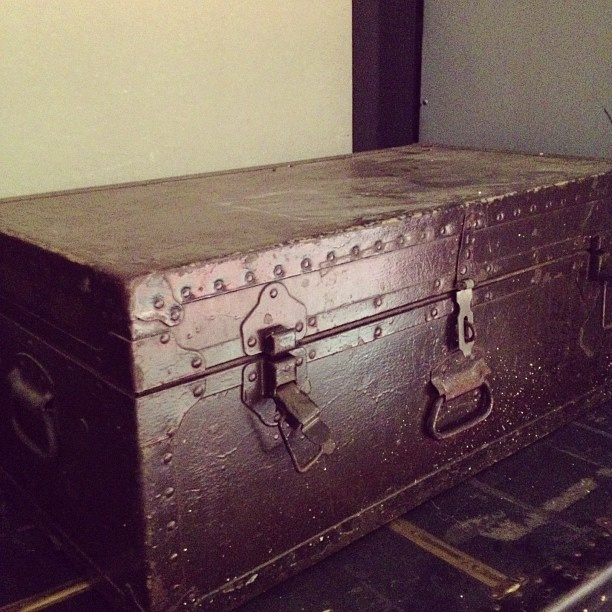
You might be wondering, what exactly is a campaign trunk? Well, back in the day, these weren’t just luggage. They were portable wardrobes for officers and travelers who needed their belongings organized while on the move. They were built to withstand rough handling, humid jungles, and dusty roads. That durability is exactly why they work so well today. They aren’t fragile antiques that need to be looked at but not touched. They are workhorses. And when you plonk one down in front of your sofa, it changes the entire energy of the room. It grounds the space. It adds weight, both physically and visually.
But it’s not just about nostalgia. Designers love them because they solve real problems. We all have clutter. We all have those extra throw blankets, the board games we only play once a year, or the kids’ toys that need to disappear before guests arrive. A standard coffee table offers a surface, sure. But a campaign trunk? It offers a secret. It’s a chest of hidden possibilities. This blend of form and function is rare. Usually, you have to choose between a beautiful piece that’s impractical or a useful piece that’s ugly. The campaign trunk refuses to compromise. It’s beautiful because it’s useful, and useful because it’s beautiful.
The Storyteller in the Room
Every scratch on a vintage campaign trunk tells a tale. Maybe that dent on the corner happened during a train ride through the Alps in the 1920s. Or perhaps the faded leather strap was replaced by a sailor in the 1950s. When you use one as a coffee table, you’re inviting history into your home. It’s not just decor; it’s a conversation starter. Guests don’t just glance at it; they lean in. They ask questions. "Where did you find that?" becomes the most common question in the house. And honestly, isn’t that what we want from our spaces? To connect with each other?
In a world where everything is new and shiny, imperfection stands out. Designers call this "wabi-sabi," the Japanese aesthetic of finding beauty in imperfection. A campaign trunk is the epitome of this. The brass might be tarnished. The wood might have water rings. But these aren’t flaws. They’re features. They prove that the object has lived. It has survived. There’s a comfort in that. It reminds us that things can age gracefully. In 2026, as we move away from the sterile, minimalist looks of the early 2020s, we’re craving warmth. We want our homes to feel lived-in, not like showroom displays. A campaign trunk delivers that instantly.
Think about the contrast it creates. If you have a sleek, modern sofa with clean lines, placing a rugged, vintage trunk next to it creates a dynamic tension. It breaks up the monotony. It adds texture. Leather against fabric. Metal against wood. Old against new. This layering is what makes a room feel curated rather than decorated. It shows that you have an eye for detail. You didn’t just buy a matching set from a catalog. You hunted for something unique. That effort translates into a space that feels personal and authentic. It’s your space, not a manufacturer’s idea of what your space should look like.
Storage That Doesn’t Sacrifice Style
Let’s be real for a second. Living rooms get messy. Life happens. Kids leave toys everywhere. Partners leave remotes on every surface. We love the idea of a clutter-free home, but maintaining it is hard work. This is where the campaign trunk shines brighter than almost any other piece of furniture. It’s a vacuum for clutter. Open the lid, toss in the pile of magazines, the extra pillows, or the gaming controllers, and close it. Done. The mess is gone, but the style remains. It’s magic, basically.
Most coffee tables today are either open shelves (which just display your clutter) or have small, flimsy drawers that barely fit a coaster. A campaign trunk, on the other hand, offers deep, spacious storage. You can fit winter blankets in there during the summer. You can store holiday decorations. You can keep your laptop and chargers tucked away when you’re done working. It’s versatile. And because the trunk is sturdy, you don’t have to worry about it breaking under the weight of stored items. These things were built to hold heavy uniforms and equipment. Your throw blankets are no match for them.
But it’s not just about hiding things. It’s about organizing them in a way that feels intentional. Some designers even use the inside of the trunk for display. Imagine opening the lid to reveal a collection of vintage books or a set of beautiful ceramic bowls. It becomes a surprise element. It’s functional art. You control the narrative. When the lid is closed, it’s a sleek, solid surface. When it’s open, it’s a showcase. This duality allows you to change the look of your room depending on the occasion. Having a party? Close it up for a clean look. Hosting a cozy movie night? Open it up to grab blankets easily. It adapts to your life.
Versatility Across Design Styles
One of the biggest misconceptions about vintage trunks is that they only work in rustic or industrial spaces. Sure, they look amazing in a farmhouse setting with exposed beams and reclaimed wood floors. But in 2026, we’re seeing them everywhere. They’re being used in ultra-modern lofts, bohemian apartments, and even traditional colonial homes. Why? Because they’re chameleons. A campaign trunk doesn’t dictate the style of the room; it complements it. It’s neutral enough to fit in, but distinct enough to stand out.
In a modern minimalist apartment, a leather-bound trunk adds warmth and texture to an otherwise cold space. It softens the sharp edges of glass and steel. In a bohemian chic room, a trunk with intricate carvings or colorful patterns adds to the eclectic vibe. It fits right in with the plants, rugs, and tapestries. In a traditional library, a wooden trunk with brass corners feels right at home among the bookshelves and leather armchairs. It’s timeless. It doesn’t belong to one specific era or aesthetic. It belongs to any space that values character.
This versatility also extends to how you style the top of the trunk. Because the surface is usually flat and sturdy, you can treat it like any other coffee table. Add a tray to corral drinks. Stack some art books. Place a vase of fresh flowers. The key is balance. Since the trunk itself is a statement piece, you don’t need to over-decorate the top. Let the trunk do the talking. A simple candle or a single sculptural object is often enough. This ease of styling is another reason designers love them. They’re low-maintenance high-impact pieces. You don’t need to be a professional stylist to make them look good.
The Practicality of Durability
Let’s talk about longevity. Most furniture today is made to last five, maybe ten years. Then it wobbles, or the finish chips, or the style goes out of fashion, and it ends up in a landfill. Campaign trunks are different. They were built for war, for travel, for survival. They are constructed with thick wood, reinforced corners, and heavy-duty hardware. A trunk that’s 100 years old is often in better condition than a table bought last year. This durability is a huge selling point for conscious consumers in 2026. We’re more aware of waste. We want to buy things that last.
Using a trunk as a coffee table means you’re investing in a piece that can withstand daily abuse. Kids can jump on it (though maybe don’t encourage that). Pets can scratch it. Spills can happen. The beauty of a vintage trunk is that it already has a patina. A new scratch just adds to the story. You don’t have to baby it. This freedom is liberating. You can actually live in your living room. You don’t have to constantly worry about protecting the furniture. It’s designed to be used. Hard.
Plus, they’re easy to maintain. A quick wipe down with a damp cloth is usually all they need. For leather trunks, an occasional conditioning keeps the material supple. For wood, a bit of polish brings out the grain. There’s no complex upkeep required. And if something does break, like a latch or a handle, it’s usually easy to repair. Hardware stores sell replacement parts, or you can find a local craftsman to fix it. Unlike modern particle-board furniture, which is often impossible to repair, a campaign trunk can be restored. It’s a sustainable choice that pays off in the long run.
Finding and Styling Your Perfect Piece
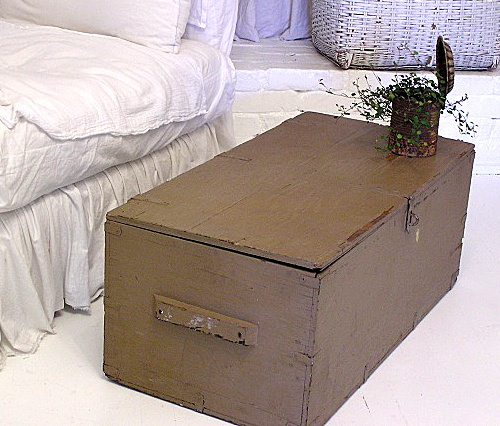
So, you’re convinced. You want a campaign trunk. Now what? Finding the right one can be an adventure in itself. Start by looking at local antique shops, estate sales, and flea markets. This is where you find the real gems with history. Online marketplaces are also great, but be careful. Check the dimensions. Some trunks are quite tall, which might make them uncomfortable as coffee tables. Ideally, you want something around 16 to 18 inches high, similar to standard coffee table height. If you find a perfect trunk that’s too tall, don’t worry. You can remove the feet or have a carpenter cut it down. It’s a common modification.
When choosing a trunk, consider the condition. Do you want something pristine and restored, or something rough and original? Both have their charm. A restored trunk might fit better in a polished, modern space. An original, worn trunk might suit a rustic or eclectic vibe. Look for structural integrity. Make sure the lid opens and closes smoothly. Check for smells. Musty odors can be hard to get rid of. If it smells bad, keep looking. Also, check the hardware. Brass should be solid, not plated plastic. Wood should be free of major rot or termite damage. Small cracks are fine; they add character.
Once you have your trunk, think about placement. Center it in front of your sofa for a traditional look. Or, use two smaller trunks side-by-side for a symmetrical effect. You can even use one as a side table next to an armchair. Don’t be afraid to experiment. Add legs if you want to lift it off the ground for a lighter feel. Paint it if you want a pop of color, though many designers recommend keeping the natural finish to preserve its vintage appeal. The goal is to make it feel like it belongs. Let it sit for a few days. Live with it. See how it feels. Adjust as needed. It’s your home, after all.
At the end of the day, using a campaign trunk as a coffee table is about more than just furniture. It’s about embracing a slower, more thoughtful way of living. It’s about valuing history over hype. It’s about choosing quality over quantity. In a fast-paced world, having a piece of furniture that encourages you to pause, to touch, to wonder, is a gift. It connects you to the past while serving your present needs. It’s a bridge between generations.
Designers love them because they’re unpredictable. No two trunks are alike. Each one has its own personality. This uniqueness is antidote to the cookie-cutter interiors that dominate so many homes. It allows for self-expression. It shows that you value individuality. And let’s face it, it’s just cool. There’s a certain swagger to having a piece of military or travel history in your living room. It suggests adventure. It suggests curiosity. It suggests that you’re someone who appreciates the journey, not just the destination.
So, if you’re looking to refresh your living space, consider skipping the big-box store. Go hunting. Find a trunk. Bring it home. Give it a good clean. Place it in front of your sofa. Sit down. Put your feet up. Notice how the room feels different. Warmer. More interesting. More you. That’s the power of a campaign trunk. It’s not just a table. It’s a companion. And in 2026, that’s exactly what our homes need. Companionship. Character. And a little bit of mystery.