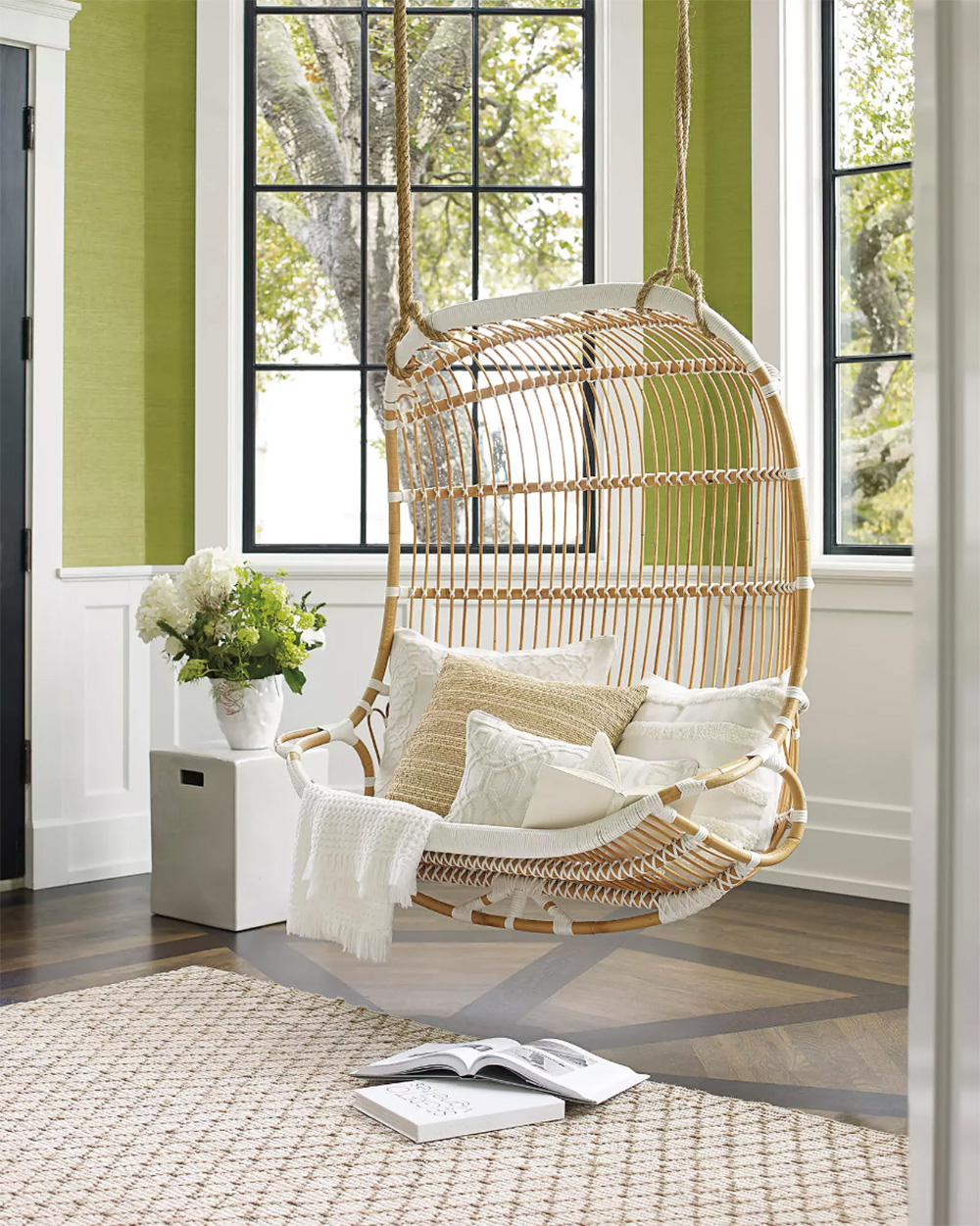
You know that feeling when you just need to disappear for a bit? Not in a bad way, but in that "I need to recharge my social battery" kind of way. We’ve all been there. In 2026, our homes aren’t just places where we sleep and eat; they are our offices, our gyms, and our sanctuaries. And right in the middle of this shift, one piece of furniture has quietly taken over our living rooms and bedrooms. It’s the hanging egg chair.
It’s not just a trend that popped up overnight and will vanish by next Tuesday. This is something deeper. It’s about how we live now. We are craving comfort that feels like a hug. We want designs that look cool but also feel good on the soul. The egg chair does both. It’s sculptural, sure. But it’s also a private little world you can step into without leaving your house.
So why are we so obsessed? Is it the nostalgia of mid-century design? The need for a quiet corner in a noisy world? Or maybe it’s just really comfy? Probably all of the above. Let’s dive into why this suspended seat has become the heart of modern interior design, and how you can make it work in your own space without it looking like you just copied a magazine page.
Reclaiming Vertical Space in Compact Living
Let’s be real. Most of us aren’t living in massive mansions with endless square footage. Especially in urban areas, space is at a premium. We have to get creative. Traditional furniture eats up floor space. A big armchair, a sofa, a coffee table—it all adds up fast. But a hanging egg chair? It floats. It uses vertical space instead of horizontal space. This is a huge deal for modern designers who are trying to make small apartments feel airy and open.
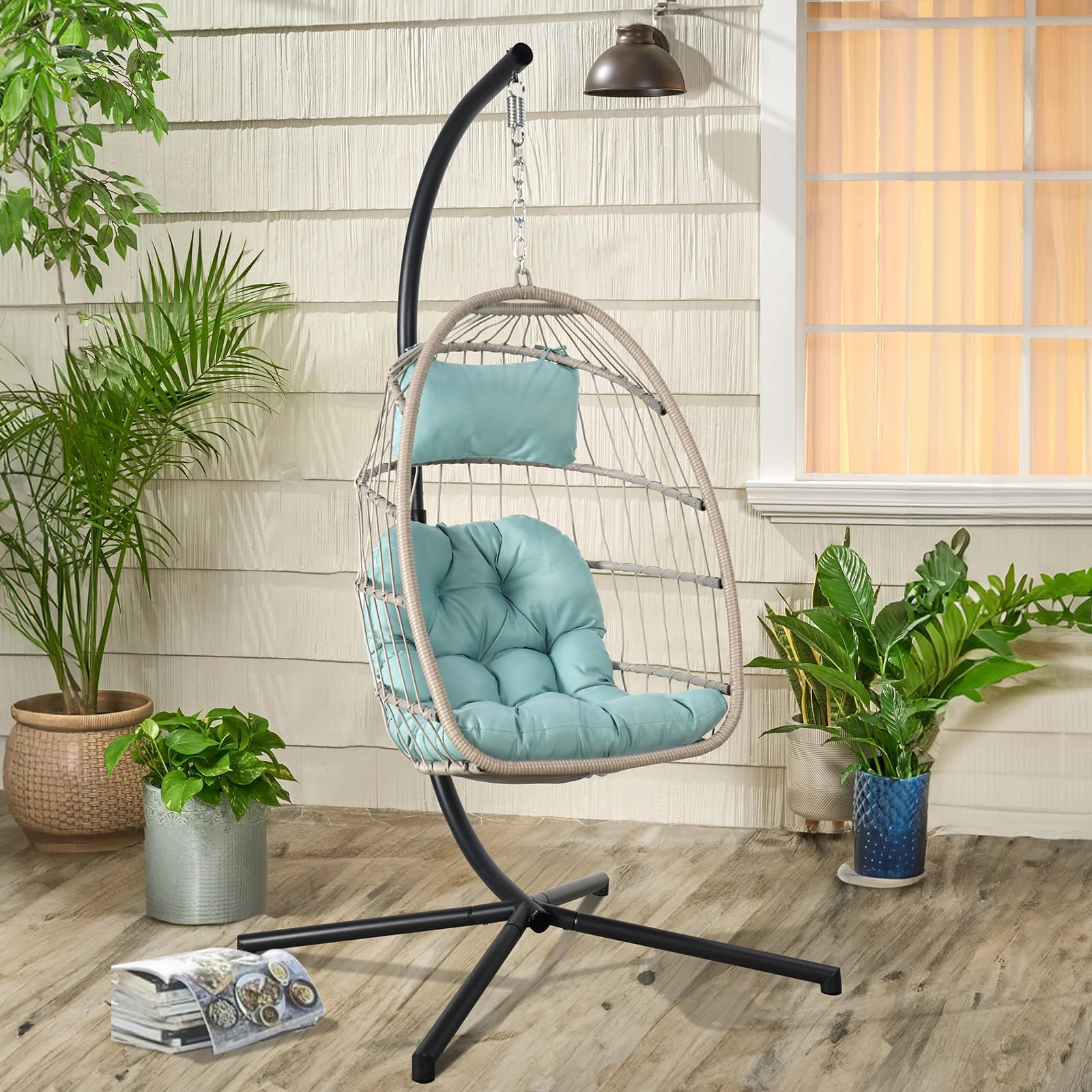
By suspending the chair from the ceiling or using a slim stand, you free up the floor beneath it. You can put a small rug there, a plant, or just leave it empty to create a sense of flow. It’s an architectural trick that changes how a room feels. Suddenly, the eye is drawn upward, making the ceilings feel higher and the room larger. It’s smart design that solves a practical problem while looking incredibly stylish.
This shift towards verticality isn’t new, but its application in residential spaces has peaked in 2025 and 2026. People are realizing that their walls and ceilings are underutilized real estate. Hanging seats allow for a dynamic layout that doesn’t block pathways. You can swing gently without kicking the coffee table. It’s functional freedom. And let’s face it, anything that makes a small space feel bigger is a win in my book.
The Biophilic Connection: Bringing Nature Indoors
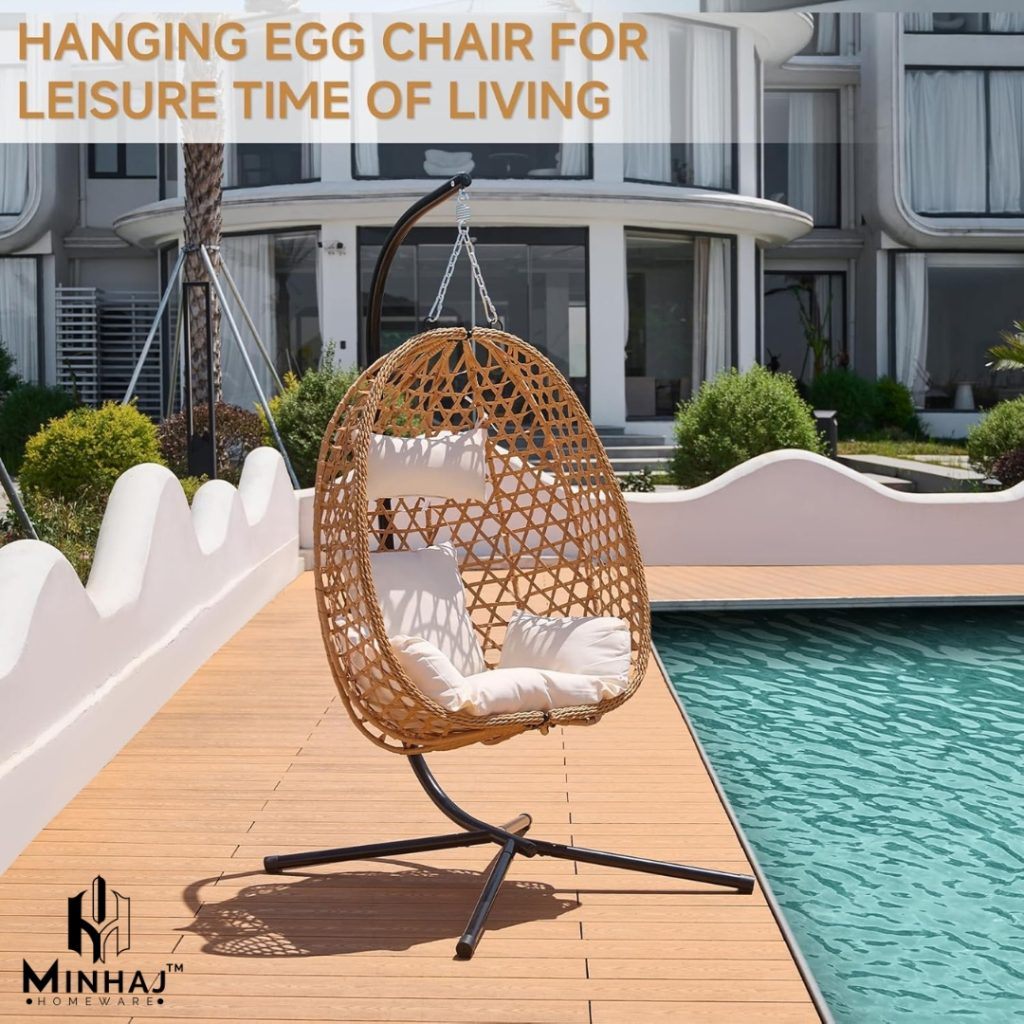
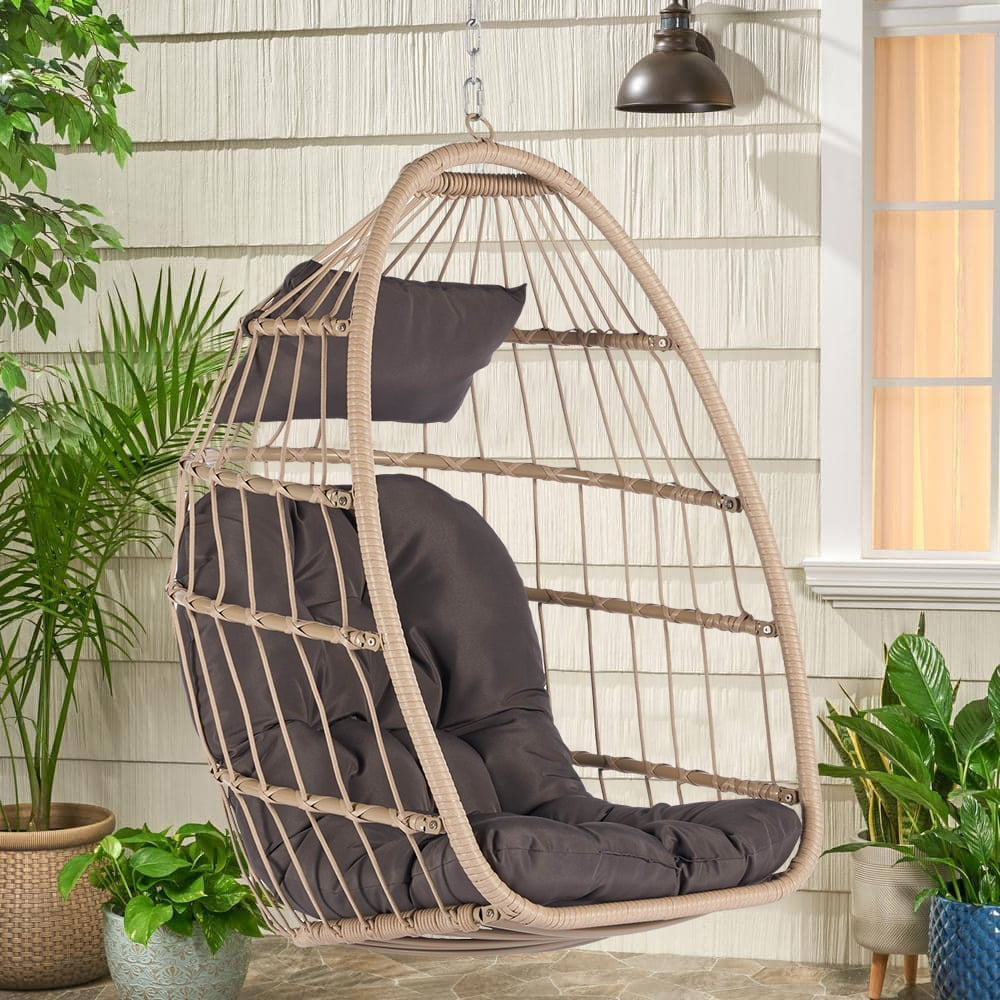
There’s a big word thrown around in design circles lately: biophilia. It basically means our innate human desire to connect with nature. We feel better when we’re around plants, natural light, and organic materials. The hanging egg chair fits perfectly into this philosophy. Many of the most popular models today are made from rattan, wicker, or woven synthetic fibers that mimic natural textures. They bring a touch of the outdoors inside, even if you live in a high-rise in the city.
Think about it. When you sit in a woven chair, surrounded by greenery, it feels different than sinking into a leather recliner. It’s lighter. Airier. It breathes. Designers are pairing these chairs with hanging plants, wooden accents, and earth-tone palettes to create mini-oases within the home. It’s not just about aesthetics; it’s about well-being. Studies have shown that incorporating natural elements reduces stress and boosts mood. The egg chair becomes a vessel for that calm.
In 2026, this connection is stronger than ever. We’ve spent years indoors, and we’re hungry for that natural link. The egg chair acts as a bridge. It’s a nest, reminiscent of birds or natural pods. It taps into something primal. We feel safe in enclosed spaces that still offer a view of the outside world. By choosing materials that reflect nature, we’re not just decorating; we’re healing. It’s a subtle but powerful shift in how we approach our living environments.
A Nod to Mid-Century Modern Heritage
You can’t talk about egg chairs without mentioning history. This style has roots in the mid-20th century, particularly in Danish design. Nanna Ditzel, a legendary designer, created the famous Hanging Egg Chair back in the day. It was a defining moment for Scandinavian design, mixing innovative forms with traditional craftsmanship. Today, we’re seeing a massive revival of that era’s aesthetics. But it’s not just a copy-paste job. It’s an evolution.
Modern interpretations keep the soul of the original but update it for contemporary life. We see cleaner lines, new materials, and colors that fit current trends. The influence of mid-century modern design is everywhere, from our TVs to our kitchens. The egg chair is a centerpiece of this movement. It honors the past while feeling completely current. It’s timeless, which is rare in the fast-paced world of interior trends.
People love stories, and this chair has a good one. Owning a piece that connects to design history adds depth to your home. It’s not just a chair; it’s a conversation starter. It shows you appreciate quality and heritage. In 2026, consumers are more educated about design origins. They want pieces with meaning. The egg chair delivers that. It’s a tribute to the innovators who dared to suspend furniture from the ceiling decades ago, proving that good design never really goes out of style.
Versatility Across Every Room in the House
One of the coolest things about the indoor egg chair is how versatile it is. You might think it belongs only in a bohemian living room, but that’s limiting. In 2026, we’re seeing them everywhere. In bedrooms, they create a cozy reading nook away from the bed. In home offices, they offer a break spot for brainstorming or taking a call without sitting at a desk. Even in dining areas, a stationary egg chair with a stand can add a unique focal point.
The key is matching the style to the room. A white, minimalist egg chair works beautifully in a modern, clean-lined bedroom. A dark, woven rattan version adds warmth to a rustic living space. For kids’ rooms, there are playful, colorful options that double as a fun hideaway. The adaptability is endless. You can dress it up with plush cushions and throws for winter, or strip it back for a breezy summer look.
This flexibility is why it’s such a smart investment. You’re not buying a piece that’s stuck in one context. If you move or redecorate, the chair moves with you. It adapts. Designers love this because it allows for creative expression in any corner of the home. Whether you have a sprawling open-plan loft or a tiny studio, there’s an egg chair configuration that fits. It’s truly one of the most adaptable seating options available today.
Creating a Personal Sanctuary for Mental Wellness
Let’s talk about comfort. Not just physical comfort, though these chairs are famously cozy. I’m talking about mental comfort. Life is loud. Notifications ping, traffic honks, and demands pile up. The hanging egg chair offers a physical boundary. When you sit in it, especially if it’s high-backed or enclosed, you’re somewhat separated from the rest of the room. It creates a sense of privacy and security. It’s a cocoon.
This is crucial for mental wellness. Having a dedicated spot to decompress helps regulate stress. It’s a place to read, meditate, or just stare out the window. The gentle swinging motion many of these chairs offer is soothing. It’s rhythmic and calming, similar to a rocking chair but with a modern twist. In 2026, as we prioritize mental health, our homes are being designed to support this. The egg chair is a tool for self-care.
It’s interesting how a piece of furniture can impact our mood. By creating a designated "quiet zone," we signal to our brains that it’s time to slow down. It’s a physical reminder to take a break. For parents, it might be the only place they get five minutes of peace. For remote workers, it’s a transition space between work mode and home mode. The value isn’t just in the design; it’s in the experience it provides. It’s a retreat you can hang in your living room.
So, you want an egg chair. Great choice. But how do you style it so it doesn’t look out of place? First, consider the scale. Make sure the chair fits the room. A massive chair in a tiny corner will feel cramped. A tiny chair in a huge room will look lost. Measure your space. Think about clearance for swinging if it’s hanging. You don’t want to hit a wall or a lamp.
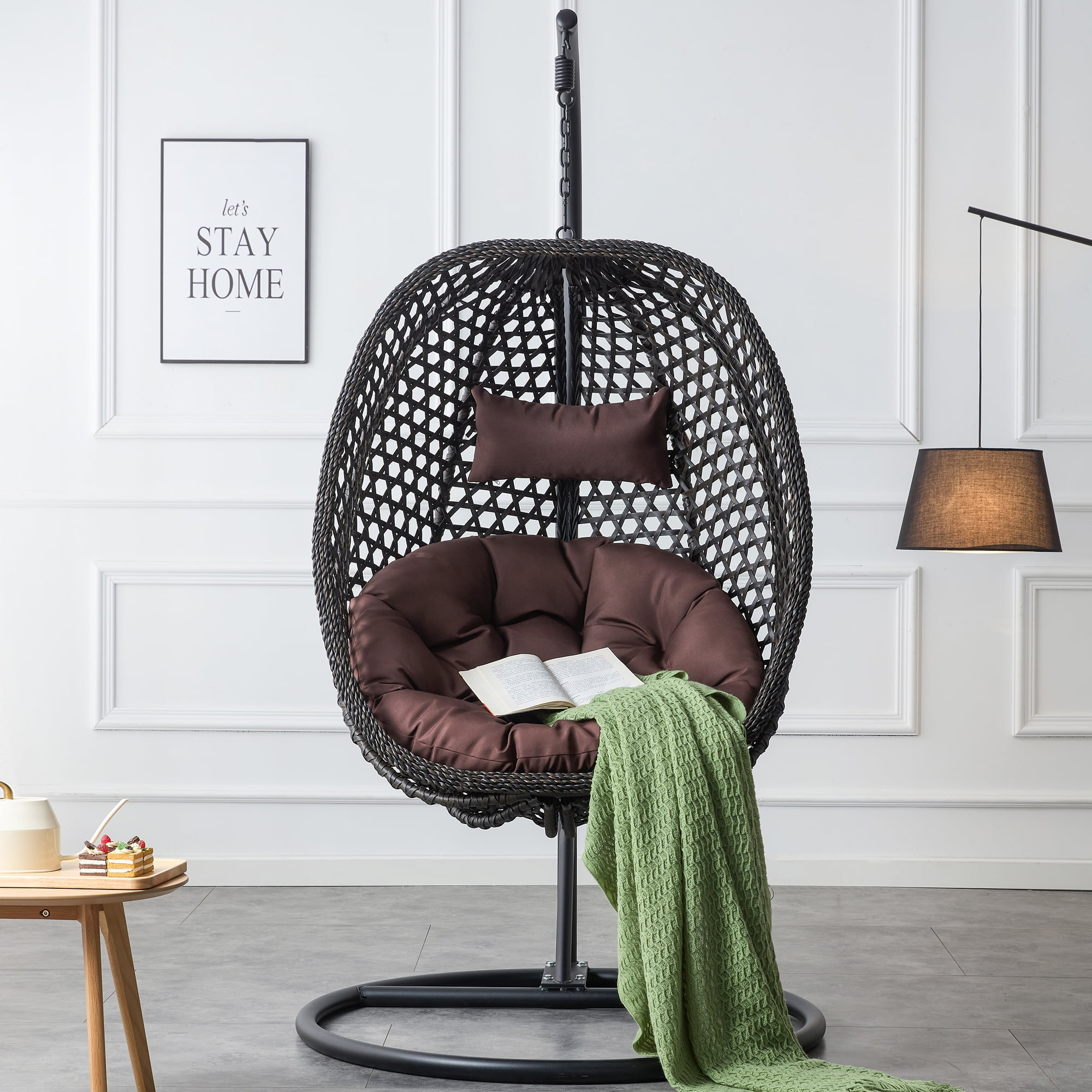
Next, think about textiles. Cushions are your friend. They add color and texture. In 2026, we’re seeing a mix of natural fabrics like linen and cotton with bold patterns. Don’t be afraid to layer. A chunky knit throw draped over the side adds coziness. If the chair is woven, add softness. If it’s smooth leather or plastic, add warmth with wool or fur accents. It’s all about balance.
Lighting matters too. Place a floor lamp nearby or hang a pendant light above the chair to create a focused pool of light. This enhances the sanctuary feel. It makes the chair a destination. And don’t forget the floor. A round rug underneath anchors the space and defines the zone. It ties everything together. Finally, keep the surrounding decor simple. Let the chair be the star. Too much clutter around it will diminish its impact. Keep it clean, keep it intentional, and enjoy your new favorite spot. There might be a typo in my notes here, but the advice stands solid.
In the end, the hanging egg chair trend isn’t just about following what’s popular. It’s about responding to how we live today. We need spaces that are flexible, calming, and beautiful. We need to use our homes efficiently while making them feel expansive. The egg chair checks all those boxes. It’s a blend of form and function that resonates with the modern homeowner.
As we move further into 2026, this trend shows no signs of slowing down. If anything, it’s becoming more integrated into our daily lives. It’s not a fad; it’s a fixture. Whether you choose a vintage-inspired rattan model or a sleek, modern composite, you’re investing in a piece that offers more than just a place to sit. You’re investing in a moment of peace. A little escape. And honestly, who couldn’t use one of those?