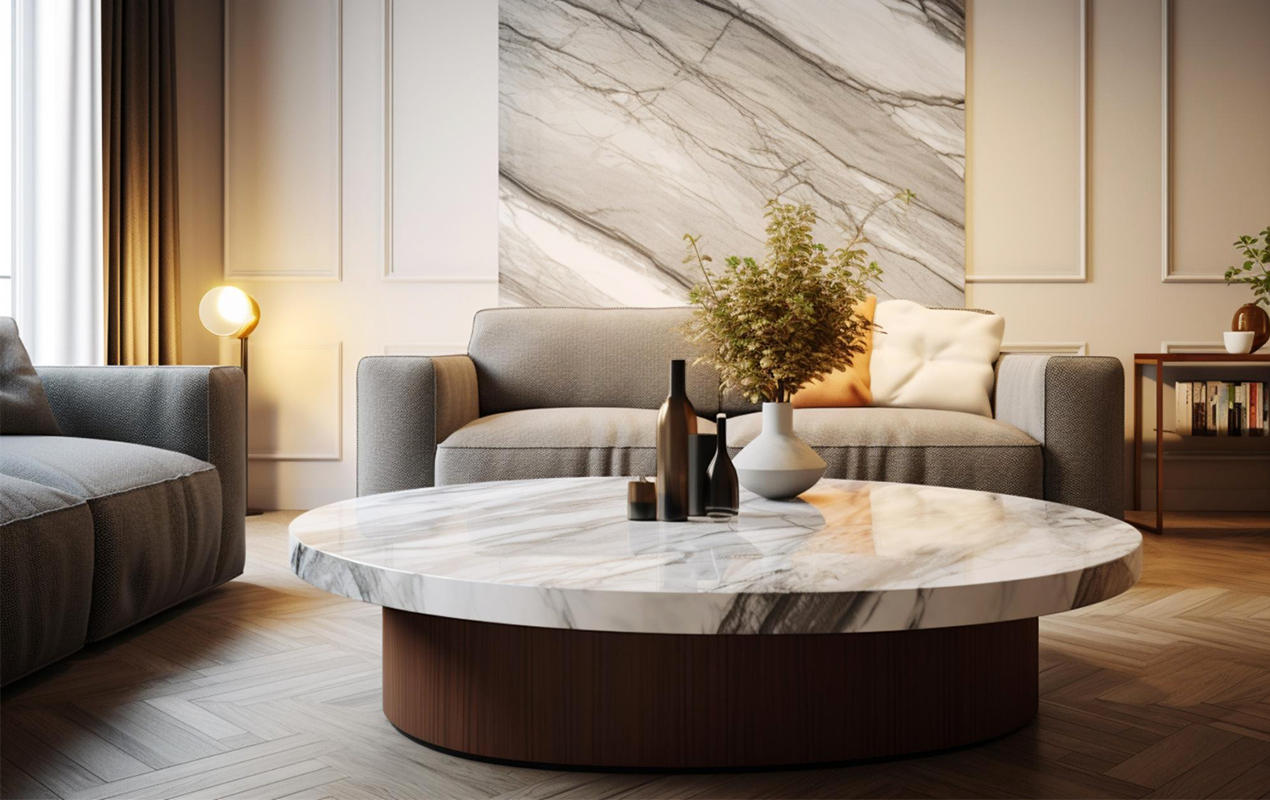
You walk into the showroom. The lights are bright. The slabs are massive. And suddenly, your head is spinning. On one side, you have the cool, creamy allure of natural marble. It looks like something out of a Parisian apartment from the 19th century. On the other, you have engineered quartz. It’s perfect. Too perfect? Maybe. It promises you a life free from worry. But does it have soul?
This is the dilemma so many of us face when remodeling our kitchens or bathrooms. It’s not just about picking a color. It’s about picking a partner for your daily routine. Do you want a surface that ages with you, telling the story of every dinner party and spilled glass of wine? Or do you want a surface that stays exactly as it was the day it was installed, no matter how chaotic life gets?
There is no wrong answer here. But there is definitely a wrong answer for you. If you hate wiping up spills immediately, marble might drive you crazy. If you crave unique patterns that no one else has, quartz might feel a bit sterile. Let’s cut through the marketing noise. Let’s look at what these materials actually do in real homes, in 2026, for real people.
The Soul of Stone vs. The Science of Surface
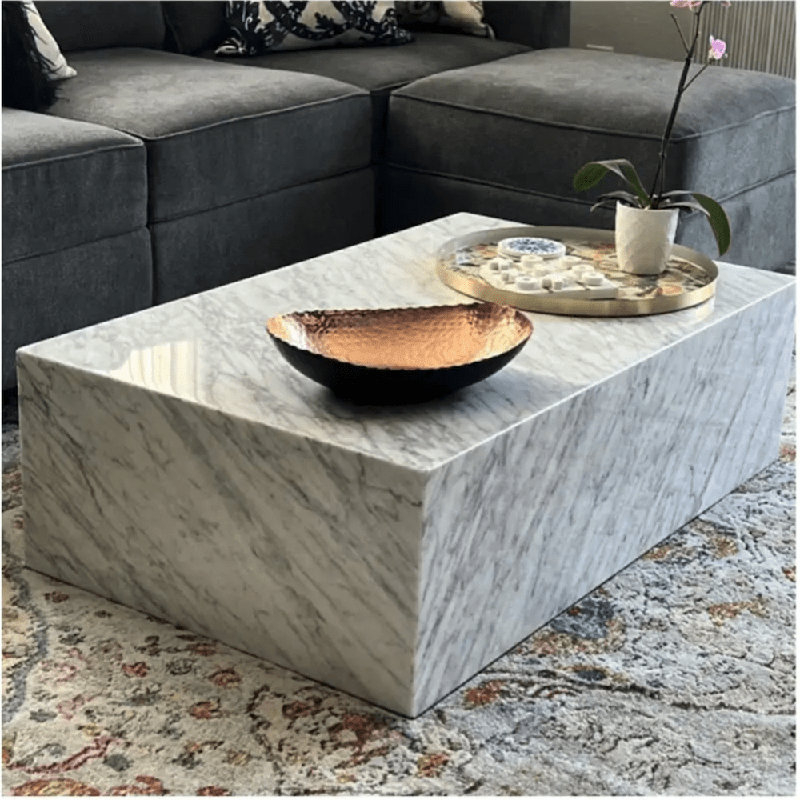
Natural marble is, well, natural. It’s pulled from the earth. It’s metamorphic rock, mostly limestone that got squished and heated over millions of years. That’s why every single slab is different. You can’t fake the veins in a Calacatta Gold slab. They are random. They are chaotic. They are beautiful. When you buy marble, you are buying a piece of geology. You are buying history.
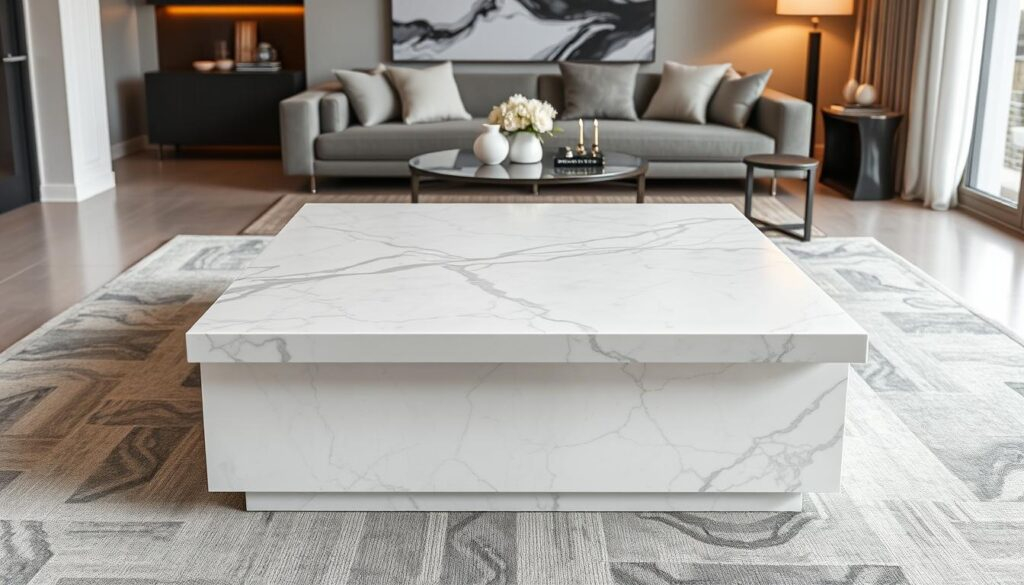
Engineered quartz is different. It’s man-made. Take about 90-95% ground natural quartz crystals, mix them with polymer resins and pigments, and bake it under high pressure. The result is a non-porous, incredibly consistent surface. In 2026, the technology has gotten so good that some quartz looks startlingly like stone. But it’s still engineered. It’s designed. It’s controlled.
Think of it like this. Marble is like a handmade ceramic mug. It might have a slight wobble. The glaze might drip in an unexpected way. But it feels warm in your hand. Quartz is like a precision-machined titanium cup. It’s lightweight. It’s indestructible. It’s perfectly symmetrical. Both hold coffee. But they give you a different feeling when you use them.
The aesthetic choice often comes down to how much "imperfection" you can handle. Marble lovers say the imperfections are the point. The etching from a lemon wedge? It’s patina. It’s character. Quartz lovers say, "Why would I pay thousands of dollars for a countertop that looks damaged after a week?" Neither side is crazy. They just value different things. One values authenticity. The other values predictability.
The Kitchen Test: Durability in the Real World
Let’s talk about the kitchen. This is where the rubber meets the road. Or rather, where the knife meets the cutting board. Marble is soft. On the Mohs hardness scale, it sits around a 3 to 4. Quartz is harder, usually around a 7. What does that mean for you? It means if you drop a heavy cast iron pan on marble, it might chip or crack. If you drop it on quartz, the pan will probably break before the counter does.
But hardness isn’t everything. Marble is porous. This is the big one. If you spill red wine, olive oil, or even coffee on unsealed marble, it will stain. It sucks up liquids like a sponge. You have to seal it regularly. In 2026, there are better sealers than there were ten years ago, but it’s still a chore. Quartz is non-porous. The resin fills all the gaps. You can spill wine, leave it overnight, and wipe it up in the morning with zero consequences.
Heat is another factor. Marble can handle heat pretty well, but sudden temperature changes can cause it to crack. Quartz? The resin can melt or discolor if you put a hot pot directly on it. Yes, really. Many people don’t know this. They think because it’s "stone," it’s heat proof. It’s not. You need trivets for quartz. You need coasters for marble. Both require some level of care, just for different reasons.
So, who wins the durability contest? If you are clumsy, have kids who treat surfaces like climbing walls, or cook elaborate meals with lots of acids (tomato sauce, lemon juice, vinegar), quartz is the safer bet. It forgives mistakes. Marble demands mindfulness. It asks you to be present in your kitchen. If you are the type to wipe as you go, marble can last a lifetime. If you are the type to leave dishes in the sink for two days, marble will punish you.
The Wallet Watch: Cost and Long-Term Value
Money talks. Let’s listen. Generally, natural marble is more expensive than quartz. But it’s not always a simple comparison. High-end luxury quartz brands can cost just as much as mid-range marble. Entry-level marble might be cheaper than premium quartz. It depends on the rarity of the stone and the brand of the engineered product.
In 2026, the supply chain for natural stone has stabilized somewhat after the disruptions of the early 2020s. However, quarrying marble is still labor-intensive. It’s heavy. It’s fragile to transport. You pay for that logistics nightmare. Quartz is manufactured in factories, often closer to where it’s sold. This can keep costs down. But don’t assume quartz is always the budget option.
Installation costs are similar for both. They both require professional templating and installation. You can’t DIY this. But here is where the long-term cost comes in. Marble requires maintenance. You need to buy sealer. You might need to hire a professional to polish out etches or stains every few years. This adds up. Quartz basically costs nothing to maintain beyond soap and water.
Resale value is tricky. Some buyers love marble. It signals luxury. It signals taste. Other buyers see marble and think "high maintenance nightmare." They might lowball their offer because they anticipate having to replace it. Quartz is seen as a safe, modern choice. It appeals to the broadest range of buyers. If you plan to sell your home in five years, quartz might offer a smoother path. If you plan to stay forever, the cost difference matters less than your daily enjoyment.
The Care Routine: What Does Daily Life Look Like?
Let’s get specific. What does Tuesday night look like with each material? With marble, you finish dinner. You wipe the counters with a soft cloth and a pH-neutral cleaner. You never, ever use Windex or vinegar-based cleaners. They will eat the surface. You check for spills. Did someone leave a wet glass on the counter? Move it. Dry the spot. You are vigilant.
With quartz, you finish dinner. You wipe the counters with almost anything. Well, not abrasive pads, but most household cleaners are fine. You don’t worry about the wet glass. You don’t worry about the splash of balsamic vinegar. You just live your life. It’s liberating. For busy families, this ease of use is often the deciding factor. It’s not about being lazy. It’s about mental load.
But there is a flip side. Marble enthusiasts argue that the care routine is meditative. It connects you to your home. They enjoy the ritual of caring for something beautiful. They don’t mind the extra step. In fact, they prefer it. It makes the kitchen feel special. Quartz, while easy, can feel a bit industrial. It doesn’t ask anything of you. Some people find that comforting. Others find it boring.
Also, consider repairs. If marble chips, a professional can often fill and polish it so you can’t tell. If quartz chips, it’s harder to fix invisibly because the pattern is only on the surface (in some older types) or the repair might show against the uniform background. However, quartz is less likely to chip in the first place. Marble is more prone to damage, but also more forgiving of repair.
Where They Shine: Best Rooms for Each Material
Not every room needs the same performance. Marble is stunning in bathrooms. Why? Because you aren’t cooking with acids in the bathroom. You aren’t dropping hot pans. You are washing your hands. Maybe some toothpaste splatter. Marble handles this environment beautifully. The humidity doesn’t bother it. The occasional water ring wipes away. A marble vanity top feels like a spa. It elevates the space instantly.
Quartz is the king of the kitchen. Especially high-traffic kitchens. If you bake bread every weekend, make pizza, or host large gatherings, quartz takes the hit. It handles the flour, the rolling pins, the sticky dough. It doesn’t stain from turmeric or beet juice. For islands where kids do homework and eat snacks, quartz is a lifesaver. It’s hygienic too, since bacteria can’t hide in pores.
What about flooring? Marble floors are classic. Think grand foyers. But they scratch. Sand and dirt act like sandpaper on marble shoes. You need to sweep constantly. Quartz tiles exist, but they are less common for flooring than porcelain or natural stone. If you do use quartz on the floor, it’s durable, but can be slippery when wet. Marble, when honed (matte finish), offers better traction.
Outdoor use? Generally, neither is recommended for uncovered outdoor kitchens. Marble can weather and discolor in UV light and rain. Quartz resin can yellow or degrade in direct sunlight over time. If you have a covered patio, quartz might work. But for true outdoor durability, granite or porcelain slabs are better bets. Stick to indoors for marble and quartz to keep them looking their best.
Still stuck? Good. It’s a big decision. Don’t rush it. Sit with it. Here are some questions to ask yourself. Be honest. No one is judging you. Do you enjoy cleaning? Or do you view it as a chore to be minimized? If you hate cleaning, lean towards quartz. Do you value uniqueness over perfection? If you want a one-of-a-kind piece of art, lean towards marble.
How do you feel about change? Marble will change. It will etch. It will stain slightly. It will develop a patina. Some people love this evolution. They call it "living with the stone." Others see it as damage. If the idea of a mark on your counter stresses you out, do not buy marble. You will regret it. Quartz will look the same in ten years as it does today. Is that comforting or dull to you?
Consider your lighting. Marble reflects light differently than quartz. It has a depth, a translucency, especially if it’s a lighter color. Quartz can look a bit flatter, though high-quality brands are improving this. Bring samples home. Look at them in your actual kitchen light. Morning light. Evening light. See how they feel. Do they make you happy?
Finally, trust your gut. Visit a stone yard. Touch the slabs. Run your hand over the cold marble. Feel the smooth, warm-ish quartz. Which one draws you in? Which one feels like "home"? Trends come and go. In 2026, both are popular. Both are valid. The right choice is the one that fits your life, not the one that looks best on Instagram.
Choosing between marble and quartz isn’t just about specs. It’s about how you want to live. Do you want the drama and beauty of nature, with all its quirks? Or do you want the reliability and ease of modern engineering? There is beauty in both. There is value in both. Take your time. Breathe. And pick the one that makes you smile when you walk into the room. That’s the only metric that truly matters.