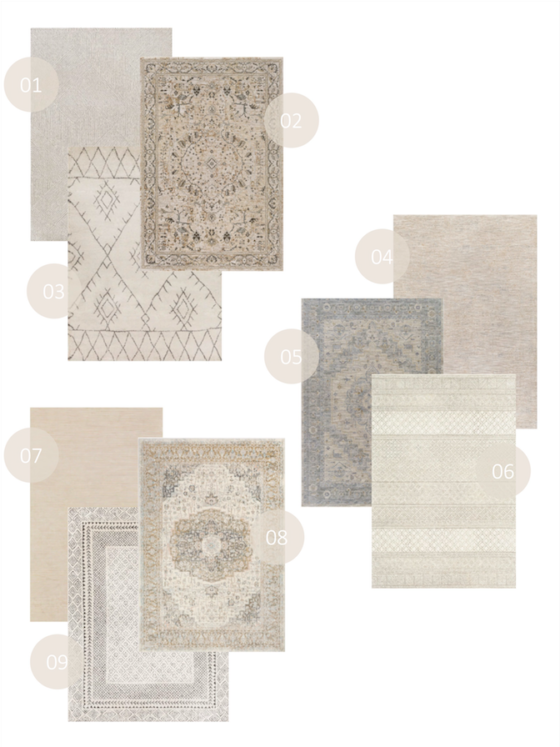
You know that feeling when you walk into a room and it just feels… right? Like a warm hug from an old friend. It’s not the furniture, exactly. It’s not the paint color on the walls, though that helps. It’s something deeper. Something underfoot. In 2026, we’ve finally stopped pretending that one perfect, expensive rug is the answer to all our decor problems. We’re looking down. Literally. The secret to that elusive cozy vibe isn’t about buying the most luxurious single piece of wool you can find. It’s about what you put underneath it.
For years, we were told to keep it simple. One rug. Clean lines. Don’t clutter the floor. But life isn’t clean lines. Life is messy and layered and textured. And our homes are starting to reflect that again. The trend of "rug layering" has moved from a quirky designer hack to a mainstream necessity for anyone wanting their living room to feel lived-in and inviting. It’s about depth. It’s about history. It’s about making a space feel like it evolved over time, rather than being bought in a single afternoon from a catalog.
So, why does this matter now? Well, after years of minimalist dominance, people are craving comfort. Real, tangible comfort. We spend more time at home than ever before, and we want those spaces to nurture us. A single flat rug, no matter how pretty, can feel a bit sterile. But add a base layer? Suddenly, the room has soul. It has weight. It anchors you. Let’s dig into why this simple shift is changing the way we design our sanctuaries.
The Psychology of Layers and Warmth
Why do layers make us feel safe? Think about getting dressed in winter. You don’t just wear one thick coat. You wear a base layer, a sweater, maybe a vest, and then the coat. Each layer traps heat. Each layer adds protection. The same logic applies to our floors. When we layer rugs, we are literally insulating our living spaces. But it’s more than just physical warmth. It’s psychological.
In 2026, interior psychologists are pointing to "tactile diversity" as a key factor in reducing home anxiety. When your feet touch different textures—maybe a rough jute base peeking out from under a soft velvet top rug—your brain registers variety. It registers interest. This sensory engagement grounds you. It pulls you out of your head and into your body. A single, uniform surface doesn’t offer that same level of engagement. It’s too easy to ignore. But a layered floor invites you to notice. To pause. To breathe.
This is also about visual weight. A room with only one rug can sometimes feel like it’s floating, especially if the rug is light-colored or small. Adding a darker, larger base layer anchors the furniture. It tells the eye where the conversation area begins and ends. It creates a boundary that feels secure, not restrictive. It’s a subtle cue that says, "This is a place for resting." And honestly, who doesn’t need more of those cues in their life right now?
Choosing Your Base: The Foundation of Comfort
Okay, so you’re convinced. You want to layer. But what goes on the bottom? This is where most people get stuck. They think the base rug needs to be fancy. It doesn’t. In fact, it’s better if it isn’t. The base layer is the workhorse. It’s the unsung hero. Its job is to provide grip, size, and a neutral backdrop. Natural fibers are your best friends here. Jute, sisal, seagrass, or even a simple, low-pile cotton canvas.
Jute is a favorite for 2026 because it’s sustainable and incredibly durable. It adds a nice earthy tone that works with almost any color palette. Plus, it’s usually cheaper than your top rug, which means you can go bigger without guilt. Remember, the base rug should be larger than your top rug. Ideally, it should extend 12 to 18 inches beyond the edges of the top rug. This frame effect is crucial. It shows off the layering intent. If they’re the same size, it just looks like a mistake. Like you forgot to take the old rug away.
Don’t worry about the base being perfect. It’s going to be mostly covered. Scratches, stains, or slight discoloration on a jute rug? Who cares. It’s supposed to look a bit rugged. This takes the pressure off. You can find these base rugs at thrift stores, outlet shops, or even use an old rug that’s seen better days. As long as it’s flat and clean, it’s good to go. This approach is also budget-friendly. You’re not buying two luxury items. You’re buying one statement piece and one functional foundation. It’s smart design.
The Top Layer: Texture, Pattern, and Personality
Now for the fun part. The top rug is where you get to express yourself. This is the star of the show. Since the base is neutral and textured, you have total freedom here. Want a bold geometric pattern? Go for it. The jute underneath will calm it down. Want a super plush, high-pile sheepskin or wool rug for maximum coziness? The base will keep it from sliding around and add contrast. This is where you invest in quality if you can, but it’s also where you can experiment with vintage finds.
In 2026, we’re seeing a huge rise in mixing eras. A modern, abstract top rug over a traditional, worn Persian-style base (or vice versa) creates a dynamic tension that feels very current. It tells a story. It says you appreciate both the old and the new. The key is contrast. If your base is rough, make the top soft. If your base is solid, make the top patterned. If your base is dark, make the top light. Opposites attract, especially on the floor.
Also, consider the shape. You don’t have to stick to rectangles. A round cowhide or a circular woven rug on top of a square jute base breaks up the boxiness of a room. It adds flow. It softens the angles of your sofa and coffee table. This is particularly effective in smaller living rooms where straight lines can feel cramped. A curved top layer draws the eye inward, creating a focal point that feels organic and natural. It’s a small change with a big impact.
Practical Tips for Keeping It Safe and Stable
Let’s talk safety. Because slipping rugs are no joke. Layering introduces a new variable: friction between two textiles. Sometimes they grip each other well. Sometimes they slide around like ice skaters. You need to make sure your setup is stable. The first rule is to use a rug pad. Yes, even with two rugs. A thin, non-slip felt pad between the base rug and the floor is essential. It protects your hardwood or tile and keeps the whole stack in place.
For the interface between the two rugs, you have options. If the top rug is heavy and textured, it might stay put on its own. But if it’s lightweight or silky, consider using double-sided carpet tape sparingly along the edges. Or, look for specialized rug grippers designed for layering. These are small, discreet dots that stick to the back of the top rug and grip the base. They’re invisible once everything is in place. Safety first, style second. Always.
Another tip: vacuuming. Layered rugs trap more dust and debris between the layers. It’s inevitable. You’ll need to lift the top rug occasionally to vacuum underneath. Make this part of your monthly cleaning routine. It keeps the fibers fresh and prevents allergens from building up. Plus, it gives you a chance to rotate the top rug if you notice uneven wear. Maintenance is part of the love language of your home. Treat your floors well, and they’ll last longer.
Budget-Friendly Ways to Achieve the Look
You don’t need a designer budget to pull this off. In fact, layering is one of the most cost-effective ways to refresh a room. Start with what you have. Do you have an old rug in the closet? That’s your base. Do you have a small accent rug from another room? That’s your top layer. Experiment before you buy anything new. Move things around. See what works. Often, the best combinations are already in your house, just waiting to be paired.
Thrifting is another goldmine. Vintage rugs are abundant and often cheaper than new ones. Look for large, flat-weave rugs for bases. They’re durable and timeless. For top layers, keep an eye out for unique textures like faux fur, chunky knits, or embroidered pieces. These add instant luxury without the high price tag of hand-knotted antiques. Online marketplaces and local estate sales are great places to hunt. You’re looking for character, not perfection.
DIY is also an option. If you can’t find the right size base, consider buying natural fiber runner rugs and sewing them together. Or, use a large piece of canvas drop cloth as a base for a bohemian look. Paint it with stencils if you want some color. The point is to be resourceful. Coziness doesn’t come from price tags. It comes from creativity and intention. By layering, you’re signaling that you care about the details. And that care is what makes a house feel like a home.
While layering is forgiving, there are still ways to get it wrong. The biggest mistake is making the top rug too small. It shouldn’t look like a doily on a tablecloth. It needs to have presence. At least the front legs of your sofa and chairs should rest on the top rug, or ideally, all four legs. If the top rug is tiny, it looks accidental. It looks like you ran out of money. Scale matters. Measure your seating area before you shop.
Another pitfall is clashing patterns without enough contrast. If both rugs are busy, the eye doesn’t know where to rest. It creates visual noise. Anxiety-inducing noise. Keep one layer simple. Usually, the base. Let the top layer shine. If you really want two patterns, make sure they differ significantly in scale. One large, bold pattern and one small, subtle pattern can work. But proceed with caution. When in doubt, go solid on the bottom.
Finally, don’t ignore the rest of the room. Your rugs don’t exist in a vacuum. They need to talk to your curtains, your pillows, your art. Pick up a color from the top rug in your throw pillows. Echo the texture of the base rug in a woven basket nearby. Create a cohesive narrative. If the rugs feel disconnected from the rest of the decor, the room will feel disjointed. Integration is key. The floor is the foundation of the design scheme, not an afterthought. Treat it with the same attention you give your walls.
Creating a cozy living room isn’t about following rigid rules. It’s about listening to what your space needs. And in 2026, what our spaces need is depth. They need warmth. They need to feel grounded. By looking underneath your main rug, you unlock a simple yet powerful tool for transformation. It’s accessible. It’s affordable. And it’s deeply satisfying.
So, go ahead. Pull out that old jute rug. Dust off that vintage kilim. Stack them up. Feel the difference under your feet. Notice how the room settles. How the light seems softer. How the air feels calmer. It’s a small change, but it ripples outward. It changes how you use the room. How you feel in it. And isn’t that what home is all about? It’s not just a place to live. It’s a place to feel alive. And sometimes, that feeling starts from the ground up.