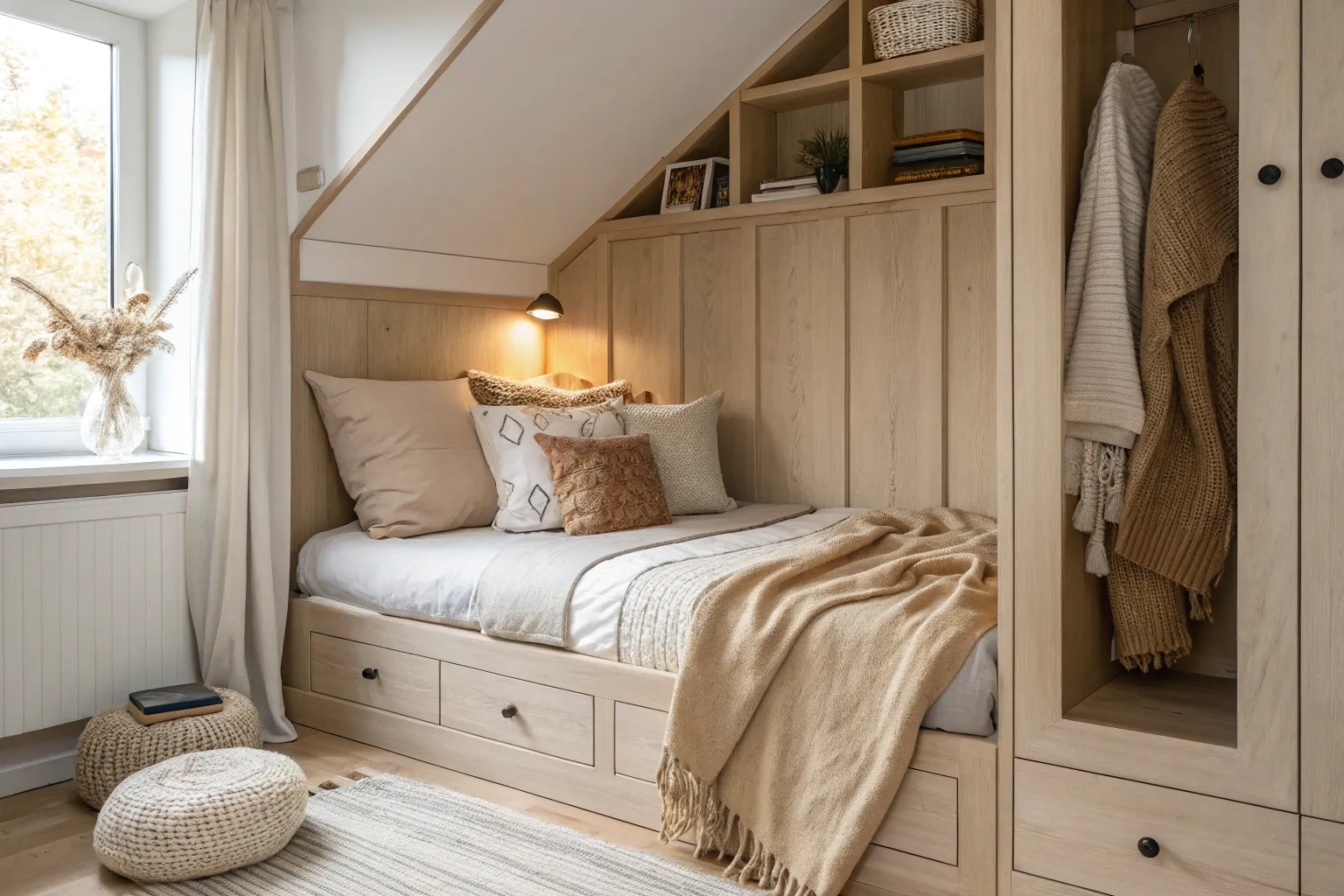
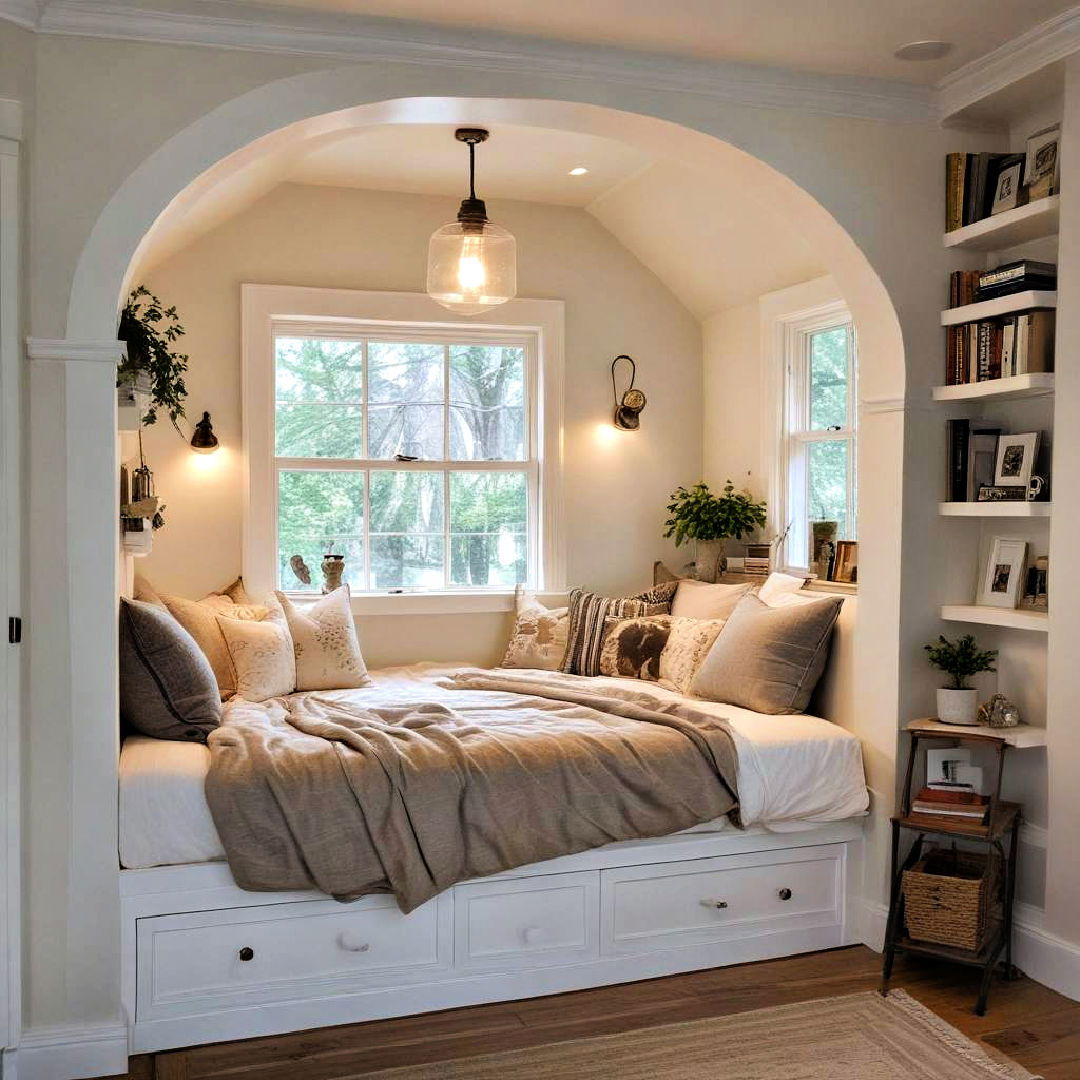
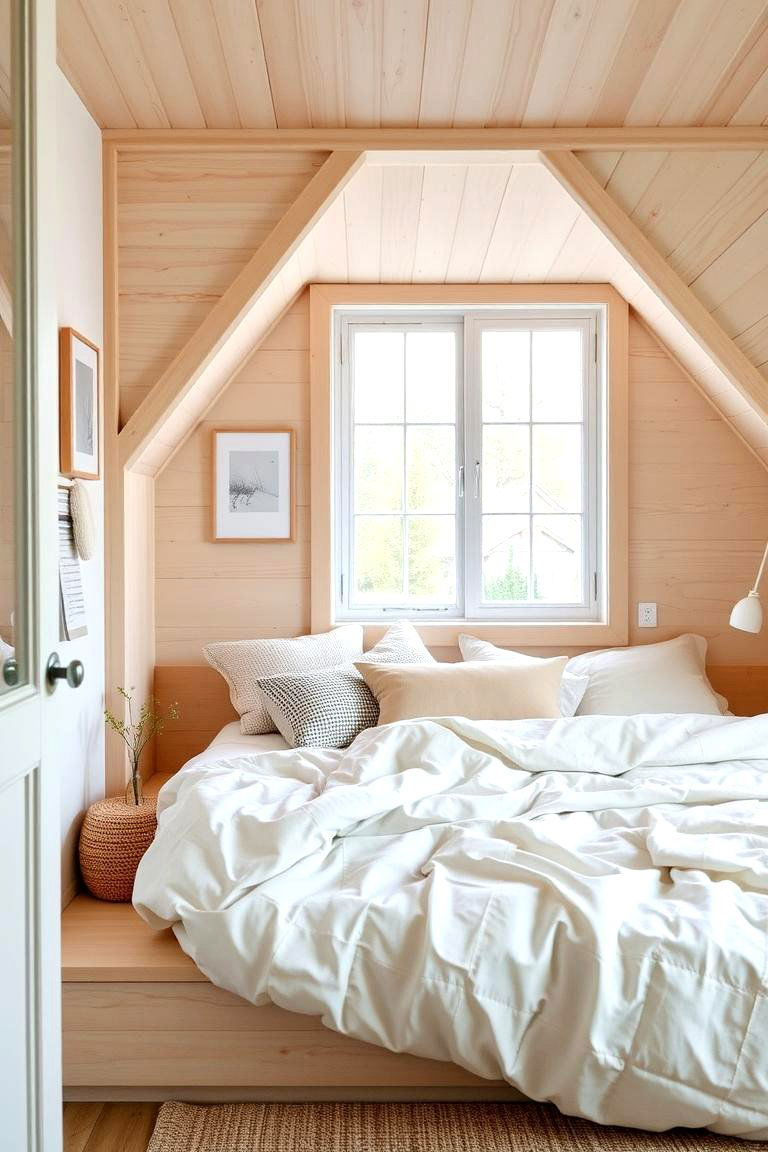
We’ve all been there. You wake up, stretch, and accidentally kick the wall behind your bed. Or maybe you’re moving a chair and scrape. That sound? It’s the sound of your security deposit crying. In a minimalist bedroom, where every line is intentional and every surface matters, a scuff mark isn’t just a mistake. It’s a glaring eyesore. But here’s the thing: protecting your walls doesn’t mean you have to sacrifice that sleek, airy feel you worked so hard to create.
For years, the go-to solution was bulky baseboards or ugly plastic guards that screamed "rental property." Not anymore. In 2026, the approach to wall care has shifted. It’s about integration. It’s about making protection part of the design rather than an afterthought. You don’t need to choose between a pristine paint job and a lived-in, comfortable space. You can have both. Let’s talk about how to keep those walls safe without cluttering your sanctuary with unnecessary stuff.
The Power of Strategic Furniture Placement
The best way to protect a wall is to keep things away from it, right? Well, sort of. In a minimalist setup, floating your furniture is a key tactic. Instead of pushing your bed frame or nightstands flush against the wall, pull them out just an inch or two. This creates a "shadow gap" that not only looks incredibly chic and modern but also prevents the back of your furniture from rubbing against the paint. It stops those inevitable black marks that appear when wood meets drywall over time.
Think about your headboard too. A standalone headboard that doesn’t touch the wall is a game-changer. If you prefer a mounted look, consider using a thick layer of felt or clear silicone bumpers on the back of the mount. These tiny, invisible heroes absorb shock and prevent friction. It’s a small detail, but it makes a huge difference. Plus, leaving that slight gap allows air to circulate, which helps prevent moisture buildup—a silent killer of paint integrity.
Don’t forget the floor area either. Rugs aren’t just for comfort; they’re barriers. A large area rug under your bed catches dirt and debris that might otherwise get kicked up onto the lower walls. In 2026, we’re seeing a rise in "wall-safe" flooring transitions. Using a slightly thicker rug pad can also cushion any accidental drops, like that heavy book or your phone, saving both your floor and the adjacent wall base from impact damage. It’s practical, soft, and keeps the visual noise down.
Invisible Armor: Clear Films and Liquid Coatings
If you’re renting or just hate the idea of permanent changes, clear protective films are your new best friend. But wait—before you groan about bubble-prone plastic, hear me out. The technology in 2026 has improved drastically. We’re talking about matte-finish, self-healing films that are virtually undetectable. You apply them to high-traffic zones, like the space beside your bed where you might lean, or behind your desk chair. They take the abrasion so your paint doesn’t have to.
These films are particularly great for corners. Corners are magnets for dings and chips. Applying a clear, L-shaped corner guard made from flexible, transparent vinyl can save you from those jagged white marks that never quite match the touch-up paint. The best part? When you move out, you peel it off, and the wall underneath is pristine. No residue, no drama. It’s like insurance for your drywall.
For a more holistic approach, consider liquid wall coatings. These aren’t paints, exactly. They’re clear, durable topcoats that you roll over your existing paint. They add a layer of scrub-ability and resistance to scuffs without changing the color or sheen of your minimalist palette. Imagine being able to wipe away a marker stain or a muddy footprint with just a damp cloth. That’s the power of a good ceramic-infused clear coat. It keeps the aesthetic pure while adding a layer of toughness that standard eggshell paint just can’t match.
Texture as a Shield: Panels and Slats
Sometimes, the best defense is a good offense. Instead of trying to hide protection, make it the feature. Wood slat panels have been trending for a while, but in 2026, they’re thinner, more sustainable, and easier to install. Installing a half-wall of vertical wood slats behind your bed does two things: it creates a stunning focal point and provides a durable surface that can take a beating. Wood is far more resilient to bumps and scratches than drywall, and if it does get marked, a little sanding and oil brings it back to life.
If wood feels too warm or rustic for your vibe, look into textured acoustic panels. Modern minimalist designs offer sleek, fabric-wrapped panels in neutral tones like oatmeal, charcoal, or soft grey. These aren’t just for soundproofing (though they do help with that echoey bedroom feel). They act as a soft buffer. Leaning against a padded panel is infinitely safer for your walls—and your back—than leaning against hard plaster. Plus, they add depth to the room without adding visual clutter.
Another option is wainscoting, but reimagined. Forget the ornate, Victorian styles. Think flat-panel, floor-to-ceiling MDF boards painted the same color as the wall. This monochromatic look is super trendy right now. It creates a seamless, architectural look that is incredibly tough. You can kick it, bump it, or lean on it, and because it’s solid board, it won’t dent like drywall. It’s protection disguised as high-end design. And since it’s painted the same color, it doesn’t break up the space, keeping that minimalist flow intact.
Smart Storage Solutions That Double as Guards
Clutter is the enemy of minimalism, but storage is the friend of wall protection. How? By creating buffers. Floating shelves are a classic minimalist staple, but place them strategically. Install a long, low floating shelf behind your desk or along a hallway wall in your bedroom suite. This shelf acts as a bumper bar. Chairs hit the shelf, not the wall. Bags drop onto the shelf, not against the paint. It’s a functional barrier that also gives you a place to display a single, curated object, like a small vase or a stone.
Consider built-in niches or recessed shelving if you’re in a renovation phase. By pushing the storage into the wall, you eliminate protruding furniture that can snag and scrape. But even without construction, you can use tall, slim cabinets placed against walls that see a lot of traffic. A floor-to-ceiling wardrobe with flat, handle-less doors creates a smooth, hard surface that protects the structural wall behind it. It’s a shield made of storage.
In 2026, we’re also seeing more modular storage systems that clip onto wall tracks. These systems allow you to move components around without drilling new holes. Every time you drill, you risk a mistake or a future patch job. By using a track system, you keep the wall integrity intact. You can rearrange your shelves or hooks as needed, and the only thing touching the wall is the track, which is usually covered by the items themselves. It’s flexible, clean, and saves your walls from the Swiss-cheese effect.
The Art of the "Soft" Zone
Let’s talk about textiles. They aren’t just for beds. Hanging a large, lightweight tapestry or a macramé piece can serve as a decorative shield. But let’s be real—macramé can be dusty. Instead, opt for a large-scale, framed textile art piece hung at headboard height. If you tend to lean against the wall while reading or scrolling on your phone, this art piece takes the wear and tear. It’s easier to clean a glass-covered frame or a treated fabric than it is to scrub paint.
Floor cushions and poufs are another underrated tool. Placing a few firm, structured poufs near walls where you might change clothes or sit down creates a soft landing zone. They absorb the impact of your body and any accessories you might be holding. Plus, they add a touch of organic shape to a minimalist room, breaking up the rigid lines without adding visual weight. Choose neutral colors to keep the vibe calm and cohesive.
Don’t overlook the power of a well-placed mirror. A large, floor-leaning mirror (secured safely, of course) can protect a significant portion of wall space. While mirrors are fragile, the frame or the stand often takes the initial contact. More importantly, mirrors reflect light and make the space feel larger, distracting from any minor imperfections elsewhere. Just ensure you use protective pads on the back of the mirror frame where it touches the wall to prevent any chemical reactions between the mirror backing and the paint.
Maintenance Mindset: Small Habits, Big Results
Protection isn’t just about hardware; it’s about habits. One of the simplest ways to keep walls clean is to manage the air quality. Dust settles on walls, especially near the ceiling and corners, creating a grimy film that requires scrubbing to remove. Scrubbing damages paint. Using a high-quality air purifier in your bedroom reduces the amount of dust that settles on your surfaces. Less dust means less cleaning, which means less wear on your walls. It’s a passive form of protection that pays off big time.
Keep a microfiber cloth handy. Not for scrubbing, but for dry dusting. Once a week, gently wipe down high-touch areas. This removes oils from hands and skin before they build up and stain the paint. For minimalist walls, prevention is key. Once a stain sets in, you’re looking at touch-ups, which rarely match perfectly. A quick, gentle wipe is much easier than a repaint. It’s like brushing your teeth; a little daily effort prevents major issues later.
Finally, be mindful of lighting. Harsh, direct sunlight can fade paint over time, causing uneven coloring that looks like damage. Use sheer curtains or blinds to diffuse light. This protects the integrity of the paint color, keeping your minimalist aesthetic looking fresh and uniform. In 2026, smart window treatments can automatically adjust to block harsh rays during peak sun hours, taking the guesswork out of wall preservation. It’s tech helping you keep it simple.
At the end of the day, protecting your walls in a minimalist bedroom isn’t about building a fortress. It’s about being thoughtful. It’s about choosing materials that last, placing furniture with intention, and adopting small habits that preserve the peace of your space. You don’t need to cover every inch in plastic or wood. You just need to identify the vulnerable spots—the headboard zone, the chair scrape area, the corner dings—and address them with style.
The trends of 2026 show us that functionality and beauty are not mutually exclusive. Whether you choose clear coatings, strategic floating, or textured panels, the goal is the same: a serene, uncluttered retreat that stands the test of time. Your walls are the canvas of your room. Treat them with care, but don’t be afraid to live in the space. After all, a home is meant to be used. With these tips, you can enjoy your minimalist haven without worrying about every little bump and bruise.
So, take a look around your bedroom today. Where are the risk zones? What small change could you make to shield those spots? Maybe it’s pulling the bed out an inch. Maybe it’s adding a clear bumper. Whatever it is, start small. Your walls—and your sanity—will thank you. Keep it clean, keep it simple, and let your space breathe.