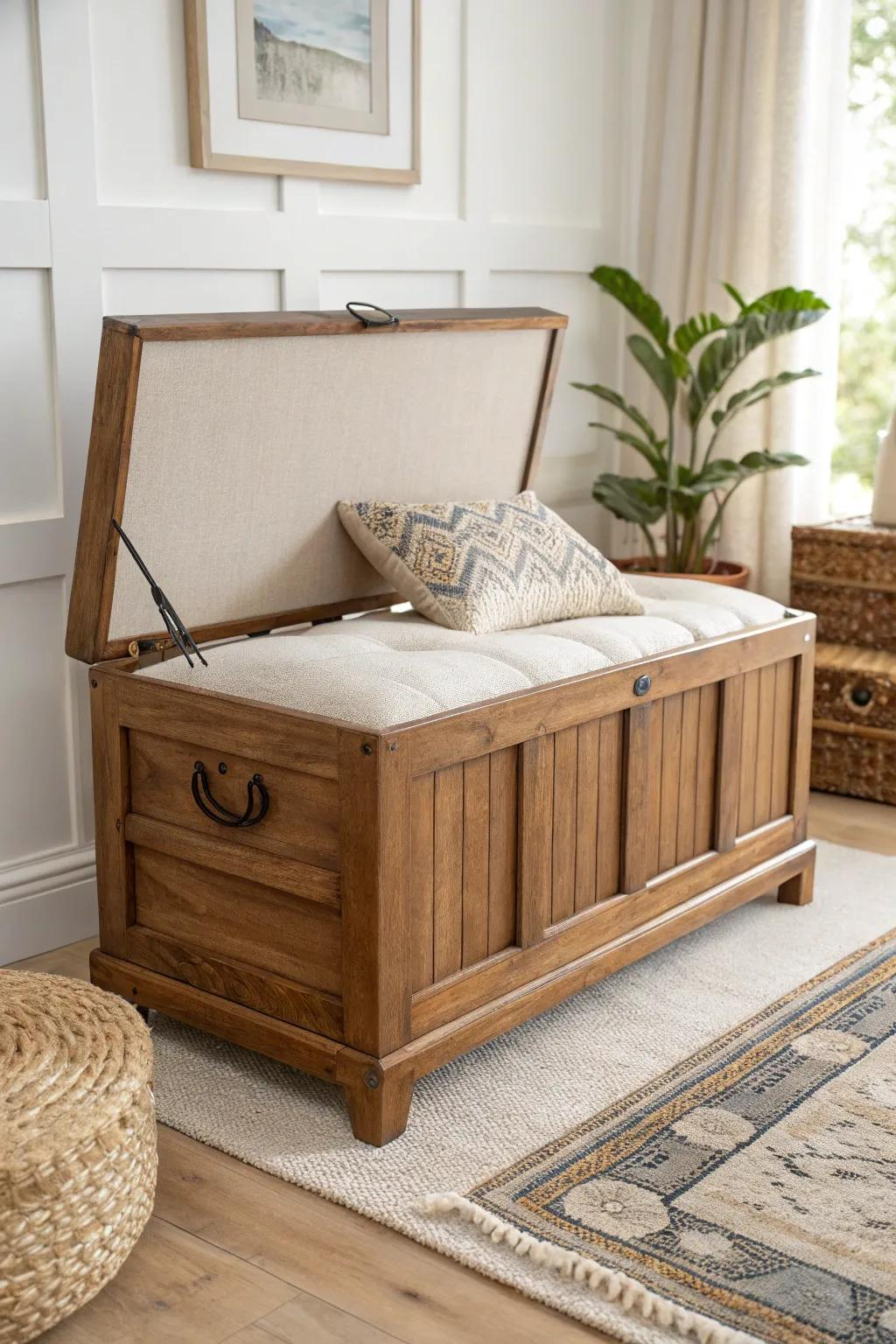
You know that feeling when you walk into a room and spot a beautiful, heavy wooden chest tucked against the wall? It smells like cedar and history. For decades, these pieces sat empty or stuffed with stiff linens nobody actually used. They were relics of a different time, waiting for a bride who might never come. But things have changed. In 2026, we aren’t just storing blankets for a hypothetical future. We are living in our homes, right now. And if you’re like me, your "future" looks less like a trousseau and more like a half-finished knitting project, a pile of fabric scraps, and a box of beads that somehow migrated to the kitchen table.
The hope chest has had a quiet renaissance. It’s no longer just about dowries. It’s about dignity for your hobbies. It’s about taking the messy, colorful, chaotic joy of making things and giving it a proper home. I’ve seen people turn these heirlooms into vibrant hubs for their creative lives. It’s not just storage; it’s a statement. It says, "My crafts matter." And honestly? They do. So let’s talk about how to stop treating your hope chest like a museum exhibit and start using it as the heart of your creative space.
Why Your Crafts Deserve Better Than Plastic Bins
Let’s be real for a second. Plastic bins are practical, sure. They stack. They’re cheap. But they don’t have soul. You don’t feel inspired when you open a translucent tub labeled "Misc Stuff." A hope chest, on the other hand, is an experience. When you lift that lid, there’s a sense of occasion. It invites you to create. In recent years, designers and organizers have started realizing that our tools shape our habits. If your supplies are hidden away in ugly containers under the bed, you’re less likely to use them. But if they’re in a beautiful piece of furniture that doubles as a coffee table or a bench? You’ll see them. You’ll touch them. You’ll make things.
This shift isn’t just aesthetic; it’s psychological. Studies on environmental psychology suggest that organized, visually pleasing spaces reduce cognitive load. When your craft supplies are neatly arranged in a dedicated, attractive space, your brain spends less energy searching and more energy creating. Plus, there’s the sustainability angle. In 2026, we’re all trying to buy less new stuff. Repurposing a vintage chest or even a new solid-wood one is a far better choice than buying modular plastic systems that end up in landfills five years later. It’s stewardship, plain and simple.
Think about the texture of the wood against your hands as you reach for your yarn. The sound of the latch clicking open. These small sensory details matter. They ground you in the moment. A hope chest transforms the act of retrieving supplies from a chore into a ritual. It elevates your hobby from a pastime to a practice. And let’s not forget the dual functionality. As noted by interior design trends this year, multi-purpose furniture is king. Your chest can be seating for guests, a surface for your laptop, and a vault for your treasures all at once. It’s efficient living without sacrificing style.
Curating the Contents: What Actually Goes Inside
So, what do you put in there? The old rule was sheets and towels. The new rule is: whatever sparks joy and needs protection. For crafters, this is a goldmine. Yarn is the obvious first choice. It loves the dark, dry environment of a wooden chest. Cedar-lined chests are particularly good because they naturally repel moths, which is a nightmare for wool lovers. But don’t just throw skeins in haphazardly. That’s a recipe for a tangled mess. Use breathable cotton bags or mesh organizers to keep colors separated and fibers safe. This keeps the air flowing and prevents that musty smell.
Fabric is another perfect candidate. Large cuts of quilting cotton, linen, or silk can be folded neatly and stacked. The flat bottom of a hope chest is ideal for keeping fabrics wrinkle-free. Just avoid overstuffing. If you have to force the lid shut, you’re doing it wrong. Compression damages fibers over time. Instead, curate. Keep your current projects and favorite staples inside. Store out-of-season or bulk backups elsewhere. This keeps the chest manageable and ensures you can actually find what you need without digging through a mountain of textiles.
Don’t forget the smaller items. Tools like embroidery hoops, specialized scissors, and measuring tapes can live in shallow trays placed on top of the larger items. Some modern hope chests come with built-in dividers or removable trays, which are fantastic for this. If yours doesn’t, you can easily add bamboo organizers or even repurpose sturdy cardboard boxes covered in pretty paper. The goal is vertical layering. Heavy, bulky items at the bottom. Lighter, frequently used items at the top. This way, you aren’t unpacking the whole chest every time you need a pair of snips. It’s about smart zoning within a single vessel.
Organizing for Accessibility and Inspiration
Organization isn’t just about neatness; it’s about flow. How do you move from idea to execution? If your chest is a black hole where things go to die, it’s not working. In 2026, the trend is toward "visible organization" even within closed storage. This means using clear labeling or color-coding inside the chest. Imagine opening the lid and seeing rows of yarn arranged by color gradient. It’s not just tidy; it’s inspiring. It makes you want to pick up needles and start something new. You can use simple tag strings tied to bundles or small chalkboard labels on bins.
Consider the "project kit" method. Instead of storing all your yarn together and all your patterns separately, group them by project. Put the yarn, the pattern, and the necessary notions for a specific sweater or blanket into a single large zippered bag or box. Then, stack these kits in the chest. When you’re ready to work on that sweater, you pull out one bag. Everything you need is there. No hunting. No frustration. This is especially helpful if you have multiple projects on the go, which most of us do. It keeps each project contained and protected from dust and pets.
Lighting matters too. Most hope chests are dark inside. If you’re digging around for a specific shade of blue thread, it can be tough. A simple, battery-operated LED strip with a motion sensor can be stuck to the inner rim of the chest. When you open the lid, the light turns on. It’s a small upgrade, but it changes everything. It shows respect for your materials. It says, "I value what’s in here." Plus, it prevents you from accidentally dropping things or misidentifying colors. In the evening, when you’re winding down with some stitching, that soft glow adds to the ambiance. It turns storage into a spotlight.
Preserving Your Materials in a Wooden Environment
Wood is a living material. It breathes. It expands and contracts with humidity. This is great for the chest, but it can be tricky for your crafts if you’re not careful. Extreme dryness can brittle fibers, while too much moisture can lead to mold. The key is balance. If you live in a very dry climate, consider placing a small humidifier nearby in the room, not inside the chest. Inside, you want stable conditions. Silica gel packets can help control moisture, but don’t overdo it. You don’t want your wool to dry out completely. Check on your supplies every few months. Air them out if they’ve been stored for a long time.
Cedar is the traditional lining for a reason. It smells amazing and keeps pests away. But if your chest isn’t cedar, don’t panic. You can add cedar blocks or rings. Just sand them lightly every year or so to refresh the scent and the oil release. Avoid mothballs at all costs. They leave a toxic residue and a smell that never really goes away. Natural alternatives like lavender sachets are a nicer option. They smell lovely and deter some insects, though they aren’t as powerful as cedar. Combine them with regular cleaning and inspection for best results.
Also, think about weight distribution. Hope chests are sturdy, but they aren’t indestructible. Don’t store extremely heavy items like large spools of wire or dense clay blocks at the bottom if the chest has a thin base. Distribute the weight evenly. If you’re storing heavy quilts, fold them properly to avoid stress points. Rotate your stock. Don’t let the same items sit at the bottom for years without being touched. This prevents permanent creases and ensures that everything gets some love. It’s a bit like crop rotation for your crafts. Keep things moving, keep things fresh.
Styling the Exterior: Making It Part of Your Decor
A hope chest doesn’t have to look like it belongs in a grandmother’s attic. In 2026, we’re seeing a mix of rustic charm and modern minimalism. If you have a vintage chest, you might choose to restore it to its original glory, stripping back layers of old varnish to reveal the natural grain. Or, you might paint it a bold, contemporary color like navy blue or sage green to match your living room. The choice is yours. The point is to make it feel intentional. It shouldn’t look like an afterthought. It should look like it belongs.
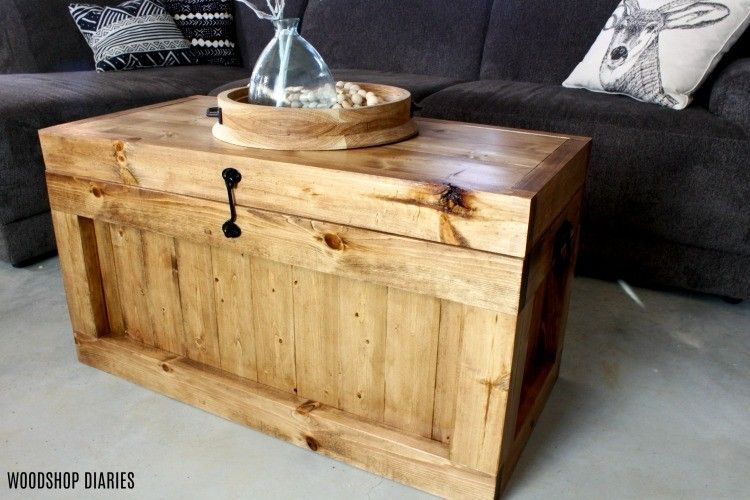
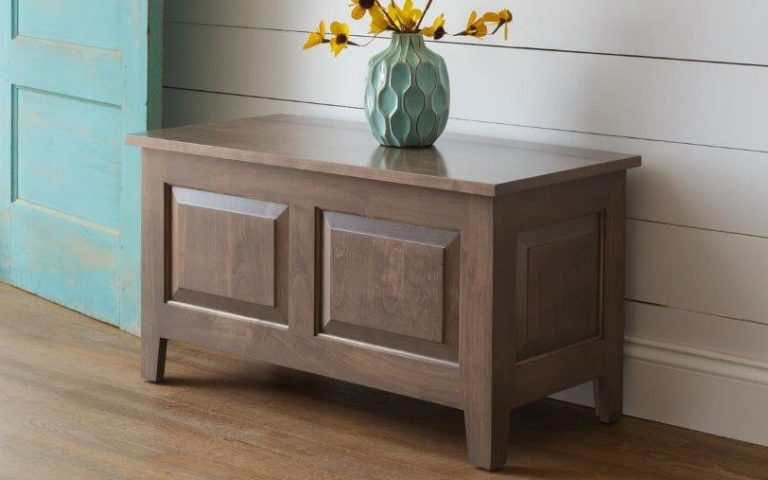
Styling the top of the chest is crucial since it’s likely a visible surface. If you’re using it as a coffee table, arrange a tray with a few decorative items—a vase with fresh flowers, a stack of art books, or a candle. This protects the wood from scratches and spills while adding personality. If it’s against a wall, consider placing a large piece of art above it or a mirror to reflect light. Plants look wonderful on top of hope chests too. The contrast between the hard wood and the soft leaves is visually appealing. Just use a saucer to protect the finish from water rings.
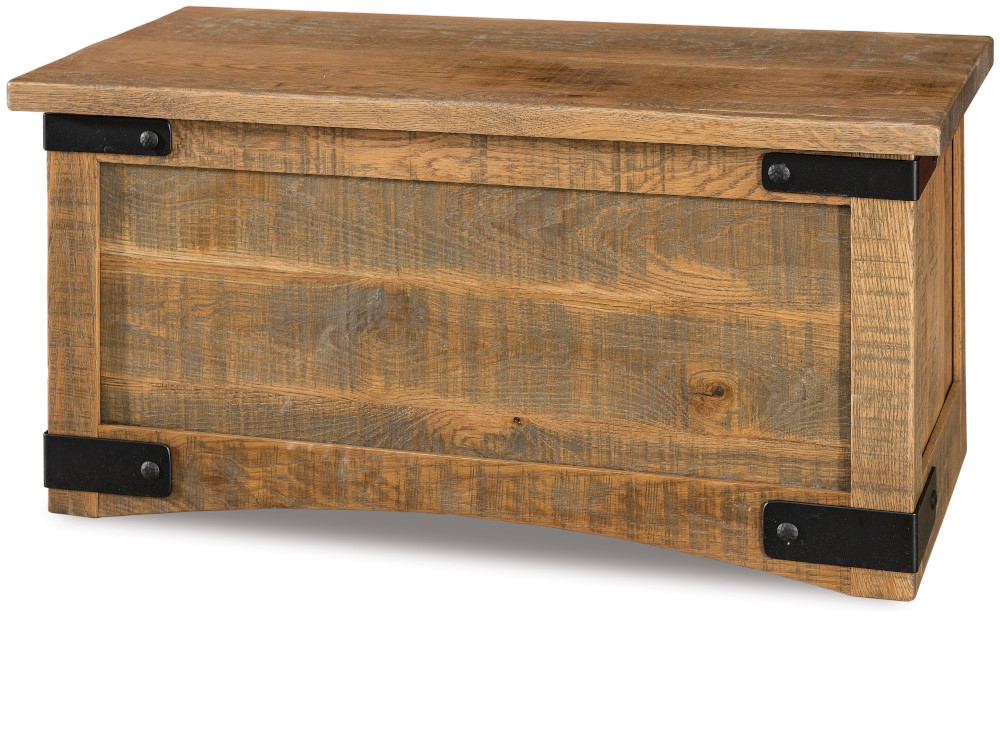
Don’t be afraid to mix textures. If the chest is dark wood, try a light-colored throw draped casually over one corner. This softens the look and hints at the cozy contents inside. It bridges the gap between the furniture and the function. You can also use the hardware as a design element. If the latches and hinges are brass, polish them up. If they’re rusty, consider replacing them with modern matte black or brushed gold options. Small details like this can update the entire piece. It’s about blending the old with the new, honoring the past while living in the present.
Even with the best intentions, things can go wrong. Maybe the chest smells a bit musty. Maybe the lid doesn’t stay open. Maybe you just can’t fit everything in. Let’s tackle these issues. First, the smell. If it’s musty, clean the interior with a mixture of white vinegar and water. Wipe it down and let it air out in the sun for a day. Sunlight is a natural deodorizer and disinfectant. If the smell persists, place bowls of baking soda or activated charcoal inside for a week. They absorb odors effectively. Never use harsh chemicals inside, as they can linger and damage your fabrics.
If the lid is heavy and won’t stay open, you can install a simple lid support hinge. These are inexpensive and easy to install. They hold the lid at a safe angle, preventing it from slamming shut on your fingers or head. Safety first. Also, check the hinges. If they’re squeaky, a drop of silicone lubricant works wonders. Avoid oil-based lubricants as they can stain wood and attract dust. Maintenance is key to longevity. A well-cared-for chest will last for generations, holding the crafts of your children and grandchildren one day.
Space constraints are another common issue. If your chest is small, be ruthless with your curation. Only keep what you truly love and use. Store seasonal items elsewhere. Use vacuum-seal bags for bulky items like finished quilts if you need to save space, but remember to let them breathe occasionally. Alternatively, consider stacking two smaller chests if you have the vertical space. This creates a tiered look and doubles your storage without taking up more floor area. It’s about working with what you have, not wishing for what you don’t. Flexibility is the name of the game.
In the end, using a hope chest for craft storage is about more than just organization. It’s about intention. It’s about creating a space that honors your creativity and protects your tools. It’s about blending the beauty of the past with the needs of the present. Whether you’re knitting, sewing, painting, or scrapbooking, your supplies deserve a home that inspires you. So, dust off that old chest. Clean it out. Fill it with color and texture. And then, sit down and make something beautiful. The chest is ready. Are you?