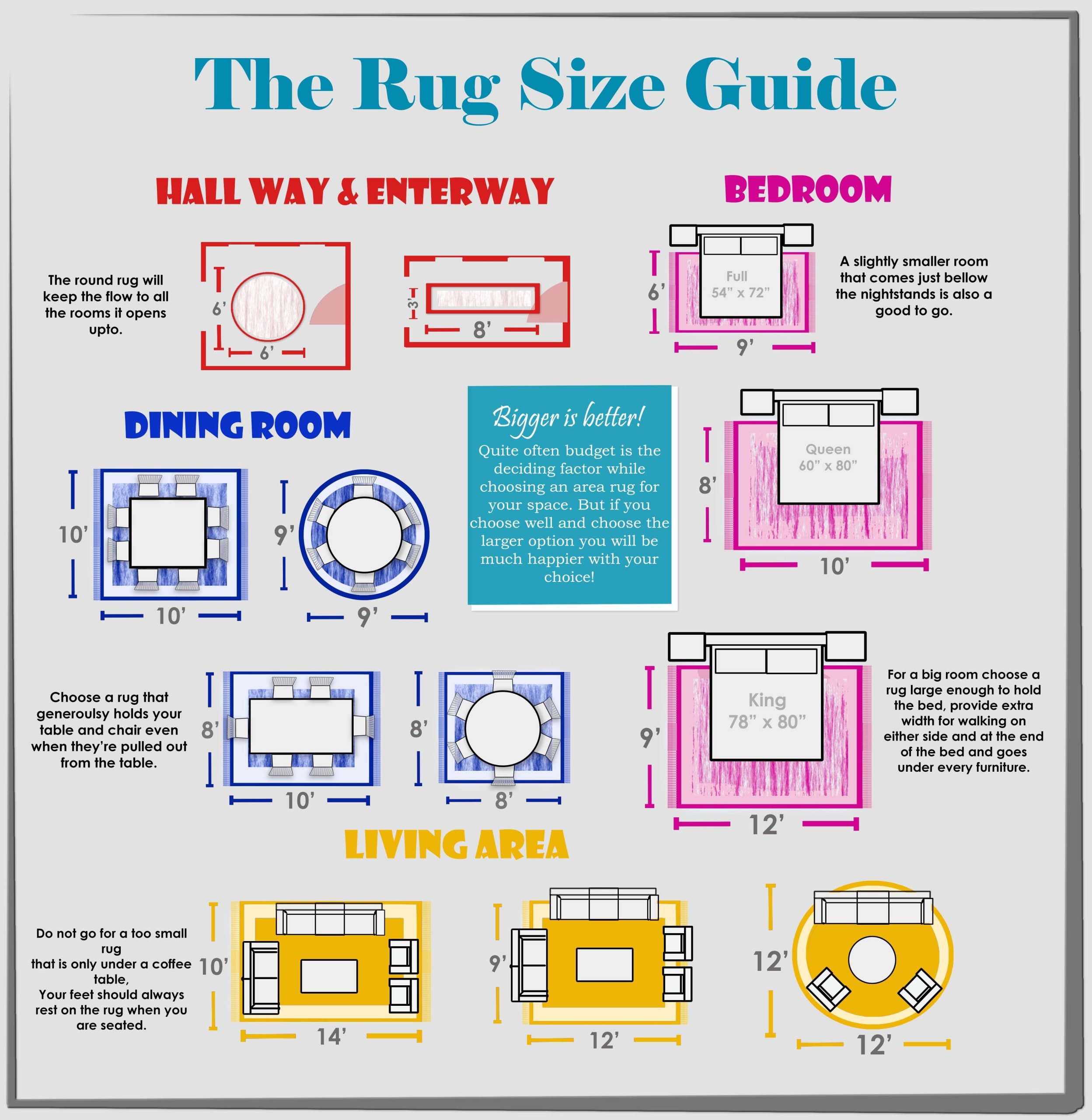
We’ve all been there. You spot a rug online. It’s beautiful. The colors sing, the texture looks inviting, and the price is right. You order it, wait two weeks, and unroll it in your living room. And then… silence. It’s too small. It floats awkwardly in the middle of the floor like a lonely island. Or maybe it’s so big it swallows the room whole, hiding your lovely hardwood floors entirely. It’s frustrating. It’s expensive. And honestly? It’s completely avoidable.
In 2026, the trend toward bespoke home furnishings isn’t just about luxury anymore; it’s about practicality. Standard sizes were designed for mass production, not for the quirky, unique shapes of our actual homes. When you go custom, you get to decide exactly how much floor shows. You get to frame your furniture perfectly. But this freedom comes with a responsibility: you have to measure correctly. One wrong number, and you’re stuck with a woolen white elephant. Let’s fix that.
Why "Close Enough" Is Never Good Enough
There is a massive difference between a rug that fits and a rug that belongs. When we talk about bespoke or custom rugs, we are talking about intentionality. Standard rugs come in fixed dimensions like 5×8, 8×10, or 9×12. These are fine for boxy, empty rooms. But most of us don’t live in empty boxes. We have nooks, bay windows, open-plan layouts, and furniture that doesn’t quite align with the walls.
If you try to force a standard size into a non-standard space, you end up compromising. Maybe you leave a weird three-inch gap on one side. Maybe the rug stops abruptly under the sofa legs, making the seating area feel unstable. Visual dissonance is real. Our brains notice when things aren’t aligned. A custom rug eliminates that visual noise. It creates a sense of calm and order. It tells the eye that this space was thought out. That it matters.
Think of it like tailoring a suit. You could buy one off the rack, sure. But if the sleeves are too long and the waist is too loose, you never look quite right. A tailored suit fits your body. A bespoke rug fits your room. In an era where our homes are our sanctuaries, getting the foundation right is crucial. It’s not just about aesthetics; it’s about how the space feels underfoot and how it functions for your daily life.
Gathering Your Toolkit and Prepping the Space
Before you pull out a tape measure, you need to clear the deck. Literally. You can’t measure a room accurately if it’s cluttered with throw pillows, side tables, and dog toys. Move everything out of the way. If you have heavy furniture that won’t budge, don’t worry. We’ll work around it. But the floor needs to be visible. You need to see the boundaries.
Grab a steel tape measure. Not the flimsy cloth ones from a sewing kit, and definitely not a laser measure unless you know how to calibrate it for wall textures. Steel tapes are reliable. They don’t stretch. You’ll also need a notepad and a pencil. Phones are great, but batteries die and apps crash. Paper is forever. Oh, and grab some painter’s tape or masking tape. This is your secret weapon.
Once your space is clear, take a moment to look at the room. Where does the light come in? Where do people walk? What is the focal point? Is it the fireplace? The view out the window? Understanding the flow of the room helps you decide where the rug should sit. Are you trying to define a conversation area? Or are you trying to warm up a cold, expansive hallway? Jot down these thoughts. They will influence your measurements later. Don’t rush this part. The prep work is half the battle.
The Golden Rules of Furniture Placement
Now comes the tricky part: deciding how the furniture sits on the rug. There are three main schools of thought here, and choosing the right one depends on your room size and your vibe.
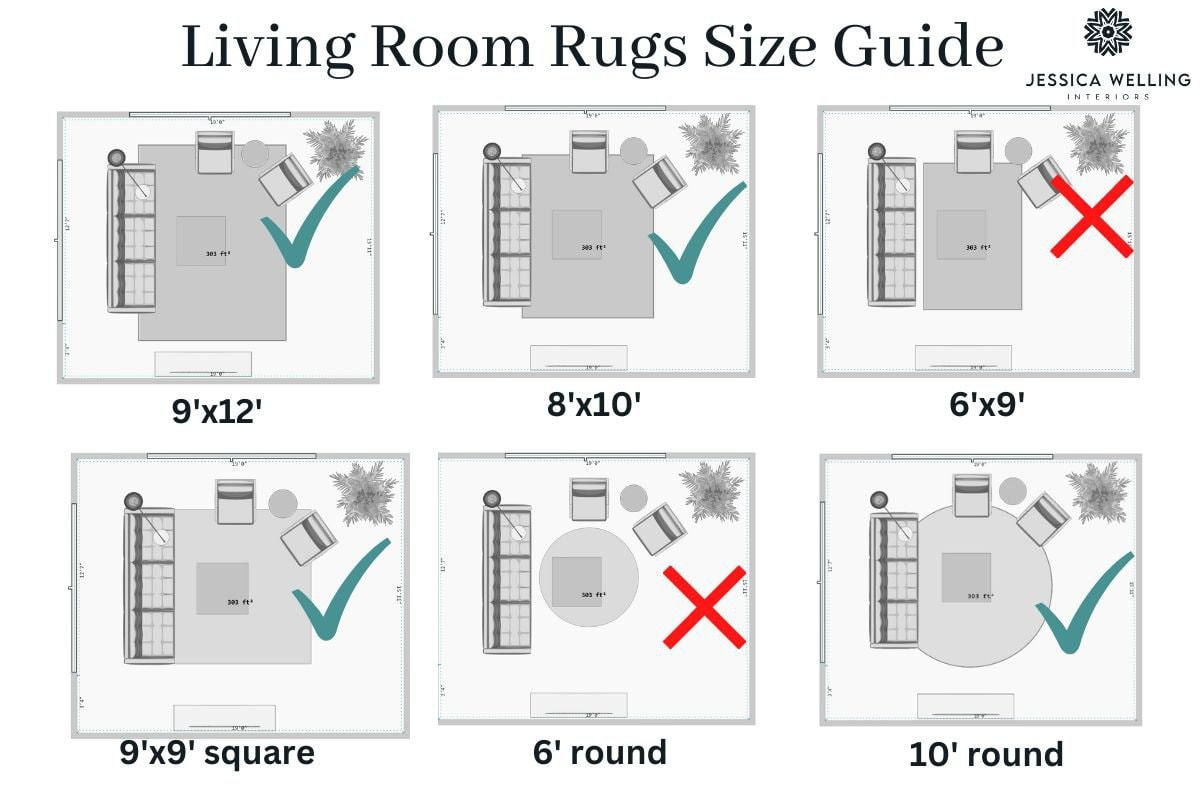
First, there’s the "All Legs On" method. This is the gold standard for large rooms. Every piece of furniture in the seating group sits completely on the rug. It creates a cohesive, anchored look. It says, "This is a unified zone." If you have the space, do this. It looks the most polished.
Second, there’s the "Front Legs On" approach. This is perfect for medium-sized rooms. The front legs of your sofa and chairs rest on the rug, while the back legs stay on the floor. It still connects the furniture visually but saves you money on square footage. It’s a classic designer trick. Just make sure the rug is wide enough that the front legs don’t hang off the edge. That looks accidental, not intentional.
Third, and this is controversial, is the "Floating Island." This is when only the coffee table sits on the rug, and all the seating is off it. Honestly? Avoid this unless you have a very small space or a specific aesthetic reason. It often makes the room feel disjointed. In 2026, we are leaning towards connection and warmth. The first two options provide that. The third one usually feels like an afterthought. Pick your strategy before you measure. It changes the numbers significantly.
Taking the Measurements: Step-by-Step
Okay, tape in hand. Let’s get to work. Start with the width. Measure from wall to wall where you want the rug to extend. But here is the key: do not measure wall to wall if you want floor to show. Most designers recommend leaving 12 to 18 inches of bare floor between the edge of the rug and the wall. This frames the room. It lets your flooring breathe. So, if your room is 14 feet wide, and you want 1.5 feet of border on each side, your rug width should be 11 feet. Write that down.
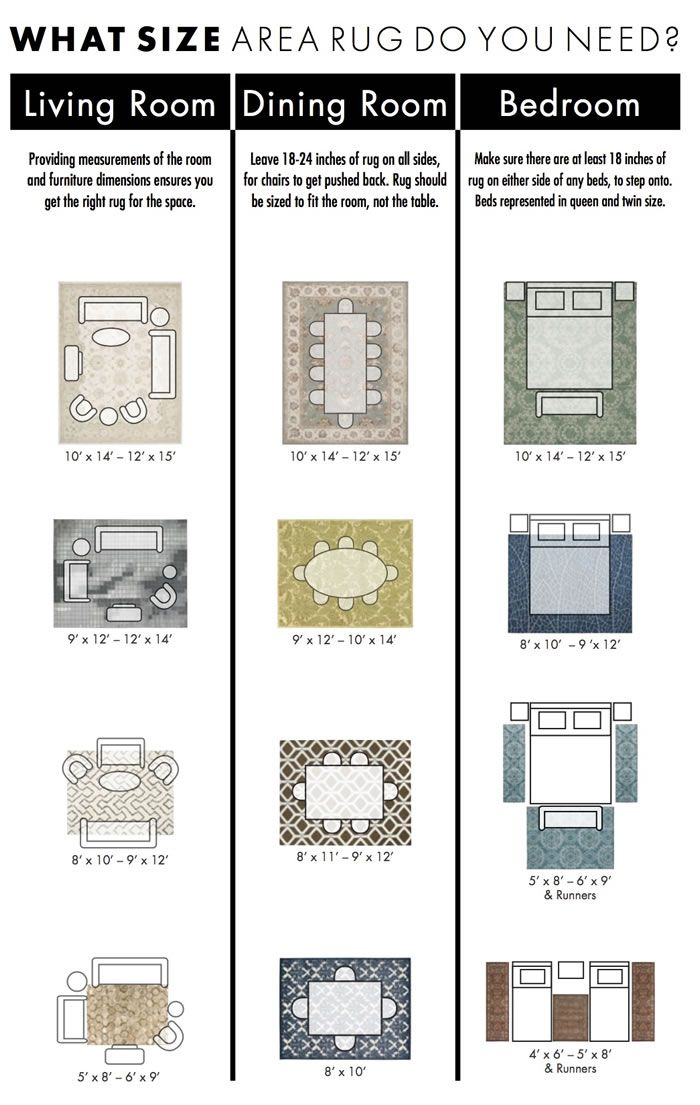
Next, measure the length. Same rule applies. Decide how much border you want at the top and bottom. If you have a dining table, the rules change slightly. You need enough room for chairs to slide out without catching on the rug edge. Add at least 24 inches to the table dimensions on all sides. If your table is 36 inches wide, your rug needs to be at least 84 inches wide (36 + 24 + 24). Measure twice. Seriously. Measure it again. Human error is the enemy of bespoke orders.
Don’t forget to account for obstacles. Do you have a radiator? A built-in bookshelf? A weird alcove? Measure from the furthest protruding point. If your baseboards are thick, measure from the face of the baseboard, not the drywall. These small details add up. If you ignore them, your rug might buckle or fit tightly against a wall, which looks sloppy. Precision is kindness to your future self.
Handling Odd Shapes and Unique Layouts
Not every room is a rectangle. Thank goodness. Rectangles are boring. But measuring an L-shaped living room or a circular nook requires a different mindset. Don’t try to force a square peg into a round hole. If your room is L-shaped, consider two separate rugs or one large custom rug that follows the contour. If you go with one piece, you need to map the entire footprint.
Draw a sketch. Yes, a physical drawing. Mark the corners. Note the angles. For curved walls, use a flexible curve ruler or a piece of string. Lay the string along the curve, mark the length, then measure the string. It’s low-tech, but it works. For angled walls, measure the longest and shortest points. Provide these dimensions to your rug maker. They can cut the rug to match the architecture. This is where bespoke really shines. You can have a rug that mirrors the slope of your ceiling or the angle of your bay window.
Also, think about traffic patterns. In odd-shaped rooms, pathways can be weird. Make sure your rug doesn’t block a natural walkway. You don’t want people tripping over a corner. Leave clear paths. If a corner of the rug juts into a high-traffic area, consider rounding that corner. Soft edges are safer and often look more organic in irregular spaces. It’s a small detail that makes a huge difference in usability.
Let’s talk about screw-ups. Because they happen. The biggest mistake? Measuring the room, not the furniture arrangement. You might have a 20-foot room, but if your sofa is only 8 feet from the TV, you don’t need a 20-foot rug. You need a rug that fits the conversation zone. Measure the space your furniture occupies, plus the breathing room around it. Don’t let the walls dictate the size; let your lifestyle dictate it.
Another common error is ignoring the pile height. If you have a thick, plush rug, it adds bulk. If you have doors that swing into the room, make sure the rug won’t block them. Measure the clearance under your doors. If it’s tight, you might need a flat-weave rug instead of a shag. It’s a functional constraint that often gets overlooked until the rug arrives and the door won’t close. Oops.
Finally, don’t forget to double-check your units. Inches vs. feet. It sounds silly, but it happens. Write "inches" or "feet" next to every number. Clarify with the manufacturer how they want the data. Some want total inches. Some want feet and inches. Be explicit. Send them your sketch. A picture is worth a thousand words, and in this case, it’s worth a thousand dollars in saved mistakes. Communication is key. Ask questions. If you’re unsure, ask for a proof. Most custom makers will send a digital mockup. Look at it. Critique it. Get it right before they start weaving.
Getting the measurement right is the first step to loving your home. It transforms a house into a sanctuary. It shows that you care about the details. And in 2026, where everything is fast and disposable, taking the time to get something permanently right is a radical act. So take a breath. Grab that tape measure. And measure with confidence. You’ve got this.