Ever walked into a bedroom that felt like a shoebox? You know the type. The bed takes up half the room, there’s barely enough space to open the closet door, and you’re doing a weird sideways shuffle just to get from the door to the window. It’s frustrating. It feels cramped. And honestly, it makes you feel a bit trapped in your own home. We’ve all been there, especially with rent prices in 2026 forcing more of us into cozy, compact living situations.
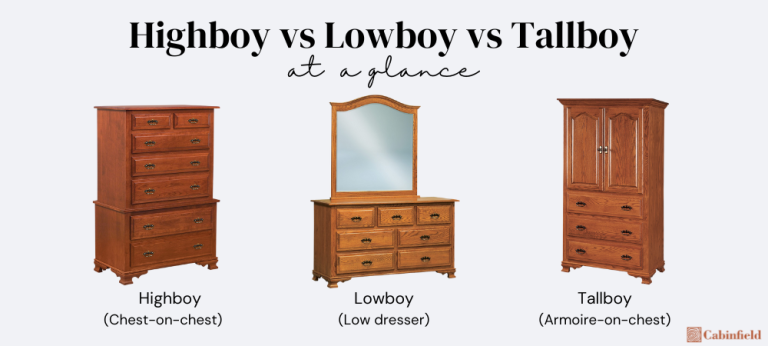
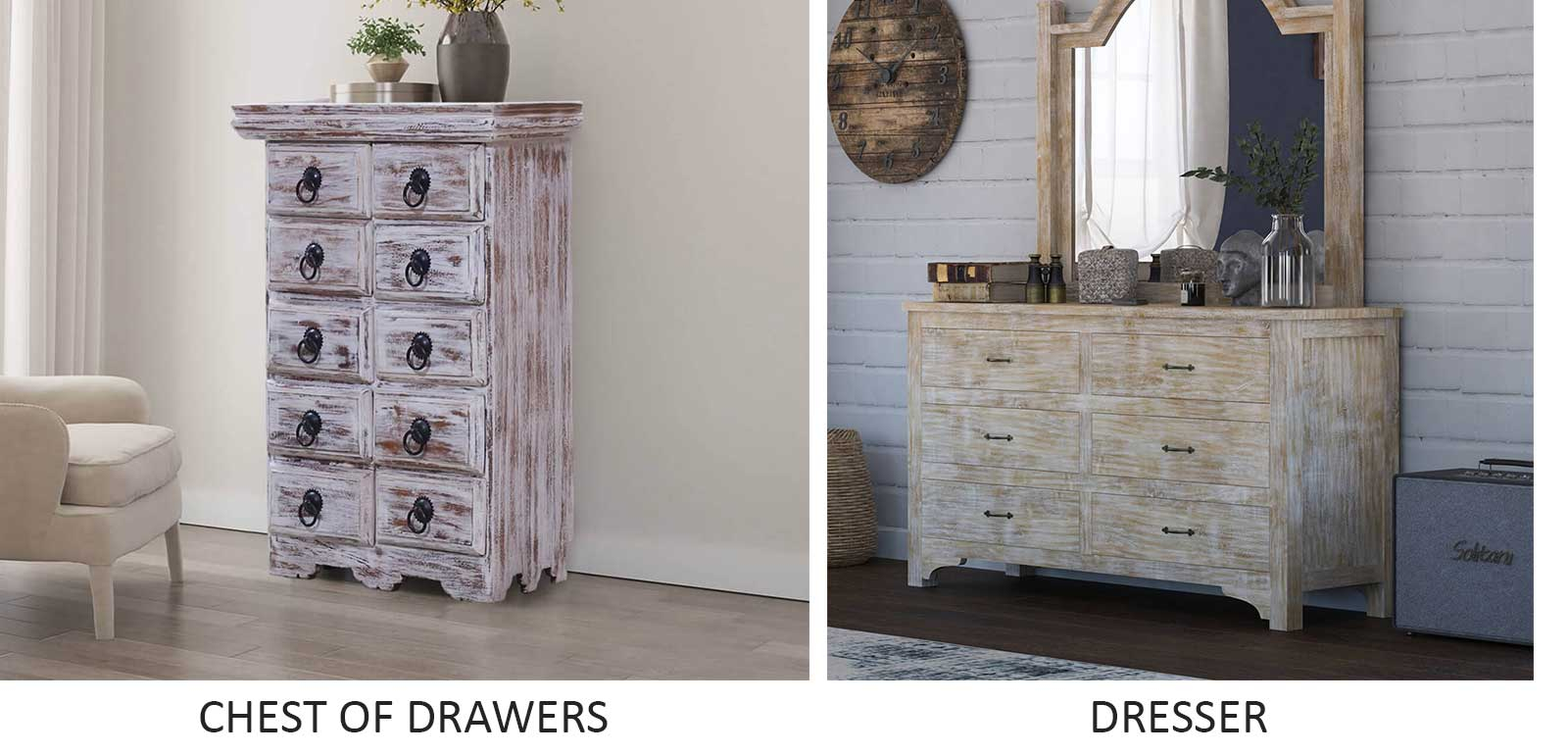
But here’s the thing: the problem usually isn’t the square footage. It’s the footprint of your furniture. Most of us default to what we’ve always seen—a low, wide chest of drawers. It’s standard. It’s safe. But in a small room, it’s a space hog. There’s a better way. A taller, narrower option that changes the entire geometry of the room. It’s called a tallboy, and it might just be the single best upgrade you can make for a tiny space.
Let’s talk about why going up is better than going out. Because when you stop spreading your stuff across the floor and start stacking it toward the ceiling, something magical happens. The room breathes. You get your floor back. And suddenly, that shoebox feels like a studio.
The Floor Space Math That Changes Everything
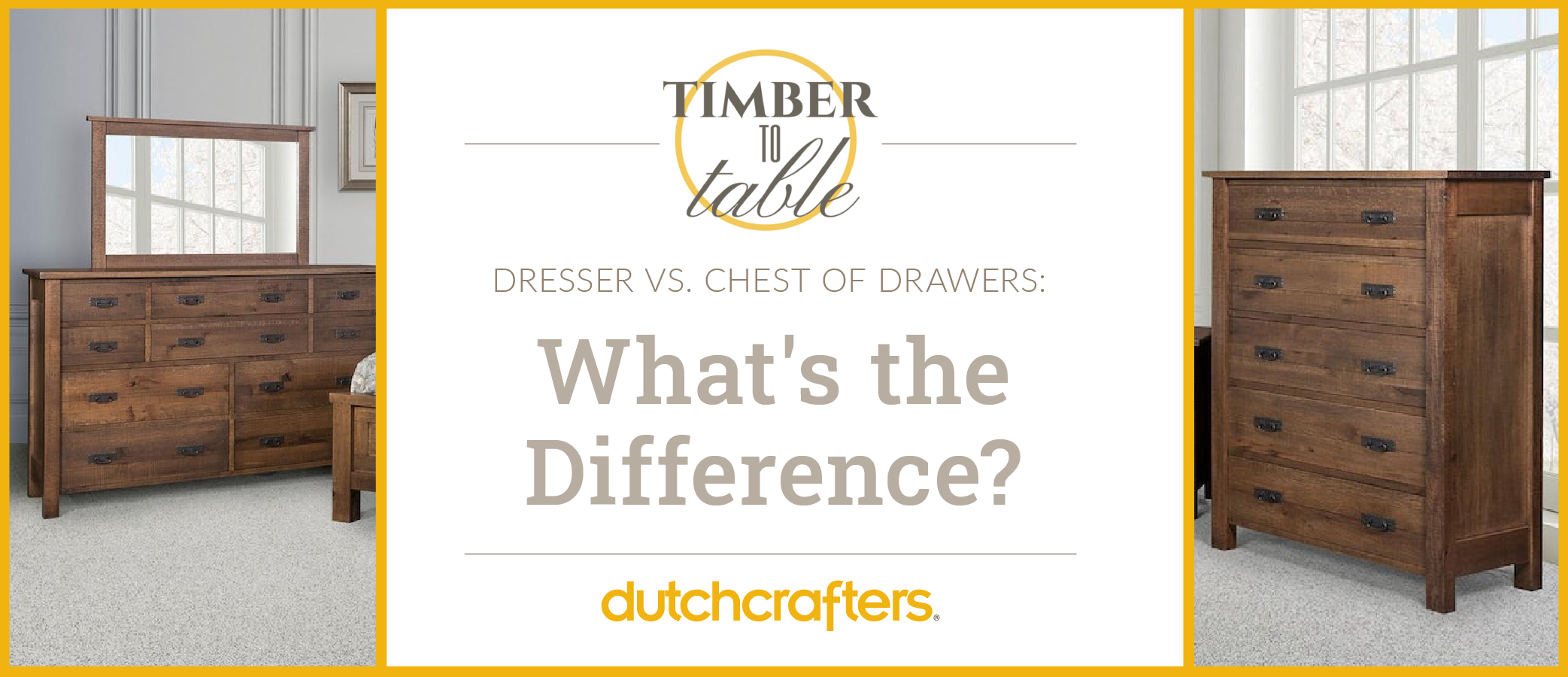
Think about the actual real estate a piece of furniture claims. A standard six-drawer dresser is typically around 60 inches wide and 18 inches deep. That’s five feet of wall space gone. Just like that. In a 10×10 bedroom, that’s a huge chunk of your perimeter. You can’t put a nightstand next to it. You can’t squeeze a plant in the corner. It dominates the wall.
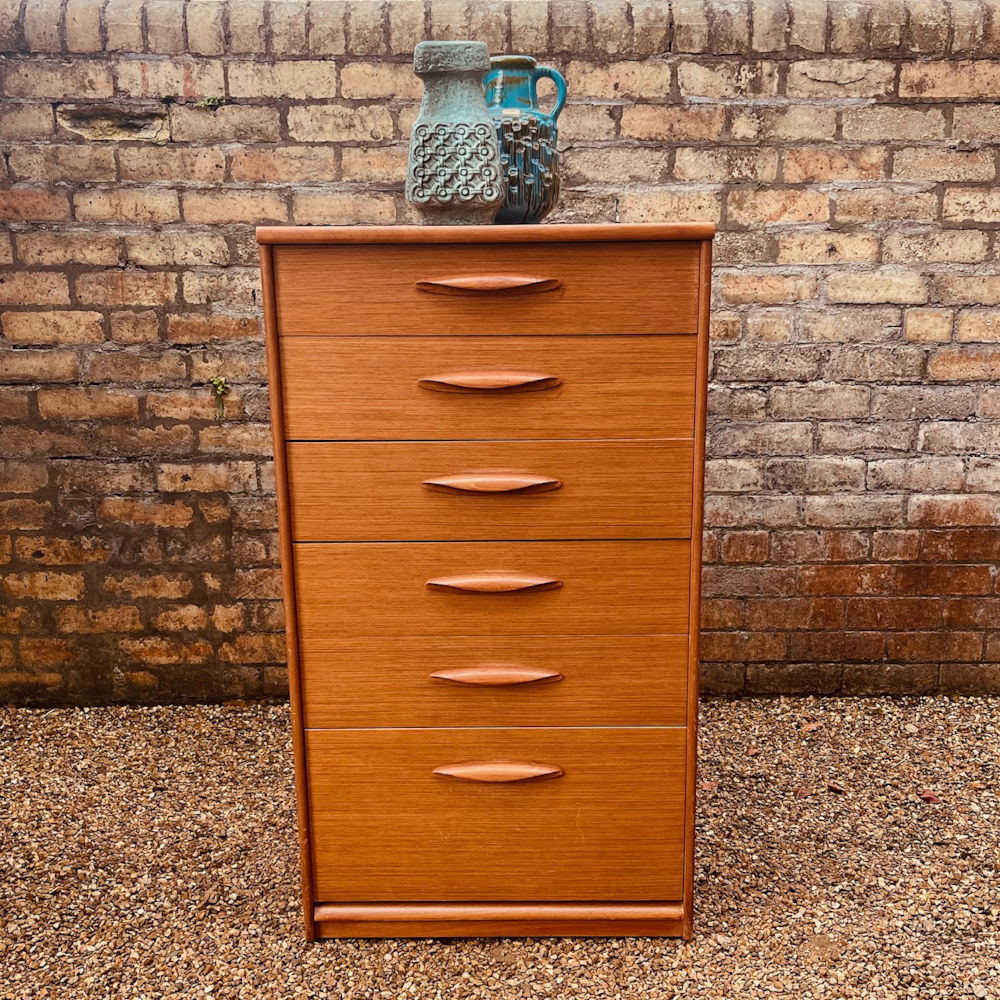
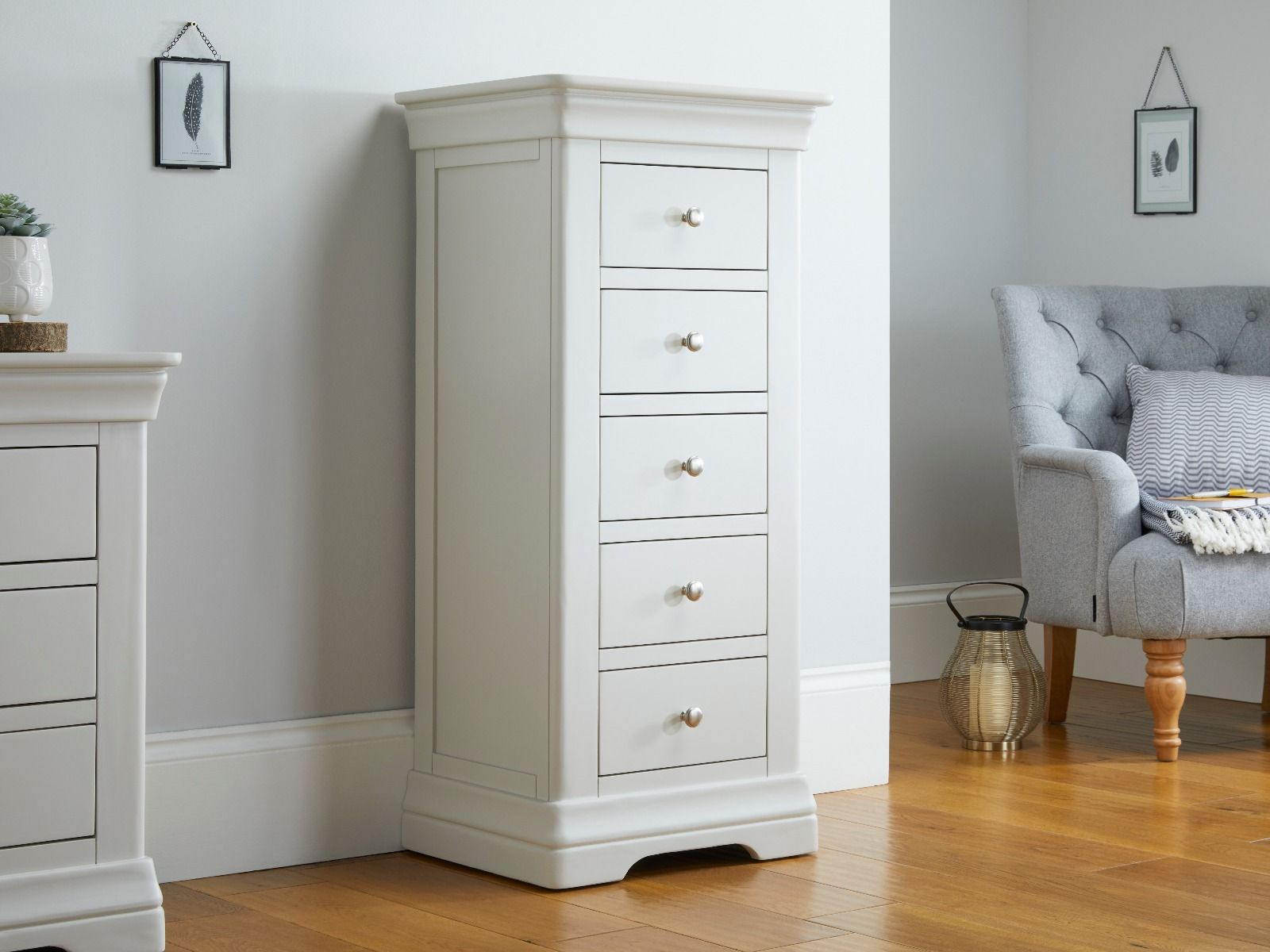
Now, look at a tallboy. Sure, it holds the same amount of clothes. Maybe even more. But its footprint is often half the width. We’re talking 30 inches wide, maybe less. By switching to a vertical unit, you instantly free up two to three feet of linear wall space. That doesn’t sound like much on paper, but in a small room, it’s the difference between feeling claustrophobic and having room to breathe.
This extra space isn’t just empty air, either. It’s functional. That freed-up zone becomes a spot for a narrow desk, a reading chair, or just open floor for yoga mats or play areas if you’re sharing the space with kids or pets. In 2026, where multifunctional rooms are the norm rather than the exception, every inch of clear floor counts. You aren’t just storing clothes; you’re buying back livability.
Drawing the Eye Upward to Create Illusion
There’s a psychological trick to interior design that architects have used for centuries. Horizontal lines make a room feel wider but shorter. Vertical lines make it feel taller and more spacious. When you place a low, wide dresser against a wall, you’re emphasizing the horizontal. You’re drawing the eye across the room, highlighting how narrow it actually is. It grounds the space, sure, but it also caps it.
A tallboy does the opposite. It draws the eye upward. When your gaze travels up the height of the cabinet, you notice the ceiling. You notice the vertical volume of the room. Even if you have standard eight-foot ceilings, a piece of furniture that reaches up toward them makes the room feel grander. It creates an illusion of height that a sprawling chest never could.
This visual lift is crucial in compact spaces. It breaks the "boxy" feeling. Instead of looking at a wall of furniture that blocks your view, you see a slender column that leaves the rest of the wall open. This openness reduces visual clutter. Your brain perceives less obstruction, which translates to a sense of calm. It’s subtle, but you feel it the moment you walk in. The room doesn’t feel like it’s closing in on you.
Navigating the Flow Without the Shuffle
Let’s be real about moving around a small room. If you have a wide dresser facing the bed, you’re likely dealing with a tight squeeze. Maybe you have 24 inches of clearance. That’s fine for walking, but try opening a drawer while standing there. Try vacuuming behind it. Try making the bed without bumping your hip against the corner. It’s a dance you didn’t sign up for.
Tallboys solve the circulation problem. Because they are narrower, they protrude less into the room’s central traffic patterns. You can place them in corners that were previously dead zones because a wide dresser wouldn’t fit. You can slide them into alcoves or nooks that are too skinny for standard furniture. This flexibility allows for better flow.
Better flow means less frustration. It means you’re not constantly navigating obstacles. In high-density urban living, which is only getting more common in 2026, efficient movement is key to mental peace. You want your home to feel effortless, not like an obstacle course. A slender profile allows you to keep pathways clear, making the room feel larger than its physical dimensions suggest. It’s about ease of use, not just aesthetics.
Smart Storage Without the Bulk
One worry people have is losing storage capacity. "If it’s narrower," they ask, "where do I put all my jeans?" The beauty of modern tallboy design is efficiency. They are engineered for vertical density. While a standard dresser might have shallow, wide drawers that waste space on the sides, tallboys often feature deeper, more uniform drawers that maximize every cubic inch.
Plus, going vertical opens up the top surface for different uses. On a wide dresser, the top is a landing strip for junk—keys, mail, loose change. It gets cluttered fast. On a tallboy, the top is higher up, often out of immediate reach, which discourages clutter buildup. Or, if it’s at a comfortable height, it becomes a display shelf for a lamp or art, drawing attention away from the storage function entirely.
Many newer models in 2026 also come with internal organizers designed for vertical access. Think dividers for socks, trays for jewelry, or specialized slots for ties. Because you’re accessing items from a narrower front, the organization tends to be more intentional. You’re less likely to shove things in haphazardly because the space demands a bit more order. This leads to a tidier room overall, which again, contributes to that feeling of spaciousness.
Choosing the Right Piece for Your Nook
Not all tallboys are created equal. If you’re going to make the switch, you need to pick the right one. First, check the proportions. You want something that balances well with your other furniture. If your bed is massive and low, a super-skinny tower might look top-heavy. Look for a piece with some visual weight at the base, or one that matches the wood tone of your bed frame to create cohesion.
Second, consider the depth. Standard dressers are often 18-20 inches deep. Tallboys can vary. If you have very little depth to spare, look for models specifically designed for narrow hallways or closets, which might be only 12-15 inches deep. You’ll lose some drawer volume, but you’ll gain even more floor space. It’s a trade-off worth calculating based on what you actually store.
Finally, think about stability. Tall furniture needs to be anchored, especially in homes with kids or pets. In 2026, safety standards are stricter, and most quality pieces come with anti-tip kits. Use them. A tallboy should feel solid, not wobbly. Look for units with a wider base or feet that splay out slightly for better balance. This ensures that your space-saving hack doesn’t become a safety hazard.
Once you’ve got your tallboy in place, how you style around it matters. Don’t crowd it. Let it stand alone if possible. If you need to pair it with other items, keep them low. A small side table or a floor lamp works well. Avoid placing another tall piece of furniture nearby, like a bookshelf or wardrobe, as this can create a "wall" effect that closes the room in again.
Use mirrors to amplify the effect. Placing a mirror on the wall adjacent to the tallboy, or even leaning one against the wall nearby, reflects light and the vertical line of the furniture. This doubles the visual impact of the height and bounces light around the room, making it feel airy and bright. Light is your best friend in small spaces.
Keep the top of the tallboy minimal. One statement item, like a vase with a single branch or a small sculpture, is enough. You want to maintain that clean vertical line. Cluttering the top defeats the purpose of drawing the eye up. Keep the surrounding walls light and open. Maybe hang a piece of art above the tallboy to continue the upward movement, but keep it simple. The goal is elegance through restraint.
So, is it time to ditch the wide chest? For most small rooms, the answer is a resounding yes. The tallboy isn’t just a trend; it’s a logical solution to a spatial problem. It respects the limits of your floor plan while expanding the potential of your vertical space. It’s practical, it’s stylish, and it gives you back the room you thought you’d lost.
Don’t let outdated furniture habits dictate how you live. In 2026, smart living means adapting our spaces to fit our lives, not the other way around. By choosing vertical storage, you’re making a choice for freedom. Freedom of movement, freedom of sightlines, and freedom from clutter. It’s a small change with a big impact.
Give it a try. Measure your wall. Visualize the swap. Imagine waking up in a room that feels open, calm, and yours. That’s the power of going up. It’s not just about storing clothes; it’s about reclaiming your space, one vertical inch at a time. And honestly, isn’t that worth a little rearranging?