You’ve probably seen them on Instagram. That sleek, minimalist bedroom that transforms into a home office with a single, graceful pull. It looks like magic. But behind that smooth motion is a piece of engineering that can either be your best friend or your biggest headache for the next decade. Most people spend hours picking the perfect fabric for the mattress or the color of the cabinet wood. Yet, they spend about five minutes thinking about the metal guts inside. The mechanism.
This is where things go wrong. Not because the bed is bad, but because the choice was made without understanding how it actually works in real life. I’ve talked to dozens of installers over the years. Guys and gals who have crawled into tight closets, leveled floors that weren’t level, and tightened thousands of bolts. They all say the same thing: "I wish customers knew that the mechanism dictates the experience, not just the look."
It’s not just about whether it goes up and down. It’s about how it feels. Is it heavy? Does it slam? Will it still work smoothly in 2035? Choosing the right type isn’t a technical detail. It’s the difference between a feature you love using every day and one you avoid because it’s a hassle. Let’s dig into what really matters, straight from the people who put these beds together.
The Weight Myth and Why Gravity is Your Enemy
Here is the first thing that trips people up. They think a "lighter" bed is easier to lift. It’s intuitive, right? Less weight means less effort. But in the world of wall beds, that logic is backward. The mechanism relies on counterbalance. Usually, this means heavy-duty springs or pistons. If your bed frame and mattress are too light, the mechanism might actually push the bed up when you try to pull it down. Or worse, it feels jerky and unstable.
Installers see this all the time. A customer buys a super-lightweight composite frame to save money. Then they pair it with a thin, cheap foam mattress. When the installer tries to set the tension, there’s no mass to work with. The bed fights them. It doesn’t settle. It bounces. To fix it, they often have to add dead weight to the frame, which defeats the purpose. You need a certain heft. A good quality mattress, usually 10 to 12 inches thick, provides the necessary downward force. This allows the springs to do their job smoothly.
Think of it like a seesaw. If one side is empty, it flies up. You need weight on both sides to keep it balanced. In 2026, materials have gotten lighter, which is great for shipping but tricky for installation. Don’t skimp on the mattress weight. Ask your installer what the "sweet spot" is for your specific mechanism. They’ll tell you. And listen to them. It saves a lot of frustration later. Also, check the speling on your order forms, mistakes happen when you rush.
Piston vs. Spring: The Great Debate
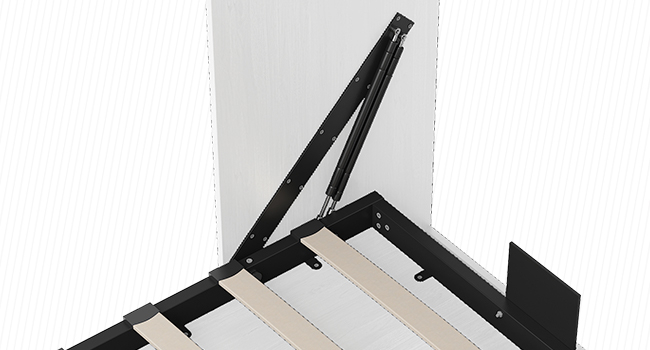
For years, steel springs were the only game in town. They’re durable, cheap, and proven. But lately, gas pistons (like those in car trunks or office chairs) have become popular. Why? They offer a smoother, more controlled motion. There’s no "snap" when the bed hits the floor. It glides. Installers have mixed feelings about this shift. Springs are forgiving. If the floor is slightly uneven, a spring system can often adjust. Pistons are precise. Too precise. If your wall isn’t perfectly plumb, a piston bed can bind or stick.
Let’s break it down. Springs are noisy. Over time, they can squeak. They also lose tension after many years, though modern ones are much better than the old days. Pistons are silent. They provide consistent resistance from top to bottom. But they are sensitive to temperature. In a cold garage or an unheated cabin, a gas piston can feel stiff. In a hot room, it might feel weaker. If you’re installing in a climate-controlled bedroom, pistons are fantastic. If it’s a vacation home that sits empty in winter, stick with springs.
Another point installers make is maintenance. You can’t really fix a gas piston. If it fails, you replace the whole unit. Springs can sometimes be adjusted or replaced individually. However, piston systems often come with better safety features, like slow-close technology that prevents the bed from slamming down if you let go. For families with kids, this is a huge plus. Safety beats convenience every time. So, consider your environment. Is it stable? Is it safe? That should drive your choice.
The Cabinet Isn’t Just a Box
This might sound obvious, but the mechanism needs a home. And that home has to be strong. Really strong. When a wall bed is closed, it’s just a cabinet. But when it’s open, it’s a lever. The force exerted on the mounting points is immense. Installers wish everyone understood that you can’t just screw this into drywall. You need studs. Solid wood blocking. In some cases, concrete anchors. The mechanism transfers all that lifting energy into the wall. If the cabinet is flimsy, it will warp.
Warped cabinets cause misalignment. If the box twists even a quarter of an inch, the bed won’t close flush. It’ll stick out. Or it’ll rub against the sides. You’ll hear scraping sounds. It looks cheap. In 2026, we see more DIY kits online. These often use thinner particle board to keep costs down. An experienced installer will reinforce these. They’ll add extra screws, brackets, and internal bracing. But if you’re hiring someone, ask them about the cabinet structure. Don’t just look at the finish.
Also, think about depth. Mechanisms have changed. Some newer designs allow for shallower cabinets, which is great for small rooms. But this puts more stress on the hinges. A deeper cabinet distributes the weight better. If you have the space, go deeper. It’s more stable. It lasts longer. And it gives you room for better insulation, which helps with noise. A hollow cabinet acts like a drum. A solid, well-built one stays quiet. Remember, the cabinet protects the mechanism. Treat it with respect.
Clearance and Floor Space: The Invisible Constraints
You measured the wall. You measured the bed. You think you’re good. But did you measure the swing? When a wall bed comes down, it doesn’t just drop vertically. It arcs out. The foot of the bed travels further out than the height of the bed. A queen bed that is 80 inches tall might need 90 inches of floor clearance to open fully without hitting a rug, a lamp, or a cat. Installers cringe when they arrive and find a ceiling fan, a low-hanging light fixture, or a built-in shelf in the way.
This is where planning fails. People focus on the closed state. They forget the open state. In 2026, rooms are getting smaller. We’re trying to fit more function into less space. This makes clearance critical. You need to map out the "zone of danger." Nothing permanent should be in that arc. If you have a desk that needs to stay in place, you might need a horizontal murphy bed (which opens sideways) instead of a vertical one. Horizontal beds require less vertical clearance but more wall width.
Also, consider the floor itself. Carpet is tricky. A thick shag rug can prevent the bed from closing all the way. The legs might sink in. Hardwood is better, but it can scratch if the bed slams down. Many modern mechanisms come with protective feet or glides. Ask about these. Some installers recommend putting a small, hard mat under the foot of the bed. It protects the floor and ensures a consistent surface. It’s a small detail, but it makes a big difference in how smooth the operation feels. Dont forget to check for baseboards too, they can get in the way.
Daily Usability: The Test of Time
A wall bed isn’t a party trick. It’s furniture you use. Maybe every night. Maybe every morning. The mechanism needs to feel good in your hands. Literally. How much force does it take to pull it down? Can a child do it? Can an elderly parent? This varies wildly between brands. Some high-end systems use assisted-lift technology, making a heavy queen bed feel like it weighs nothing. Others require a firm tug.
Installers often demonstrate the bed to the homeowner. Watch how they do it. Do they struggle? Do they have to use two hands? One hand? Ideally, you want a one-handed, smooth motion. If you have to brace your foot against the wall to pull it down, it’s too heavy. Adjust the tension. Most mechanisms have adjustment points. Springs can be tightened or loosened. Pistons can sometimes be swapped for different pressure ratings. Don’t accept a bed that feels awkward.
Also, think about bedding. Do you leave the sheets on? Most people do. But if you have bulky pillows or a thick comforter, it can bunch up when the bed closes. This puts uneven pressure on the mechanism. Over time, this can cause wear. Some mechanisms have straps to hold the bedding in place. Use them. It keeps everything tidy and reduces stress on the hinges. In the long run, simple habits extend the life of the hardware. It’s not just about the metal; it’s about how you interact with it.
Let’s be honest. YouTube makes everything look easy. You watch a ten-minute video, and you think, "I can do that." Maybe you can. But wall beds are heavy. And they are under high tension. A spring slipping during installation can cause serious injury. Installers have specialized tools. They have jacks to hold the bed in place while they secure it. They have levels that are actually accurate. They know how to shim a wall that bows in the middle.
In 2026, the complexity of these units has increased. Smart features, integrated lighting, USB ports. All of this adds wiring. Wiring needs to be safe. It needs to be hidden. A professional knows how to manage cables so they don’t get pinched when the bed moves. A pinch wire is a fire hazard. It’s also a repair nightmare. Hiring a pro isn’t just about convenience. It’s about safety and longevity. They warranty their work. If something squeaks six months later, they come back.
If you do decide to go DIY, please, please read the manual. Twice. And have a helper. Never work alone. Check every bolt. Torque them to spec. Don’t guess. And test the bed slowly. Don’t just yank it down. Lower it inch by inch. Listen for clicks or binds. If something feels wrong, stop. Call the manufacturer. Or call a pro. It’s cheaper to pay for an hour of consultation than to replace a broken mechanism or a cracked wall. Your future self will thank you. And your back will too.
Choosing the right wall bed mechanism isn’t about finding the most expensive option. It’s about finding the right fit for your space, your body, and your habits. It’s about understanding that gravity is constant, but our solutions can be elegant. By focusing on weight, mechanism type, cabinet strength, clearance, usability, and professional help, you ensure that your wall bed becomes a seamless part of your life. Not a chore. Not a hazard. Just a smart, simple solution for modern living. Take your time. Ask questions. And enjoy the space you create.