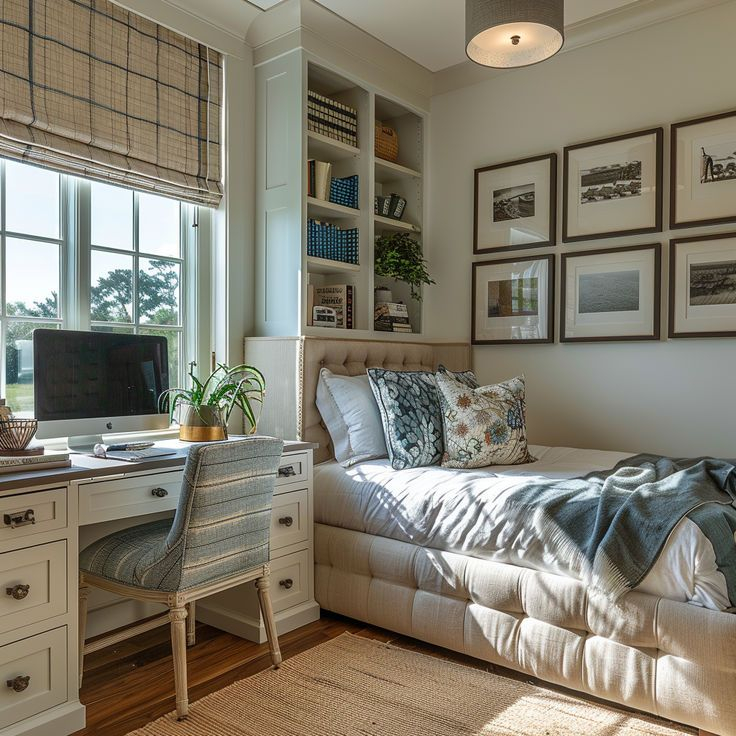
You know that feeling when guests show up unannounced? Or maybe you just want a cozy nook for reading during the day that transforms into a guest bed at night. It’s a common dilemma. We all crave space, but we also need flexibility. That’s where the daybed with a pop-up trundle comes in. It’s not just furniture; it’s a Swiss Army knife for your living room or spare bedroom. But let’s be honest. Not all daybeds are created equal. Some wobble like a jellyfish. Others squeak every time you breathe. And the trundle mechanism? Well, that can be a nightmare if you don’t pick the right one.
So, how do you find the good stuff? The kind that lasts? In 2026, the market is flooded with options. From sleek metal frames to warm, rustic wood, the choices are endless. But beneath the aesthetics lies the real story: durability. You want something that won’t collapse under pressure. You want a trundle that glides out smoothly, not one that gets stuck halfway. This guide isn’t about selling you the most expensive option. It’s about helping you spot the red flags and green lights. We’re diving deep into materials, mechanisms, and comfort. By the end, you’ll know exactly what to look for. No more guesswork. Just solid, reliable advice for your home.
Understanding the Pop-Up Mechanism
Let’s talk about the magic part: the pop-up trundle. Unlike a standard pull-out drawer bed, a pop-up trundle lifts to the same height as the main mattress. This creates two twin beds side-by-side. It’s genius for sleepovers. But here’s the catch. The mechanism is complex. It involves springs, hinges, and wheels. If any of these parts are cheap, the whole system fails. You’ve probably seen those videos online where the trundle snaps back down or gets jammed. Nobody wants that. In 2026, the best models use heavy-duty steel springs and reinforced hinges. Look for terms like "heavy-gauge steel" or "industrial-grade components." These aren’t just marketing buzzwords. They matter.
Why does this matter so much? Because people use these beds differently. Kids jump on them. Adults sit on the edge. The mechanism takes a beating. A flimsy spring will lose its tension after a few months. Then, your trundle won’t stay up. It becomes a hazard. So, when you’re shopping, ask about the warranty on the mechanism. A company confident in their build will offer at least a year, often more. Also, check the reviews specifically for comments on the lifting action. Does it require two people? Is it smooth? These details tell you more than the product description ever will. Remember, a sturdy mechanism is the heart of a durable daybed. Don’t skimp here.
Another thing to consider is the locking system. When the trundle is popped up, it needs to lock securely in place. You don’t want it shifting while someone is sleeping. The best designs have automatic locks that engage when the bed reaches full height. Test this if you can. If you’re buying online, look for video reviews showing the locking process. It should click into place with a satisfying sound. No wiggling. No uncertainty. This small feature makes a huge difference in safety and peace of mind. After all, you want your guests to sleep soundly, not worry about the bed collapsing beneath them.
Frame Materials: Wood vs. Metal
Now, let’s get into the bones of the daybed: the frame. You’ve got two main contenders: wood and metal. Both have their perks. Wood offers warmth and timeless style. It fits well in traditional or farmhouse decor. Metal, on the other hand, is sleek, modern, and often stronger for its weight. But which is more durable? It depends on the quality. A cheap wooden frame made of particleboard will warp and crack. A high-quality hardwood frame, like oak or maple, can last decades. Similarly, a thin metal tube will bend. Thick, welded steel will stand strong. In 2026, many top-rated models combine both. Think metal support structures with wooden accents. This gives you the best of both worlds.
When looking at wood, check the joinery. Dovetail joints or mortise-and-tenon connections are signs of quality. Avoid frames held together mostly by screws or staples. They loosen over time. Also, look at the finish. Is it smooth? Are there rough edges? A good finish protects the wood from moisture and wear. For metal frames, inspect the welds. They should be clean and uniform, not bubbly or cracked. Powder-coated finishes are great because they resist chipping and rust. This is especially important if you live in a humid climate. Rust is the enemy of metal furniture. A little prevention goes a long way.
Weight capacity is another key factor here. Most daybeds list a weight limit. But don’t just look at the number. Look at how it’s distributed. A sturdy frame can handle 400 pounds or more on the main bed. The trundle usually has a lower limit, around 250-300 pounds. Make sure these limits meet your needs. If you have heavier guests, go for a metal frame with reinforced slats. Wood frames can be strong too, but they need thick slats and close spacing. Speaking of slats, let’s talk about support. You don’t want a mattress sagging between wide gaps. Look for slats spaced no more than 3 inches apart. Or better yet, choose a model with a solid platform or bunkie board. This ensures even support and extends the life of your mattress.
Mattress Compatibility and Comfort
Here’s a secret: the frame is only half the battle. The mattress makes or breaks the comfort. Daybeds often require specific mattress thicknesses. If the mattress is too thick, the trundle won’t fit underneath. If it’s too thin, you’ll feel the slats. Most pop-up trundles work best with mattresses between 6 and 10 inches thick. Always check the manufacturer’s recommendations. Don’t guess. A mismatch can damage the mechanism or make the bed unusable. In 2026, many brands sell daybeds with compatible mattresses bundled. This can be a convenient option, but make sure the mattress quality matches the frame. Don’t let a great frame be ruined by a cheap, lumpy mattress.
Comfort is subjective, but support is universal. Since daybeds often double as seating, you need a mattress that holds its shape. Memory foam is popular because it contours to the body. However, it can retain heat. Hybrid mattresses, which combine coils and foam, offer a good balance of support and cooling. Latex is another excellent choice. It’s durable, responsive, and naturally cool. Whatever you choose, look for high-density foam. Low-density foam breaks down quickly, leading to sagging. This is especially true for the trundle mattress, which might sit unused for long periods. Compression from storage can weaken cheap foam. Invest in quality here. Your back will thank you.
Also, consider the edge support. Daybeds are often used for sitting along the edges. If the mattress collapses when you sit on the side, it’s uncomfortable and looks sloppy. Firm edges help maintain the shape of the bed. Some daybed frames come with built-in side rails or bolsters. These not only add style but also prevent pillows from falling off. They can also provide extra support for the mattress edges. If your frame doesn’t have them, consider adding decorative pillows or a bolster. It’s a small touch that enhances both function and aesthetics. Remember, a daybed is a hybrid piece. It needs to perform well as both a sofa and a bed.
Size and Space Considerations
Let’s talk logistics. Daybeds are space-savers, but they still take up room. A standard twin daybed is about 75-80 inches long and 40-45 inches wide. But when the trundle is pulled out, you need extra clearance. Make sure you have enough floor space to extend the trundle fully. Measure your room carefully. Don’t assume it will fit. In small apartments, every inch counts. Consider the direction the trundle opens. Does it slide out to the side or the foot of the bed? Side-opening trundles need more width. Foot-opening ones need more length. Plan your layout accordingly. You don’t want to block a doorway or a closet.
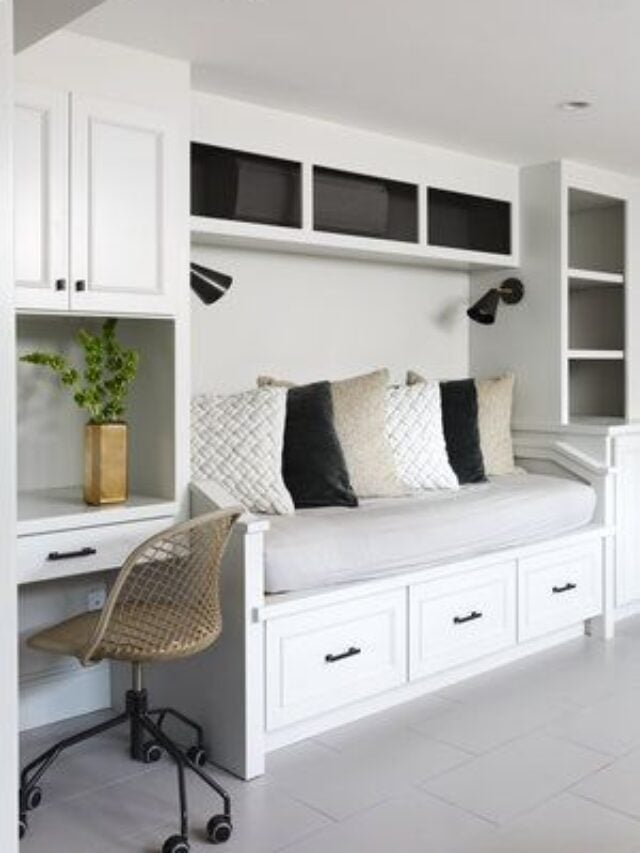
Height is another factor. Daybeds are often higher than standard beds. This makes them easier to get in and out of, which is great for older adults. But it also means they can dominate a small room visually. If you have low ceilings, a tall daybed might feel cramped. Look for models with lower profiles if space feels tight. Also, think about storage. Some daybeds come with drawers underneath instead of a trundle. But since we’re focusing on pop-up trundles, remember that the space under the main bed is occupied. You won’t have extra storage there. If you need storage, look for daybeds with built-in drawers in the headboard or footboard. It’s a clever way to maximize utility without sacrificing sleeping space.
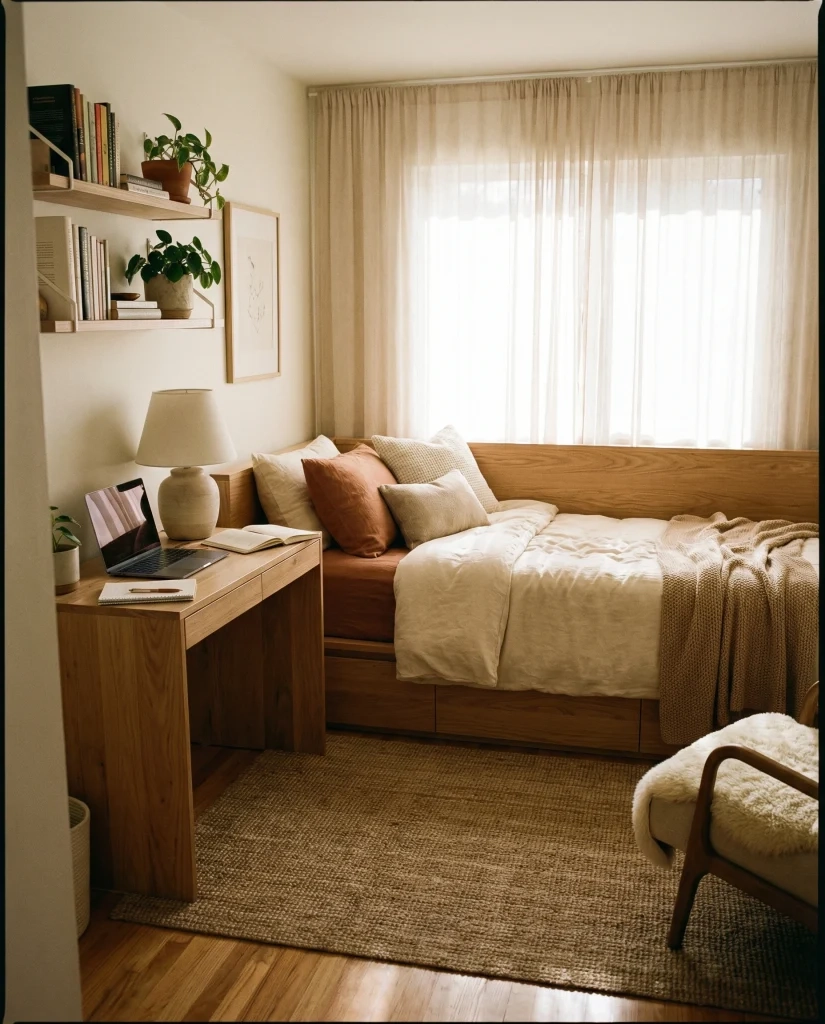
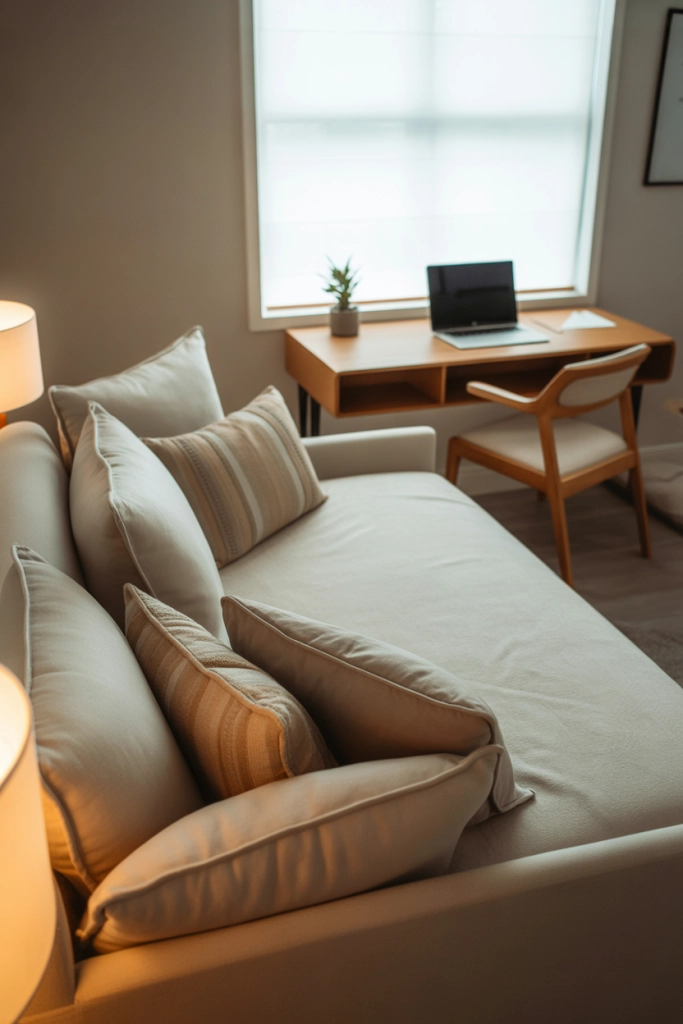
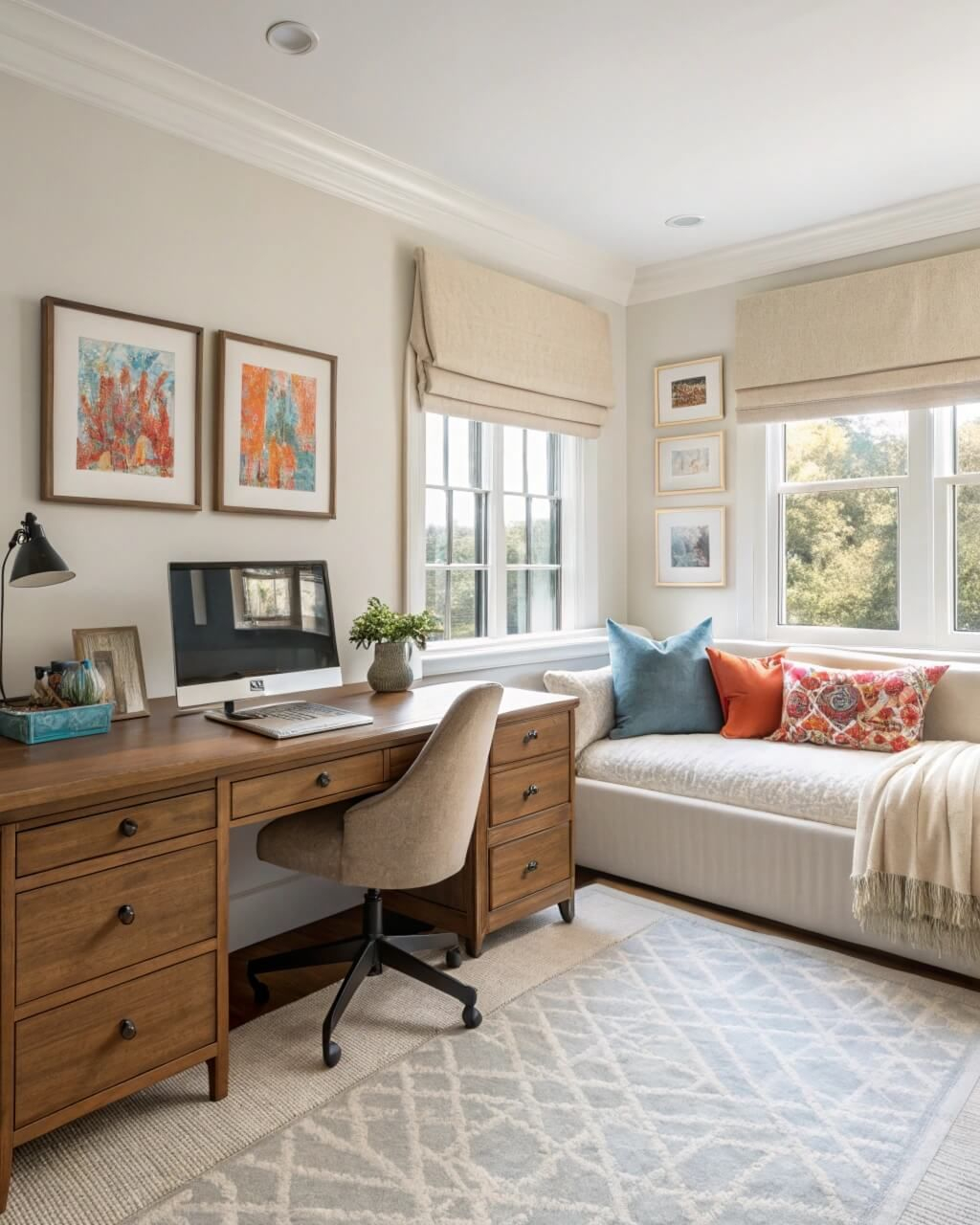
Style matters too. A daybed is a focal point. It should complement your existing decor. Modern metal frames suit minimalist interiors. Wooden frames with carved details fit traditional spaces. Upholstered daybeds add a touch of luxury and softness. They’re great for creating a cozy reading nook. But upholstery can stain. If you have pets or kids, choose a durable, stain-resistant fabric. Microfiber and performance fabrics are good options. Leather is also durable but can be cold in winter. Think about how you’ll use the space. Will it be a formal guest room or a casual family hangout? Your lifestyle should guide your style choice. Don’t just pick what looks pretty in the picture. Pick what works for your life.
Assembly and Maintenance Tips
Let’s be real. Assembly can be a pain. Some daybeds come partially assembled. Others require you to build everything from scratch. If you’re not handy, look for models with easy assembly instructions. Video guides are a huge plus. Many brands now offer QR codes that link to step-by-step videos. This is a game-changer. It saves time and frustration. Also, check if tools are included. Nothing is worse than getting halfway through assembly and realizing you need a specific wrench you don’t have. In 2026, customer service is part of the product experience. Brands that offer helpful support during assembly stand out. Read reviews about the assembly process. If people complain it took ten hours, believe them.
Once assembled, maintenance is key to longevity. Tighten the screws regularly. Furniture loosens over time, especially with frequent use. Check the trundle mechanism every few months. Lubricate the wheels and hinges if they start to squeak. A simple silicone spray works wonders. Keep the frame clean. Dust can accumulate in the joints and mechanisms. Wipe it down with a damp cloth. For wood frames, use a wood polish occasionally to keep the finish bright. For metal, avoid harsh chemicals that can strip the coating. Simple care prevents big problems later. It’s like brushing your teeth. A little effort goes a long way.
What about repairs? Even the best daybeds might need a fix eventually. Keep the assembly manual and any extra hardware. Manufacturers often send replacement parts for free if something breaks within the warranty period. Don’t throw away those little bags of screws. Label them and store them safely. If a spring breaks, contact the manufacturer immediately. Don’t try to jury-rig a fix. It’s unsafe. Most reputable brands have good customer service teams ready to help. Building a relationship with the brand can save you money and stress in the long run. Remember, a daybed is an investment. Treat it well, and it will treat you well.
Finally, let’s talk money. Daybeds with pop-up trundles range widely in price. You can find basic models for under $300. High-end designer pieces can cost over $1,500. Where should you spend? It depends on your priorities. If you need a temporary solution for a guest room, a budget-friendly option might suffice. But if you plan to use it daily, invest in quality. Cheap frames often cut corners on materials and mechanisms. They might look fine initially, but they won’t last. In 2026, the sweet spot for a durable, stylish daybed is between $500 and $900. This range offers solid construction, good materials, and reliable mechanisms.
Value isn’t just about the initial price. It’s about cost per use. A $800 daybed that lasts ten years is cheaper than a $300 one that breaks in two. Think about the long term. Also, consider the cost of the mattress. Don’t forget to factor that into your budget. A good mattress can cost as much as the frame. Look for sales and bundles. Many retailers offer discounts when you buy the frame and mattress together. Timing matters too. Holiday sales, like Black Friday or Memorial Day, often have great deals on furniture. Sign up for newsletters from your favorite brands to get alerts. Patience pays off.
Don’t overlook second-hand options. Vintage daybeds can be treasures. Solid wood frames from the mid-century era are incredibly durable. You might need to refinish them or replace the mechanism, but the core structure is often superior to new, cheap imports. Check local flea markets, estate sales, and online marketplaces. Just be cautious. Inspect the frame for cracks or warping. Test the trundle mechanism if possible. Restoring a vintage piece can be a rewarding project. It adds character to your home and saves money. Whether you buy new or used, focus on quality. Your comfort and safety are worth it. Don’t settle for less just to save a few bucks today.
Finding the right daybed with a pop-up trundle takes a bit of research. But it’s worth it. You’re not just buying a bed. You’re buying flexibility, comfort, and style. Pay attention to the mechanism. Choose sturdy materials. Pick the right mattress. Measure your space. And don’t be afraid to spend a little more for quality. In 2026, there are plenty of great options out there. Take your time. Read the reviews. Ask questions. Your perfect daybed is waiting. And when you find it, you’ll wonder how you ever lived without it. It’s more than furniture. It’s a solution. A comfortable, durable, stylish solution for your home. Sleep well.