You know that feeling when you walk into a room and see a beautiful sofa, but you’re afraid to sit on it? It looks like a museum piece. Sharp lines. Perfect angles. Maybe it’s even got those stiff, upright arms that scream "don’t spill your wine." For decades, the tuxedo sofa was exactly that: elegant, yes, but about as inviting as a board meeting. It was furniture for looking at, not for living in. But something has shifted. Quietly, almost under the radar, a change has swept through living rooms from Brooklyn apartments to suburban dens.
It’s the velvet revolution. And no, it’s not political. It’s tactile. By swapping out stiff linens or cold leathers for deep, plush velvet, designers have managed to keep the sophisticated silhouette of the tuxedo while making it feel like a warm hug. In 2026, this isn’t just a niche trend; it’s the standard. People want their homes to look chic, sure, but they also want to melt into them after a long day. The combination of the tuxedo’s clean, architectural lines with the softness of velvet creates a paradox that actually works. It’s structured yet soft. Formal yet forgiving. Let’s talk about why this combo is taking over, and how you can make it work for you without feeling like you’re sitting on a throne.
The Architecture of Comfort
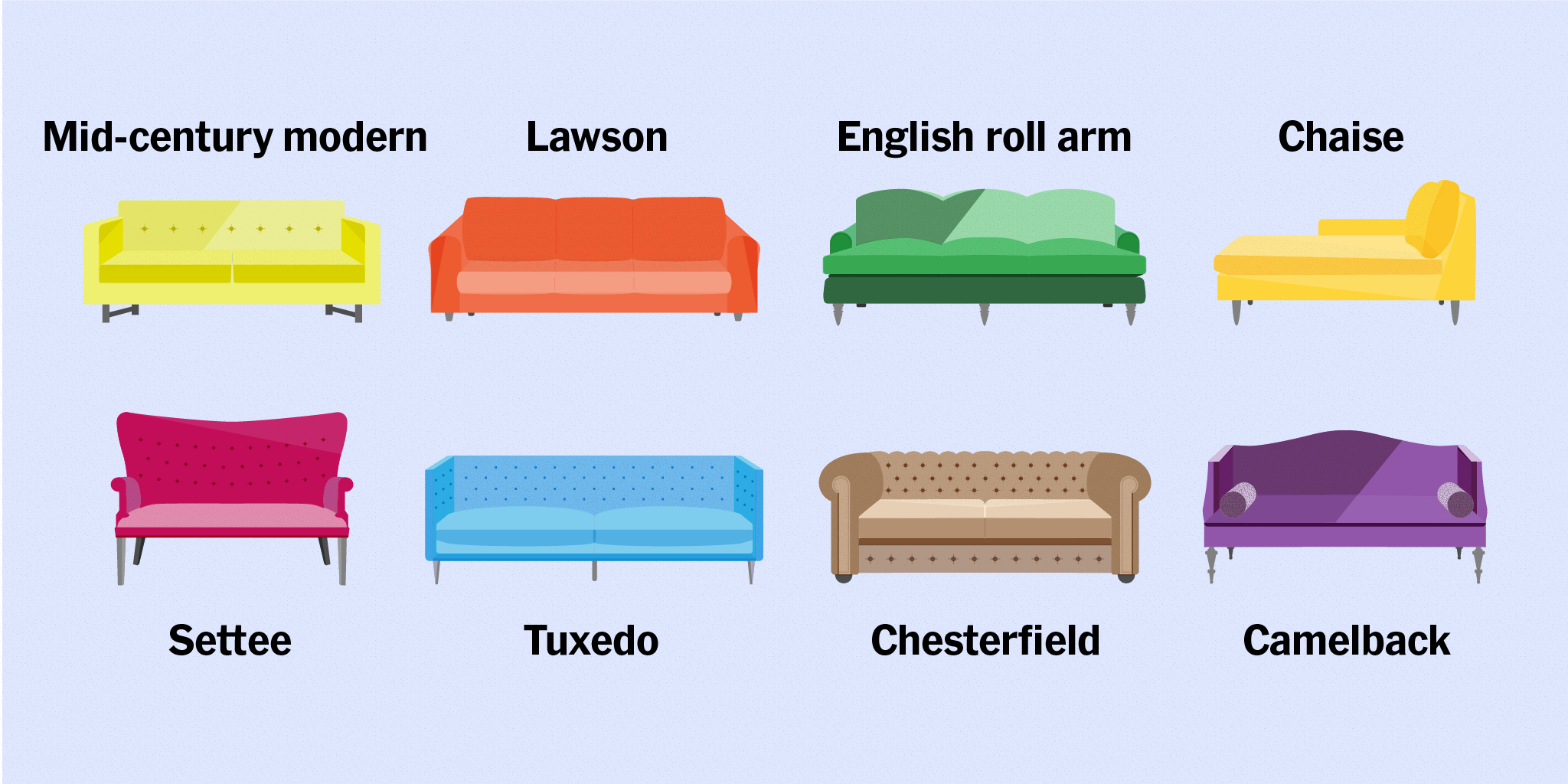
To understand why this works, you have to look at the bones of the thing. A traditional tuxedo sofa is defined by its arms. They are the same height as the backrest. This creates a continuous, horizontal line that feels very modern and very streamlined. Historically, this design was paired with firm cushions and crisp fabrics to maintain that sharp geometry. The problem? Human bodies aren’t geometric. We’re curvy. We slump. We want to curl up. When you put a soft, yielding fabric like velvet on this rigid frame, something interesting happens. The visual stiffness remains—you still get that sleek, tailored look—but the physical experience is completely different.
Think about the way light hits velvet. It doesn’t bounce off like it does on leather or tight-weave cotton. It absorbs. It creates depth. When you run your hand along the arm of a velvet tuxedo, the friction is low, but the texture is rich. It invites touch. In recent reviews from sites like House Beautiful and Dweva, testers consistently noted that velvet-topped tuxedos felt "warmer" immediately upon contact. It’s a psychological trick as much as a physical one. The eye sees order; the hand feels chaos (in a good way). This duality is what makes the 2026 models so popular. You get the credit for having good taste in design, but you don’t sacrifice the ability to actually relax.
It’s also about proportion. Older tuxedo sofas were often boxy. Today’s versions, like the AllModern George or the Streamdale pieces found at Macy’s, have softened edges. The corners are slightly rounded. The arms might taper just a bit. When you add velvet to these subtle curves, the sofa loses its intimidation factor. It stops being a statement piece that dominates the room and starts being a companion piece that supports it. The structure provides the support your back needs, while the velvet provides the give your skin craves. It’s engineering meets empathy.
Fabric Matters More Than You Think
Not all velvet is created equal. This is where people get tripped up. If you buy a cheap, synthetic velvet that feels plasticky, you haven’t solved the stiffness problem; you’ve just made it shiny. The real magic lies in the pile and the backing. High-quality velvets, like the Italian varieties mentioned in Target’s 2026 lineup, have a dense pile that stands up well to wear but collapses softly under pressure. This is crucial for a tuxedo sofa because the arms are narrow. If the fabric is too thick or bulky, it can make the arms feel hard and unyielding. A finer velvet drapes better over the padding, creating a smoother, more cushioned feel.
Then there’s the issue of breathability. One common myth is that velvet is hot. Old-school velvet, maybe. Modern performance velvets are engineered to be breathable. They wick moisture. This matters because a tuxedo sofa often has less surface area than a sprawling sectional. You’re in closer contact with the material. If it traps heat, you’re going to shift around uncomfortably. But the new generation of fabrics, tested heavily by reviewers at Dweva, scores high on cooling. They feel cool to the touch initially, then warm to your body temperature quickly. It’s a Goldilocks situation. Not too cold, not too hot. Just right for binge-watching your favorite show.
Durability is the other big piece of the puzzle. Velvet used to be seen as fragile. "Don’t sit there, you’ll crush the nap!" we’d whisper. That’s outdated thinking. Today’s velvets are tough. They resist crushing. If you do leave an impression from sitting, it usually bounces back within minutes. This resilience is key for the tuxedo style, which relies on clean lines. If the fabric sagged or bagged, the whole aesthetic would fall apart. The structural integrity of the sofa depends on the fabric holding its shape, and modern velvet does exactly that. It’s forgiving of spills and pets, which makes it practical for real life, not just showroom floors.
Color Psychology and Mood
Let’s talk about color, because velvet changes color depending on how you look at it. This is called "pulling." When you brush the fabric one way, it looks lighter; brush it the other, and it looks darker. On a tuxedo sofa, this effect is amplified by the flat, wide surfaces of the arms and back. A navy blue velvet tuxedo isn’t just blue. It’s midnight in some spots and royal blue in others. This visual movement adds a layer of coziness that flat colors can’t achieve. It makes the sofa feel alive. It draws you in. In 2026, we’re seeing a move away from safe grays and toward richer, moodier tones that leverage this effect.
Emerald greens and deep teals are huge right now. Why? Because they feel grounding. A green velvet tuxedo sofa anchors a room. It feels organic, like moss or forest shadows. It’s calming. Contrast that with a blush pink or beige, which are also trending, especially in smaller apartments. These lighter shades reflect more light, making the space feel airier. But even in light colors, the velvet texture adds weight. It prevents the sofa from looking flimsy. A beige linen tuxedo might look cheap or thin. A beige velvet tuxedo looks substantial. It looks expensive. And when something looks expensive and substantial, we treat it with care, but we also feel proud to sink into it.
The choice of color also dictates how "stiff" the sofa feels emotionally. Darker colors recede. They make the sofa feel like a cave, a private nook. This enhances the cozy factor. Lighter colors advance. They make the sofa feel like a stage. If you want cozy, go dark. If you want airy, go light. But regardless of the hue, the velvet finish softens the impact. It blurs the hard lines of the tuxedo design. It’s like putting a soft-focus filter on a photograph. The details are still there, but the edges are gentler. This is why you’ll see so many jewel tones in recent collections from Wayfair and Amazon. They know that color + texture = emotion.
The Details That Soften the Edge
It’s not just about the main body of the sofa. The details matter. Take tufting, for example. Many velvet tuxedo sofas feature diamond tufting or channel stitching. Look at the Wayfair models with crystal buttons or the channel-stitched backs from Macy’s. Tufting pulls the fabric tight in specific spots, creating dimples. This breaks up the large, flat expanse of the backrest. It adds visual interest, sure, but it also creates little pockets of softness. Your back settles into those dimples. It’s ergonomic luxury. Without tufting, a velvet tuxedo back can feel like a flat wall. With it, it feels like a contour map of comfort.
Legs are another subtle but important detail. Traditional tuxedo sofas often sat flush on the floor or had very short, blocky feet. This made them feel heavy and immovable. Modern iterations, like those with golden legs mentioned in Amazon and Target listings, lift the sofa up. This visual lift makes the piece feel lighter. It reduces the visual bulk. When a sofa feels lighter, it feels less imposing. And let’s be honest, gold or brass accents add a touch of warmth. Metal can be cold, but gold-toned metal reads as warm. It complements the richness of the velvet. It ties the whole look together without adding hardness.
Then there’s the cushion fill. This is hidden, but you feel it instantly. A tuxedo sofa with down-blend cushions will feel vastly different from one with pure foam. Down allows you to sink in. It molds to you. Foam pushes back. For that "cozy instead of stiff" vibe, you want a hybrid. A foam core for support, wrapped in down or a down-alternative for softness. This is what reviewers at Homestylistica and House Beautiful are looking for in 2026. They want the sofa to hold its shape (thanks to the tuxedo frame) but yield to their weight (thanks to the fill). The velvet cover is the final layer, smoothing over any lumps and providing that silky interface between you and the cushion.
Styling for Maximum Coziness
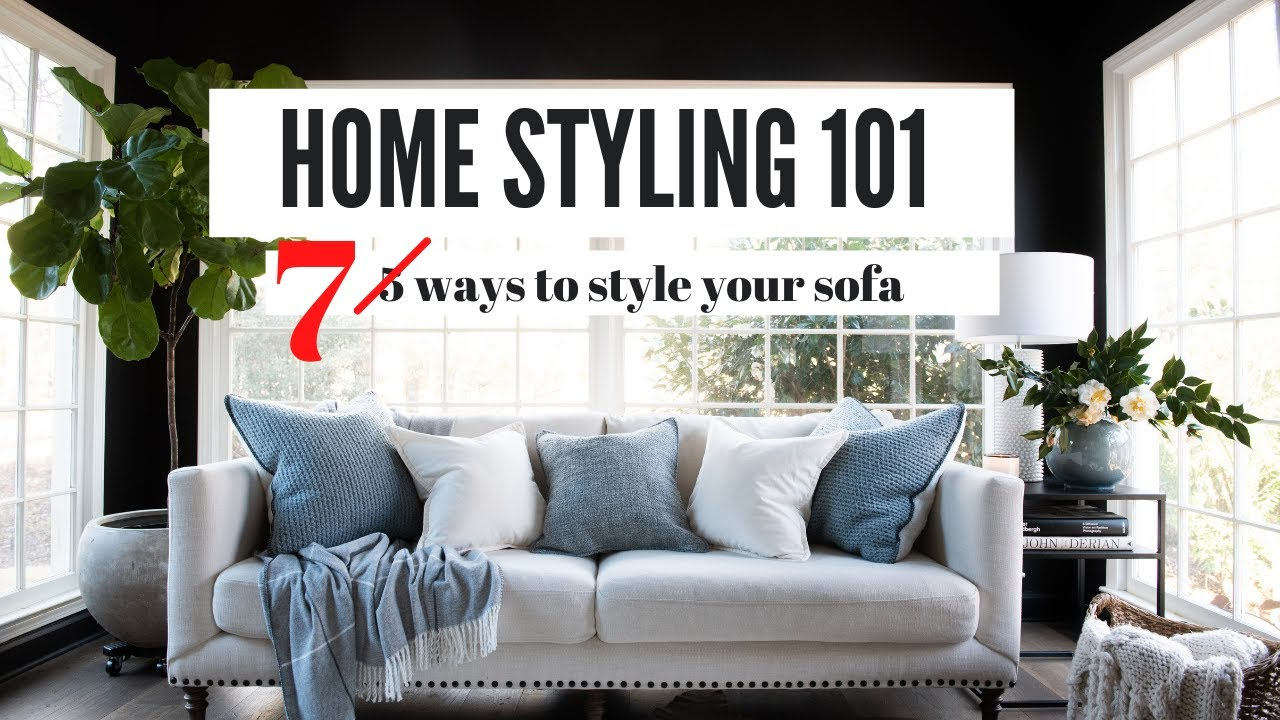
So you’ve got the sofa. Now what? How do you make sure it feels cozy in context? The mistake people make is treating a velvet tuxedo like a formal antique. They pair it with stiff, upright chairs and glass coffee tables. Don’t do that. To lean into the cozy revolution, you need to contrast the formality of the sofa with relaxed elements. Throw pillows are your best friend here. Mix textures. If your sofa is smooth velvet, add chunky knit pillows. Add faux fur. Add linen. The contrast highlights the softness of the velvet while breaking up the uniformity. It says, "This is a place to relax," not "This is a place to pose."
Rugs play a huge role too. A velvet tuxedo sofa on a bare hardwood floor can feel cold. Put it on a plush, high-pile rug, and suddenly the whole vignette feels warmer. The rug absorbs sound. It softens the acoustics of the room. This contributes to the feeling of coziness. It’s multisensory. You’re not just seeing the sofa; you’re hearing the quiet, feeling the softness underfoot. Lighting matters as well. Avoid harsh overhead lights. Use floor lamps with warm bulbs. Velvet loves warm light. It glows. Harsh light can make velvet look flat or reveal imperfections. Warm light enhances the depth of the pile.
And don’t forget the throw blanket. Draping a textured blanket over one arm of a tuxedo sofa disrupts the perfect symmetry. And that’s a good thing. Perfection is stiff. Imperfection is lived-in. It invites you to grab the blanket and curl up. It signals that the sofa is in use. In small spaces, like the apartments mentioned in Walmart and AllModern listings, this styling trick is essential. It makes the sofa feel like part of a curated, personal sanctuary rather than a catalog display. You’re creating a vibe, not just arranging furniture. The goal is to make the room feel like it’s hugging you back.
Let’s address the elephant in the room: maintenance. Can you really have a cozy, light-colored velvet sofa if you have kids or dogs? The answer in 2026 is a resounding yes, but with caveats. Technology has changed the game. Performance velvets are stain-resistant. They repel liquids rather than absorbing them instantly. This gives you time to blot a spill before it sets. But you still need to be smart. Avoid placing the sofa in direct sunlight, which can fade velvet over time. Rotate cushions regularly to ensure even wear. This keeps the sofa looking fresh and feeling consistent.
Vacuuming is your friend. Use a soft brush attachment. This removes dust and pet hair before it gets embedded in the pile. It also helps "fluff" the velvet, keeping the nap upright and the color vibrant. If you notice crushing in high-traffic areas (like where you always sit), you can often steam it lightly to revive the fibers. Check the manufacturer’s instructions first, but most modern velvets can handle a gentle steam. This simple maintenance routine extends the life of the sofa and preserves that luxurious feel. It’s not high-maintenance; it’s just mindful maintenance.
Finally, consider the placement. A tuxedo sofa is versatile. It works in living rooms, offices, and even bedrooms. But for maximum coziness, place it in a spot where you naturally congregate. Near a window? Great for reading. Facing the TV? Perfect for movie nights. The beauty of the velvet tuxedo is that it fits anywhere. It’s compact enough for small studios (as noted in Amazon and Walmart descriptions) but substantial enough for large living rooms. It adapts to your life. And because it’s durable, it can handle the ups and downs of daily use. It’s not a fragile relic. It’s a workhorse in a tuxedo.
The shift toward velvet tuxedo sofas isn’t just a fleeting trend. It’s a response to our collective desire for homes that are both beautiful and comfortable. We don’t want to choose between style and substance anymore. We want both. The velvet revolution delivers on that promise. It takes the iconic, tailored look of the tuxedo and infuses it with warmth, texture, and invite. It’s a reminder that furniture should serve us, not the other way around. So go ahead. Sit down. Sink in. Leave your shoes on if you want. The sofa can take it. And you’ll probably find that it feels a lot like home.