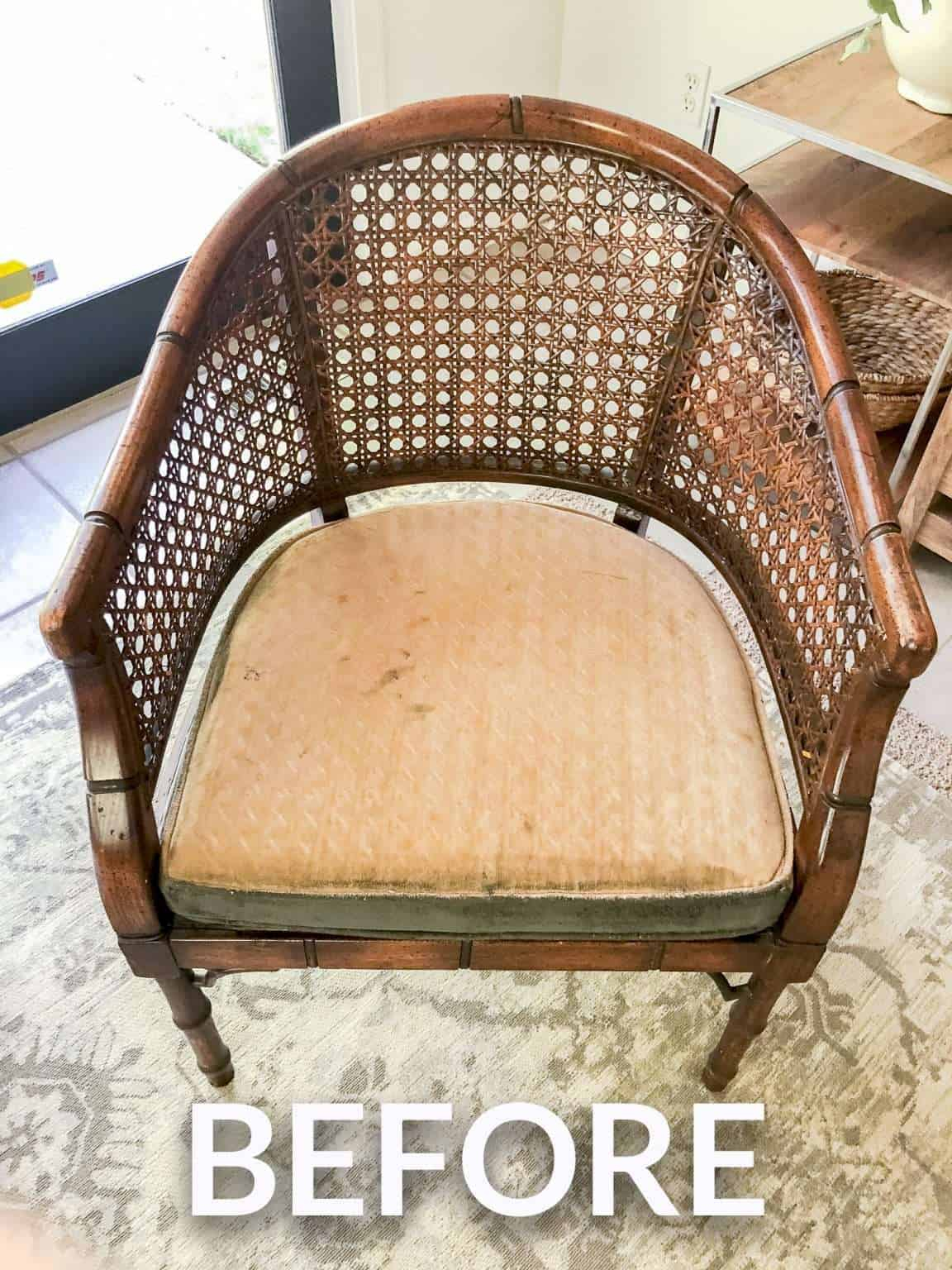
You know the feeling. You’re sitting in that old wicker chair on the porch, the one your grandmother loved, sipping coffee as the sun comes up. It creaks a little. Comfortingly, you think. But then your finger catches on something. A snag. A tiny, almost invisible hole in the weave near the armrest. It’s no bigger than a pencil eraser. You pull your hand away, maybe feel a slight pang of guilt, but you dismiss it. It’s just a small hole, you tell yourself. It’s not going anywhere.
But here’s the thing: it is going somewhere. And it’s taking your chair with it.
We tend to look at antique furniture as static objects. They are either "broken" or "fine." But wicker—real, natural rattan, reed, and cane—is alive in a way that wood isn’t. It breathes. It expands. It contracts. And when a small breach appears in its skin, it doesn’t just sit there. It spreads. Ignoring that pinprick defect isn’t just an aesthetic oversight; it is a slow-motion financial leak that can turn a manageable five-dollar fix into a five-hundred-dollar restoration bill. Or worse, total loss. Let’s talk about why those tiny holes matter so much more than they appear to, and how you can stop the bleed before it’s too late.
The Domino Effect of Structural Integrity
Wicker furniture relies on tension. That’s the secret sauce. Unlike a solid wood chair where the strength comes from the mass of the timber, wicker gets its strength from the weave. Each strand pulls against the other, creating a distributed network of support. When you have a single hole, you aren’t just missing a piece of material; you are breaking that tension chain.
Think of it like a sweater. If you get a small run in the knit, you might ignore it for a day. But if you keep wearing it, washing it, and moving around, that single loop unravels its neighbors. Suddenly, what was a tiny snag is a gaping hole in the elbow. The same physics apply to your antique chair. The strands surrounding that small hole now have to bear more weight. They stretch further than they were designed to. This extra stress causes them to fray, snap, or pull out of their anchor points.
In 2026, restorers are seeing a surge in chairs that came in with "minor issues" but required complete reweaving because the owner waited six months. The structural integrity collapses from the inside out. By the time you notice the armrest is wobbling, the core framework underneath the weave may have already shifted. Fixing a loose weave is easy. Fixing a shifted frame? That’s a whole different ballgame, often requiring disassembly and specialized clamping that most DIYers aren’t equipped to handle.
The Moisture Trap and Hidden Decay
Here is a fact that surprises most people: wicker is hygroscopic. That’s a fancy word meaning it absorbs moisture from the air. In a perfect weave, this happens evenly, and the material handles it fine. But a hole changes the game. It creates a trap. Dust, dirt, and humidity settle into that gap. Because the airflow is disrupted, moisture gets stuck there.
This damp, dark little pocket becomes a breeding ground for mold and mildew. You might not see it on the surface immediately, but underneath that loose strand, the natural fibers are starting to rot. Natural rattan is organic material, after all. It can decay. Once the rot sets in, it spreads to the adjacent strands. What started as a dry, clean break becomes a soft, mushy mess.
By the time you decide to look at it again, the damage has migrated. You might try to glue a new piece in, but if the surrounding area is compromised by rot, the glue won’t hold. The new repair will fail because the foundation is gone. This is why early intervention is critical. Cleaning and sealing a small hole takes minutes. Removing rotted core material and rebuilding the section takes hours, if it’s even possible. Don’t let a little water damage turn your heirloom into compost.
The Financial Reality: Repair vs. Restore
Let’s talk numbers, because nobody likes surprise bills. In the current market of 2026, the cost of labor for skilled furniture restoration has risen. Finding someone who actually knows how to weave natural cane and rattan—not just slap some resin tape on it—is harder than ever. These are niche skills.
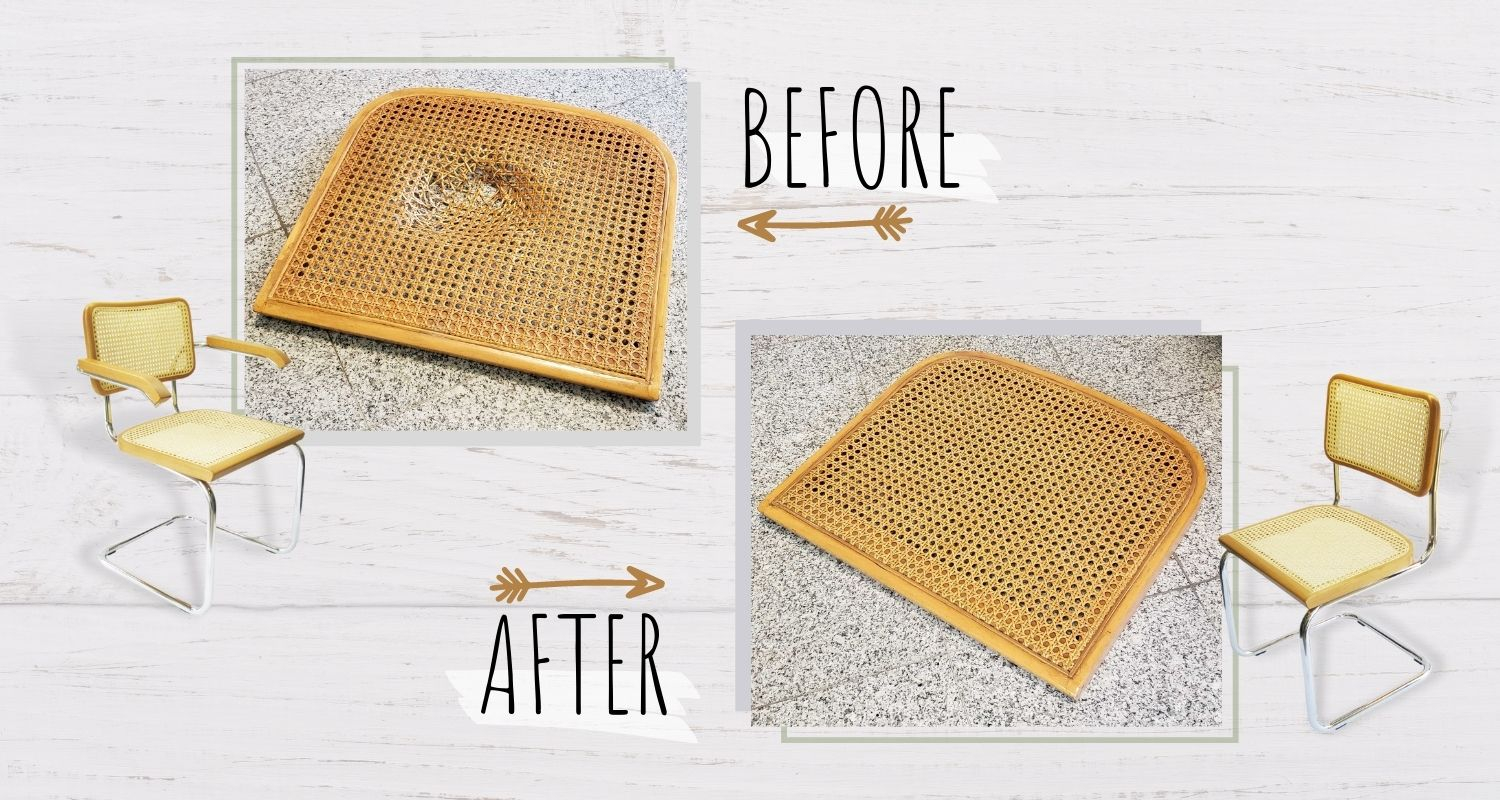
If you catch a small hole early, you can often fix it yourself. A bundle of replacement reeds costs maybe ten or fifteen dollars. A tube of clear wood glue? Another five. Total investment: under twenty bucks. Time spent: thirty minutes. You preserve the original finish and the patina that makes the piece valuable.
Now, compare that to waiting. If the hole expands and compromises the structure, you need a professional. A basic reweaving job for a seat or back panel can run from $150 to $300 depending on complexity. If the frame needs repair too? You’re looking at $400 to $600. And if the damage is extensive, some restorers might even advise against fixing it because the cost exceeds the value of the piece. You’ve turned a cherished family item into a financial burden. The "hidden cost" isn’t just the repair bill; it’s the loss of the option to fix it cheaply. You pay for procrastination.
Loss of Historical Value and Authenticity
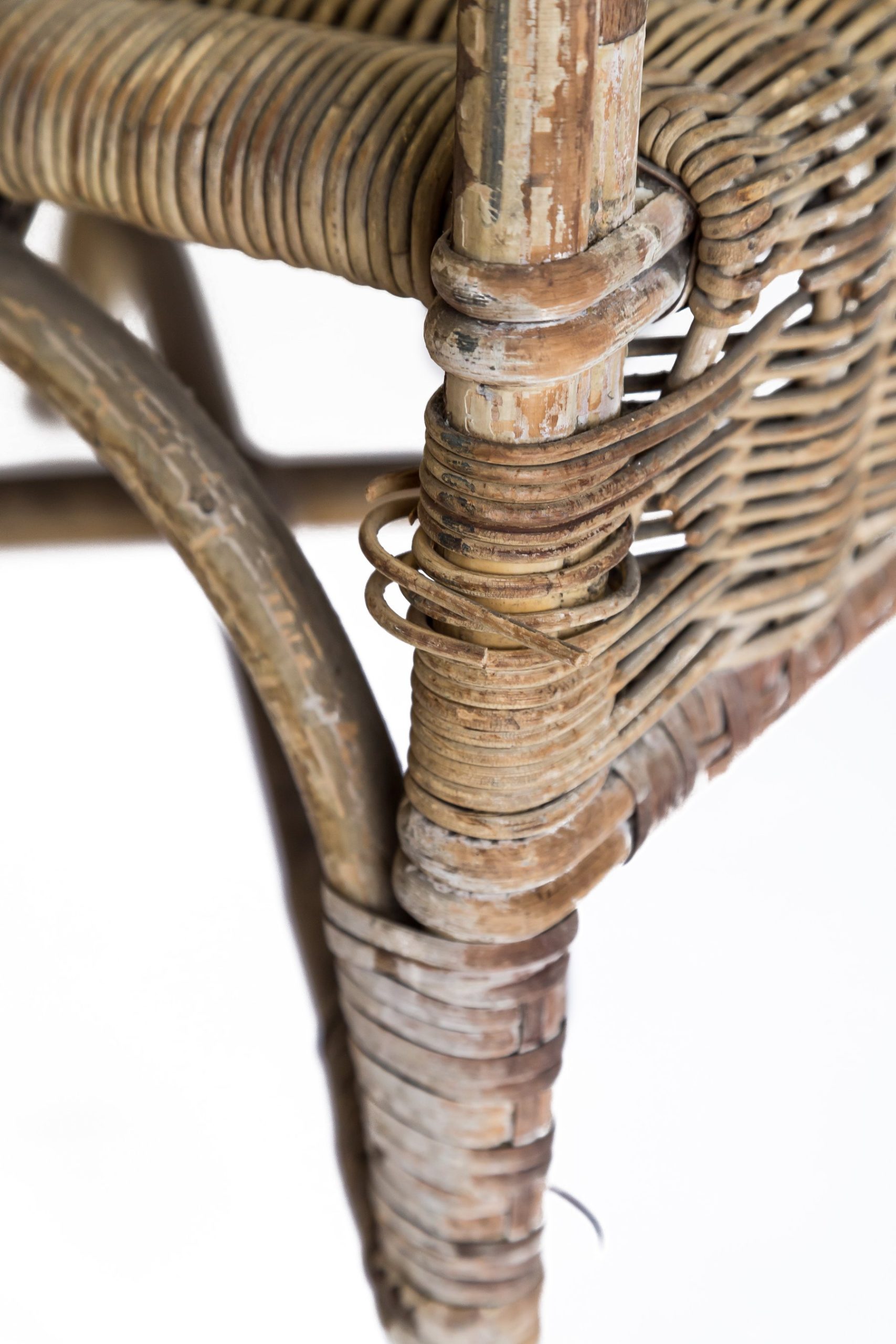
Antique wicker isn’t just furniture; it’s history. Pieces from the late 19th and early 20th centuries carry a specific craftsmanship that can’t be replicated today. The way the reeds were soaked, bent, and woven tells a story. Collectors and appraisers look for originality. They want to see the original weave, even if it’s aged.
When you let a small hole become a big problem, you force a more invasive repair. Instead of patching a few strands, you might have to replace entire sections. This introduces new material that looks different from the old. Even if you stain it to match, it’s not the same. The uniformity of the age is broken. In the world of antiques, this drop in authenticity can slash the resale value by 30% or more.
Furthermore, hasty repairs done after long neglect often look… well, hasty. Glue globs, mismatched colors, uneven tension. These are red flags to buyers. They signal that the piece was neglected. A chair with a small, neatly patched hole shows care. A chair with a sloppy, large-scale reconstruction shows panic. Protecting the small details preserves the soul of the piece. It keeps the narrative intact. Don’t let a moment of laziness erase decades of history.
The Emotional Toll of Neglect
There’s a softer side to this, too. We keep antique wicker because it connects us to the past. Maybe it was where your dad read the newspaper. Maybe it’s where you sat with your partner on summer evenings. These chairs hold memories. When they fall apart, it feels like losing a bit of that connection.
Ignoring the small signs of wear creates a low-level anxiety. You stop sitting in the chair because you’re afraid it’ll break. You move it to the corner, out of sight. It becomes a source of guilt rather than joy. Every time you walk past it, you think, I should fix that. But you don’t. And the chair sits there, deteriorating, becoming a symbol of unfinished business.
Fixing the small hole is an act of care. It’s a way of honoring the object and the memories it holds. It takes ten minutes. You sit down, you glue the strand, you clamp it. Done. The relief is immediate. The chair is safe. You can sit in it again without worry. The emotional weight lifts. It’s not just about furniture; it’s about maintaining the spaces that make us feel grounded. Don’t let a tiny hole steal your comfort.
So, what do you do when you find that pesky hole? Don’t panic. You don’t need to be a master weaver. For small holes and loose ends, simple interventions work wonders. First, clean the area gently with a soft brush to remove dust and debris. You want the glue to bond to the fiber, not to dirt.
Next, assess the damage. Is the strand just loose, or is it broken? If it’s loose, apply a small amount of clear-drying wood glue or a specialized wicker adhesive under the strand. Press it back into place. Use a small clamp or even a clothespin to hold it tight while it dries. If a piece is missing, you can buy individual reed splines from craft stores or online retailers. Cut a piece to fit, soak it in warm water for a few minutes to make it pliable, weave it in, and glue the ends.
Finally, consider a preventive measure. Once the repair is dry, apply a light coat of lemon oil or a specialized wicker conditioner. This keeps the fibers supple and less prone to brittle snapping. Check your chairs once a season. A quick visual scan can catch these issues before they become disasters. It’s a small habit that pays huge dividends. Keep some glue and a few spare reeds in your toolbox. You’ll be glad you did.
The next time you see that tiny hole, don’t walk away. See it for what it is: a warning sign. But also see it as an opportunity. An opportunity to care for something beautiful, to save money, and to keep a piece of history alive. Grab the glue. Fix the strand. Sit back down. The chair—and your wallet—will thank you. It’s really that simple. And honestly, isn’t it worth it to keep those summer mornings exactly as they should be?