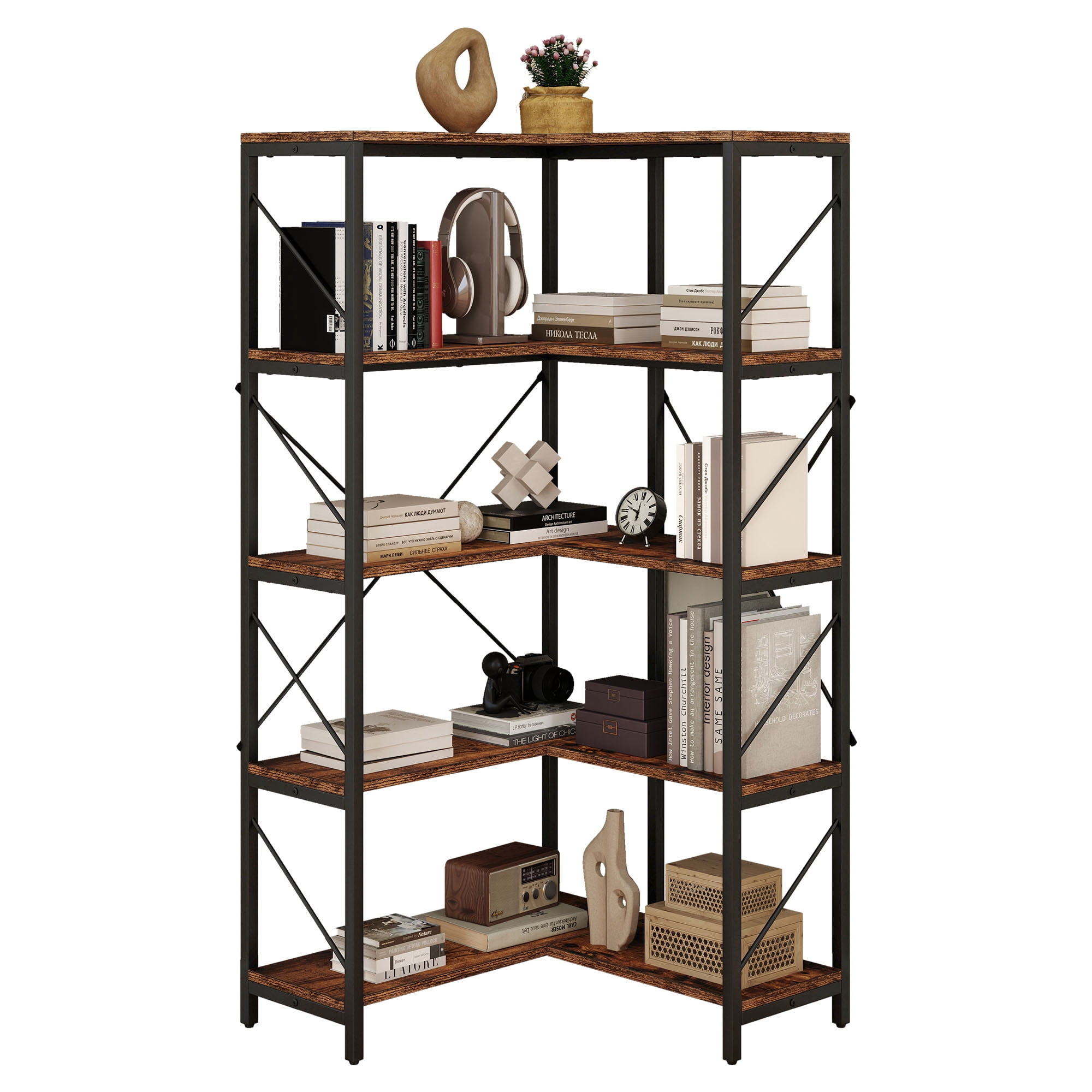
We’ve all been there. You walk into a room, scan the walls, and then your eyes land on it. That empty, dusty corner. It’s just sitting there, doing nothing. Maybe it’s behind a door, or perhaps it’s that weird angle where two walls meet in your living room. It feels like wasted potential. But here’s the thing: that awkward nook is actually a goldmine. With the right piece of furniture, you can turn that dead space into the coziest reading spot or a chic display area.
Corner bookshelves have come a long way. They aren’t just those flimsy wire racks from college dorms anymore. In 2026, we’re seeing designs that are sleek, sturdy, and seriously stylish. Whether you live in a tiny studio apartment or a sprawling suburban house, finding the right fit changes everything. It’s not just about storing books. It’s about making your home feel complete. Let’s dive into how you can pick the perfect one without losing your mind.
Why Corners Are Your Secret Weapon
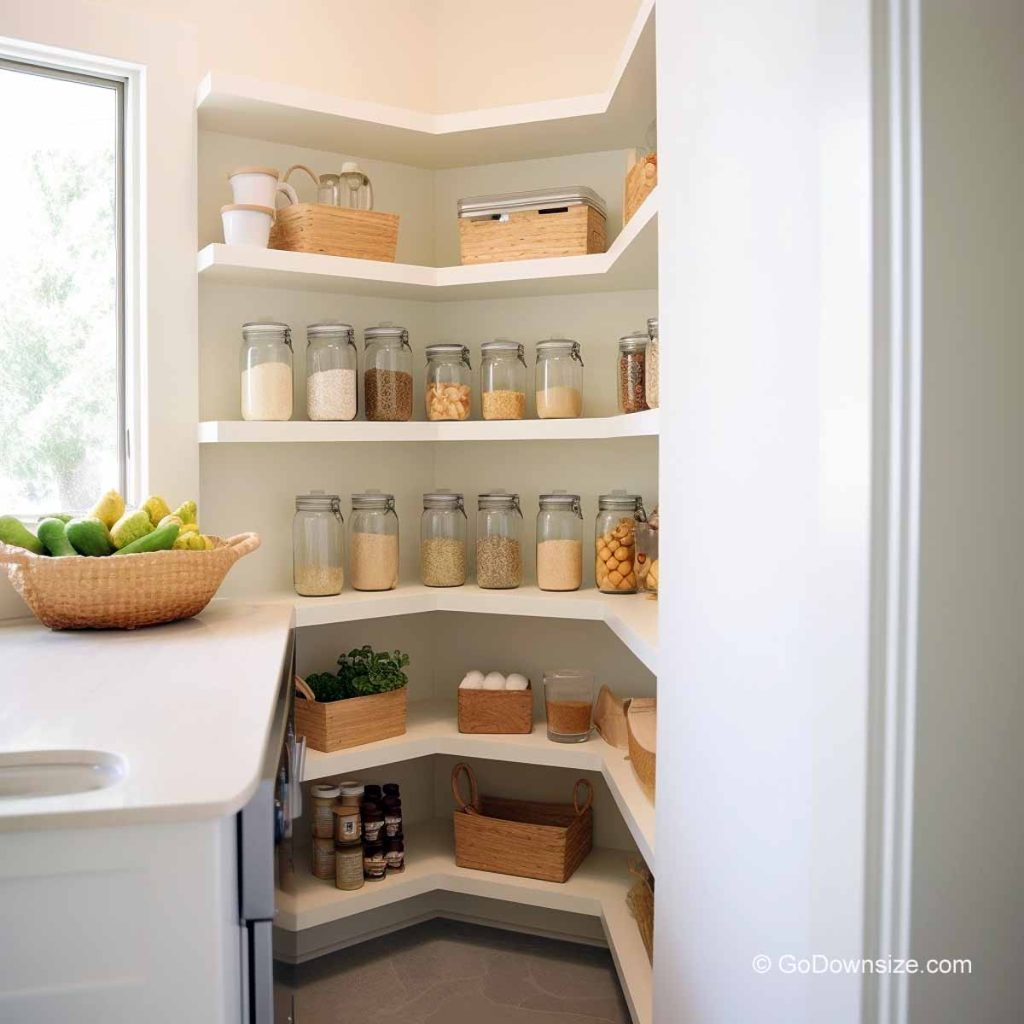
Let’s be real for a second. Most of us struggle with space. We buy too much stuff and have nowhere to put it. Standard bookcases are great, sure, but they stick out into the room. They block flow. A corner unit, on the other hand, tucks away neatly. It uses space that was previously ignored. This is huge for small apartments where every square foot counts. According to recent trends, homeowners are increasingly looking for ways to maximize vertical space without cluttering the floor plan. Corner shelves do exactly that.
But it’s not just about utility. There’s an aesthetic win here too. When you fill a corner, the room feels softer. Sharp angles disappear. The eye travels smoothly around the space. It creates a sense of balance. Think about it. A bare corner can make a room feel unfinished. Add a tall, wooden shelf with some plants and books, and suddenly the room has warmth. It feels lived-in. It feels like home. Plus, it draws attention upward, which can make low ceilings feel a bit higher. That’s a neat trick, right?
Another benefit is versatility. You aren’t limited to just books. These shelves are perfect for displaying photos, trophies, or even your collection of vintage cameras. They work in bedrooms, offices, living rooms, and even bathrooms if you choose the right material. The key is understanding that this isn’t just storage. It’s decor. It’s a chance to show off your personality in a spot that usually gets ignored. So don’t just shove junk in there. Curate it. Make it matter.
Measuring Twice, Buying Once
Here is where most people mess up. They see a cute shelf online, click "buy," and then cry when it doesn’t fit. Don’t be that person. Measuring a corner is trickier than measuring a flat wall. You need to know the depth of the shelf at its widest point. Most corner units are triangular or L-shaped. If your room is narrow, a deep shelf will stick out too far and become a shin-bruising hazard. Nobody wants that.
Start by measuring the width of both walls from the corner outward. Decide how far out you want the shelf to extend. A good rule of thumb is to keep it under 12-15 inches deep if the room is small. For larger spaces, you can go bigger. Also, check the height. Do you have baseboards? Crown molding? These things matter. If the shelf isn’t designed to accommodate them, it won’t sit flush against the wall. That gap looks terrible. It collects dust and bugs. Measure from the floor to the ceiling, and note any obstacles like light switches or vents.
Don’t forget about the angle. Not all corners are 90 degrees. Older homes, in particular, love to throw curveballs. Walls might be slightly off-kilter. If you’re buying a rigid, pre-made unit, this could be a problem. You might need to look for adjustable options or custom-built solutions. Take a photo of the corner with a tape measure visible. It helps when you’re talking to customer support or comparing models online. Being precise now saves you a headache later. Trust me on this one.
Picking the Right Style for Your Vibe
Style is personal. What works for a modern loft won’t work for a cozy cottage. Corner bookshelves come in all shapes and sizes. The ladder-style is super popular right now. It leans against the wall, giving a relaxed, approachable vibe. It’s lightweight visually, so it doesn’t overwhelm the space. Then there are the built-in looks. These feel more polished and permanent. They’re great if you want a seamless integration with your existing decor.
Material matters too. Solid wood is timeless. It’s durable and ages beautifully. Oak, walnut, and pine are classic choices. But in 2026, we’re also seeing a lot of mixed materials. Metal frames with wood shelves give an industrial edge. Glass shelves make the space feel open and airy, though they show fingerprints like crazy. If you have kids or pets, maybe skip the glass. Go for something sturdy and easy to wipe down. Laminate options have improved a lot recently. They can mimic wood grain convincingly and are often more affordable.
Color plays a big role as well. Dark shelves create drama and contrast. Light shelves blend in and make the room feel bigger. If your walls are white, a black corner shelf pops. If your walls are dark, a light wood shelf stands out. Think about the overall palette of the room. You want the shelf to complement, not clash. And don’t be afraid to paint it! If you find a solid wood structure that’s the right shape but the wrong color, a little paint can fix that. Just make sure to prime it first.
Functionality and Weight Capacity
It’s easy to get caught up in how a shelf looks, but does it work? Books are heavy. Seriously. A fully loaded shelf can weigh hundreds of pounds. If the unit is flimsy, it will sag or worse, tip over. Check the weight capacity specifications before you buy. Look for reviews that mention sturdiness. If people say it wobbles, believe them. You don’t want your rare first editions crashing to the floor.
Shelf adjustability is another key feature. Fixed shelves are fine if you know exactly what you’ll store. But adjustable shelves give you flexibility. Maybe today you’re storing paperbacks. Tomorrow, you want to display tall vases. Being able to move the shelves up and down is a game-changer. Look for units with multiple pin holes or flexible mounting systems. This ensures you can customize the layout as your needs change.
Also, consider accessibility. Is the top shelf reachable? If you’re short, a seven-foot tower might not be practical unless you have a step stool handy. Some corner units come with a rotating mechanism, like a lazy Susan. These are fantastic for accessing items in the back. They’re a bit more expensive and complex to install, but for avid collectors, they’re worth it. Think about how you’ll use the space daily. Will you be grabbing books often? Or is it mostly for display? Your usage habits should drive your choice.
Installation and Stability Tips
Safety first. Always. A tall piece of furniture in a corner can be unstable if not anchored properly. This is especially important if you have young children or pets who might climb on it. Most quality corner bookshelves come with anti-tip kits. Use them. It takes five minutes and could prevent a disaster. Drill into the studs if possible. Drywall anchors are okay for lighter loads, but studs are the gold standard for security.
If you’re going the DIY route, take your time. Read the instructions twice. Lay out all the parts before you start. It’s frustrating to get halfway through and realize you’re missing a screw. Have a friend help you hold pieces in place. Corners are awkward to work in. Having an extra pair of hands makes the process smoother and faster. Use a level. Nothing looks worse than a crooked shelf. It drives the eye crazy.
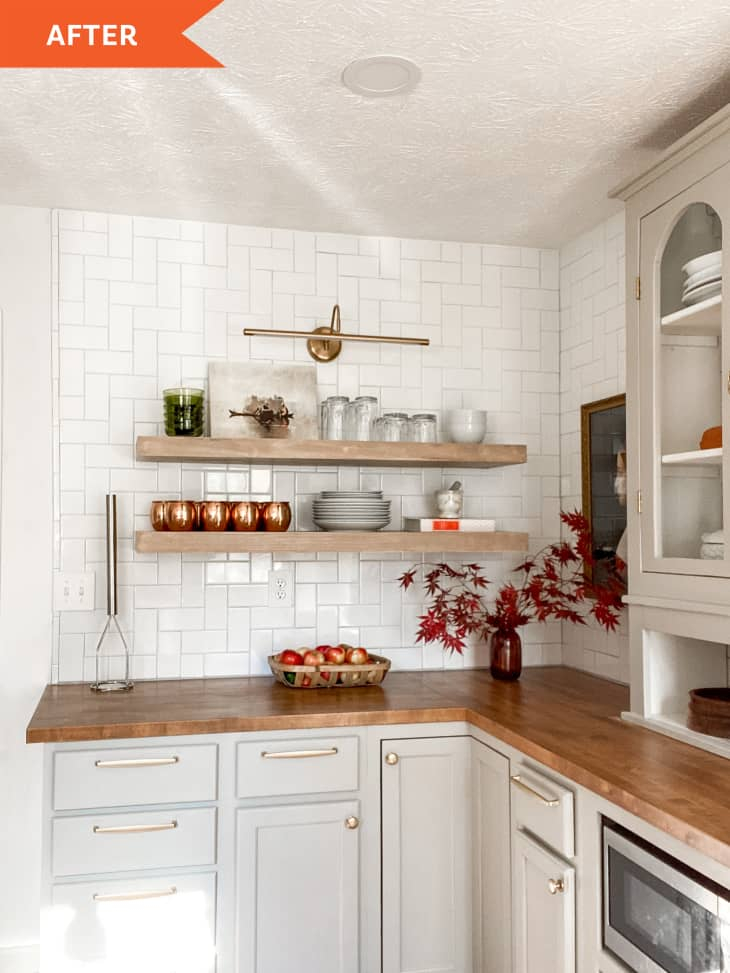
For those opting for floating corner shelves, the installation is a bit different. You’ll need to find the studs or use heavy-duty toggle bolts. Make sure the brackets are strong enough to hold the weight. Test them before you load up the books. Put some weight on them gradually. If they creak or shift, stop. Re-evaluate your hardware. It’s better to be safe than sorry. And if you’re renting, check with your landlord before drilling holes. Some places have strict rules about wall modifications.
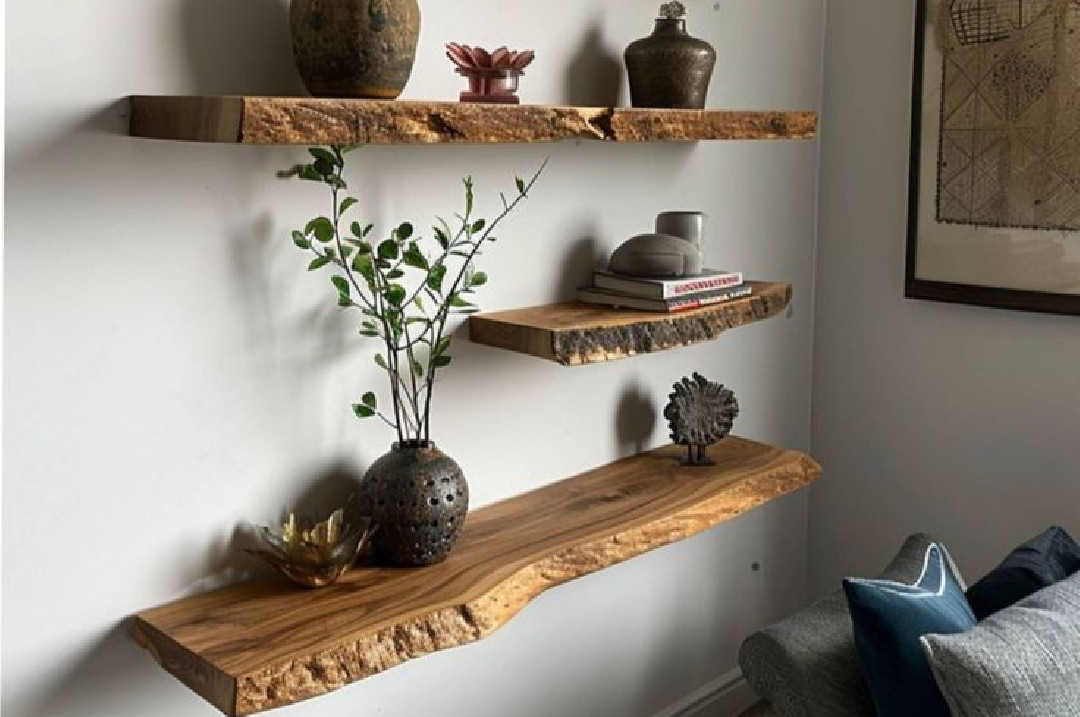
Now comes the fun part. Making it look good. Don’t just line up books spine-out. That’s boring. Mix it up. Stack some books horizontally. Stand others vertically. Leave some empty space. Negative space lets the eye rest. It prevents the shelf from looking cluttered. Add some greenery. Plants look amazing on shelves. Trailing vines like pothos soften the hard lines of the wood. They bring life to the corner.
Use decorative objects to break up the monotony. Frames, candles, small sculptures. But don’t overdo it. The 2026 trend is towards minimalism and intentionality. Choose items that mean something to you. Maybe a souvenir from a trip or a gift from a friend. These pieces tell a story. They make the shelf uniquely yours. Group items in threes. It’s a classic design rule that works. Three books, a plant, and a frame. Balanced and visually appealing.
Lighting can also elevate the look. Consider adding small LED strip lights or clip-on lamps. They highlight your favorite items and create a cozy ambiance in the evening. Warm light is best for reading areas. It’s inviting. Finally, keep it tidy. Dust accumulates quickly on shelves. Make wiping them down part of your regular cleaning routine. A clean shelf looks intentional. A dusty one looks neglected. Keep it fresh, and it will remain a focal point of your room for years to come.
Choosing the right corner bookshelf is about more than just filling a gap. It’s about enhancing your living space. It’s about finding beauty in the overlooked spots. By measuring carefully, choosing the right style, and styling with intention, you can transform that awkward corner into a highlight of your home. So go ahead. Take a look at that empty space again. See the potential. Grab that tape measure. Your new favorite spot is waiting to be created.