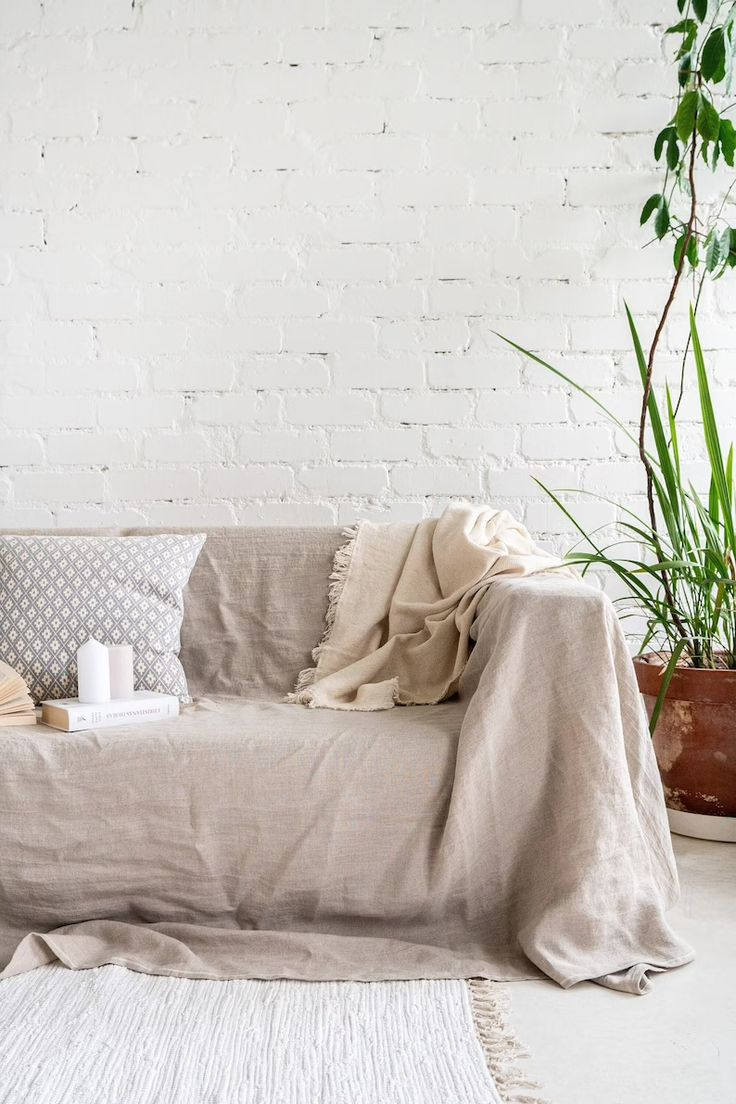
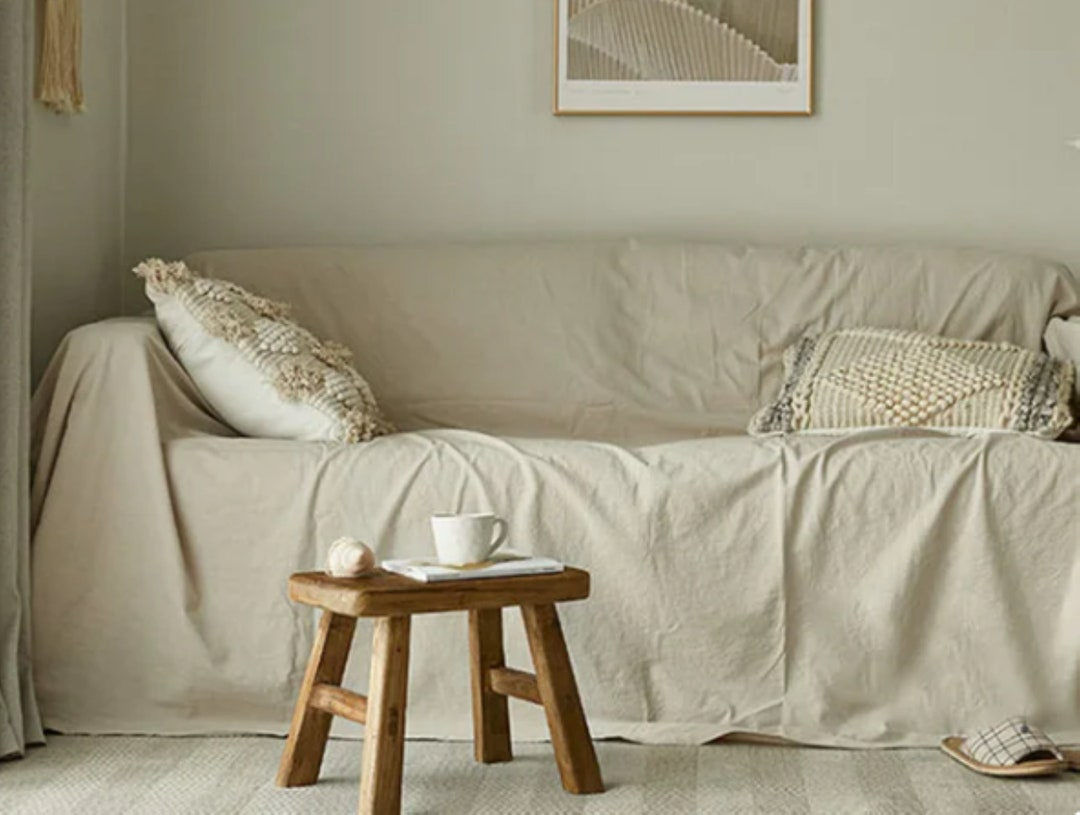
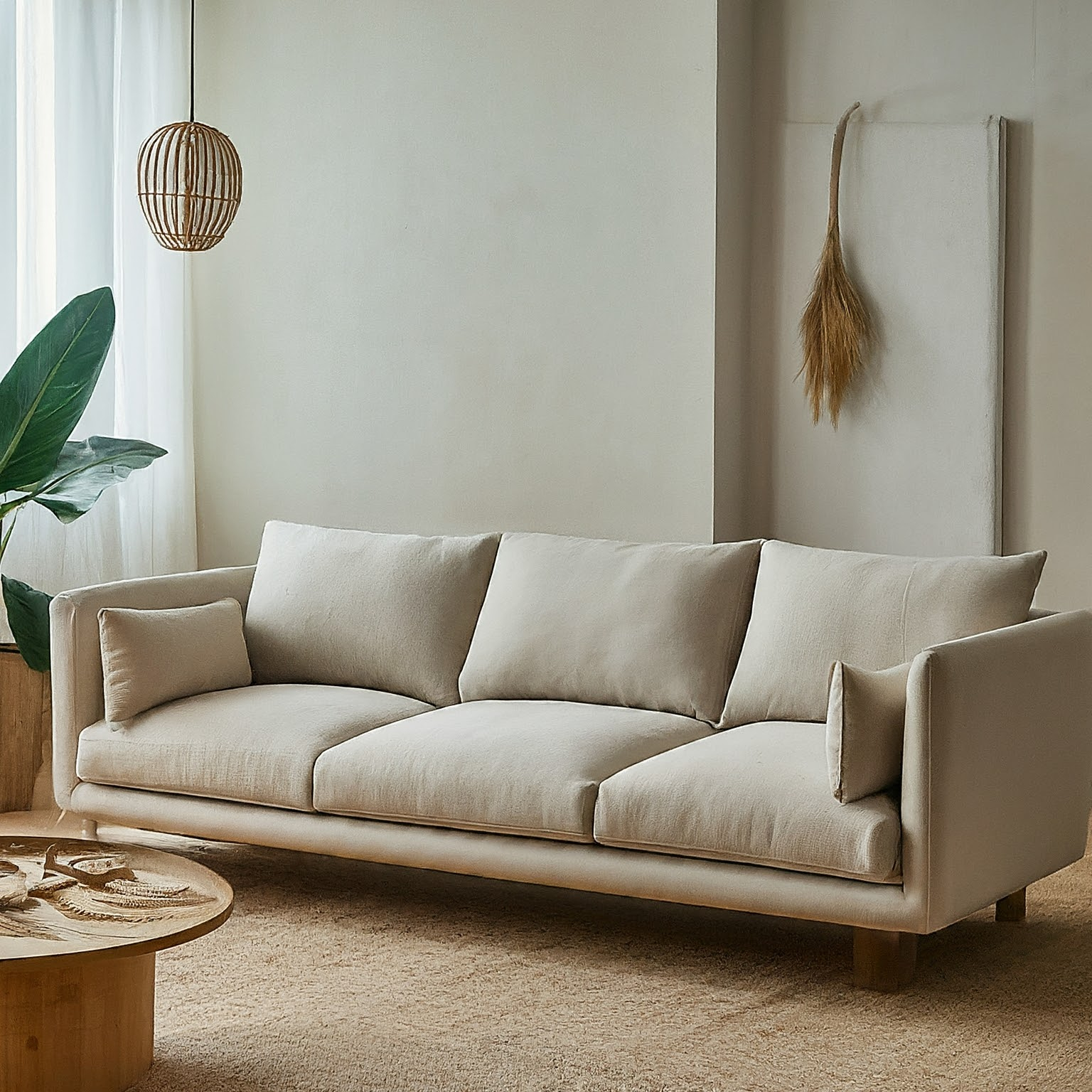
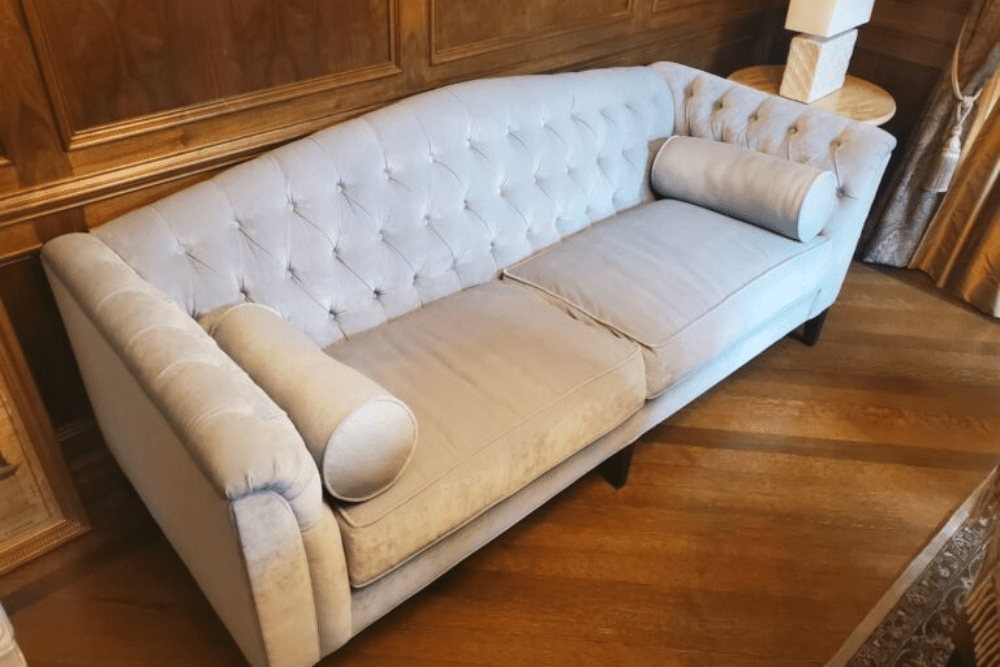
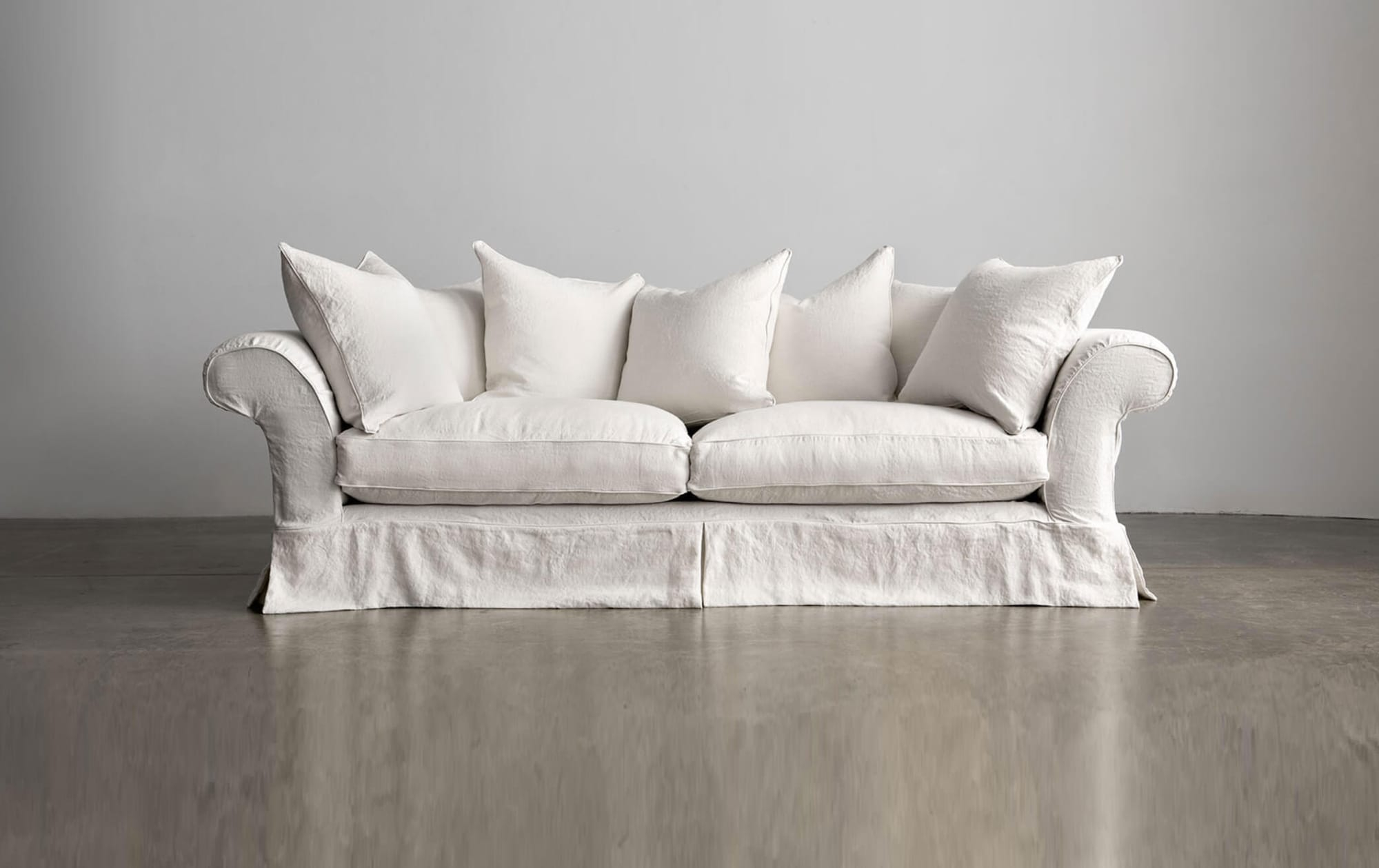
We’ve all been there. You’re scrolling through your feed, maybe Pinterest or Instagram, and you see it. That perfect, sun-drenched living room. The sofa looks soft, inviting, like a warm hug waiting to happen. It’s linen. And for years, we treated it like a museum piece. "Don’t sit there," we’d whisper. "It’ll wrinkle. It’ll stain. It’s too delicate." But honestly? That view is outdated. Like, really outdated. In 2026, linen isn’t just for show. It’s workhorse material disguised as luxury.
I remember talking to a family in Portland last winter. They had three kids and two dogs. Their choice of furniture? A massive, cream-colored linen sectional. I raised an eyebrow. They laughed. "It’s the only thing that survives," the mom told me. She wasn’t joking. This shift in how we see linen—from fragile to formidable—isn’t just a trend. It’s a correction. We are finally understanding what this fabric actually is. It’s not just pretty. It’s practical. And if you’re thinking about bringing it into your home, you need to know the real story, not just the filtered photos.
The Myth of Fragility vs. Modern Durability
Let’s clear the air right away. Linen is strong. Actually, it’s one of the strongest natural fibers out there. When wet, it gets even stronger. That’s a weird fact, but it matters. It means when you spill water on it (and you will), the fabric doesn’t weaken. It holds up. Old-school linen was sometimes loosely woven, which made it snag easily. But the linen blends and tight weaves available in 2026 are tough. We’re talking about fabrics that can handle the daily grind of modern life.
Think about the tensile strength. Linen fibers are long and thick compared to cotton. This gives the fabric a natural resistance to pilling and abrasion. Sure, it might feel a bit crisp at first. But that’s just the break-in period. Over time, it softens without losing its structural integrity. I’ve seen ten-year-old linen chairs that look better than some synthetic sofas bought last year. The key is understanding that "wrinkles" aren’t damage. They’re character. They’re proof that the fabric is breathing and moving with you, not fighting against you.
And let’s talk about blends. Pure linen is great, but many manufacturers now mix it with small amounts of cotton or even high-performance synthetics to boost stain resistance while keeping that natural feel. This isn’t cheating; it’s engineering for real life. You get the breathability of flax with the resilience needed for a Friday night movie marathon. So, stop worrying about it falling apart. It won’t. It’s built to last, provided you pick the right weight for the job. Heavyweight linen for sofas, lighter for accent chairs. Simple logic, really.
Breathability and Comfort in Every Season
Here’s something synthetic fabrics struggle with: temperature regulation. Linen is hollow. The fibers have tiny gaps that allow air to pass through. This makes it incredibly breathable. In the summer, it doesn’t stick to your skin. You know that sweaty feeling when you sit on leather or vinyl in July? Linen doesn’t do that. It wicks moisture away from your body, keeping you cool and dry. It’s like having a personal breeze built into your couch.
But wait, isn’t it cold in the winter? Not exactly. While it feels cool to the touch initially, linen is a natural insulator. It traps body heat once you settle in. It’s adaptable. This dual nature makes it a year-round winner. You don’t need to swap out slipcovers when the seasons change. The fabric adjusts. It’s why linen has been used in clothing for thousands of years in both hot and temperate climates. The same physics apply to your furniture. It’s smart material, even if it looks rustic.
Consider the tactile experience too. There’s a texture to linen that invites touch. It’s not slick or plastic-y. It has grain. It has depth. This creates a sense of warmth in a room that goes beyond temperature. It feels grounded. People tend to linger longer on linen seats because they’re comfortable in a primal way. It’s not just about sitting; it’s about settling. And in a world that’s always rushing, having a spot that physically encourages you to slow down is a pretty big deal. It’s comfort with a purpose.
The Eco-Friendly Edge and Sustainability
Sustainability isn’t just a buzzword anymore; it’s a necessity. And linen wins here, hands down. It comes from the flax plant. Flax is resilient. It grows in poor soil where other crops fail. It needs very little water—mostly rainwater—and almost no pesticides or fertilizers. Compare that to cotton, which is thirsty and chemical-heavy. Or polyester, which is literally made from oil. Linen is the low-impact hero of the textile world. In 2026, with climate concerns front and center, choosing linen is a tangible way to reduce your household’s footprint.
The entire plant is used. Nothing goes to waste. The seeds become linseed oil, the stalks become fiber. It’s a zero-waste crop by design. Plus, linen is biodegradable. When your sofa finally reaches the end of its life decades from now, the fabric won’t sit in a landfill for centuries. It will return to the earth. That’s a comforting thought, isn’t it? Knowing that your furniture choices aren’t haunting the planet long after you’re gone.
There’s also the longevity factor. Sustainable isn’t just about how it’s made; it’s about how long it lasts. Because linen is so durable, you aren’t replacing your furniture every five years. You keep it. You repair it if needed. You pass it down. This "buy less, buy better" mentality is core to true sustainability. Fast furniture is out. Heirloom quality is in. Linen fits perfectly into this shift. It ages gracefully, developing a patina that tells the story of your home. It’s not just eco-friendly; it’s soul-friendly.
Maintenance Myths and Real Care Tips
Okay, let’s address the elephant in the room. Stains. Everyone thinks linen stains instantly and permanently. False. Yes, it absorbs liquids quickly because it’s natural. But that also means it releases them easily if you act fast. The trick is immediate action. Blot, don’t rub. Rubbing pushes the stain deeper into the weave. Blotting lifts it out. For most spills, plain water or a mild soap solution works wonders. You don’t need harsh chemicals. In fact, harsh chemicals can damage the fibers over time. Keep it simple.
Vacuuming is your best friend. Dust and dirt act like sandpaper on any fabric, including linen. Regular vacuuming with a brush attachment keeps the fibers clean and prevents ground-in grime. Do this weekly. It takes two minutes. Also, rotate your cushions. Sunlight can fade any fabric over time, not just linen. Rotating ensures even wear and tear. It’s basic maintenance, but it makes a huge difference in how long your piece looks fresh. Don’t overcomplicate it. Treat it like you would a good pair of jeans.
What about professional cleaning? Once a year or so, it’s a good idea. But check the label first. Some modern linen blends are machine washable if they’re slipcovered. If it’s fixed upholstery, hire a pro who understands natural fibers. Avoid steam cleaning if the manufacturer advises against it, as excessive heat and moisture can shrink the fabric. Always test a small, hidden area first. Patience is key. Linen rewards those who pay attention. It’s not high maintenance; it’s just specific maintenance. Learn the rhythm, and it becomes second nature. Honestly, it’s easer than you think.
Aesthetic Versatility Beyond the "Farmhouse" Look
For a long time, linen was pigeonholed. It was the fabric of the farmhouse chic trend. Beige, burlap-ish, rustic. But that’s a tiny slice of the pie. Today, linen comes in every color imaginable. Deep navies, rich emeralds, vibrant terracottas. It takes dye beautifully. The texture adds depth to solid colors, making them look expensive and curated rather than flat. You can have a sleek, modern minimalist room with charcoal linen. You can have a bold, maximalist space with patterned linen mixes. It’s chameleon-like.
It also plays well with others. Linen bridges the gap between different styles. It softens the hard edges of mid-century modern wood. It adds warmth to industrial metal frames. It brings elegance to casual rattan. This versatility makes it a safe bet if you’re unsure about your long-term decor style. It won’t lock you into one aesthetic. As your taste changes, the linen adapts. It’s a neutral canvas, even when it’s colored. The texture provides the interest, allowing you to change pillows, rugs, and art without changing the main event.
Consider the light interaction too. Linen has a natural sheen, a subtle luster that catches the light differently throughout the day. In the morning, it might look matte and soft. In the evening lamp light, it glows. This dynamic quality adds life to a room. Static fabrics can make a space feel dead. Linen makes it feel alive. It responds to its environment. This is why designers love it. It’s not just a covering; it’s a layer of visual interest that works hard without shouting. It’s quiet luxury, in the truest sense.
Let’s talk money. Linen furniture often costs more upfront than synthetic alternatives. There’s no denying it. But look at the cost per use. A cheap polyester sofa might cost $800 and last three years before sagging and pilling. A quality linen sofa might cost $2,500 and last fifteen years or more. Do the math. The linen option is actually cheaper in the long run. Plus, you’re buying something you genuinely enjoy sitting on every single day. That daily joy has value too.
Resale value is another factor. Well-maintained linen furniture holds its value better than fast-fashion furniture. Vintage linen pieces are sought after. They have a timeless appeal. If you decide to upgrade in ten years, you might be able to sell your old piece for a decent amount. Synthetic furniture usually ends up in the dump. Linen ends up in someone else’s home, loved again. This circular economy aspect is part of the financial wisdom of choosing natural fibers. It’s an asset, not just an expense.
Also, consider the health costs. Synthetic fabrics can off-gas volatile organic compounds (VOCs). Linen is natural and hypoallergenic. It doesn’t trap dust mites as much as plush synthetics. For people with allergies or sensitivities, this can mean better sleep and fewer headaches. It’s hard to put a price on health, but it’s real. Investing in linen is investing in your well-being. It’s a holistic approach to spending. You aren’t just buying a seat; you’re buying cleaner air, better comfort, and lasting beauty. It’s worth every penny. Spelling mistakes aside, the value is clear.
So, where does this leave us? Linen isn’t just a pretty face. It’s a robust, breathable, sustainable, and versatile material that stands up to real life. It challenges the notion that natural means fragile. It invites us to slow down, to appreciate texture, and to choose quality over quantity. In 2026, as we seek more authenticity in our homes, linen offers a genuine connection to the natural world. It’s not about perfection. It’s about presence.
Don’t let the fear of wrinkles or stains hold you back. Embrace the imperfections. They’re part of the story. Choose linen not because it’s trendy, but because it works. Because it lasts. Because it feels good. Your home should be a sanctuary, and your furniture should support that. Linen does exactly that. It’s time to look past the aesthetic and see the practical reality. It’s strong. It’s smart. And it’s ready for your life. Go ahead. Sit down. You’ll be glad you did.