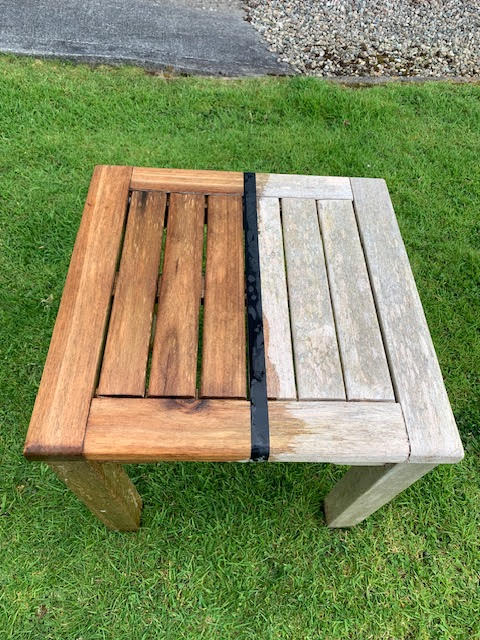
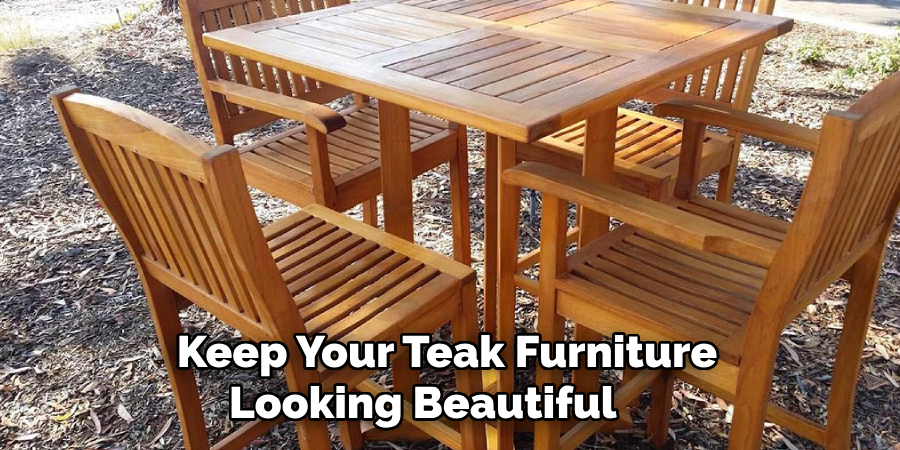
You bought it for the glow. That rich, warm, honey-gold hue that makes your backyard look like a high-end resort. It was perfect. But then summer hit, or maybe just a particularly rainy spring, and now? Now it looks like driftwood. Silvery. Flat. A bit sad, honestly. You might be wondering if you wasted your money. Did the wood rot? Is it ruined?
Take a breath. It’s not broken. In fact, it’s doing exactly what teak is supposed to do. But that doesn’t mean you have to live with the gray if you don’t want to. In 2026, we know more than ever about how to manage this natural process. Whether you want to embrace the weathered look or fight for that original golden shine, understanding the "why" is the first step to fixing the "how." Let’s dive in.
Teak is special. It’s not just any wood. It’s packed with natural oils and something called silica. These are its superpowers. They keep bugs away and stop rot before it starts. That’s why ships used to be made of it. But those same oils are also why the color changes. When you leave teak outside, the sun (UV rays) and rain start a battle with the surface. The UV breaks down the lignin—that’s the stuff that gives wood its color—and the rain washes away some of those protective oils.
The result is oxidation. Think of it like an apple slice turning brown after you bite it. It’s not spoiled; it’s just reacting to the air. For teak, this reaction creates a silver-gray patina. It’s purely cosmetic. The structure underneath is still solid as a rock. Many people actually love this look. It feels rustic. Coastal. But if you bought teak for the gold, seeing it turn gray can feel like a betrayal. It’s important to know that this isn’t damage. It’s just nature doing its thing.
The Science Behind the Fade
So, why does it happen so fast sometimes? It comes down to exposure. If your furniture sits in direct sunlight all day, the UV rays are relentless. They strip the color molecules right out of the top layer of wood. Rain plays a part too. It doesn’t just wet the wood; it leaches out the natural tannins and oils that keep the color deep and rich. Wind carries dust and pollutants that settle into the grain, accelerating the dullness.
In 2026, researchers have looked closer at this weathering process. We know now that it’s mostly a surface issue. The gray only goes down a fraction of a millimeter. That’s good news. It means you don’t have to replace the furniture to fix it. You just have to remove that thin, oxidized layer. It’s like peeling an onion, but much easier. You’re not digging deep; you’re just cleaning the skin.
This is why untreated teak always turns gray eventually. There is no magic teak tree that stays gold forever without help. Even the highest quality Grade A teak will succumb to the elements if left completely alone. The rate depends on your climate. Humid, sunny places see faster graying. Dry, shady spots might hold the color longer. But the end result is usually the same. A silvery sheen. Understanding this takes the panic out of it. It’s predictable. And because it’s predictable, it’s manageable.
To Patina or Not to Patina?
Before you grab a scrub brush, ask yourself: Do I actually hate the gray? Seriously. There’s been a big shift in design trends recently. The "silver patina" look is having a moment. It fits well with modern, minimalist outdoor spaces. It blends with stone and concrete. It looks aged and established, like it’s been there for decades. Some homeowners intentionally let their teak gray out because they love the low-maintenance vibe.
If you choose this path, you still need to care for the wood. Gray teak isn’t dead teak, but it can get dirty. Mold and mildew love damp, porous surfaces. So even if you love the color, you should clean it once or twice a year. Use a soft brush and some soapy water. This prevents black spots or green algae from taking over. It keeps the gray looking elegant, not neglected.
However, if that honey-gold warmth is why you spent the extra cash, then the gray is probably driving you crazy. And that’s okay. There’s no right or wrong answer here. It’s your space. But know that keeping it gold requires work. It’s a commitment. You can’t just buy it and forget it. You have to maintain it. If you’re willing to put in the effort, the reward is that stunning, vibrant color that makes your patio pop. If you’d rather spend your weekends relaxing than sanding, maybe let it go gray.
Step-by-Step Restoration Guide
Ready to bring the gold back? Great. It’s easier than you think. You don’t need fancy tools. Just some elbow grease. First, clear off the furniture. Remove cushions and umbrellas. Give it a quick rinse with a hose to knock off loose dirt. Don’t use a pressure washer on high setting; it can gouge the soft grain of the wood. Keep it gentle.
Next, you need a teak cleaner. You can buy specific teak cleaning kits, or make a mix of warm water and mild dish soap. For tougher gray, a specialized teak restorer with oxalic acid works wonders. Apply it with a soft-bristle brush. Scrub along the grain, not against it. This lifts the dead, gray fibers. You’ll see the suds turn dark—that’s the dirt and oxidized wood coming off. Rinse thoroughly. Let it dry completely. This might take a day or two depending on the weather.
If it’s still a bit rough or not quite golden enough, light sanding is the next step. Use fine-grit sandpaper (around 120 to 150 grit). Sand lightly, again following the grain. You’re not trying to reshape the chair; you’re just smoothing the surface. Wipe away the dust with a tack cloth. At this point, you should see that beautiful honey color returning. It might look a bit dry, though. That’s normal. The oils have been washed out.
Locking in the Color
Now comes the crucial part: protection. If you leave it bare now, it will turn gray again within months. You need to seal that color in. In 2026, there are two main options: teak oil and teak sealer. For years, people swore by teak oil. It brings out a deep, rich tone immediately. But here’s the catch: oil needs to be reapplied often. Like, every few months. And if you miss a spot, it can look patchy. It can also encourage mold if it gets too saturated.
Teak sealers are generally the better bet for most people today. They penetrate the wood and create a barrier against UV rays and water without sitting on top like a varnish. They don’t change the color as dramatically as oil, but they preserve the natural look and last longer. Look for a sealer labeled for exterior use with UV inhibitors. Apply it with a clean rag or brush. One coat is usually enough, but check the bottle instructions. Let it cure for at least 24 hours before using the furniture.
Remember, less is more. Don’t glop it on. Thin, even coats are key. If you use oil, be prepared for maintenance. If you use sealer, you might only need to reapply once a year. Either way, this step is non-negotiable if you want to keep the gold. Without it, you’re back to square one. The sun will win. So pick your product wisely and apply it with care.
Ongoing Maintenance Tips
You’ve restored it. It looks amazing. Now, how do you keep it that way? Regular cleaning is your best friend. Every month or so, give your furniture a quick wipe down with a damp cloth. This removes pollen, bird droppings, and dust before they can settle in. If you spill wine or sauce, clean it up immediately. Teak is resistant, but stains can still happen if you let them sit.
During the harsh winter months, consider covering your furniture. Breathable covers are best. Plastic traps moisture, which can lead to mildew. If you live in an area with heavy snow or freezing rain, bringing pieces into a garage or shed is ideal. But if that’s not possible, a good cover and a fresh coat of sealer before winter hits will help it survive. Spring is the perfect time to inspect the finish. If water stops beading up on the surface, it’s time to reseal.
Also, rotate your cushions. Sun fades fabric, and trapped moisture under cushions can cause dark spots on the wood. Lift them up occasionally to let the wood breathe. Small habits like these make a huge difference over time. It’s not about big, dramatic efforts. It’s about consistent, small acts of care. Treat your teak like a pet, not a rock. Feed it, clean it, and protect it, and it will stay beautiful for decades.
Let’s talk about what NOT to do. First, never use steel wool. It leaves behind tiny metal particles that rust and stain the wood black. Stick to synthetic brushes or scouring pads designed for wood. Second, avoid harsh chemicals like bleach unless you’re dealing with severe mold, and even then, dilute it heavily. Bleach dries out the wood and strips the natural oils faster than you can replenish them.
Another big mistake? Applying oil to dirty or wet wood. It seals in the grime and moisture, leading to a cloudy, uneven finish. Always ensure the wood is bone dry and perfectly clean before applying any finish. And don’t rush the drying process. If you seal damp wood, the finish will peel or fail prematurely. Patience is key.
Finally, don’t ignore the underside. People focus on the tops of tables and arms of chairs, but the legs and undersides get wet too. Make sure you clean and seal every part of the piece. Neglecting the hidden areas can lead to structural issues down the road, even if teak is rot-resistant. Consistency matters. Treat the whole piece, not just the parts you see.
Keeping your teak honey gold isn’t magic. It’s just science and a bit of sweat equity. The gray is natural, but the gold is achievable. By understanding why the color fades and following these simple restoration and maintenance steps, you can enjoy that warm, inviting glow year after year. Whether you choose to embrace the silver patina or fight for the gold, your teak furniture is built to last. It just needs a little love to look its best. So grab a brush, pick a sunny day, and bring that sparkle back. Your patio will thank you.