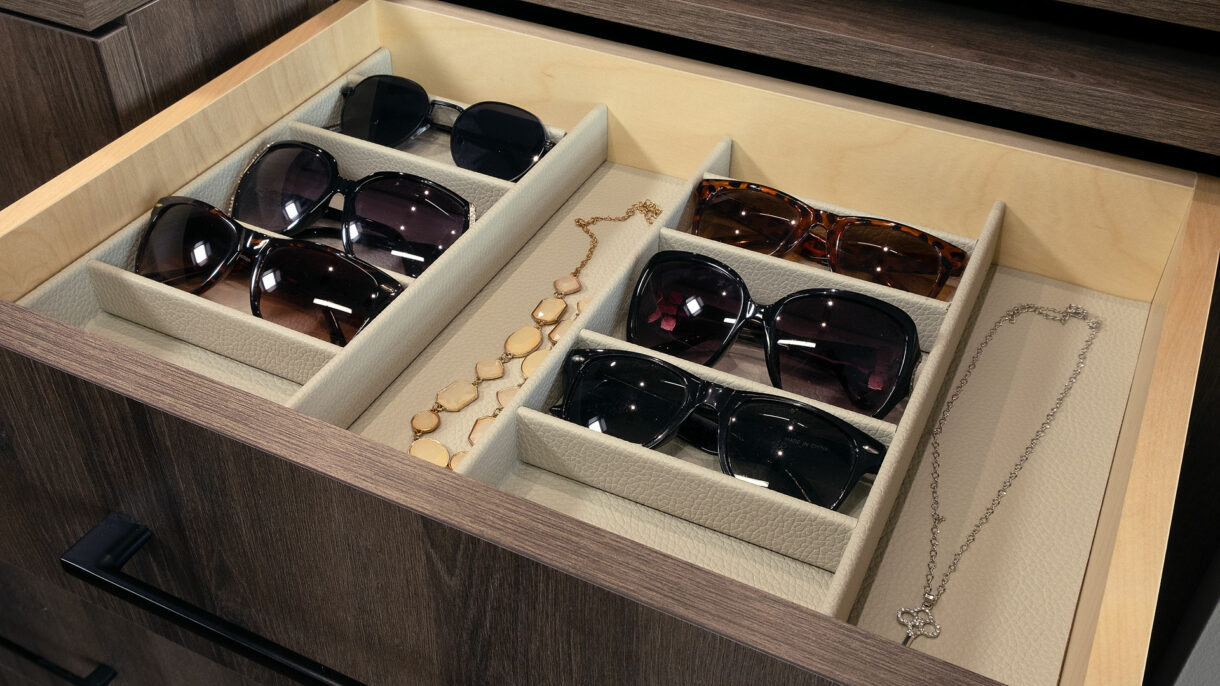
We’ve all been there. You’re rushing out the door, sun is blazing, and you reach for your favorite shades. But instead of grabbing them smoothly, you’re digging through a tangled mess of rubber bands, old receipts, and loose change. It’s frustrating. Actually, it’s worse than that. It’s a daily micro-stressor that chips away at your morning calm. Why does the one thing you need always end up buried under the "I’ll deal with this later" pile?
In 2026, our homes are becoming more intentional. We aren’t just storing things; we are curating experiences. Your eyewear isn’t just an accessory or a medical necessity. It’s part of your identity. Whether it’s those vintage frames you found at a flea market or the high-tech blue-light blockers you wear for work, they deserve respect. And they definitely deserve a better home than the back of a sticky kitchen drawer. Let’s fix that. Together.
The Psychology of the Junk Drawer
Let’s be honest. The junk drawer is a graveyard of good intentions. It starts innocently enough. A single pair of sunglasses goes in because you don’t have a case handy. Then, a screwdriver for tightening a hinge. Then, a takeout menu. Before you know it, you have a chaotic black hole where nothing lives peacefully. Research on household clutter suggests that visual noise increases cortisol levels. Basically, seeing that mess stresses you out, even if you don’t consciously notice it.
When your eyewear is tossed in there, it suffers. Lenses get scratched by keys. Frames get bent under the weight of random batteries. It’s a tragedy for your wallet and your style. But beyond the physical damage, there’s an emotional toll. Every time you can’t find what you need, you feel a tiny bit out of control. Transforming this space isn’t just about cleaning. It’s about reclaiming a sense of order. It’s about saying, "I value my things, and I value my time."
Think about how it feels to open a drawer and see exactly what you need, neatly arranged. It’s satisfying. It’s calming. That’s the vibe we’re going for. We aren’t aiming for sterile perfection. Nobody has time for that. We want functional beauty. A place where your glasses feel safe and accessible. By addressing the root cause—the lack of a designated spot—we stop the cycle of clutter before it starts. It’s a small change with a big impact on your daily rhythm.
Emptying and Evaluating Your Collection
Step one is the hardest. You have to pull everything out. Yes, everything. Dump it on a table or a clean floor. Look at the pile. It’s probably bigger than you remembered. This is the "clean slate" approach mentioned by interior pros. You can’t organize what you can’t see. As you sort through the items, ask yourself some tough questions. Do I actually wear these? Are they broken beyond repair? Have I not touched them in two years?
Be ruthless but kind. If a pair of sunglasses has a cracked lens that you’ve been meaning to fix for three years, let it go. Recycle the frames if possible. Many optical shops in 2026 have recycling programs for old eyewear. Keeping them "just in case" only adds to the visual weight of your drawer. For the keepers, give them a quick clean. Wipe down the frames. Polish the lenses. This act of care signals to your brain that these items are valuable. It sets the tone for how you’ll treat them moving forward.
Group what remains. Put all the reading glasses together. Stack the sunglasses. Separate the specialty eyewear, like swimming goggles or safety glasses. This categorization helps you understand what kind of storage you actually need. Do you have ten pairs of aviators and one pair of readers? Your solution should reflect that ratio. Don’t buy a organizer with twenty slots for readers if you only have one. Match the storage to your real life, not your idealized version of it. This step prevents you from buying useless gadgets that just become new clutter.
Choosing the Right Containment Strategy
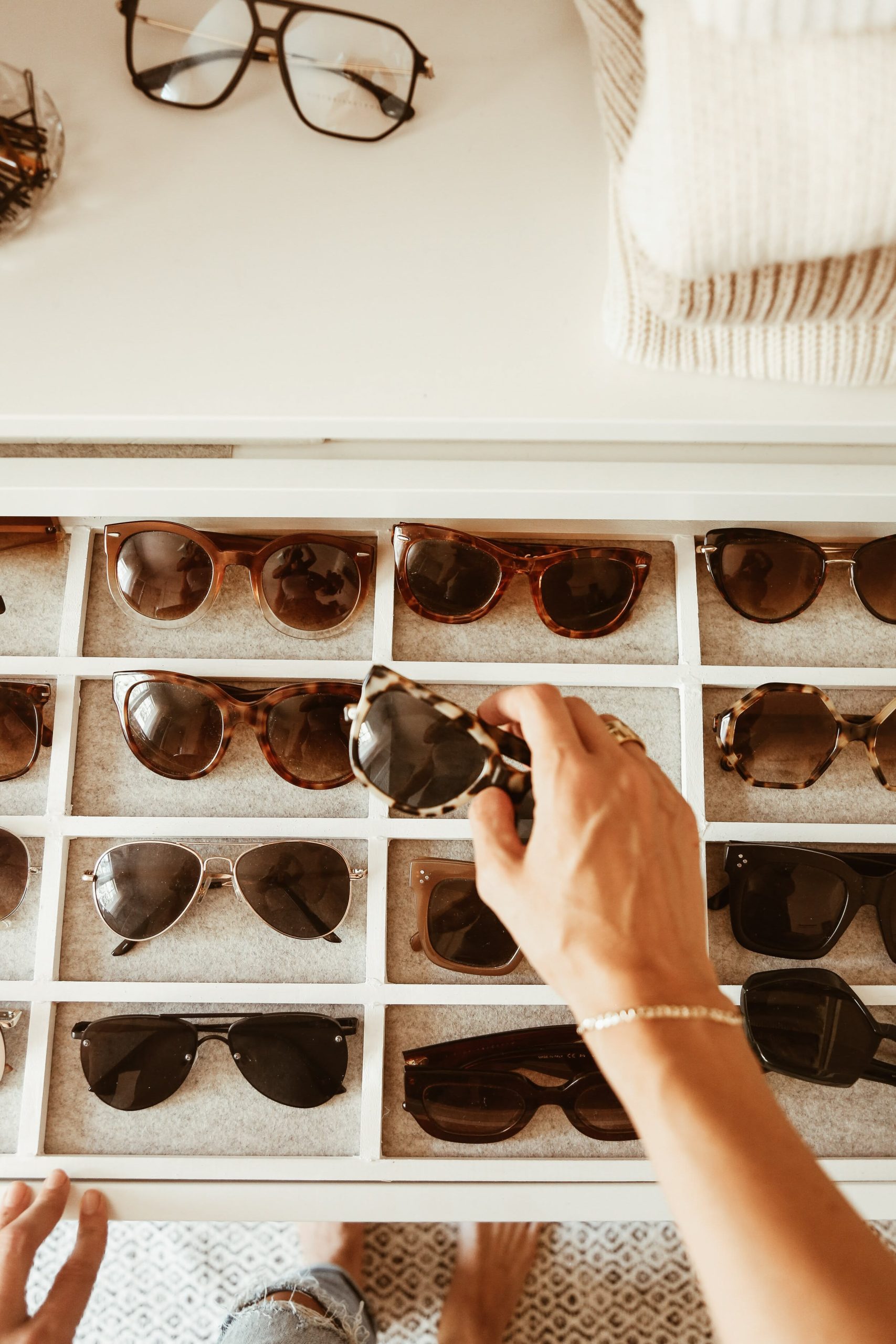
Now comes the fun part. Picking the vessel. You don’t need expensive, custom-built inserts. In fact, some of the best solutions are DIY or repurposed items. Look at what you already have. An old ice cube tray? Perfect for separating small items. A shallow wooden box from a craft store? Great for laying frames flat. The trend in 2026 is towards sustainable, upcycled solutions. People are getting creative with rusty remakes and vintage finds. Maybe you have an old jewelry box with velvet lining. That’s luxury storage for free.
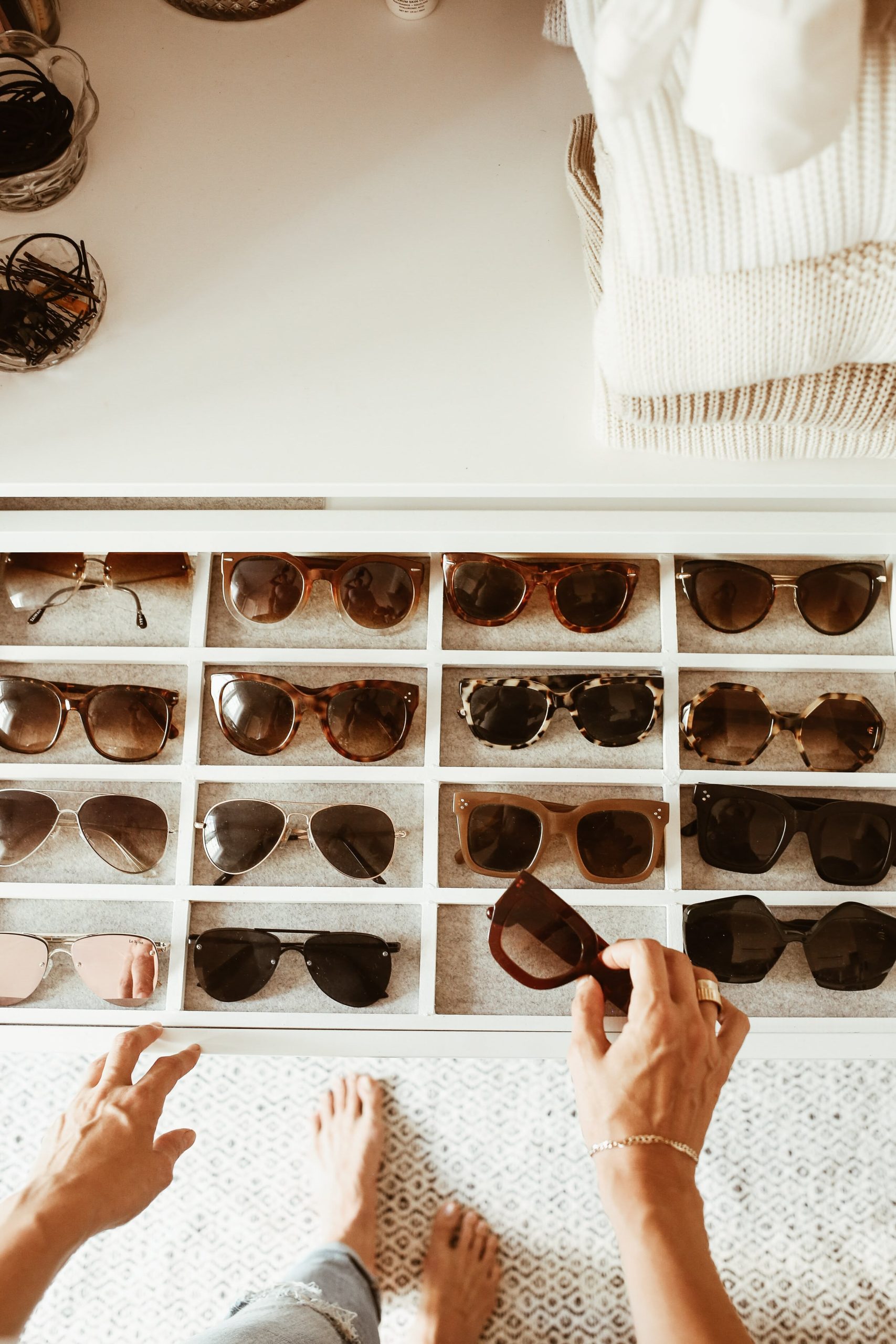
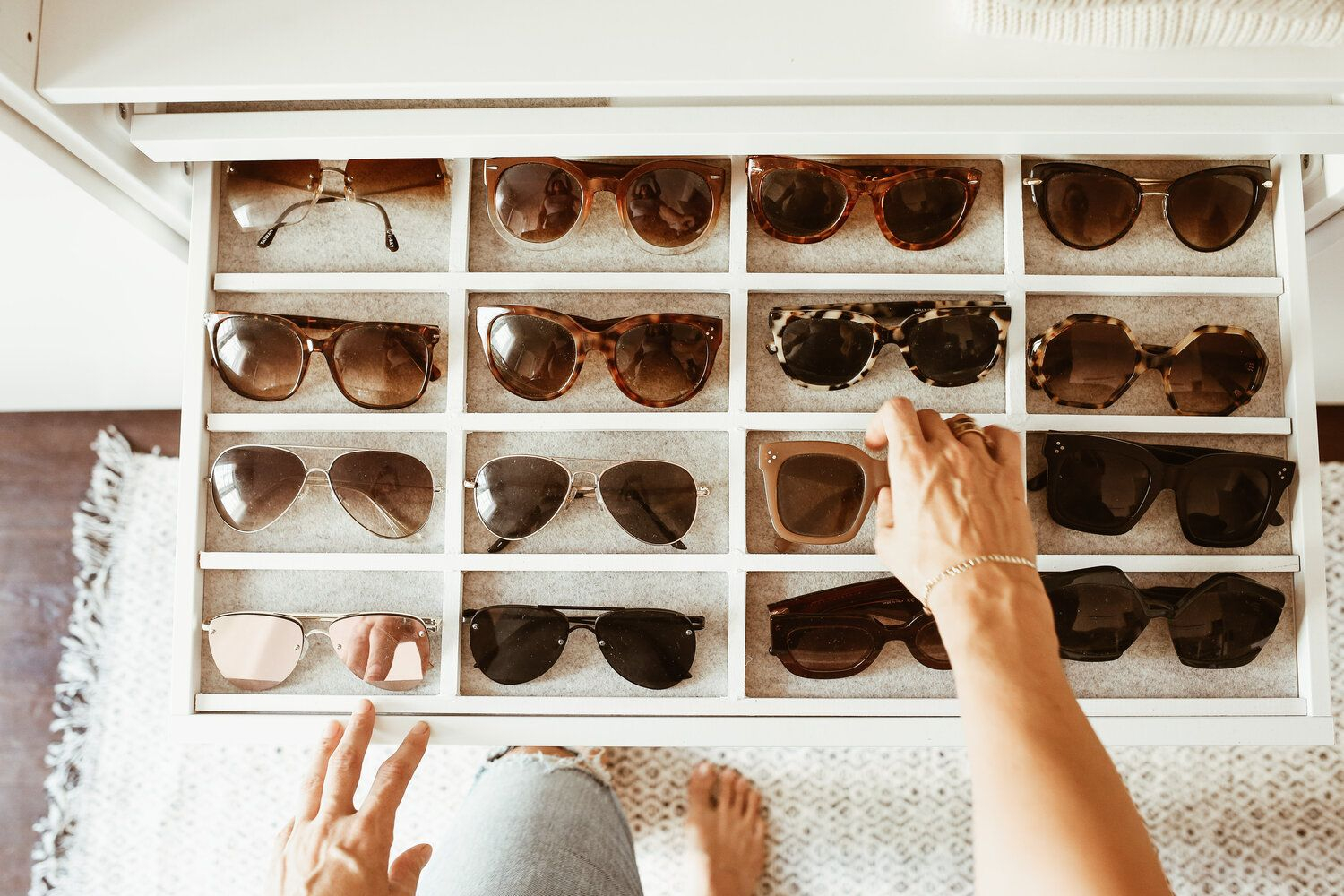
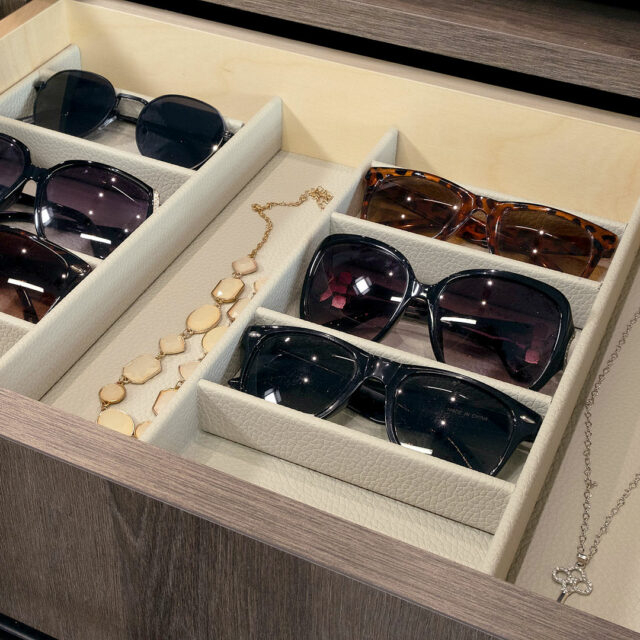
If you’re buying new, consider the material. Soft fabrics like velvet or felt protect lenses from scratches. Hard plastics can sometimes cause slippage or noise when you open the drawer. Bamboo dividers are popular because they’re lightweight and look warm. Avoid clear acrylic if your drawer gets direct sunlight, as it can yellow over time. Think about the depth of your drawer too. If it’s deep, you might need stackable trays. If it’s shallow, a single layer with partitions works best. Measure twice. Buy once. It’s a cliché because it’s true.
Don’t forget ventilation. Eyewear cases can trap moisture, especially if you live in a humid climate. Leaving a little space between items helps air circulate. This prevents that musty smell that old plastic cases sometimes develop. Also, consider visibility. Can you see all your options at a glance? If you have to dig through a stack to find the bottom pair, the system isn’t working. The goal is instant access. You should be able to grab your go-to pair in under three seconds. That’s the benchmark for a successful setup.
DIY Dividers and Personal Touches
Let’s get crafty. You don’t need to be a carpenter to make a great organizer. Cardboard is your friend. Cut strips from cereal boxes to create custom-sized compartments. Wrap them in fabric or decorative paper to make them look nice. This is a zero-cost solution that fits your drawer perfectly. Another trick? Use tension rods. Small, adjustable tension rods can create sections in a wider drawer without any glue or nails. They’re flexible, so if your collection grows, you can adjust the spacing.
For a softer touch, try using fabric pouches. Old sock drawers make excellent individual sleeves for glasses. It’s gentle on the frames and adds a pop of color if you choose patterned socks. This method is great if you travel often, too. You can just grab the pouch and go. Some people use egg cartons for temporary storage during the sorting phase, but for long-term use, they collect dust. Stick to materials that are easy to wipe down. Microfiber cloths tucked into the corners of the drawer serve double duty. They look tidy and are always there when you need to wipe a smudge.
Personalize the space. Add a small label if it helps you stay organized. Or, place a small object that brings you joy in the empty corner. A smooth stone, a small plant (if there’s light), or a photo. This transforms the drawer from a utility space into a curated haven. It’s a tiny detail, but it makes opening the drawer a pleasant experience. Remember, this is your space. It should reflect your style. If you love minimalism, keep it stark and white. If you love bohemian vibes, use woven baskets and colorful textiles. There are no rules, only what works for you.
Maintenance Habits for Long-Term Order
Organization isn’t a one-time event. It’s a habit. The biggest mistake people make is setting up a beautiful system and then forgetting to maintain it. To keep your eyewear haven pristine, adopt the "one in, one out" rule. If you buy a new pair of sunglasses, donate or discard an old one. This keeps the volume manageable. It forces you to be mindful about acquisitions. In a world of fast fashion and constant consumerism, this simple practice helps reduce waste and clutter.
Schedule a mini-reset once a month. Take five minutes to wipe down the dividers and check the condition of your glasses. Tighten any loose screws. Replace any worn-out nose pads. This proactive care extends the life of your eyewear. It also prevents small issues from becoming big problems. You’ll appreciate your glasses more when they’re in top shape. Plus, it’s a meditative practice. Taking care of your belongings is a form of self-care. It slows you down and makes you present.
Involve your household. If others use the drawer, make sure they know the system. Labeling helps here. Show them where things go. Make it easy for them to do the right thing. If the system is complicated, they won’t use it. Keep it simple. Visual cues are powerful. A picture of the organized drawer on your phone can serve as a reference when things start to slip. Don’t beat yourself up if it gets messy again. Life happens. Just reset and move on. Progress, not perfection.
Who says storage has to be hidden? If you have a particularly beautiful collection, consider making it a display. Open shelving or a glass-front cabinet can turn your eyewear into art. Arrange them by color or style. Create a gradient effect. This works well in a bedroom or dressing area. It adds personality to the room. In 2026, interior design is embracing "visible storage." We’re moving away from hiding everything behind closed doors. We want to see the things we love.
Lighting matters. If you’re displaying your glasses, add a small LED strip or a puck light. It highlights the frames and makes them sparkle. It turns a functional item into a focal point. You can also mix in other accessories. Hats, scarves, or jewelry can complement the eyewear. Create a vignette that tells a story about your style. This approach elevates the perceived value of your items. It makes you feel like you’re in a boutique every time you walk into your room.
Even if you keep them in a drawer, think about the reveal. Line the drawer with a pretty wallpaper scrap or a piece of velvet. When you pull it open, you’re greeted with color and texture. It’s a small surprise that delights the senses. These details matter. They transform the mundane into the magical. Your eyewear haven isn’t just about function. It’s about feeling good. It’s about starting your day with a moment of beauty. That’s worth the effort.
So, there you have it. A path from chaos to calm. It doesn’t require a huge budget or a weekend of hard labor. Just a little intention. Start small. Pick one drawer. Clear it out. Find a container that works. Put your glasses in with care. Notice how it feels. Notice the ease. Notice the joy. That feeling is the reward. It’s proof that small changes create big shifts. Your eyes will thank you. And so will your morning routine. Go ahead. Open that drawer. It’s waiting for you.