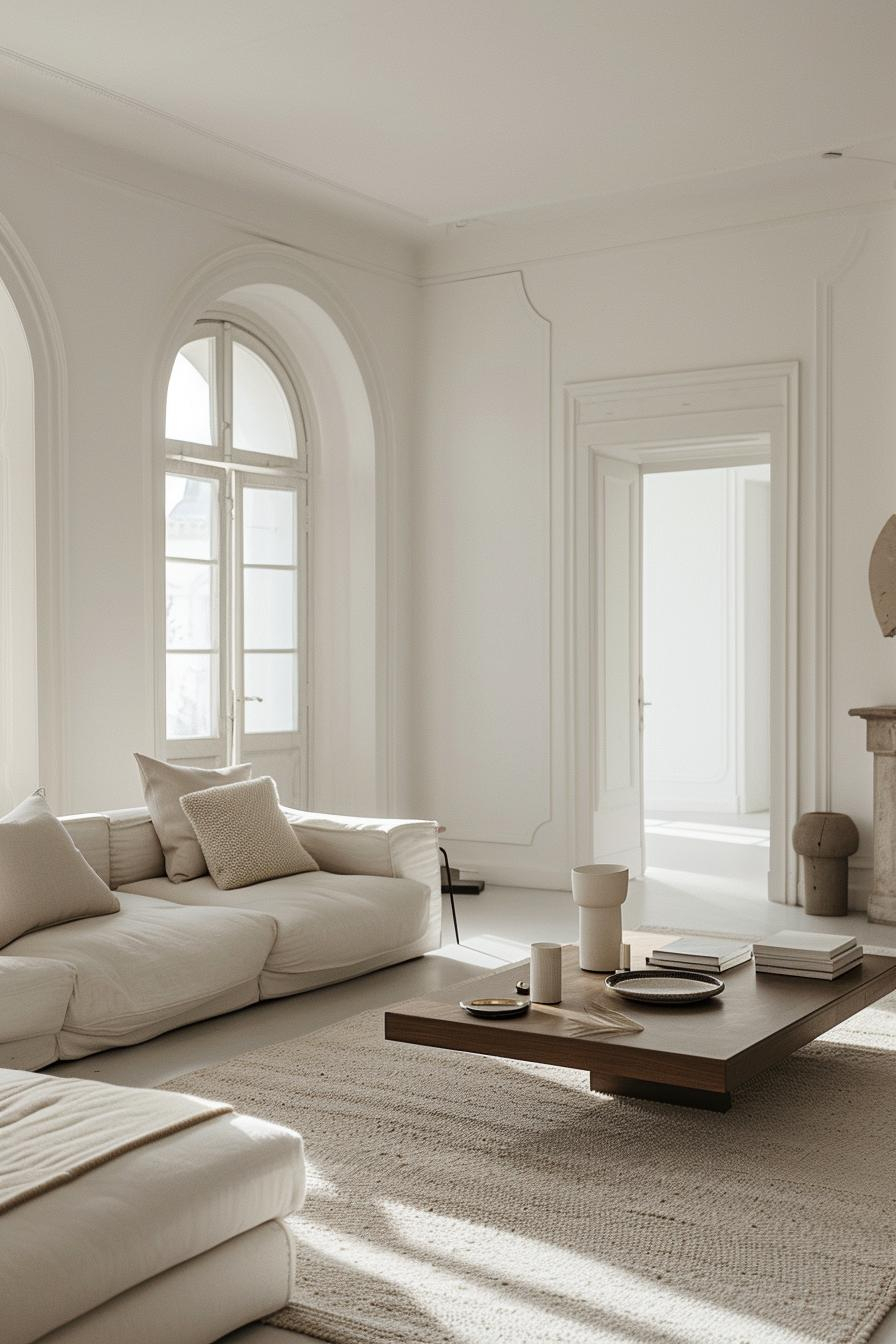
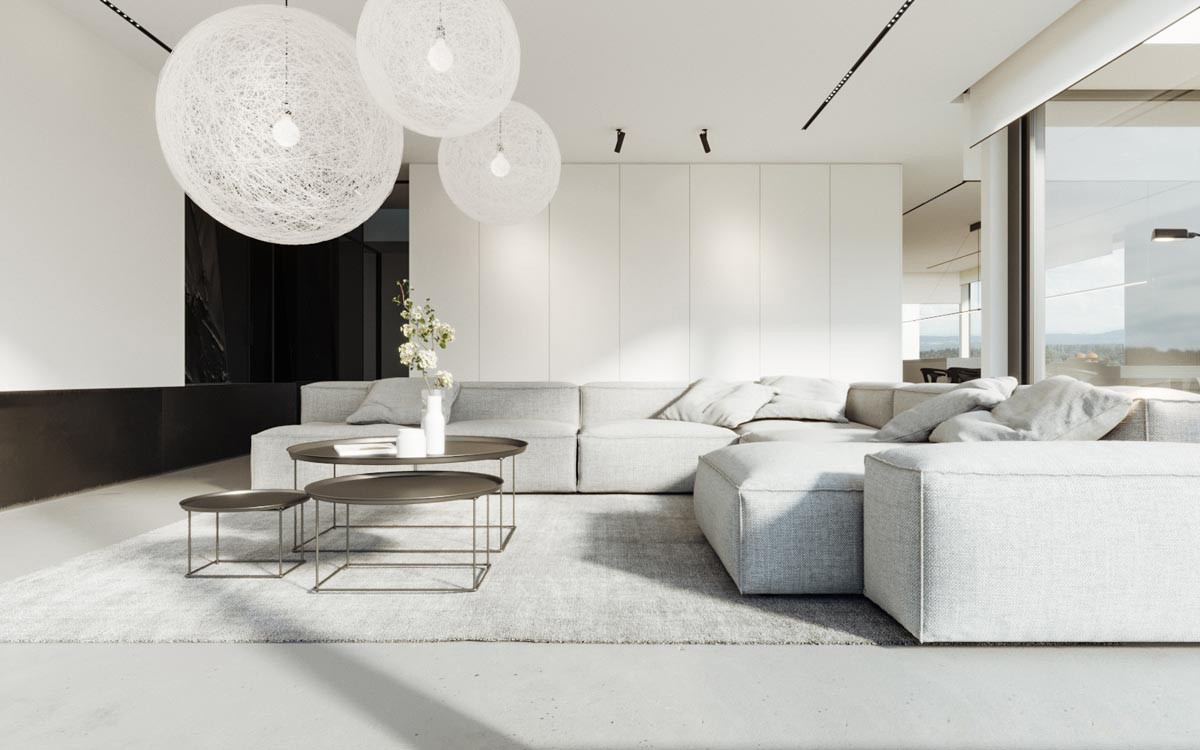
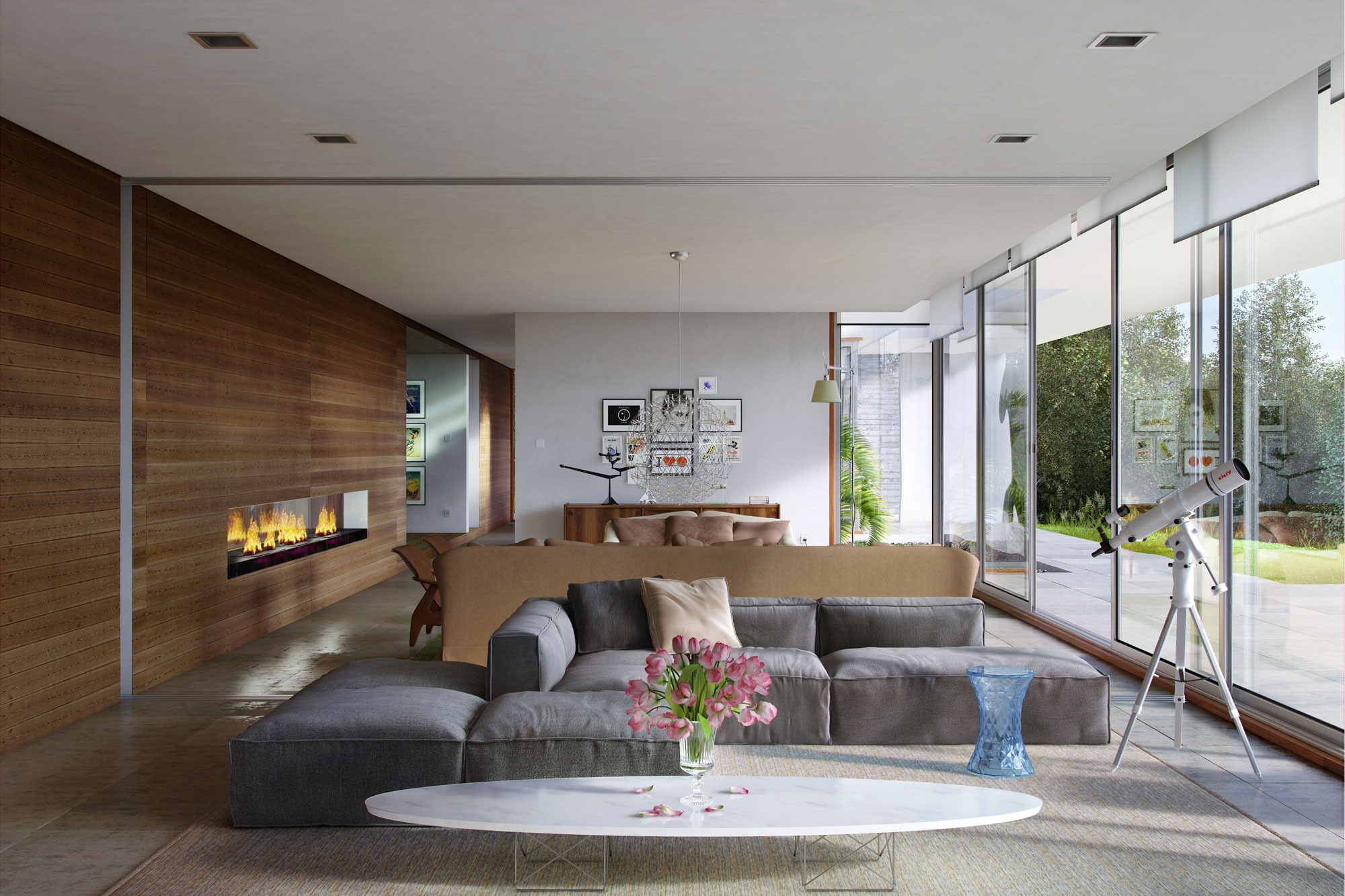
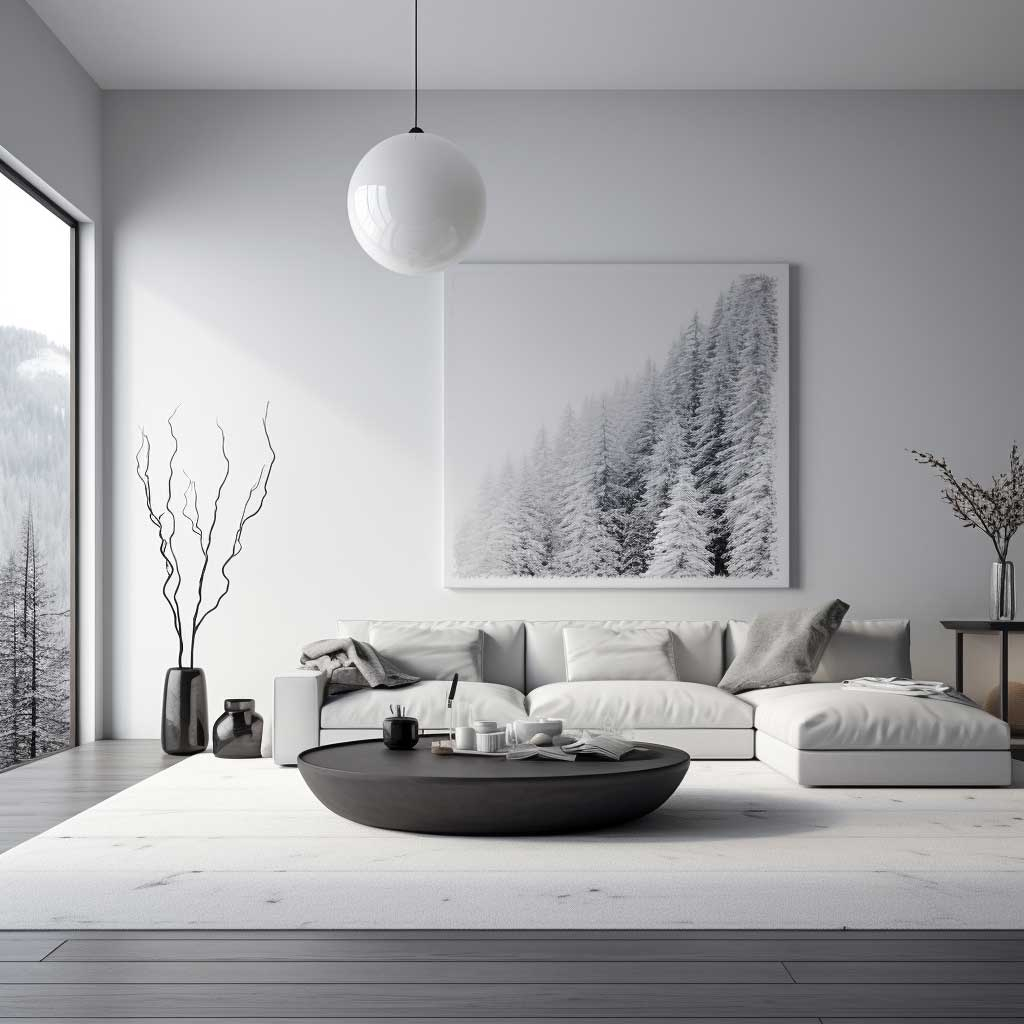
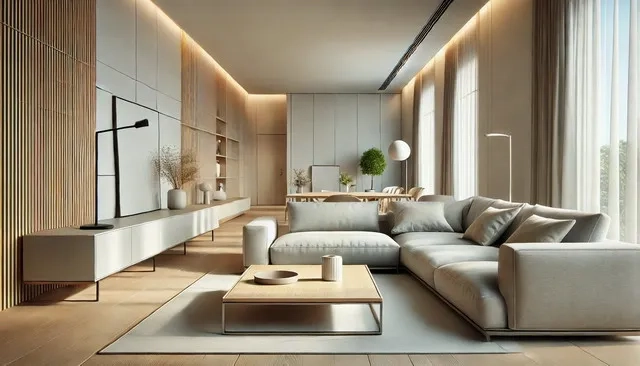
Have you ever walked into a room and felt your shoulders instantly drop? That heavy weight of the day just… dissolves. It’s not magic. It’s design. Specifically, it’s that sweet spot where the cozy, functional warmth of the North meets the disciplined, spiritual minimalism of the East. We call it Japandi. But honestly, labels don’t matter as much as the feeling. In 2026, amidst the noise of digital life and rapid change, our homes have become more than just places to sleep. They are sanctuaries. They need to breathe.
This isn’t about buying a specific chair or painting a wall beige. It’s about a mindset. It’s about choosing calm over clutter. It’s about finding beauty in the imperfect grain of wood and the soft glow of a paper lamp. If you’ve been feeling like your space is either too cold and sterile or too chaotic and busy, you’re not alone. Many of us are searching for that middle ground. A place that feels lived-in but not messy. Elegant but not stiff. Let’s dive into how we can bring this balance into our own lives, one corner at a time.
The Philosophy Behind the Aesthetic
To really get this right, you have to understand the soul of the two styles before you mash them together. Scandinavian design, rooted in the concept of hygge, is all about comfort and livability. It’s pragmatic. It says, "Life is hard and winters are long, so let’s make our home a warm hug." It values light, because light is scarce in the Nordics. It values function, because waste is frowned upon. It’s democratic design—beautiful things should be accessible to everyone.
On the other side, you have Japanese design, heavily influenced by wabi-sabi and ma. Wabi-sabi is the appreciation of imperfection and transience. A cracked bowl repaired with gold is more beautiful than a perfect factory-made one. Ma is the concept of negative space. It’s the pause between notes in music. It’s the empty space in a room that allows the eye to rest. Japanese design is spiritual. It’s about respect for nature and materials. It’s not just about looking good; it’s about being good.
When you blend them, you get the best of both worlds. You take the Scandinavian desire for comfort and pair it with the Japanese discipline of editing. You avoid the sterility that sometimes plagues modern minimalism by adding the Nordic love for textiles and warmth. You avoid the potential clutter of traditional cozy styles by applying the Japanese rule of "less is more." It’s a partnership. One brings the heart, the other brings the mind. Together, they create a home that feels grounded.
Choosing Your Palette: Earth, Stone, and Soft Light
Color is the first thing you notice when you walk in. In 2026, we are moving away from the stark, clinical whites of the early 2010s. Japandi palettes are warmer. Think of the colors found in nature, but muted. Start with a base of off-whites, creams, or very light greys. These aren’t bright whites; they have a hint of yellow or grey to soften them. They reflect light gently rather than bouncing it harshly.
Layer in earth tones. Terracotta, soft ochre, and muted greens work beautifully here. These colors connect the interior to the outside world. But the key is saturation. Keep it low. You want colors that feel dusty or weathered, not vibrant. If you look at a stone riverbed or a foggy forest, those are your references. Avoid primary colors. They shout. Japandi whispers.
Lighting plays a huge role in how these colors appear. Natural light is king. Maximize it. Use sheer curtains that diffuse the sun rather than blocking it. In the evening, avoid overhead lighting if you can. It’s too harsh. Instead, use floor lamps and table lamps with warm bulbs (around 2700K). Paper lanterns are a classic Japanese element that softens light beautifully. Scandinavian pendant lights with simple geometric shapes also work well. The goal is pools of light, not a flood. It creates intimacy. It makes the space feel smaller and cozier, even if the room is large.
Materials That Tell a Story
Texture is where the magic happens. Since the color palette is restrained, you need variety in touch and visual weight to keep the space from feeling flat. Wood is the backbone of Japandi. But not just any wood. Light woods like ash, oak, and pine are typical for the Scandinavian side. They feel airy and open. Darker woods like walnut or teak bring in the Japanese seriousness and grounding. Mixing them is encouraged, but keep the tones harmonious. Don’t mix a red-toned cherry wood with a yellow-toned pine unless you’re very skilled. Stick to similar undertones.
Stone and ceramics add weight. A rough-hewn stone vase or a matte ceramic mug adds a tactile element that plastic or glass can’t match. Look for items that show the hand of the maker. Slight irregularities are good. They prove the object is real. Linen and wool are the textiles of choice. Linen curtains, wool throws, cotton rugs. These natural fibers age well. They get softer with time. Synthetic fabrics often feel cold and static. Natural fibers breathe.
In 2026, sustainability is non-negotiable. This style aligns perfectly with that value. Choose reclaimed wood if you can. Buy vintage ceramics. Support local artisans. The story behind an object adds to its value. When you know a table was made from a fallen tree in your region, or a pot was thrown by a neighbor, you care for it differently. You keep it longer. This reduces waste and deepens your connection to your home. It’s mindful consumption.
Furniture: Low Profiles and Clean Lines
Furniture in a Japandi home should feel anchored to the earth. Low-profile pieces are key. They make ceilings feel higher and rooms feel larger. They also encourage a more relaxed posture. Think low sofas, platform beds, and floor cushions. This draws from Japanese living traditions where much of life happens closer to the ground. It feels informal and inviting.
The lines should be clean and simple. Ornate carvings or complex details distract the eye. Look for furniture with tapered legs or solid, blocky bases. Avoid bulky, overstuffed furniture. It looks heavy. Instead, choose pieces that look light on their feet. A sofa with exposed wooden legs feels airier than one that sits directly on the floor with a skirt. However, don’t go too delicate. The furniture needs to feel substantial enough to be comfortable.
Functionality is crucial. Every piece should have a purpose. If it doesn’t serve a function, it shouldn’t be there. This is the Scandinavian influence. But the form must also be beautiful. This is the Japanese influence. A storage bench should be sleek but also provide hidden space for blankets. A dining table should be sturdy enough for daily meals but elegant enough for guests. Multi-functional pieces are your friends, especially in smaller urban apartments which are common in 2026.
Don’t overcrowd the room. Leave space around each piece. This is the concept of ma again. The space between the sofa and the coffee table is as important as the furniture itself. It allows energy to flow. It prevents the room from feeling cramped. Walk through your space. If you find yourself bumping into things, you have too much. Remove one item. See how it feels. Usually, less is more.
Decor: The Art of Intentional Emptiness
Decorating is where most people go wrong. They think "minimal" means "empty." It doesn’t. It means "intentional." In a Japandi home, every object on display should spark joy or serve a purpose. No filler. No knick-knacks bought just to fill a shelf. This requires discipline. It’s hard. We love our stuff. But curating your belongings is liberating.
Plants are essential. They bring life and color into the neutral palette. Choose plants with interesting shapes. A single branch of cherry blossom in a vase. A tall fiddle leaf fig in a corner. Moss balls. Bonsai trees. The arrangement matters. Don’t bunch them all together. Spread them out. Let each plant have its own moment. Ikebana, the Japanese art of flower arranging, focuses on line and shape rather than just volume. Try applying those principles. Less flowers, more stem. More space.
Art should be subtle. Large, bold abstract paintings might overwhelm the calm. Instead, opt for prints of nature, calligraphy, or simple geometric patterns. Framing should be simple—thin wood or black metal frames. Or, leave art unframed for a more casual look. Hang it at eye level. Don’t create a gallery wall that covers every inch of plaster. Leave white space around the art. Let it breathe.
Personal items should be displayed sparingly. Choose a few meaningful photos or souvenirs and give them prominence. Put them in a nice frame or on a dedicated shelf. Rotate them seasonally. This keeps the display fresh without adding clutter. The goal is a home that feels curated, not collected. It should look like you chose every item with care, not like you accumulated them over decades without thought.
So, how do you actually live in this space? It’s not just about how it looks; it’s about how it works. Maintenance is part of the aesthetic. Natural materials require care. Wood needs oiling. Linen needs ironing (or embracing the wrinkles). Ceramics need gentle washing. This routine connects you to your home. It’s a meditative practice. Taking care of your things extends their life and deepens your appreciation for them.
Clutter control is an ongoing process. Adopt the "one in, one out" rule. If you buy a new vase, donate an old one. Keep surfaces clear. Countertops, tables, and floors should be mostly empty. This makes cleaning easier, which reduces stress. A tidy space leads to a tidy mind. It’s a cliché because it’s true. Spend five minutes each evening resetting your space. Put away remote controls. Fold throws. Fluff pillows. It takes moments but makes a huge difference.
Embrace flexibility. Your home should adapt to your life. If you work from home, create a workspace that can be closed off or hidden when the day is done. A folding screen can separate a desk from the living area. Floor cushions can be moved for yoga or guests. The space should serve you, not the other way around. Don’t be afraid to rearrange furniture. Shift the rug. Move the lamp. See how the light changes. Keep the space dynamic.
Finally, slow down. This design style invites slowness. Sit on the floor. Drink tea from a handmade cup. Watch the light move across the wall. Notice the texture of the wood. Engage your senses. The home is a tool for mindfulness. Use it. In a world that moves fast, your home should be the place where you can finally exhale. It’s not about perfection. It’s about presence.
Creating a Japandi home isn’t a weekend project. It’s a journey. It starts with one corner. Maybe you clear off a shelf. Maybe you swap a bright rug for a neutral one. Maybe you just sit in silence for a minute. Let the philosophy guide you, not the trends. Trends fade. Calm is forever. And in 2026, calm is the ultimate luxury. So, take a breath. Look around. What can you remove? What can you cherish? The answer is already there. You just have to listen.