You know that feeling. You’re standing in the middle of your bedroom, trying to squeeze past the foot of the bed, and your hip bumps into something hard. Again. It’s the nightstand. That bulky, wooden box that society tells us we need but our square footage clearly disagrees with. In 2026, living spaces are shrinking. Studios are the new normal, and even "standard" bedrooms feel like they’re closing in. So why are we still clinging to these heavy, floor-hogging pieces of furniture?
It’s time to let go. Seriously. The idea that you need a matching set of bedside tables is outdated. It’s also kind of a trap. When you remove that visual weight from the floor, your room instantly feels bigger. Airier. Less cluttered. But you still need a place for your phone, your glass of water, and that book you’ve been pretending to read for three months. The solution isn’t to suffer; it’s to get creative. And honestly? It’s way more fun than just buying another IKEA drawer unit.
Let’s talk about how to reclaim your floor space without sacrificing convenience. We’re going to look at solutions that hang, lean, float, and tuck away. Some cost nothing. Others might require a drill. All of them will make your tiny sanctuary feel like it has room to breathe. Because you deserve a bedroom that works for you, not against you.
Go Vertical: The Magic of Floating Shelves
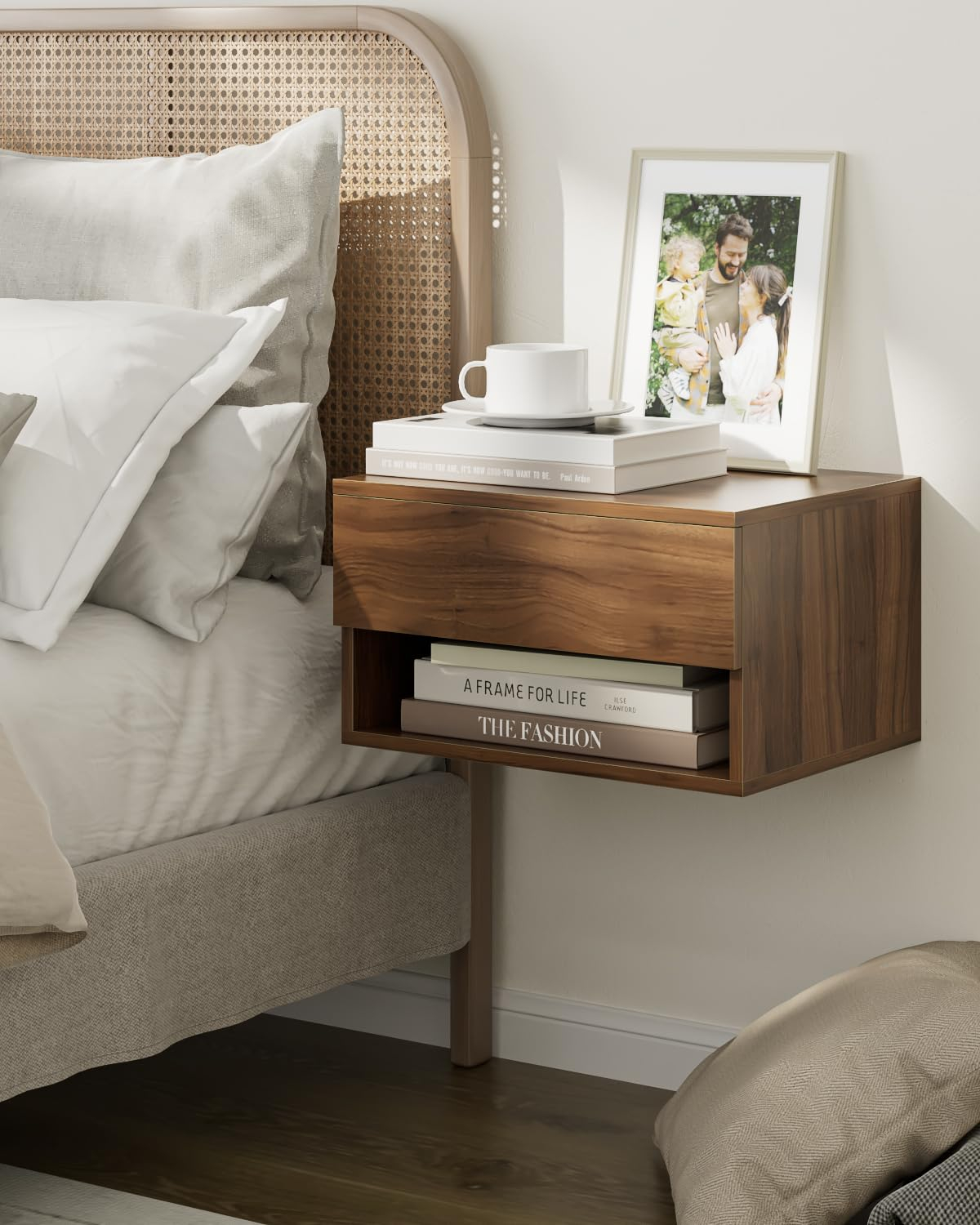
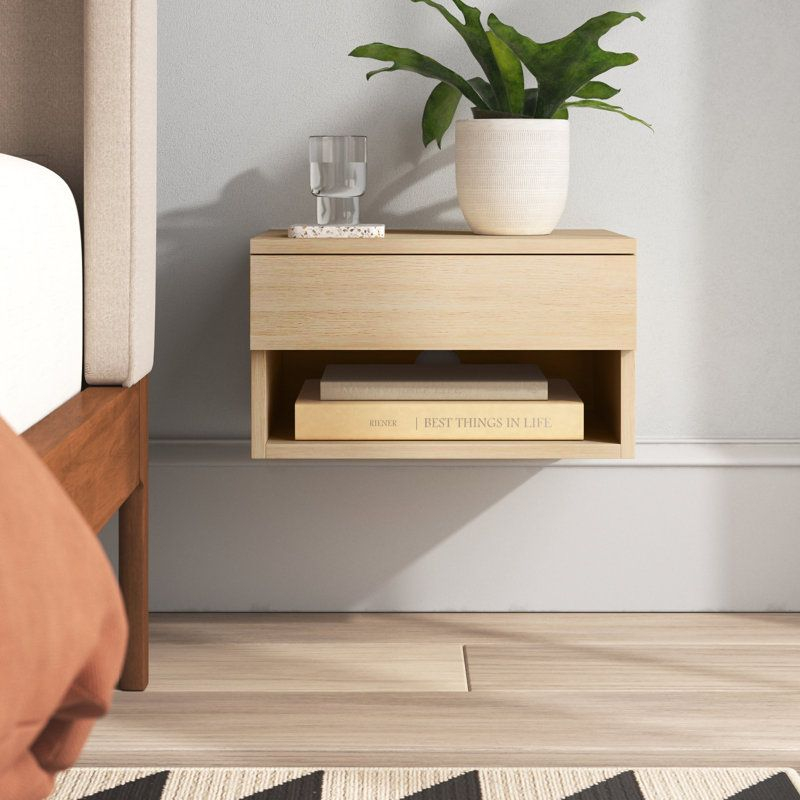
If you have wall space, you have nightstand space. It’s really that simple. Floating shelves are probably the most popular alternative for a reason—they completely clear the floor. In 2026, minimalist design is still huge, and nothing says minimal like a sleek slab of wood hovering next to your bed. You can install them at any height, which means you can customize the reach based on whether you’re sitting up in bed or lying down.
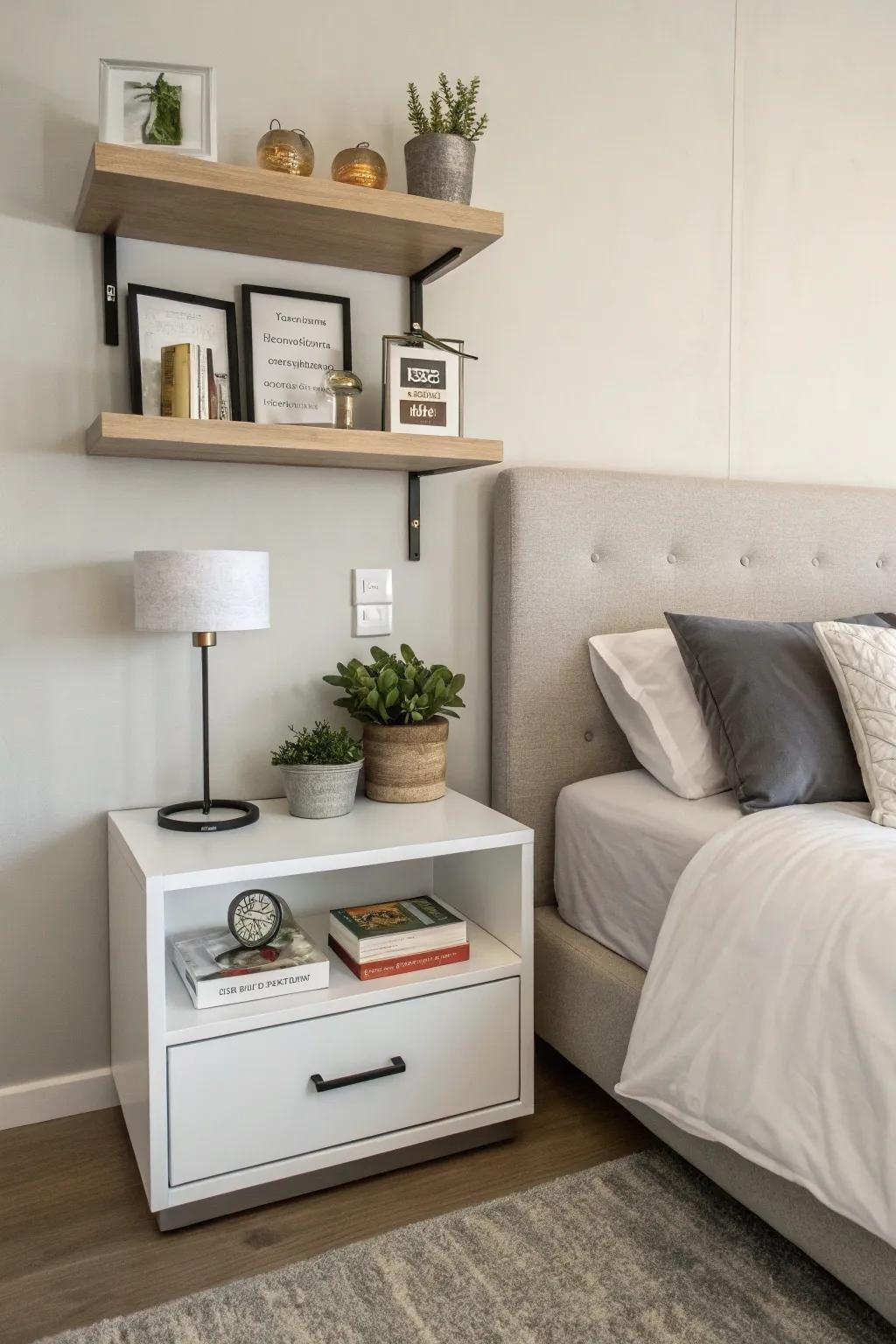
The beauty here is versatility. You aren’t stuck with a single surface. You can stack two or three shelves vertically. Use the top one for a small lamp and your phone charger. The middle shelf? Perfect for a stack of books or a small plant. The bottom one can hold a basket for remotes or eye masks. By going up instead of out, you keep the valuable real estate around your feet open. Plus, cleaning underneath is a breeze. No more dust bunnies hiding behind heavy legs.
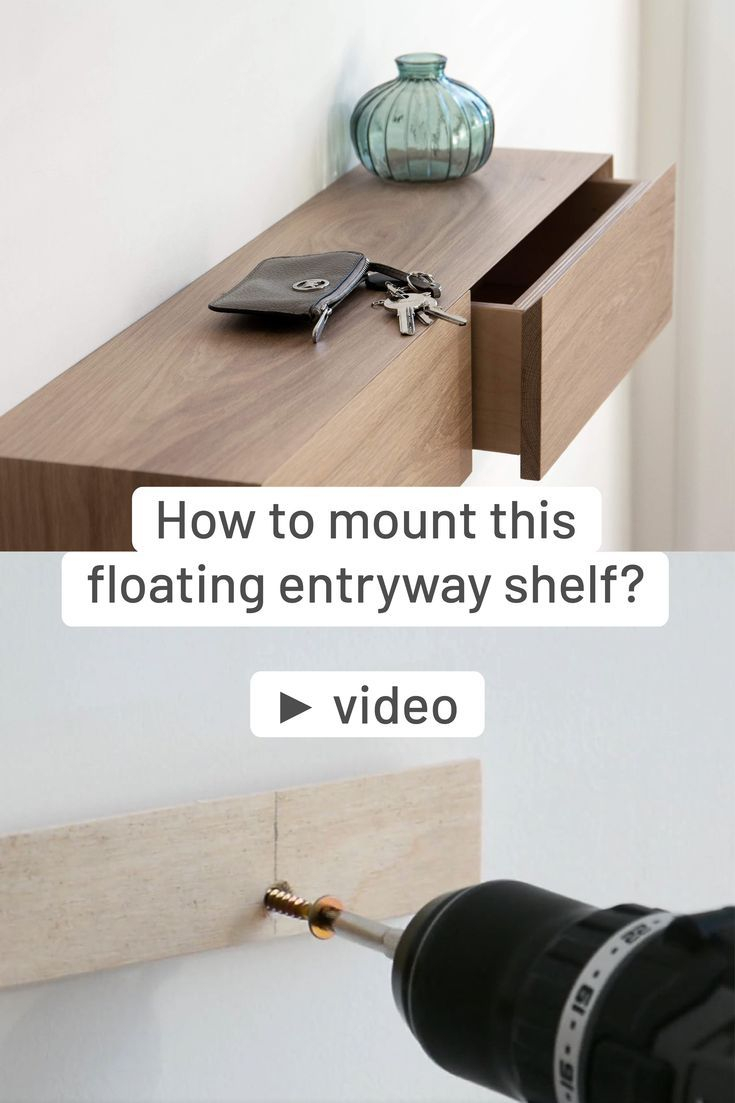
Installation is easier than you think. Most hardware stores sell simple bracket kits that hide inside the shelf itself. Just make sure you’re anchoring into studs if you plan to put anything heavy on there, like a ceramic lamp. If you’re renting and can’t drill, heavy-duty adhesive strips have come a long way since the early 2020s. They can hold surprising weight, though I’d still stick to lightweight decor just to be safe. It’s a low-commitment way to test the waters.
The Hanging Solution: Suspended Style
Sometimes, you don’t even need a shelf. You just need a pocket. Hanging nightstands are having a major moment right now. Imagine a sturdy canvas bag, a woven basket, or even a repurposed leather satchel suspended from a hook on the wall or the ceiling. It’s whimsical, it’s functional, and it takes up zero square inches of floor space. This approach works especially well in bohemian or eclectic styles, adding texture and warmth to the room.
You can buy these pre-made, but DIYing one is incredibly satisfying. Grab a slim piece of driftwood or a cut log, attach some thick rope, and hang it from a ceiling hook. Instant rustic chic. Or, if you’re feeling crafty, sew a few pockets into a heavy fabric panel and hang it from a tension rod mounted above the bed. The key is stability. You don’t want your water glass tipping over every time you roll over. Make sure the hanging mechanism is secure and the container has a flat, stable base or stiff sides.
This method also adds a layer of softness to the room. Traditional furniture is hard and angular. Fabric and rope are soft and organic. It changes the vibe of the space entirely. Plus, it’s portable. If you move apartments, you just unhook it and take it with you. No disassembling drawers or scratching up floors. It’s the ultimate renter-friendly hack that doesn’t feel like a compromise.
Repurpose What You Already Own
Before you buy anything new, look around your house. Do you have a small stool gathering dust in the closet? A sturdy crate from a farmer’s market trip? An old ladder leaning against the garage wall? These items make fantastic impromptu nightstands. A wooden crate turned on its side creates a cubby for books and a surface for your lamp. It’s industrial, it’s cheap, and it’s already paid for.
Ladder shelves are another classic trick. Lean a narrow ladder against the wall beside your bed. The lower rungs are perfect for items you need quickly, while the higher ones can hold decorative items or plants. It draws the eye upward, making the ceiling feel higher. In 2026, sustainability is key, so repurposing existing items is not just smart for space—it’s good for the planet. You’re giving new life to something that might otherwise end up in a landfill.
Don’t overlook the power of a simple chair. A straight-backed dining chair placed sideways next to the bed acts as a great surface. The seat holds your book and glasses; the backrest can hold a towel or robe. It’s unexpected, sure, but it works. The trick is to choose pieces that are visually light. A bulky armchair will feel just as cramped as a traditional nightstand. Look for slender legs and open structures that let light pass through.
Wall-Mounted Rails and Pegs
Sometimes, you don’t need a surface at all. You just need a place to hang things. Think about what you actually keep on your nightstand. For many people, it’s just a phone, a pair of glasses, and maybe a book. A simple wall-mounted rail with hooks can handle all of that. Hang your charging cable from a hook. Rest your glasses on a small ledge attached to the rail. Slide your book into a slim magazine holder mounted nearby.
This approach is ultra-minimalist. It strips away everything non-essential. If you’re someone who tends to accumulate clutter on flat surfaces, this forces you to be intentional. You can only hang what fits. It’s liberating. Plus, rails are incredibly narrow. They protrude only an inch or two from the wall, meaning you can walk right past them without even noticing they’re there.
You can customize this system endlessly. Add a small cup holder for your toothbrush or nighttime skincare. Attach a tiny shelf for a candle. Mix and match components to suit your specific nightly routine. The best part? It’s cheap. A metal rail and a few hooks cost a fraction of a wooden nightstand. And if you get bored of the setup, changing it takes five minutes. It’s flexible design for flexible lives.
The Bedside Caddy and Over-Bed Tables
What if you can’t modify the walls at all? Maybe you’re in a dorm, or your landlord is strict about holes. Enter the bedside caddy. These fabric organizers slip between the mattress and the box spring, hanging down the side of the bed. They have pockets for your phone, remote, Kindle, and snacks. It’s not a surface for a lamp, but it handles the small stuff perfectly. It’s invisible during the day and incredibly useful at night.
For those who need a surface for eating or working in bed, an over-bed table is a game-changer. These are usually on wheels, so you can roll them out of the way when not in use. In 2026, many models are designed to look less like hospital equipment and more like sleek, modern furniture. Choose one with a thin profile and neutral colors to blend in. When you’re done with your morning coffee, just wheel it into the corner. It disappears.
Another option is a clamp-on shelf. These attach directly to the headboard or the side of the bed frame. They’re small, usually just big enough for a phone and a drink, but they’re sturdy. Since they’re attached to the bed, they move with you if you rearrange the room. It’s a clever workaround for permanent fixtures. Just check the thickness of your headboard before buying to ensure the clamp will fit.
One of the biggest reasons people cling to nightstands is lighting. We’re used to table lamps. But lamps take up space. In a tight room, switch to wall-mounted sconces or pendant lights. These hang from the ceiling or mount to the wall, providing focused light for reading without occupying any surface area. In fact, they free up the entire surface of whatever alternative you choose.
Pendant lights dropped low on either side of the bed create a cozy, hotel-like vibe. They’re dramatic and stylish. If wiring is an issue, battery-operated puck lights or rechargeable LED strips work wonders. Stick them under a floating shelf or inside a hanging basket. You get the glow without the cord clutter. Many modern options offer dimming and color temperature adjustments via app, letting you set the mood without reaching for a switch.
Sconces with adjustable arms are particularly useful. You can direct the light exactly where you need it, whether you’re reading or just winding down. They also serve as decor themselves, adding a touch of elegance to the wall. By moving your light source off the horizontal plane, you unlock so many other possibilities for your bedside storage. It’s a small shift that makes a massive difference in how spacious your room feels.
So, there you have it. The nightstand isn’t gone; it’s just evolved. Whether you choose floating shelves, hanging baskets, or repurposed crates, the goal is the same: maximize function while minimizing footprint. Your bedroom should feel like a retreat, not a storage unit. By thinking vertically and creatively, you can create a space that feels open, calm, and uniquely yours.
Don’t be afraid to experiment. Try a hanging pocket for a week. See how it feels. If it doesn’t work, swap it for a floating shelf. The beauty of these alternatives is their low stakes. You’re not committing to a heavy piece of furniture that dominates the room. You’re curating a setup that fits your life, your space, and your style. And in 2026, that flexibility is worth more than any matching set.
Start small. Pick one idea that resonates with you. Maybe it’s clearing off that old stool and putting it to use. Maybe it’s installing a single hook for your bag. Whatever you choose, notice how much lighter the room feels. Notice how much easier it is to move around. That’s the win. That’s the point. Sleep well, and enjoy your newfound space.