You know that feeling. It’s July, the sun is beating down like a hammer, and you step out onto your back deck barefoot only to hop back inside because the surface feels like it’s cooking an egg. Or maybe it’s February, you shovel the snow off, and suddenly there’s a jagged crack running through what used to be a perfect stone slab. It’s frustrating. It’s expensive. And honestly, it makes you want to just stay inside where the temperature is controlled.
Living in a place with harsh winters and hot summers is a bit of a curse for outdoor living spaces. You’re fighting a battle on two fronts. Most advice you find online focuses on one or the other—how to keep cool in Arizona or how to survive ice in Minnesota. But what if you live in the Midwest, the Northeast, or parts of Europe where you get both? You need a surface that can handle the thermal shock of going from twenty below zero to ninety degrees in the span of six months. That’s a lot to ask of concrete and stone.
This isn’t just about aesthetics. Sure, you want it to look good for when friends come over for a BBQ. But mostly, you want it to last. You don’t want to be ripping up pavers every three years. In 2026, the options are better than they’ve ever been, but the marketing noise is louder too. Let’s cut through the hype and look at what actually works when the weather gets ugly.
The Science of Cracking and Burning
Before we talk about specific materials, we have to understand why patios fail. It usually comes down to two things: water and heat absorption. In the winter, the enemy is the freeze-thaw cycle. Water seeps into tiny pores in your stone or concrete. When it freezes, it expands. If the material isn’t dense enough, that expansion creates internal pressure. Eventually, something has to give. Usually, it’s your patio slab splitting in half. It’s physics, and it doesn’t care how much you paid for the stone.
Then summer rolls around. Now the issue is thermal mass. Dark, dense materials absorb solar radiation and hold onto it. This is great for melting snow in January, but terrible for July afternoons. Some surfaces can get up to thirty degrees hotter than the ambient air temperature. If it’s eighty-five degrees out, your patio could be a blistering one hundred and fifteen. That’s not just uncomfortable; it’s unsafe for kids and pets. You need a material that either reflects heat or dissipates it quickly.
So, the holy grail is a material with low porosity (to stop water entry) and high albedo or thermal conductivity (to manage heat). It sounds technical, but it just means "keeps water out" and "doesn’t hold heat." Many traditional materials fail at one or both of these tasks. Granite is tough but can get hot. Concrete is cheap but cracks easily if not sealed right. Finding the balance is the trick.
Porcelain Pavers: The Modern Heavyweight
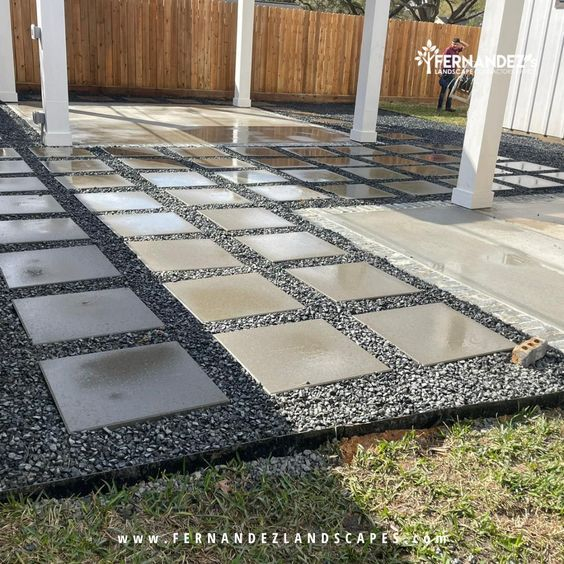
If you’re looking for the current gold standard in 2026, it’s hard to beat high-quality porcelain pavers. These aren’t the flimsy tiles you see in old bathroom renovations. We’re talking about thick, 2cm slabs designed specifically for outdoors. They are fired at incredibly high temperatures, which makes them non-porous. Water literally cannot get inside. This makes them virtually immune to freeze-thaw damage. You can leave them out in a blizzard, and they won’t blink.
But what about the heat? Porcelain is interesting here. Because it’s so dense, it doesn’t absorb moisture, but it can still get warm. However, manufacturers have gotten smart about this. Many modern porcelain pavers come in lighter colors with textured finishes that reflect sunlight rather than absorbing it. Plus, because they are often installed on pedestals or a gravel bed rather than glued down, air can circulate underneath. This helps cool the surface from below. It’s a huge advantage over concrete slabs poured directly on the ground.
There are downsides, though. They can be slippery when wet if you pick the wrong finish. Always go for a textured, anti-slip rating (R11 or higher). Also, they are brittle during installation. If you drop one, it shatters. But once they are down? They are nearly indestructible. They don’t stain, they don’t fade, and they don’t crack from cold. For a mixed climate, they are arguably the safest bet.
Natural Stone: Beauty with Baggage
People love natural stone. There’s a warmth and authenticity to flagstone, slate, or bluestone that manufactured products just can’t quite replicate. It looks like it belongs in the earth. But nature is inconsistent. Some stones are dense and durable; others are soft and porous. If you choose the wrong type, you’re asking for trouble. For harsh winters, you need igneous or metamorphic rocks like granite or quartzite. Sedimentary stones like limestone or sandstone are risky because they tend to be more porous and can spall (flake off) when frozen.
Heat is another variable with stone. Dark bluestone, while beautiful, acts like a solar panel for heat. In the peak of summer, it can be unbearable to walk on. Lighter colored granite or travertine stays cooler. Travertine, in particular, has a unique honeycomb structure that keeps it cool to the touch, even in direct sun. It’s a favorite in hot climates, but you have to be careful with it in freezing zones. If it’s not properly sealed and filled, water can get in those holes and cause cracking.
Maintenance is the real kicker with stone. To keep it safe from winter damage, you need to seal it regularly. And I mean regularly. Every year or two. If you skip this, water gets in, freezes, and ruins the surface. It’s a labor of love. If you’re willing to put in the work, stone is stunning. If you want a "set it and forget it" solution, stone might stress you out. It’s high reward, but also high maintenance.
Concrete: The Budget Option with Caveats
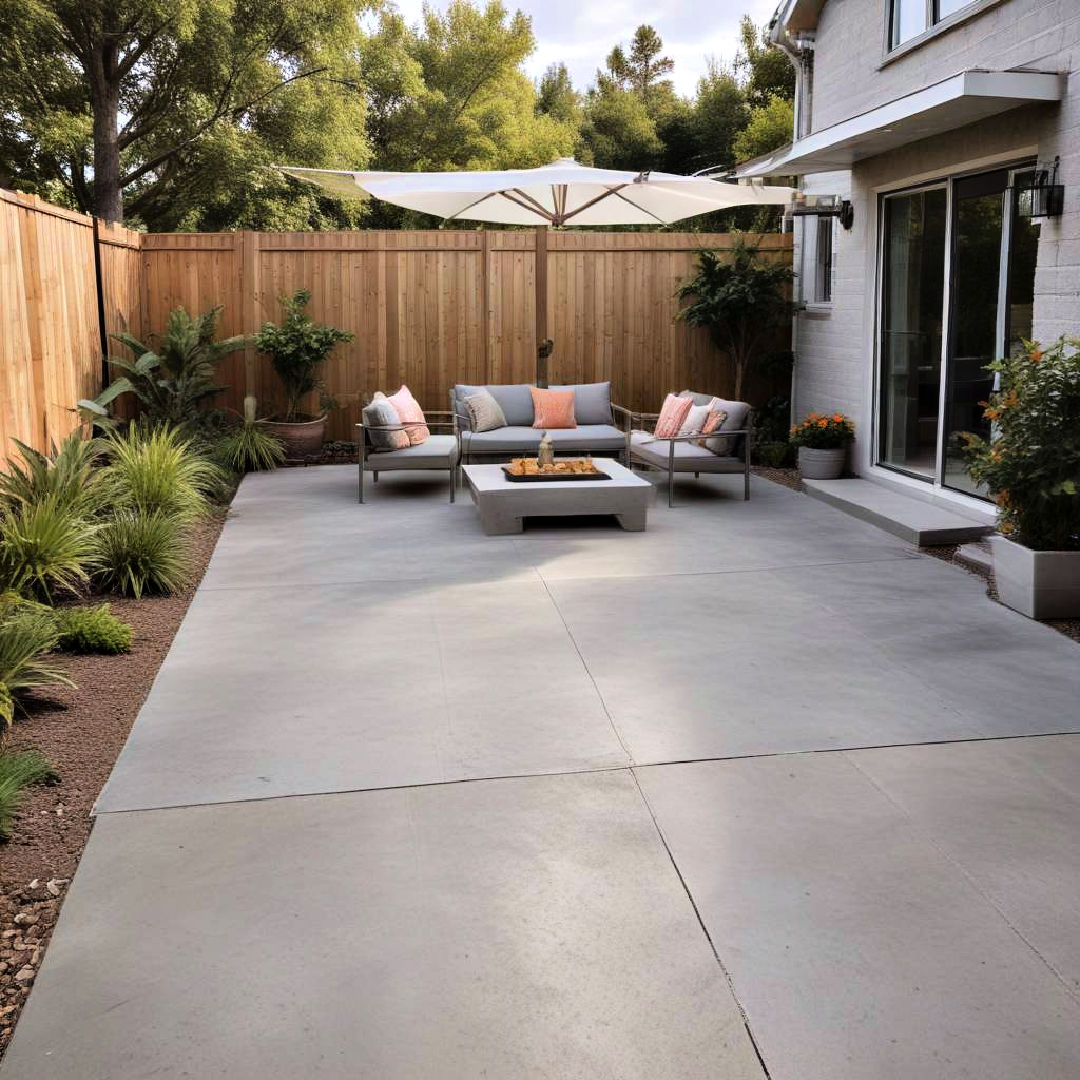
Concrete is everywhere. It’s cheap, versatile, and can be stamped or colored to look like almost anything. But standard poured concrete is a nightmare for extreme temperature swings. It’s rigid. When the ground beneath it shifts due to frost heave in winter, the concrete cracks. It’s not a matter of if, but when. In hot summers, dark stamped concrete absorbs heat like crazy. You’ve probably experienced this on a driveway or sidewalk. It’s brutal.
However, not all concrete is created equal. Fiber-reinforced concrete is much tougher than the standard mix. The fibers help control cracking by holding the material together even when it shifts. Permeable concrete is another option gaining traction in 2026. It allows water to drain through it, reducing puddling and ice formation. This helps with the freeze-thaw issue because there’s less standing water to freeze on the surface. But it requires a very specific base installation to work right.
If you go with concrete, color matters immensely. Choose light gray or tan. Avoid dark charcoal or black stains. The lighter color will reflect more sunlight and keep the surface temperature down. Also, consider a broom finish rather than a smooth trowel finish. It provides better traction when it rains or snows, and the texture breaks up the surface slightly, which can help with minor expansion issues. Just remember, it will likely develop hairline cracks over time. It’s part of the charm, or the annoyance, depending on your perspective.
Composite Decking: The Warmth Factor
Sometimes, you don’t want stone or concrete at all. You want the feel of wood. Traditional wood decking is problematic in extreme climates. It warps in the heat, rots in the wet, and splinters in the cold. Composite decking has evolved significantly. Modern composites are capped with a polymer shell that protects the core from moisture and UV rays. This makes them highly resistant to rot and fading. They don’t absorb water, so freeze-thaw isn’t really an issue for the material itself.
The big concern with composite in hot climates has always been heat retention. Early generations of composite got incredibly hot. Newer formulations in 2026 include cooling technologies. Some brands use reflective pigments or hollow-core designs that reduce heat buildup. Lighter colors like beige, gray, or light oak stay significantly cooler than dark browns or blacks. If you live in a place with hot summers, avoid the dark espresso colors unless you plan to wear shoes outside.
Installation is key here. Composites expand and contract with temperature changes more than stone does. If they aren’t installed with proper gap spacing, they can buckle in the summer heat. In winter, they can become slightly brittle, so avoid hitting them with heavy sharp objects like metal shovels. Use plastic shovels for snow removal. They are low maintenance—just soap and water—but they aren’t invincible. They offer a softer, warmer feel underfoot, which is nice for families with kids who play on the ground.
Gravel and Decomposed Granite: The Permeable Choice
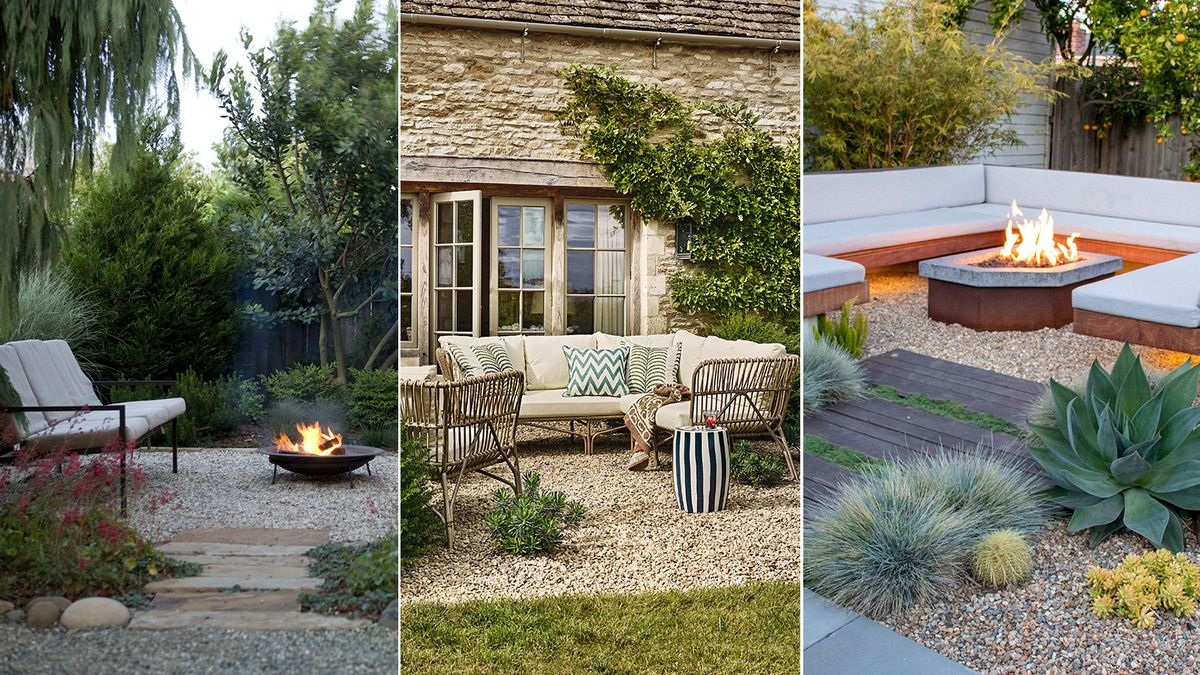
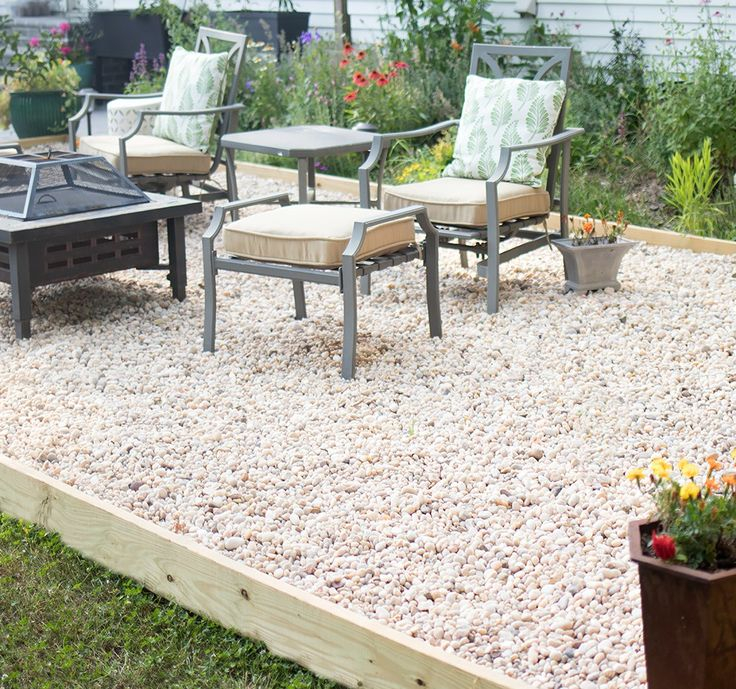
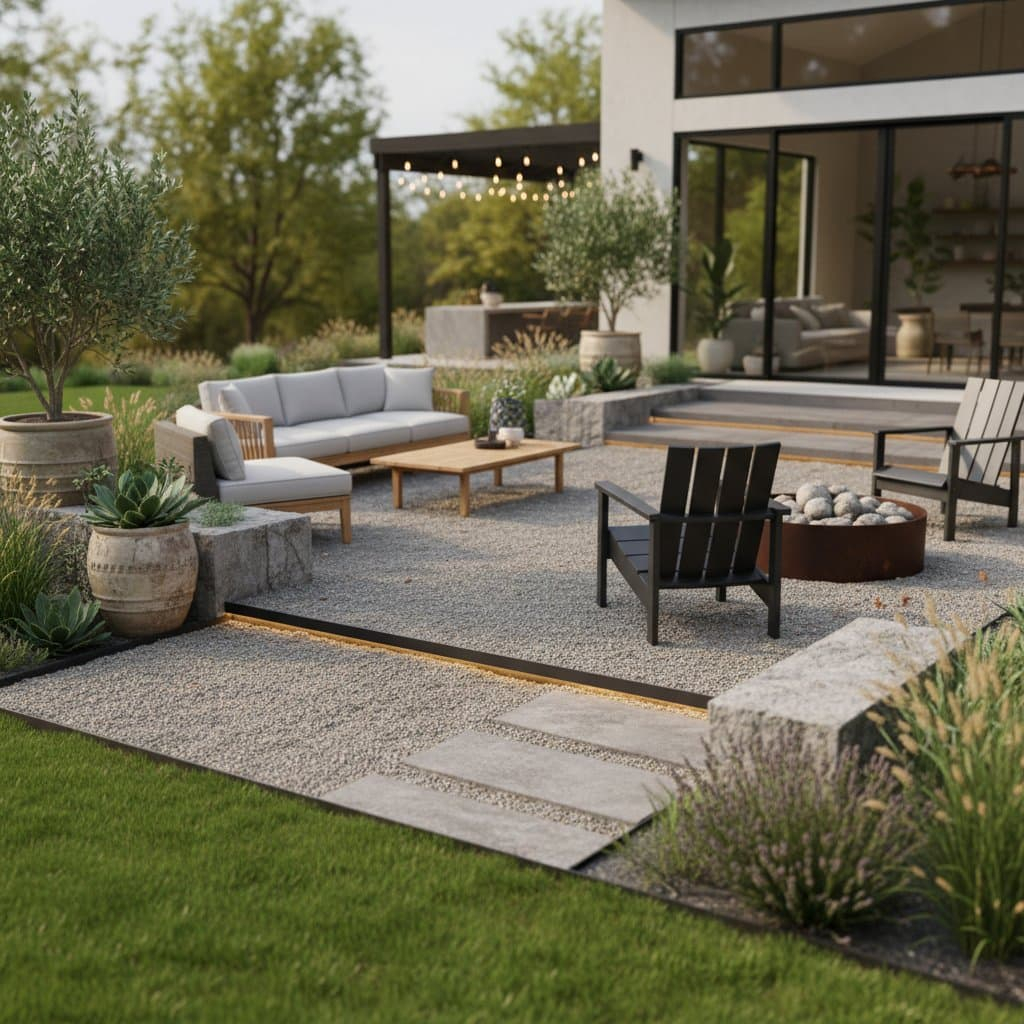
Let’s talk about something different. Gravel or decomposed granite (DG) isn’t a solid surface, which is exactly why it works well in extreme climates. Because it’s loose, it’s completely permeable. Water drains right through it. There’s no surface water to freeze and expand, so freeze-thaw damage is basically nonexistent. You won’t get cracks because there’s nothing to crack. It’s also relatively cool in the summer, especially if you choose a light-colored stone. It doesn’t have the thermal mass of a solid slab.
However, it’s not perfect. Gravel shifts. It’s not a stable surface for dining tables or high heels. You need edging to keep it contained, and you’ll need to rake it occasionally to keep it level. In winter, snow removal is harder. You can’t just push snow off to the side easily without losing some gravel. You have to shovel carefully. And in windy areas, dust can be an issue with DG if it’s not stabilized with a binder.
Stabilized DG is a good middle ground. A binder is mixed in to lock the particles together, creating a firm surface that still drains well. It feels more like a hard dirt path than a loose gravel pit. It’s rustic, natural, and very forgiving of temperature swings. It’s also one of the most affordable options. If you want a casual, garden-feel patio that can handle weather extremes without breaking the bank, this is a strong contender. Just accept that it’s a bit messy.
Here’s the truth that salespeople won’t tell you: the material matters less than the base. You can buy the most expensive, weather-proof porcelain pavers in the world, but if you install them on a poorly prepared base, they will fail. In climates with harsh winters, the ground moves. Frost heave pushes the soil up. Thawing lets it settle back down. If your patio base isn’t designed to handle this movement, your surface will crack or sink.
A proper base usually involves excavating down below the frost line (or at least using a thick layer of compacted gravel that allows for drainage). You need a layer of crushed stone, compacted in lifts, to create a stable foundation. On top of that, a layer of sand or stone dust for leveling. For pavers, polymeric sand in the joints is crucial. It locks the pavers in place and prevents weeds, but it also allows for slight flexibility. Rigid grout will crack when the ground moves. Flexible polymeric sand moves with the pavers.
Drainage is equally important. Your patio should slope away from your house. If water pools on the surface, it will freeze in winter and create hazardous ice patches. In summer, standing water can stain certain materials. Make sure your contractor understands the local soil conditions. Clay soil holds water and expands; sandy soil drains fast but shifts. The base design needs to match the soil. Don’t skimp on this part. It’s the unsexy foundation that keeps everything else working.
Choosing the right patio surface for a climate that swings from freezing to scorching is a balancing act. There is no single perfect material, but there are definitely wrong choices. Porcelain pavers offer the best all-around durability and low maintenance, resisting both water intrusion and heat buildup if chosen wisely. Natural stone brings unmatched beauty but demands regular sealing and care to survive the winter. Concrete is budget-friendly but prone to cracking and heat absorption unless you take specific precautions with color and reinforcement.
Composite decking provides a warm, soft surface that’s great for families, provided you pick a light color and allow for expansion gaps. Gravel and decomposed granite offer a natural, permeable solution that sidesteps many weather issues entirely, though they lack the stability of solid surfaces. Ultimately, the best choice depends on your lifestyle. Do you want to spend weekends sealing stone? Or do you want to hose down porcelain and forget about it? Do you need a flat surface for a table, or is a rustic gravel path enough?
Think about how you’ll use the space. Think about how much time you want to spend maintaining it. And please, invest in a good base. It’s the difference between a patio that lasts twenty years and one that looks terrible in five. The weather is going to do what it wants. Your job is to pick a surface that can take the hit and keep looking good, season after season.