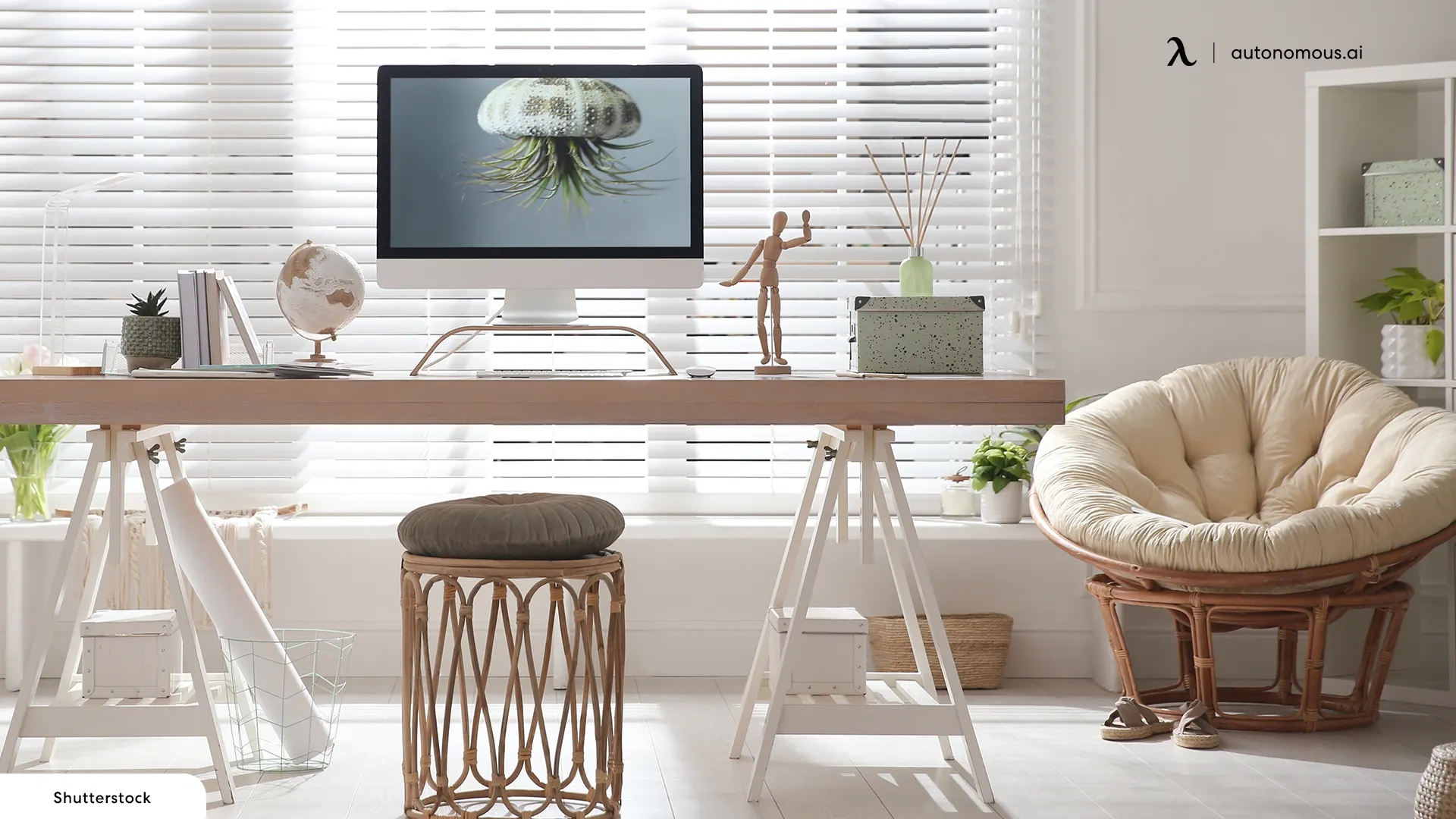
There is something undeniably magnetic about a papasan chair. It does not just sit in a room; it demands attention. Or rather, it demands relaxation. You see one of those large, bowl-shaped wonders and your body instinctively knows what to do. Sink in. Curl up. Disappear. In a world that feels increasingly loud and fast, especially as we navigate the busy rhythms of 2026, having a dedicated spot to unplug is not just a luxury. It is a necessity.
But let’s be honest. A papasan chair on its own is just furniture. It becomes a sanctuary only when you build the world around it. You cannot just plop it in a dark hallway and call it a day. That is a recipe for back pain and disappointment. To create a true reading nook, you need to think about light, texture, proximity to your books, and that intangible feeling of being wrapped in a warm hug. This is about more than interior design trends. It is about carving out a small piece of peace in your home.
So, how do you get it right? How do you turn a wicker frame and a cushion into the place you look forward to all day? It starts with understanding that the chair is the heart, but the surroundings are the soul. We are going to walk through the steps to build this retreat. No fancy degrees required. Just a love for stories and a desire for comfort. Let’s dive in.
Finding the Perfect Spot and Setting the Stage
Location is everything. You might have the most beautiful, plush papasan in the world, but if it is placed in a high-traffic area where people are constantly walking by, you will never truly relax. The first step is scouting your home for that quiet corner. Look for spaces that feel slightly separated from the main flow of activity. A unused corner of the living room, a spacious alcove in the bedroom, or even a sunny spot on a covered balcony can work wonders. The key is proportion. As noted in recent design guides, the chair should feel inviting without overcrowding the space. You want room to breathe, but not so much space that the nook feels exposed and cold.
Natural light is your best friend here. Positioning your papasan near a window allows you to soak up sunlight while you read, which reduces eye strain and boosts mood. However, direct glare on the page is annoying. If you have a south-facing window that gets harsh afternoon sun, consider sheer curtains. They diffuse the light, creating a soft, dreamy glow that makes the whole area feel ethereal. If natural light is scarce, do not worry. You can manufacture warmth with artificial sources, which we will get to later. But for now, think about the view. What do you see when you look up from your book? A blank wall is okay, but a view of greenery or a pleasant street scene adds a layer of calm.
Also, consider the floor beneath the chair. Papasans are low-slung. This is part of their charm, but it means they interact closely with the flooring. If you have hard wood or tile, the area can feel chilly and echoey. This is where a rug comes in. Not just any rug, but one that defines the zone. Choose a rug that is large enough so that the front legs of the chair (or the entire base, if it is a stationary model) sit on it. This anchors the nook visually. It tells your brain, "This is a separate space." Textured rugs like jute or shag add tactile interest underfoot, enhancing that cozy vibe before you even sit down. It is a small detail, but it makes a huge diference in how grounded the space feels.
Choosing and Styling Your Papasan Base
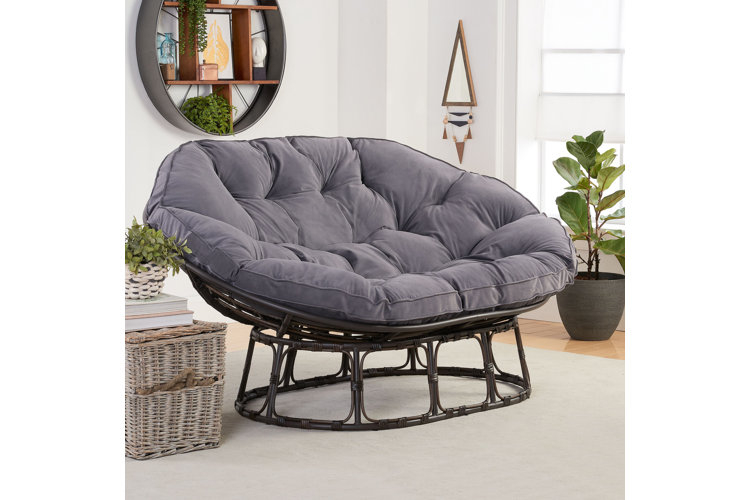
Not all papasans are created equal. In 2026, we are seeing a resurgence of natural materials, moving away from the synthetic plastics of the past. When selecting your chair, look for sturdy rattan or wicker frames. These materials age beautifully, developing a patina that adds character over time. You might also find modern variations with metal frames or even hanging versions. For a reading nook, stability is key. A hanging papasan is fun, but if you are trying to focus on dense text, the slight sway can be distracting. A stationary frame offers a solid foundation for long reading sessions.
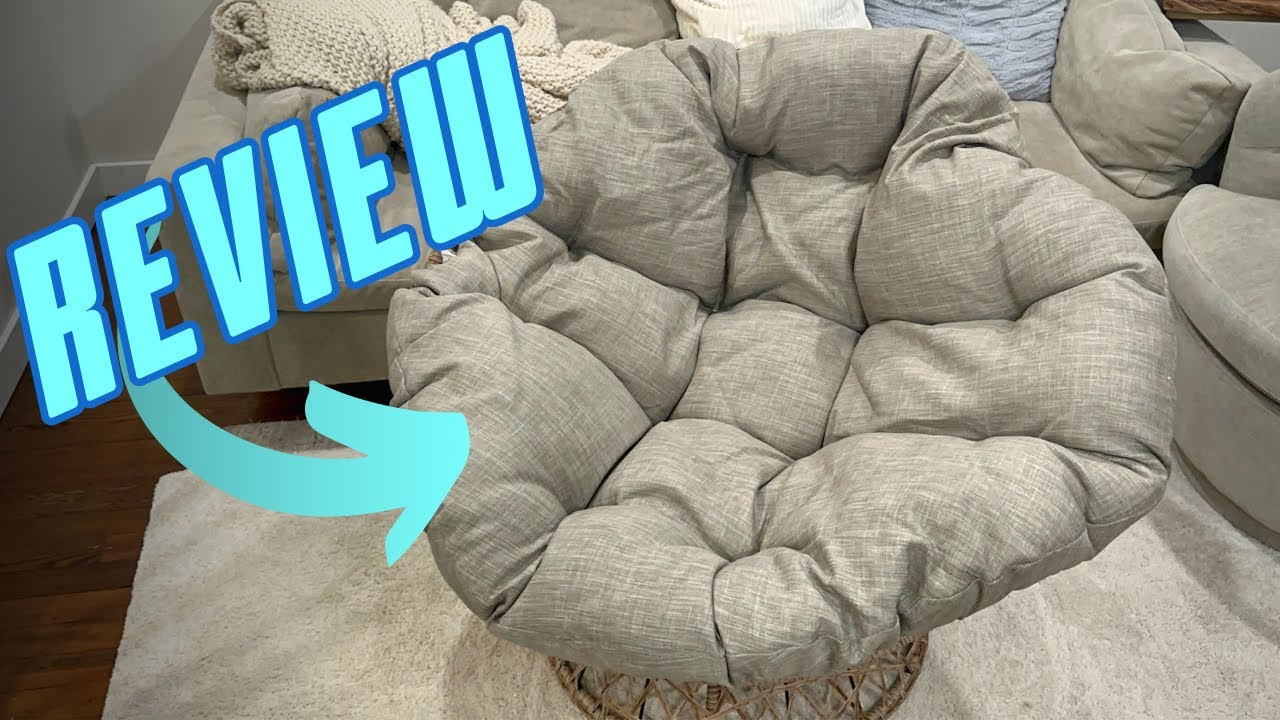
The cushion is arguably the most important part. It is where your body meets the chair. Standard cushions can sometimes be too thin or firm. Do not settle for discomfort. If the original cushion is lacking, replace it. You can find aftermarket cushions filled with high-density foam or down alternatives that offer better support. Think about the depth of the bowl. You want to be able to curl your legs up comfortably. Some people even use their papasan for naps, so ensure the diameter is generous enough for your height. A cramped nook is not a relaxing nook.
Styling the frame itself is where you inject personality. Natural rattan looks great with earthy tones, but do not be afraid to paint it if it suits your style. A matte black frame creates a modern, moody aesthetic, while a crisp white feels airy and clean. Bold colors like pink or teal can make the chair a statement piece. Remember, the frame is visible from the outside, so treat it like sculpture. Keep it clean. Dust accumulates easily in the woven textures, so a quick wipe-down every week keeps it looking fresh. And if you are handy, sewing your own cushion covers allows you to match the fabric to the rest of the room perfectly. This DIY approach ensures your nook feels custom-made, not store-bought.
Layering Textiles for Maximum Comfort
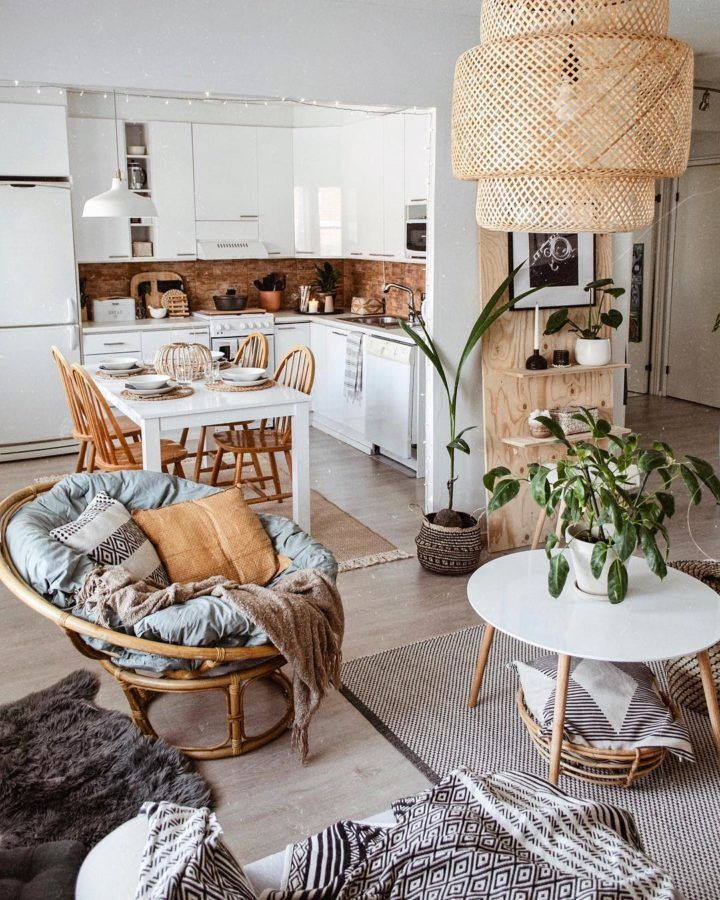
Once the chair is in place, it is time to soften it up. A bare cushion, no matter how nice, feels incomplete. The secret to a truly inviting papasan nook is layers. Start with the base cushion, then add throw pillows. But not just any pillows. You want a mix of sizes and textures. A large lumbar pillow supports your lower back, which is crucial since papasans encourage slouching (in a good way). Smaller square pillows can be tucked behind your head or used to prop up your arms. Mix fabrics like velvet, linen, and chunky knit. The contrast feels luxurious and encourages you to touch and adjust them until you are perfectly positioned.
Next, consider the throw blanket. This is non-negotiable. Even in summer, air conditioning can make a static sitting spot feel cool. A lightweight cotton or linen throw is perfect for warmer months, while a heavy wool or faux fur blanket is essential for winter. Drape it casually over the arm or the back of the chair. It should look effortless, like you just tossed it there after getting comfortable. The act of pulling a blanket over your legs signals to your nervous system that it is time to rest. It is a psychological trigger for relaxation. Choose colors that complement your cushion but add a bit of visual interest. Patterns can work, but solids often feel more calming for a reading space.
Do not forget about footrests. Papasans are low, so your feet might dangle or rest awkwardly if you are tall. An ottoman, a pouf, or even a sturdy stack of books can serve as a footrest. This elevates your legs, improving circulation and reducing strain on your lower back. If you choose an ottoman, make sure it is close enough to reach easily but far enough that you can stretch out fully. Some people prefer a floor cushion instead, which maintains the low-profile aesthetic. The goal is total body support. When every part of you is supported, you can forget about your physical self and immerse yourself completely in the story. It is about removing distractions, including physical discomfort.
Lighting the Way for Long Reading Sessions
Lighting can make or break a reading nook. Poor lighting causes eye strain and headaches, which will cut your reading session short. You need layered lighting. First, assess your ambient light. If you are reading during the day, natural light is ideal. But as the sun sets, you need artificial sources. Avoid overhead ceiling lights. They cast harsh shadows and create glare. Instead, opt for task lighting that is directed specifically at your book. A floor lamp with an adjustable arm is a classic choice. Position it so the light falls over your shoulder, illuminating the pages without shining directly into your eyes.
In 2026, LED technology has advanced significantly, allowing for bulbs that mimic natural daylight spectrum. Look for bulbs with a color temperature between 2700K and 3000K for a warm, cozy feel, or up to 4000K if you prefer brighter, clearer light for detailed reading. Dimmable options are fantastic because they let you adjust the intensity based on the time of day and your mood. Imagine starting with bright light in the early evening and slowly dimming it as you wind down. This gradual transition helps prepare your body for sleep afterward.
If space is tight, consider clip-on reading lights that attach to the papasan frame itself. These are discreet and provide focused illumination without taking up floor space. Alternatively, a small table lamp on a nearby side table works well. The key is to avoid shadows cast by your own head or hands. Test your lighting setup at night. Sit in the chair with a book. If you find yourself tilting your head or squinting, adjust the lamp. It might take a few tries to get it right. Also, think about the aesthetic of the light fixture. A woven rattan lampshade complements the papasan frame, tying the look together. Brass or matte black fixtures add a touch of modern elegance. The light source itself should be pleasing to look at, even when turned off.
Organizing Your Literary Essentials Within Reach
A reading nook is useless if you have to get up every ten minutes to fetch a book, a glass of water, or your reading glasses. Convenience is king. You need surfaces within arm’s reach. A small side table is the most common solution. It should be stable and at a height that aligns with the arm of the chair or slightly higher. Round tables often work best with the curved shape of the papasan. Use this surface for your current read, a beverage, and perhaps a pair of glasses. Keep it clutter-free. Only what you need for the immediate session should be there.
But what about the next book? This is where storage comes in. A small bookshelf or a stack of crates next to the chair allows you to keep a rotating selection of titles handy. Seeing the spines of your favorite books can be inspiring. It reminds you of stories waiting to be discovered. If you prefer a minimalist look, a simple basket on the floor can hold magazines or paperbacks. The idea is to have options without visual chaos. You want the space to feel curated, not stuffed.
Consider also the digital essentials. If you use an e-reader or tablet, you need a place to charge it. A power strip hidden behind the table or a wireless charging pad on the surface keeps cables out of sight. Nothing ruins the vibe like a tangle of cords. And do not forget the analog tools. A bookmark, a notebook for jotting down thoughts, and a pen should have a designated spot. Some people like to keep a small tray on the table to corral these items. It keeps the surface organized and makes it easy to clear off when you are done. The goal is frictionless enjoyment. You should be able to sit down and start reading within seconds, without hunting for anything.
The final layer is the most personal. This is what transforms a generic corner into your sanctuary. Think about scent. A subtle aroma can deepen the sense of relaxation. A reed diffuser with notes of lavender, sandalwood, or vanilla works well. Avoid strong scents that might overwhelm you or clash with the smell of old books, which many readers cherish. Candles are also lovely, but safety is paramount. Never leave a lit candle unattended, especially near textiles. Flameless LED candles with flickering effects offer a safe alternative that still provides a warm glow.
Sound is another sensory element. While silence is golden for some, others prefer background noise. A small Bluetooth speaker can play soft instrumental music, rain sounds, or white noise. This masks distracting household noises like traffic or neighbors. Create a playlist specifically for reading. Keep the volume low. It should be barely audible, just enough to fill the empty spaces. If you live in a noisy environment, noise-canceling headphones are a great investment. They create a bubble of silence, allowing you to focus entirely on the text.
Finally, add life. Plants thrive in reading nooks because they add color and improve air quality. A trailing pothos on a shelf above the chair or a snake plant on the floor adds a touch of nature. Greenery is calming and connects the indoor space to the outdoors. Artwork or photographs on the wall behind the chair can also personalize the space. Choose images that inspire calm or joy. Maybe a landscape from a place you love, or a quote that resonates with you. These details make the nook feel lived-in and loved. It becomes a reflection of your inner world. And that is the point. It is not just a place to read. It is a place to be yourself.
Creating the perfect papasan reading nook is not about following rigid rules. It is about listening to your own needs. What makes you feel safe? What makes you feel inspired? Start with the chair, yes. But then build the ecosystem around it. Light, texture, convenience, and personal meaning. These elements combine to create a space that pulls you in and holds you gently. In a world that constantly demands our attention, having a place that asks for nothing but your presence is a rare gift.
So, take your time. Experiment with different pillows. Move the lamp an inch to the left. Try a new blanket. Let the nook evolve as you do. It does not need to be perfect from day one. It just needs to be yours. Grab a book, sink into that bowl-shaped embrace, and let the rest of the world fade away. You have earned this moment. Happy reading.