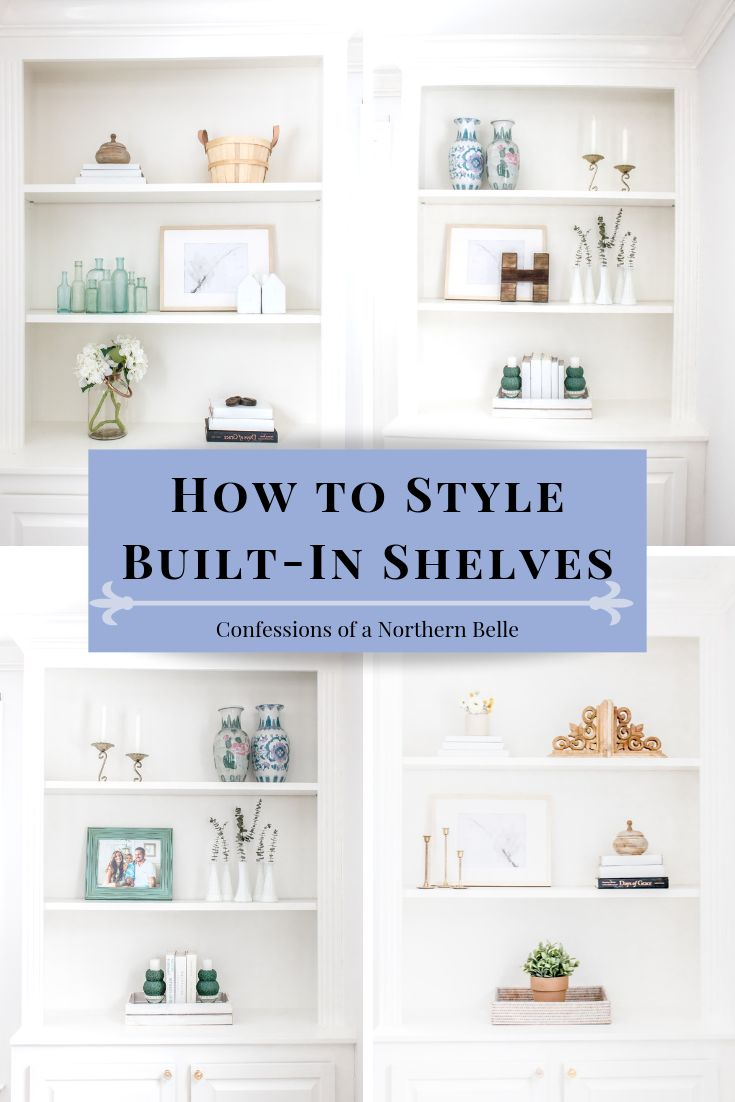
You walk into that empty wall space in your living room. You can practically see the books, the framed photos, the little treasures you’ve collected over the years. It’s begging for built-ins. But then the question hits you like a ton of bricks: do you grab your toolbox and get to work, or do you call someone who knows what they’re doing?
It’s not just about money, though let’s be real, that’s a huge part of it. It’s about pride. It’s about patience. And honestly? It’s about whether you want to spend your next three weekends sanding drywall dust out of your eyebrows or sipping coffee while watching someone else sweat. In 2026, the gap between doing it yourself and hiring out has shifted. Materials are pricier, labor is scarcer, and the stakes feel higher. Let’s dig into the actual numbers, the headaches, and the wins so you can decide which path fits your life right now.
The Sticker Shock Reality Check
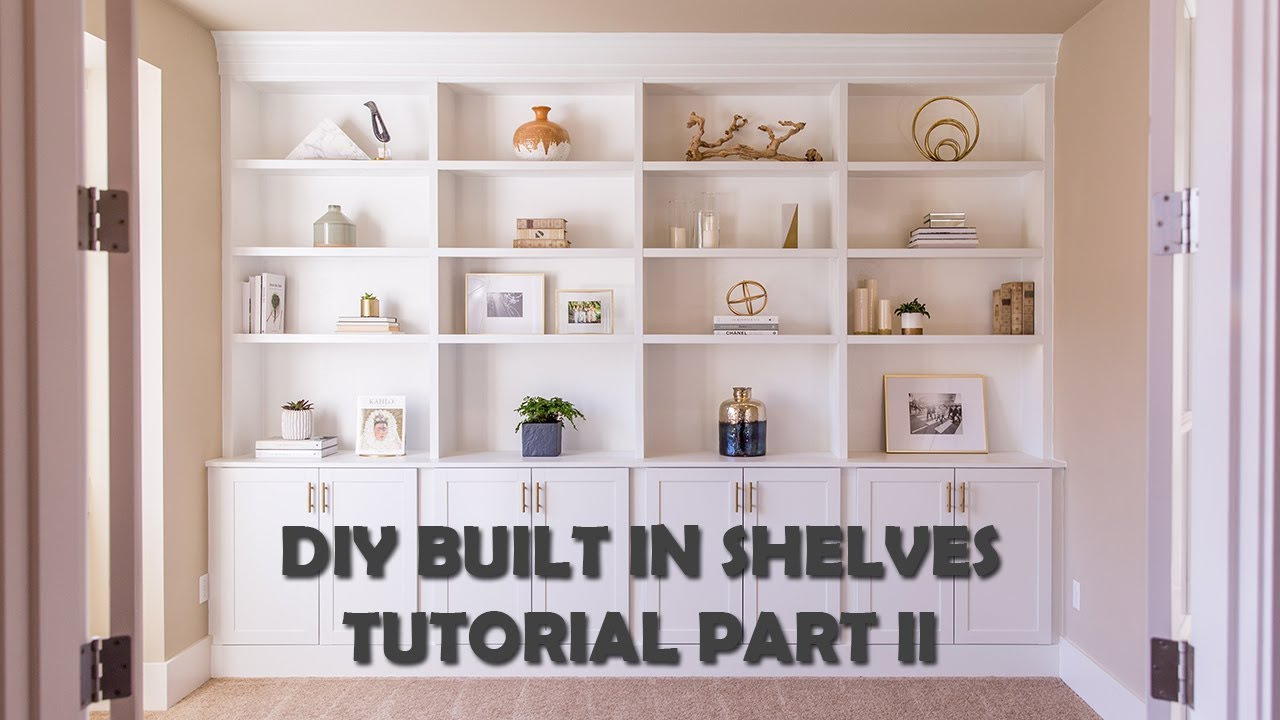
Let’s rip the band-aid off. What does this actually cost? If you look at the averages for 2026, you’re looking at a pretty wide spread. For most homeowners, a professional built-in shelving unit lands somewhere between $1,000 and $5,000. That’s the sweet spot for a standard wall unit, maybe eight to ten feet wide, with decent wood and a clean finish. But don’t let that average fool you into thinking it’s simple.
On the low end, you might find a handyman or a junior carpenter willing to knock out a basic plywood box for around $800 to $1,200. On the high end? We’re talking custom millwork, hardwoods like walnut or cherry, intricate molding, and lighting integrated into the shelves. Those projects can easily climb to $6,250 or even push past $9,000 if you’re going for floor-to-ceiling luxury in a large room. HomeAdvisor data suggests most people pay between $150 and $1,200 per linear foot. That’s a massive range. It depends entirely on who you hire and what wood you pick.
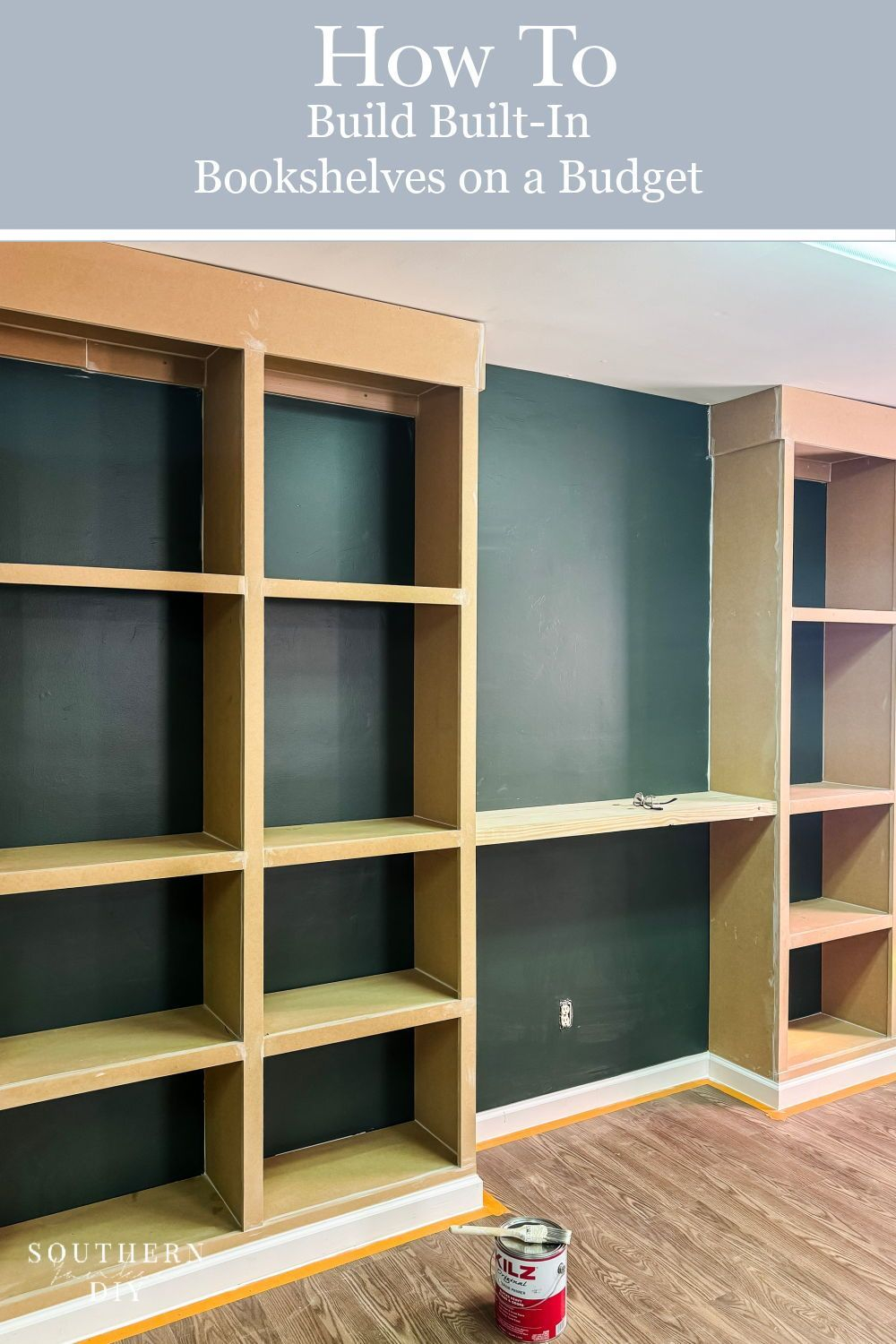
Now, compare that to the DIY route. If you’re building from scratch using standard pine or plywood from the big box store, your material costs could sit comfortably between $200 and $600 for a similar-sized unit. Yeah, you read that right. The materials are a fraction of the pro price. But here’s the kicker: that $200 doesn’t include your time, your mistakes, or the tools you might need to buy. If you go the semi-custom route—like grabbing an IKEA PAX system and adding custom fronts—you’re looking at maybe $1,000 to $2,500. It’s a middle ground that’s getting popular because it looks pro but costs less. Still, it’s not "cheap."
Breaking Down the Professional Price Tag
So, why does hiring a pro cost five times as much as the wood itself? It’s easy to look at a bill for $4,000 and feel robbed. But when you break it down, you’re paying for more than just boards and nails. You’re paying for precision. A finish carpenter isn’t just stacking wood; they’re ensuring those shelves are perfectly level, securely anchored to studs, and finished with a smoothness that’s hard to replicate without years of practice.
Labor is the biggest chunk of that bill. In 2026, skilled tradespeople are in high demand. A good carpenter might charge $70 to $100 an hour, and a custom built-in can take anywhere from 20 to 40 hours of work depending on complexity. That’s just labor. Then you have the markup on materials. Pros often buy higher-grade lumber that resists warping, and they pass that cost on to you. They also handle the messy stuff—trimming baseboards, patching drywall, and cleaning up the sawdust. You don’t have to live in a construction zone for a week.
There’s also the warranty factor. If a shelf sags after six months because the span was too wide for the wood thickness, a pro fixes it. If your DIY shelf sags, you’re staring at it every night wondering if you messed up the math. Professionals bring insurance, too. If they accidentally drill into a water pipe or electric line, their policy covers it. If you do it? That’s coming out of your emergency fund. It’s peace of mind, and frankly, that’s worth something.
The Hidden Costs of Going DIY
Let’s talk about the DIY dream. It sounds romantic, doesn’t it? You, some tunes, a saw, and a vision. But the reality is often grittier. The first hidden cost is tools. Do you have a miter saw that cuts cleanly? A nail gun? A quality level? A pocket hole jig? If you’re starting from zero, you might drop $300 to $500 on tools before you even buy your first board. Sure, you can rent some, but that adds up fast and eats into your savings.
Then there’s the learning curve. I’ve talked to plenty of folks who thought building a box was simple until they realized their walls aren’t straight. Houses settle. Walls bow. Floors slope. A pro knows how to scribe a shelf to fit an uneven wall seamlessly. A beginner? They might end up with ugly gaps they try to hide with caulk. And caulk doesn’t always look great. Mistakes mean wasted materials. You buy a sheet of plywood, cut it wrong, and now you’re back at the store spending another $40. Those little trips add up.
Time is the other big one. What takes a pro two days might take you three weekends. Are you okay with your living room being half-disassembled for a month? Can you handle the frustration of a joint that just won’t line up? For many people, the stress isn’t worth the $2,000 savings. Plus, if you mess up the finish—stain blotches, paint drips, rough sanding marks—it’s hard to fix without starting over. A bad DIY job can actually lower your home’s appeal if you ever decide to sell. It’s gotta look intentional, not accidental.
Material Choices That Make or Break the Budget
Whether you hire out or do it yourself, the wood you choose changes everything. In 2026, lumber prices have stabilized somewhat from the crazy spikes of the early 2020s, but quality wood is still an investment. Pine is the budget king. It’s soft, easy to work with, and cheap. But it dents easily and can look… well, cheap if not finished well. It’s great for painted shelves because you can fill the knots and grain, but it’s tricky if you want a natural stain.
Plywood is the workhorse for built-ins. High-quality cabinet-grade plywood (like Baltic birch) is stable, strong, and resists sagging better than solid wood over long spans. It’s what most pros use for the carcass—the inside boxes—because it’s reliable. You can veneer it or paint it. But cheap plywood? It splinters, the edges look terrible, and it might warp if your house has humidity swings. Don’t skimp here. If you’re DIYing, spend the extra twenty bucks for the good stuff. Your future self will thank you.
Then there are the hardwoods. Oak, maple, walnut, cherry. These are beautiful. They add instant value and warmth to a room. But they’re hard to work with. They dull blades faster, require pre-drilling for nails, and need careful finishing. If you’re hiring a pro, expect to pay a premium for these materials. If you’re DIYing, only go this route if you have some experience. A ruined piece of walnut hurts way more than a ruined piece of pine. Also, consider semi-custom options. Systems like California Closets or modified IKEA frames offer a consistent look without the variability of raw lumber. They’re predictable, which helps with budgeting.
When to Call a Pro (And When to Grab a Saw)
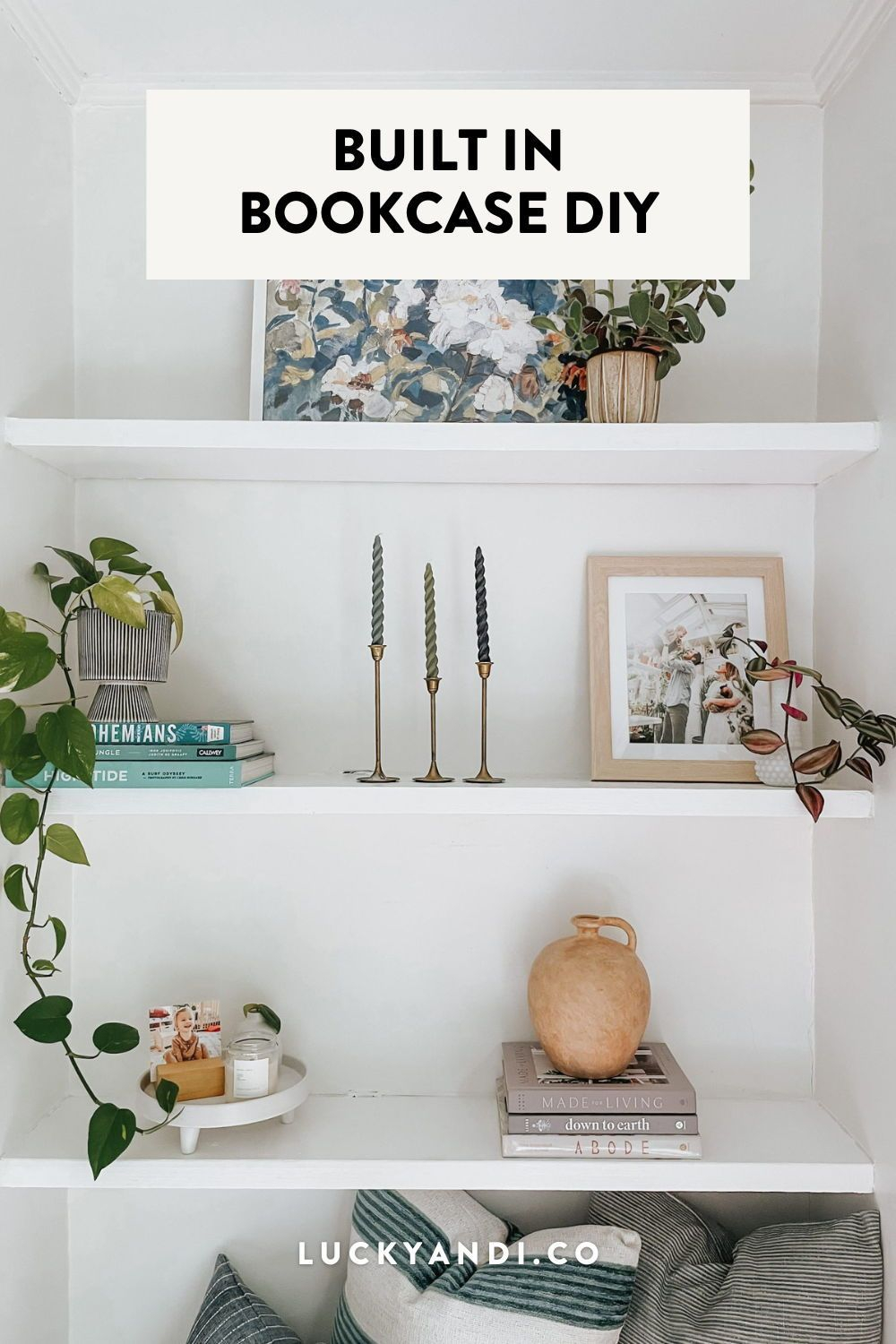
So, how do you decide? It’s not just about cash. It’s about scope. If you’re looking to fill a simple alcove with straight, rectangular shelves, that’s a very manageable DIY project. Especially if you’re painting them white. Paint hides a lot of sins. If you’re comfortable with a circular saw and a drill, you can probably pull this off. There are tons of tutorials online now that are better than ever. You can learn as you go.
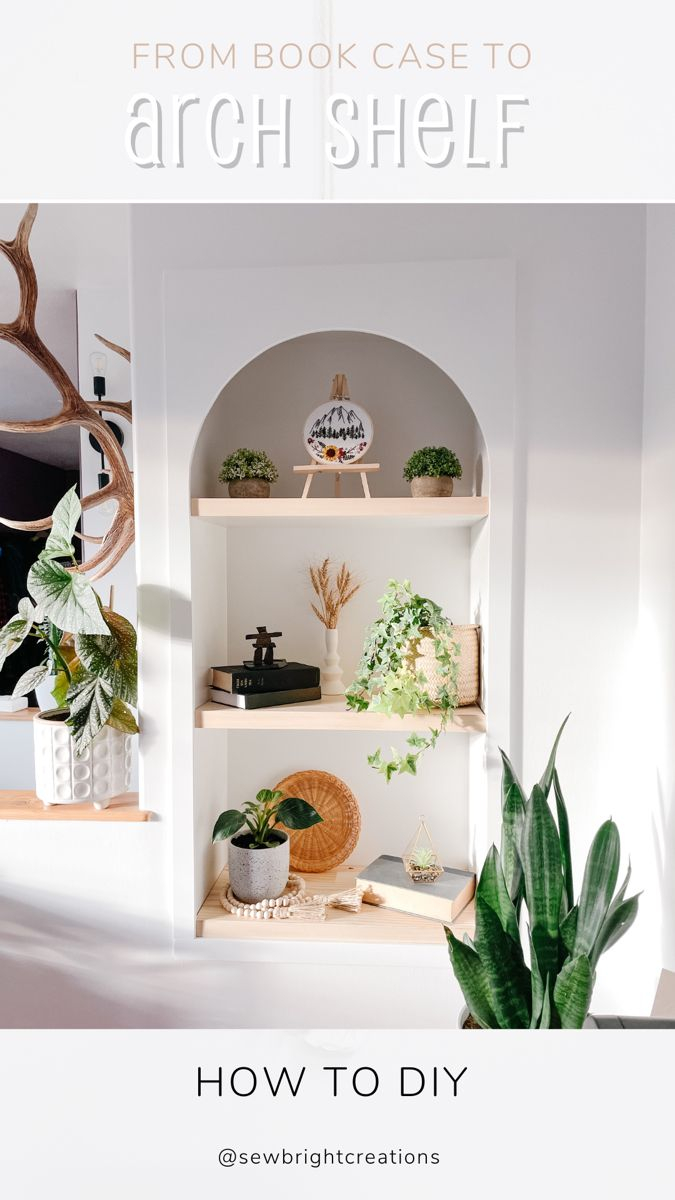
But call a pro if the design gets complex. Curved shelves? Glass inserts? Integrated LED lighting? Doors with hinges? These elements require precision that’s hard to achieve without specialized jigs and experience. If your walls are significantly out of plumb (more than an inch over eight feet), a pro will know how to shim and adjust so the unit looks built-in, not slapped on. If you’re dealing with a fireplace surround or working around electrical outlets and vents, the safety risks and complexity jump up. Don’t gamble with fire or electricity.
Also, consider the value of your home. If you’re in a high-end neighborhood, sloppy built-ins can stick out like a sore thumb. Buyers in that market expect perfection. A professional job adds to your resale value because it looks seamless and permanent. A shaky DIY job might raise questions for inspectors or buyers. If you’re planning to stay in your home for ten years, maybe the DIY charm is fine. If you’re selling in two, play it safe and hire out. It’s an investment in your equity.
At the end of the day, the "real" cost isn’t just the number on the receipt. It’s the value you get back. A pro-built unit offers consistency, speed, and a finish that feels luxurious. It’s turnkey. You point, they build, you enjoy. For busy professionals or anyone who dreads the idea of weekend labor, that convenience is worth the $3,000 or $4,000 price tag. It’s buying back your time and avoiding stress.
DIY, on the other hand, offers pride and customization control. You build it exactly how you want it. Maybe you add a secret compartment. Maybe you use reclaimed wood from your grandfather’s barn. That story has value. And if you’re on a tight budget, DIY is the only way to get built-ins without going into debt. Just be honest with yourself about your skill level. Don’t bite off more than you can chew. Start small. Maybe build one section and see how it goes.
In 2026, both paths are valid. There’s no shame in hiring help, and there’s no badge of honor for suffering through a bad DIY job. Look at your bank account, look at your calendar, and look at your patience. If you have more money than time, hire a pro. If you have more time than money, grab your saw. Either way, you’ll end up with shelves that hold your stories. And isn’t that what it’s all about? Just make sure they’re level. Seriously. Check the level.