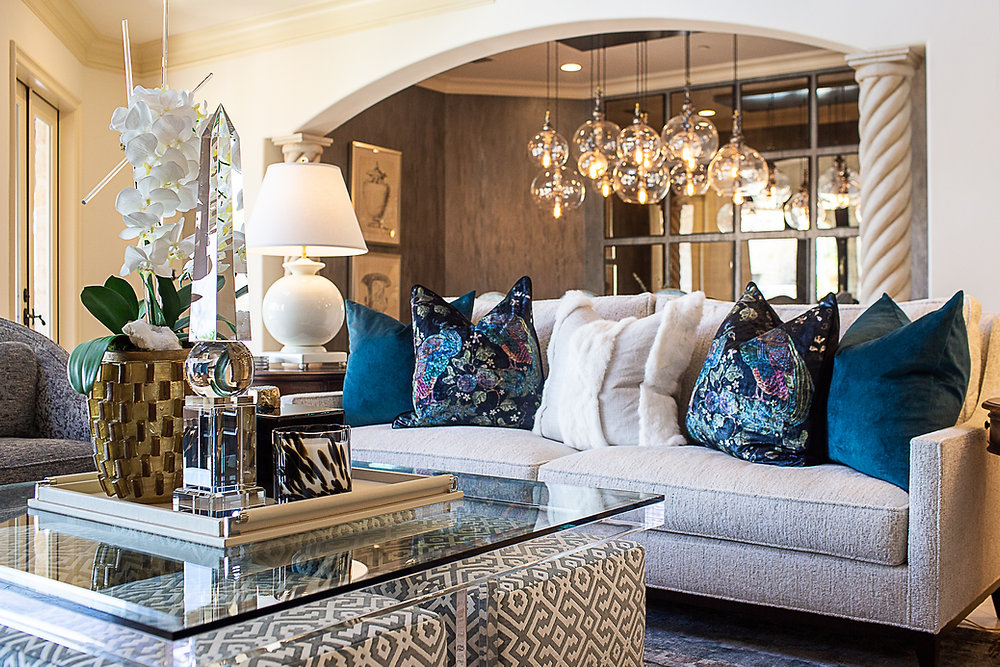
Ever walked into a room that felt… off? Maybe it was too cold, like a showroom you weren’t allowed to touch. Or maybe it was so cluttered with "charming" knick-knacks that you couldn’t find a place to rest your eyes. We’ve all been there. It’s that weird tension between wanting a home that feels lived-in and cozy, but also clean and current. You don’t have to pick a side. In fact, the most interesting homes today are the ones that refuse to choose.
The magic happens in the middle. It’s about taking the soul of the old world—the creaky floorboards, the rough-hewn beams, the sense of history—and pairing it with the clarity of modern design. Think crisp lines, smart technology, and uncluttered spaces. When you get this balance right, your home doesn’t just look good. It feels like a hug that also happens to be really stylish. Let’s dig into how you can make this work in your own space, without it feeling like a chaotic mashup of two different eras.
The Foundation: Getting Your Color Palette Right
Start with the walls. This is where most people stumble. If you go too beige and brown, you end up in a cabin from the 1990s. Go too stark white and gray, and you’re living in a sterile office box. The secret sauce for 2026 is warmth. We are seeing a huge shift away from those cool, clinical grays that dominated the last decade. Instead, think warm whites, soft creams, and earthy tones that act as a neutral canvas. These colors let both the rustic wood and the modern metal shine without fighting for attention.
Try layering your neutrals. Don’t just paint everything one shade of white. Use a creamy off-white on the walls, a slightly darker taupe on the trim, and maybe a deep charcoal or navy for an accent wall or cabinetry. This creates depth. It makes the room feel expansive yet grounded. When your background is subtle and cohesive, you give yourself the freedom to play with textures later on. It’s like setting the stage before the actors come out. If the stage is messy, no matter how good the actors are, the play feels chaotic.
Also, consider the light. Natural light changes how these colors look throughout the day. A warm white might look yellow in the morning sun but crisp and clean in the afternoon. Test your paints. Seriously, put big swatches on different walls and watch them for a few days. It sounds tedious, but it saves you from repainting later. The goal is a backdrop that feels airy and open, allowing the heavier rustic elements to stand out as features, not burdens.
Texture Talk: Mixing Rough and Smooth
Here is where the personality comes in. Rustic design is all about texture you can feel. Think reclaimed wood with its knots and grain, rough stone, woven baskets, and linen fabrics. Contemporary design, on the other hand, loves smooth surfaces. Glass, polished metal, sleek leather, and high-gloss finishes. The thrill of this style is putting these opposites next to each other. Imagine a buttery smooth, modern leather sofa sitting on a jute rug. Or a sleek, glass-top dining table surrounded by chairs made of weathered oak.
Don’t be afraid of contrast. In fact, lean into it. If you have a beautiful, exposed brick wall (very rustic), balance it with a ultra-modern, minimalist lighting fixture hanging above. The roughness of the brick makes the sleekness of the light look even more refined. Conversely, the clean lines of the light prevent the brick from feeling too heavy or dark. It’s a visual conversation. One element asks a question, and the other answers it. Without that back-and-forth, the room falls flat.
Pay attention to the details, too. A modern kitchen with flat-panel cabinets can feel a bit cold. Add open shelving made from raw, unfinished wood. Suddenly, it has soul. Or take a rustic farmhouse table and pair it with contemporary acrylic chairs. The transparency of the acrylic keeps the space feeling open, while the wood table anchors it. It’s about finding those touchpoints where the eye travels from the old to the new seamlessly. You want your guests to run their hands along the surfaces and feel the difference. That tactile experience is what makes a home memorable.
Furniture Choices: The Anchor and The Accent
Furniture is the biggest investment, so it’s worth getting this mix right. A good rule of thumb? Pick one style to be the dominant vibe and the other to be the accent. For most living rooms, it works well to have a large, comfortable, modern sectional sofa as the anchor. It’s clean, low-profile, and invites lounging. Then, bring in the rustic charm with side tables, coffee tables, or a statement armchair. Maybe it’s a trunk from a flea market used as a coffee table, or a wooden chair with a faded finish.
Avoid buying matching sets. That’s the quickest way to kill the vibe. If you buy a bedroom set where the bed, nightstands, and dresser are all the same distressed wood, it looks like a catalog page from twenty years ago. Instead, buy a modern platform bed with simple lines. Then, find two different nightstands. One could be a vintage wooden crate on legs, and the other a sleek, floating metal shelf. They don’t have to match each other, they just have to match the feeling of the room. This eclectic approach feels curated, not purchased.
Scale matters too. Rustic furniture tends to be bulky and heavy. Modern furniture is often lighter and visually smaller. If you fill a room with only heavy, rustic pieces, it will feel cramped. If you only use spindly modern pieces, it might feel insubstantial. Mix a heavy wooden armoire with a delicate, modern floor lamp. The visual weight balances out. It creates a rhythm in the room that keeps your eyes moving. You want variety in height and mass. Think of it like composing a song; you need bass notes and treble notes to make it interesting.
Lighting: The Jewelry of Your Home
Lighting is often an afterthought, but it’s actually the jewelry of your home. It’s the perfect place to blend styles because fixtures are small enough to be bold without overwhelming the space. In a rustic-modern home, you want lighting that acts as a sculpture. Look for fixtures that combine materials. A chandelier made of black iron (rustic) with clean, geometric shapes (modern) is a classic winner. Or consider pendant lights over a kitchen island that mix brass fittings with concrete shades.
Layer your lighting. Never rely on just one overhead light. That’s harsh and unflattering. Use a mix of ambient, task, and accent lighting. Recessed lighting (modern and invisible) provides the general glow. Then, add floor lamps with linen shades (soft and rustic) in the corners. Use under-cabinet lighting in the kitchen for tasks. This layering creates pools of light that make the room feel cozy and intimate, rather than lit up like a soccer field. It highlights the textures we talked about earlier, casting shadows that bring out the grain in the wood and the sheen on the metal.
Don’t forget the bulbs. The color temperature of your light bulbs changes everything. Stick to warm white bulbs (around 2700K to 3000K). Cool white bulbs can make rustic wood look gray and dead, and modern metals look cheap. Warm light enhances the natural tones in wood and stone, making them look richer. It also makes skin tones look better, which is nice when you’re hosting friends. It’s a small detail, but it makes a massive difference in how welcoming your home feels at night.
Architectural Details: Framing the Space
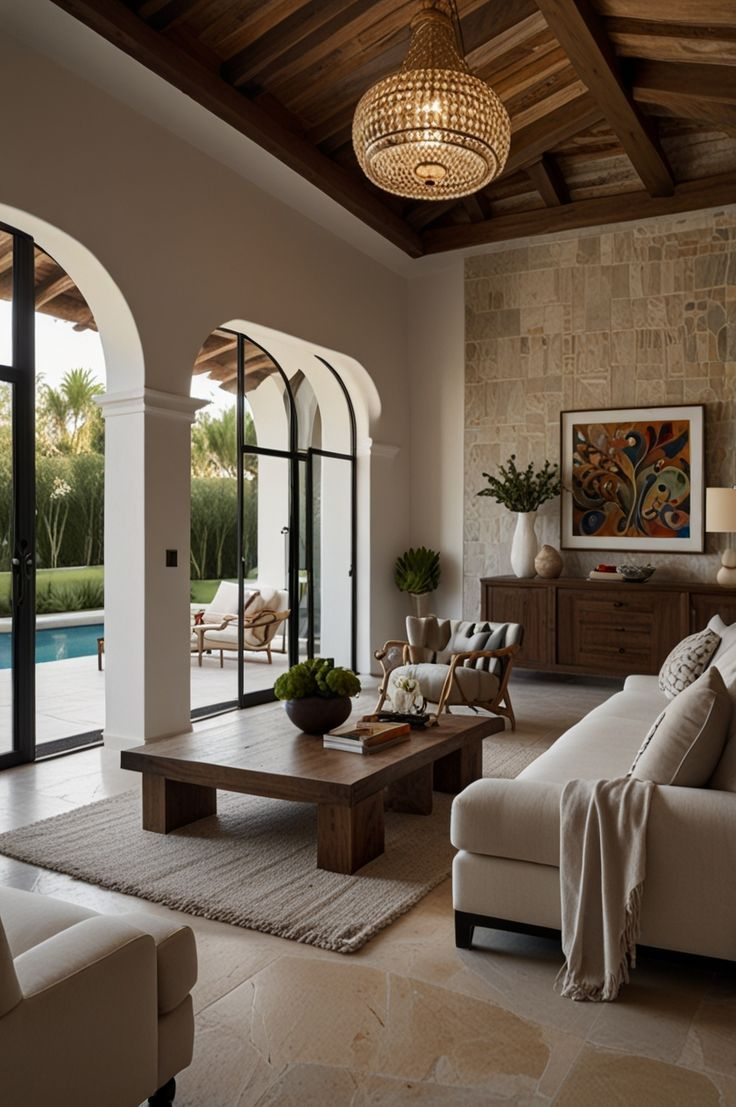
You don’t always need to buy new stuff to change the feel of a room. Sometimes, it’s about the bones of the house. If you’re renovating or building, think about how you frame your spaces. Arched doorways are having a huge moment in 2026. They soften the hard lines of modern architecture. Framing an arch with natural wood trim brings that rustic warmth right into the structure. It’s a subtle nod to traditional craftsmanship but executed with clean, modern precision.
Windows are another key player. Large, black-framed windows are very contemporary. They provide a sharp, graphic outline against the landscape. But if you pair them with interior wooden shutters or simple, natural fiber curtains, you bridge the gap. The black frame says "modern," while the wood or linen says "home." It’s that juxtaposition again. Even something as simple as baseboards can make a difference. Skip the ornate, tall molding of the past. Go for simple, clean profiles, but maybe stain them to match your floors instead of painting them white. It grounds the room.
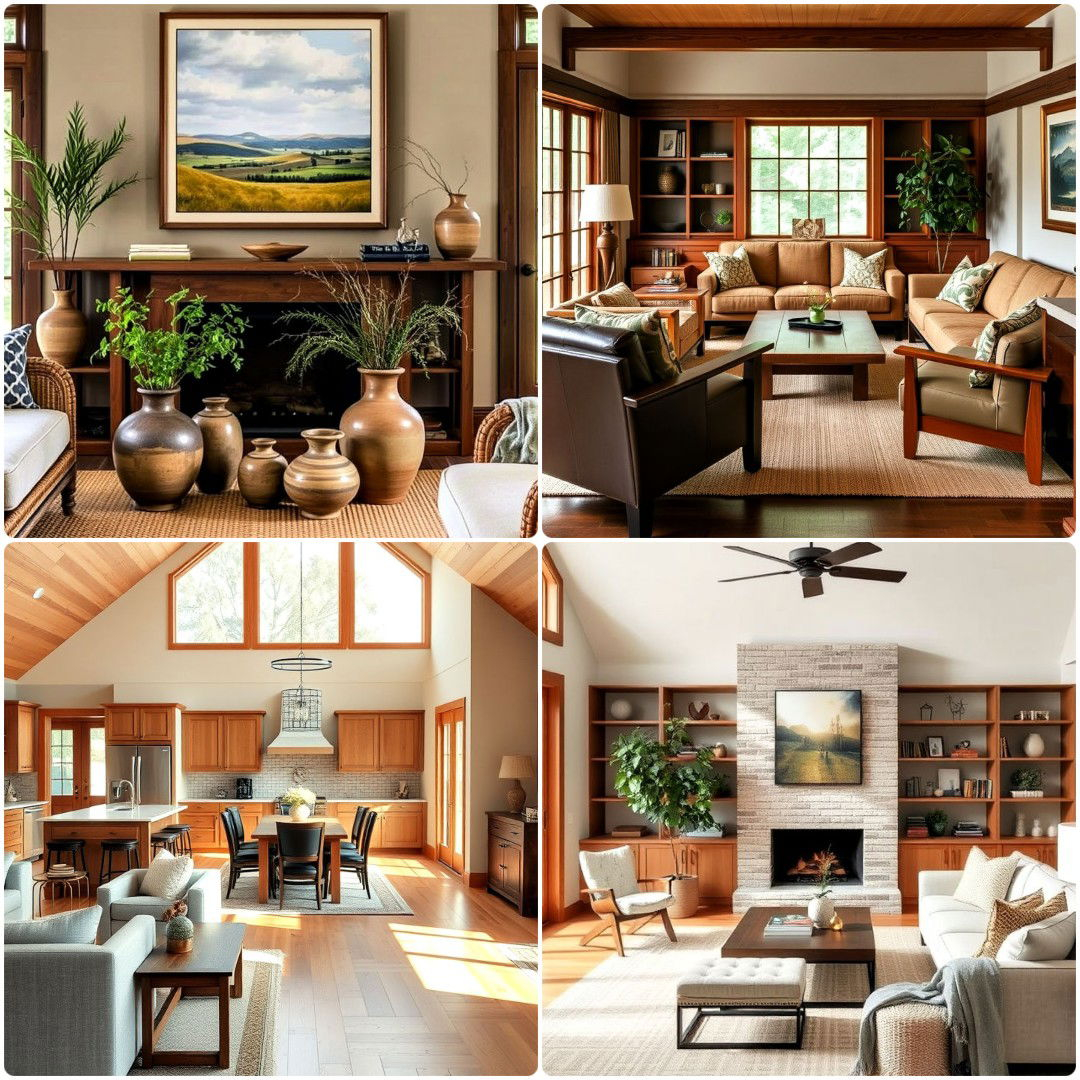
Ceilings are often ignored, but they are the fifth wall. Exposed beams are the quintessential rustic element. But in a modern context, keep them simple. Don’t distress them too much. Let the wood speak for itself. If you don’t have real beams, you can add faux ones, but make sure they are spaced evenly and installed with precision. Sloppy installation screams "fake." Pair those beams with a sleek, flush-mount ceiling fan or a modern track lighting system. The ceiling becomes a feature, drawing the eye up and making the room feel larger and more connected.
This is the fun part. Accessories are where you show your personality. But beware: this is also where things can get cluttered fast. The modern side of this style demands editing. Be ruthless. If an item doesn’t spark joy or serve a purpose, let it go. Display a few meaningful rustic items—a vintage pitcher, an old wooden bowl, a collection of antique tools—but give them space to breathe. Don’t crowd them on a shelf. Let each piece be a star.
Art is a great way to tie the room together. A large, abstract modern painting in bold colors can look incredible above a rustic fireplace mantel. The contrast between the raw stone and the refined canvas is striking. Or, hang a collection of black-and-white photographs in simple, thin black frames. The monochrome palette keeps it modern, while the subject matter can be rustic—landscapes, old farms, nature scenes. It connects the two worlds visually. Mirrors are also powerful. A large, round mirror with a rustic wood frame can brighten a dark corner and reflect the modern elements across the room, doubling the impact.
Plants are non-negotiable. They bring life and organic shape into any space. A fiddle leaf fig in a sleek, white ceramic pot is a perfect example of this blend. The plant is wild and natural; the pot is clean and modern. Place greenery in unexpected spots—on a industrial metal shelf, or in a woven basket on the floor. They soften the hard edges of modern furniture and add a pop of color that feels natural, not forced. Remember, your home should evolve. Don’t feel like you need to finish it all at once. Let it grow as you find pieces that speak to you.
Blending rustic charm with contemporary elegance isn’t about following a strict rulebook. It’s about feeling. It’s about creating a space that honors the past while living fully in the present. It takes a bit of courage to mix that old, battered cabinet with your shiny new tech setup. But when you do, you create a home that has depth. A home that tells a story. Your story. So, start small. Swap out a lamp. Paint a wall. Move a chair. See how it feels. Trust your instincts. After all, it’s your sanctuary. Make it yours.