
You’ve probably seen them lately. Maybe hanging in a friend’s minimalist apartment, draped over a vintage chair in a coffee shop, or scrolling past on your feed. Big, textured, colorful woven walls. Tapestries. For a long time, if you mentioned "tapestry," people thought of two things: heavy, dark scenes of hunters and unicorns in castles, or those thin, printed polyester sheets hung in college dorms in the 90s. But something has shifted. The vibe is different now. It’s warmer. More intentional.
We are living through a genuine renaissance of this ancient craft. But here’s the thing most people miss: this isn’t just a random cycle of fashion coming back around. It’s not just because "maximalism" is trending again. There is a deep, hidden history here that connects the post-war art world of France to the digital screens we stare at every day in 2026. It’s a story about how artists fought to save a dying craft, how technology almost killed it, and then—ironically—how technology saved it again.
Let’s pull on that thread. Because understanding where these woven pieces come from changes how you see them. They aren’t just decor. They are survivors. And they have a lot to say about why we crave texture and slowness in our increasingly flat, digital lives.
The Mid-Century Rebellion That Saved the Loom
To understand why tapestries matter today, we have to go back to the 1950s. Specifically, to France. By the early 20th century, tapestry making was basically on life support. It was too expensive. Too slow. The industrial revolution had churned out cheap fabrics, and the idea of spending months weaving a single wall hanging seemed absurd to most people. The great workshops of Europe were quiet. The skill was fading.
Enter Jean Lurçat. If you haven’t heard his name, you should have. He was an artist who looked at the declining state of tapestry and decided it needed a radical reboot. He didn’t want to just copy old paintings onto wool—that was the old way, and it was boring. Lurçat wanted tapestry to be its own thing. A modern art form. He simplified the designs. He used bold colors. He worked directly with the weavers, treating them as collaborators, not just factory workers.
This wasn’t just about making pretty pictures. It was a philosophical move. As noted by researchers at the Bard Graduate Center, tapestry became a way for modernists to prove that "modern art" could have weight and history. It helped weave modernism into the postwar society. Lurçat’s passion sparked a movement. Suddenly, tapestry wasn’t a relic. It was contemporary. It was fresh. This mid-century revival laid the groundwork for everything we see today. Without Lurçat and his peers pushing for tapestry to be taken seriously as art, not just craft, we might not have the respect for the medium that exists in 2026.
From Prestige Symbol to Bohemian Staple
Fast forward a few decades. The high-art status Lurçat fought for didn’t exactly trickle down to the average home immediately. Instead, tapestry took a weird detour. By the 1960s and 70s, it became a symbol of counter-culture. You know the look. Macramé owls. Psychedelic prints. Thin, mass-produced wall hangings that cost five dollars.
This era is often mocked now, but it played a crucial role. It democratized the idea of putting textiles on walls. Before this, tapestries were for kings and museums. After this, they were for everyone. Sure, the quality dropped. The "substantial, richly woven textiles" were replaced by flimsy prints. But the habit stuck. People got used to the idea that a wall could be soft. That a room could have a focal point that wasn’t a painting or a photo.
However, this period also created a stigma. For a long time, serious interior designers turned their noses up at tapestries. They were seen as cheap. Cluttery. Dorm-room aesthetics. It took a long time to shake off that reputation. But if you look closely at the evolution of tapestry trends, you can see it adapting. It was waiting. Biding its time. The desire for texture never really went away, even if the execution was lacking. We were craving the warmth, but we were getting the polyester version.
The Digital Catalyst: How Screens Saved Thread
Here is the twist nobody expected. The thing that really kicked off the modern revival wasn’t a new loom or a famous designer. It was the internet. Specifically, social media platforms like Instagram and Pinterest.
Think about it. Tapestry is tactile. You can’t feel a screen. So why did digital platforms fuel this analog revival? Because they solved the visibility problem. In the past, if you were a talented weaver in a small town, nobody knew you existed unless you had a gallery representation. Now? You can post a video of your loom in action. You can show the intricate details of the weave. You can connect with a global audience instantly.
As highlighted by recent analyses, digital platforms help preserve cultural heritage by sharing traditional designs with a broader community. Artists who might have given up because they couldn’t make a living are now finding buyers in Tokyo, Berlin, and New York. They are building communities. They are spurring each other on. This connectivity generated new demand for an ancient art form.
In 2026, this effect is stronger than ever. Algorithms favor content that stops the scroll. And nothing stops the scroll like watching a shuttle fly through warp threads, creating a pattern pixel by pixel. It’s satisfying. It’s hypnotic. It reminds us of the human hand behind the object. The digital world, paradoxically, made us hungry for the physical. It allowed niche crafts to become mainstream trends overnight.
Texture as Antidote to the Flat World
Why now? Why is this happening so intensely in the mid-2020s? Look around you. Our lives are incredibly flat. We work on screens. We read on screens. We talk on screens. Everything is smooth, glass, and light. There is no friction. No depth.
Tapestry offers the opposite. It is deeply, unapologetically textured. It casts shadows. It absorbs sound. It brings a sense of historic grounding to a room. In a world that feels temporary and disposable, a hand-woven piece feels permanent. It has weight.
This is why interior designers are embracing it again. But notice the difference from the 90s. These aren’t the thin prints. As noted in recent design reports, today’s tapestries are "substantial, richly woven textiles that bring depth, artistry, and warmth to modern spaces." People are willing to pay for quality. They want the real thing. They want to know who made it. They want the imperfections.
It’s also about sustainability. The fast-furniture cycle is exhausting people. Buying a tapestry is often seen as an investment in a piece that will last decades. It blends art, history, and sustainability. It’s a rejection of the throwaway culture. When you hang a tapestry, you’re making a statement that you value slowness. You value craft. You value things that take time.
The New Wave: Contemporary Voices and Global Styles
The modern tapestry scene isn’t just repeating the past. It’s exploding with new voices. And it’s not just European anymore. While France led the mid-century revival, today’s revival is global. You see influences from Andean weaving traditions, Japanese textile arts, and West African patterns.
Artists are experimenting with materials too. It’s not just wool. You’ll find tapestries woven with recycled plastics, metallic threads, silk, and even unconventional fibers like paper or wire. The subject matter has changed as well. Instead of mythological scenes or abstract modernism, we see personal narratives. Political statements. Portraits. Landscapes that look like photographs until you get close and see the weave.
This diversity is key to the current trend. It’s not one style. It’s a confluence of art, provenance, and contemporary expression. Young artists are using tapestry to explore identity and heritage. They are reclaiming techniques that were marginalized. And because of those digital platforms we talked about, these diverse styles are cross-pollinating. A weaver in Peru might inspire a designer in Sweden. The barriers are gone.
This makes the current market vibrant. It’s not stagnant. It’s evolving every day. If you look at what’s trending in 2026, you’ll see a mix of hyper-modern geometric designs and deeply traditional storytelling pieces. Both are valid. Both are sought after. The definition of what a tapestry can be has expanded wider than ever before.
Living with Woven Art: Practical Integration
So, you’re convinced. You want a tapestry. But how do you actually live with one without it feeling like a costume party? The key is balance. Because tapestries are so textured and often colorful, they need space to breathe.
Don’t crowd them. If you have a large, statement piece, let it be the focal point of the room. Keep the surrounding furniture simple. Clean lines work well to contrast with the organic texture of the weave. Lighting is also crucial. Tapestry looks different at different times of day. Use warm lighting to enhance the depth of the fibers. Avoid harsh, direct spotlights that can flatten the texture.
And care for it. These are not posters. Dust them gently. Keep them out of direct sunlight if possible, as natural dyes can fade. Treat them with the same respect you would a painting. If you buy a hand-woven piece, learn about the artist. Know the story. That connection adds to the enjoyment. It transforms the object from a commodity into a companion.
Also, consider scale. A tiny tapestry on a huge wall gets lost. A massive one in a small room can feel overwhelming. Measure your space. Think about the proportion. And remember, it doesn’t have to be on the wall. Draping a smaller piece over a sofa or using it as a headboard can add that same warmth and depth in a more subtle way. It’s about integrating the texture into your daily life, not just displaying it.
The revival of tapestry is more than a design trend. It’s a cultural shift. It represents a collective desire to reconnect with the tangible world. To slow down. To appreciate the hours of labor that go into creating something beautiful. From Jean Lurçat’s mid-century rebellion to the digital communities of 2026, the journey of tapestry reflects our own changing relationship with art and objects.
We started by pulling on a single thread—the hidden history. But we’ve found that it connects to so much more. It connects to our need for warmth in a cold digital age. It connects to our desire for sustainability. It connects to our appreciation for diverse global voices. Tapestry has reinvented itself again and again, adapting to each era while keeping its core soul intact.
So the next time you see a woven wall hanging, look closer. See the knots. See the variations in color. See the human hand. It’s not just decoration. It’s a testament to resilience. It’s a reminder that some things are worth taking the time to weave. And in a world that moves so fast, maybe that’s exactly what we need.

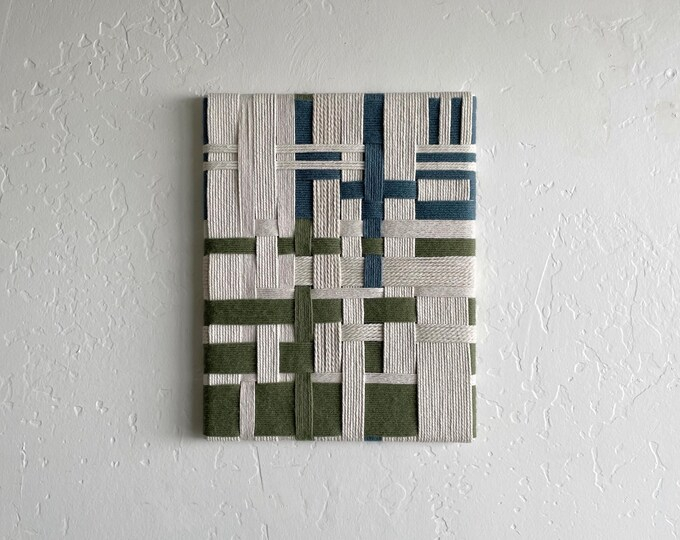
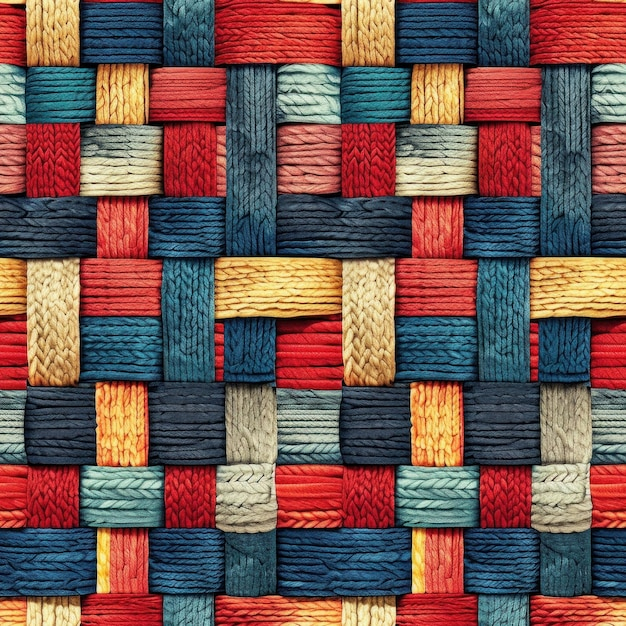
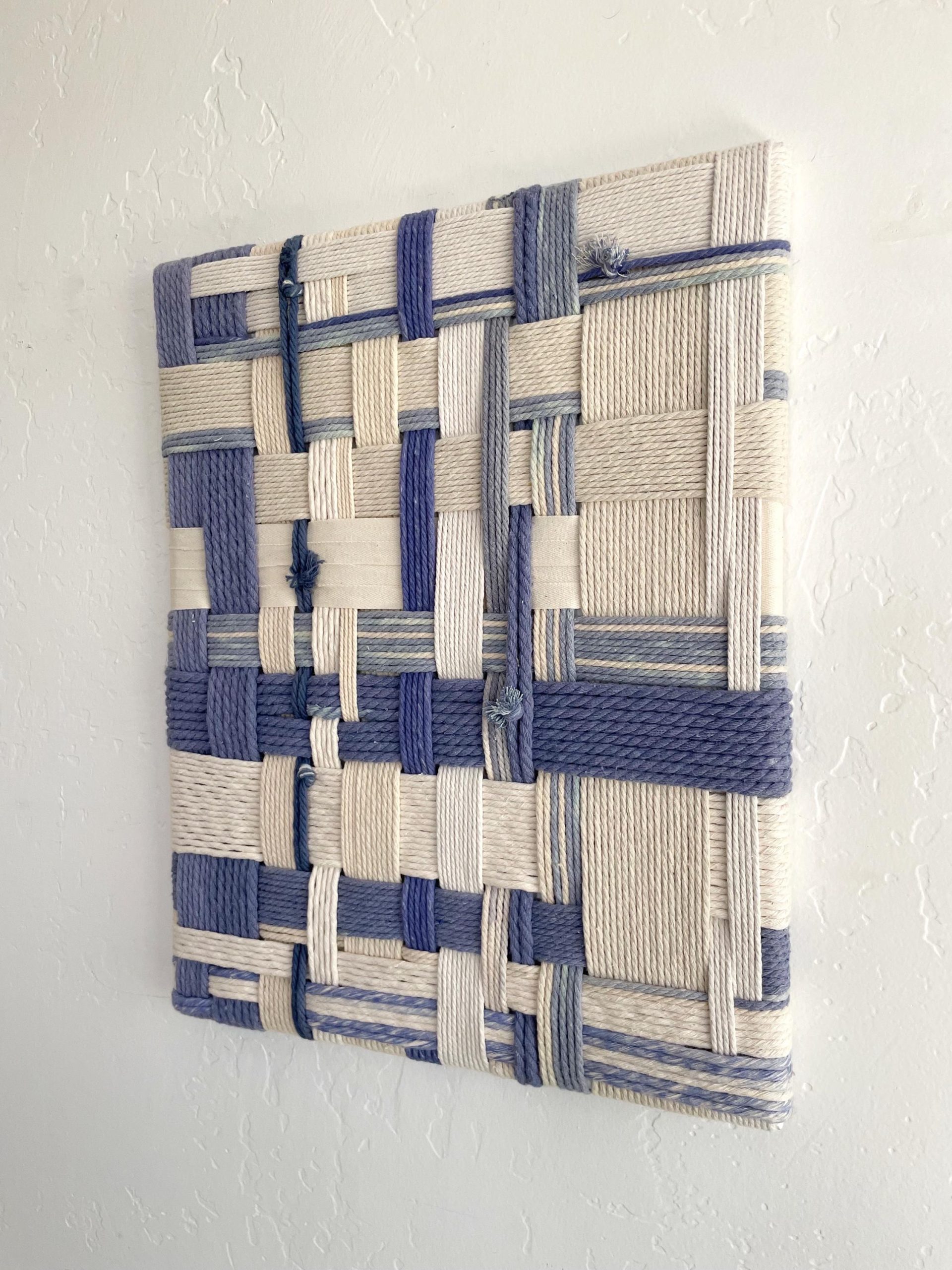
![Createhygge Woven Art [Video] | Diy Wall Art, Yarn Wall Art, Diy Canvas ... with Tapestry In Modern Interior](https://cdn.royslade.com/2026/05/createhygge-woven-art-video-diy-wall-art-yarn-wall-art-diy-canvas-with-tapestry-in-modern-interior.jpg)


![Createhygge Woven Art [Video] | Diy Wall Art, Yarn Wall Art, Diy Canvas ... with Tapestry In Modern Interior](https://cdn.royslade.com/2026/05/createhygge-woven-art-video-diy-wall-art-yarn-wall-art-diy-canvas-with-tapestry-in-modern-interior.jpg?width=992&f=jpg)


