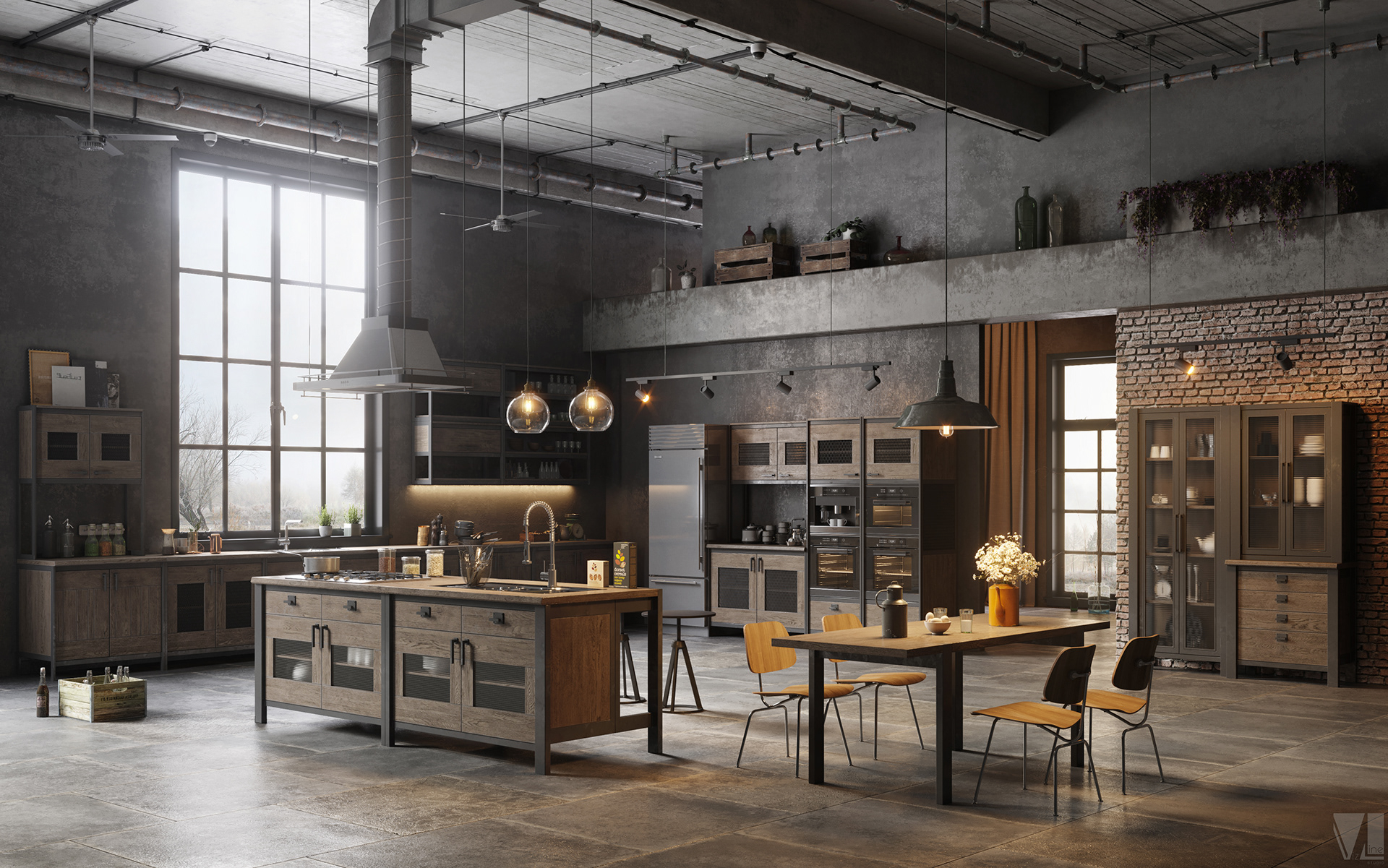
You know that feeling when you walk into a space that looks amazing in photos but feels like a hospital waiting room in person? Yeah, that’s the trap so many of us fall into with industrial design. We see those gorgeous loft apartments with exposed brick and stainless steel, and we think, "I need that." But then we get home, stare at our cold concrete countertops, and wonder where the soul went. It’s a common mistake. Industrial style borrows its DNA from warehouses and factories—places built for work, not for cuddling up with a cup of coffee.
But here’s the secret nobody tells you: industrial doesn’t have to mean cold. In 2026, the trend has shifted. It’s no longer just about looking tough or ultra-modern. It’s about authenticity. It’s about creating a space that feels bold and urban but still wraps around you like a favorite old sweater. You can have the pipes, the metal, and the raw edges without sacrificing comfort. In fact, when done right, the contrast between the rugged and the refined makes a kitchen feel more alive, more human.
So, how do you pull this off? How do you keep the edge without losing the heart? It starts with understanding that imperfection is your friend. A little knot in the wood, a slight variation in the brick, a lamp that looks like it’s seen a few things—these aren’t flaws. They’re invitations. They tell your guests, and yourself, that this is a place to live, not just a place to pose. Let’s dive into how you can build a kitchen that respects the industrial aesthetic while prioritizing the one thing that matters most: making you feel good when you’re in it.
The Foundation: Balancing Raw Materials with Softness
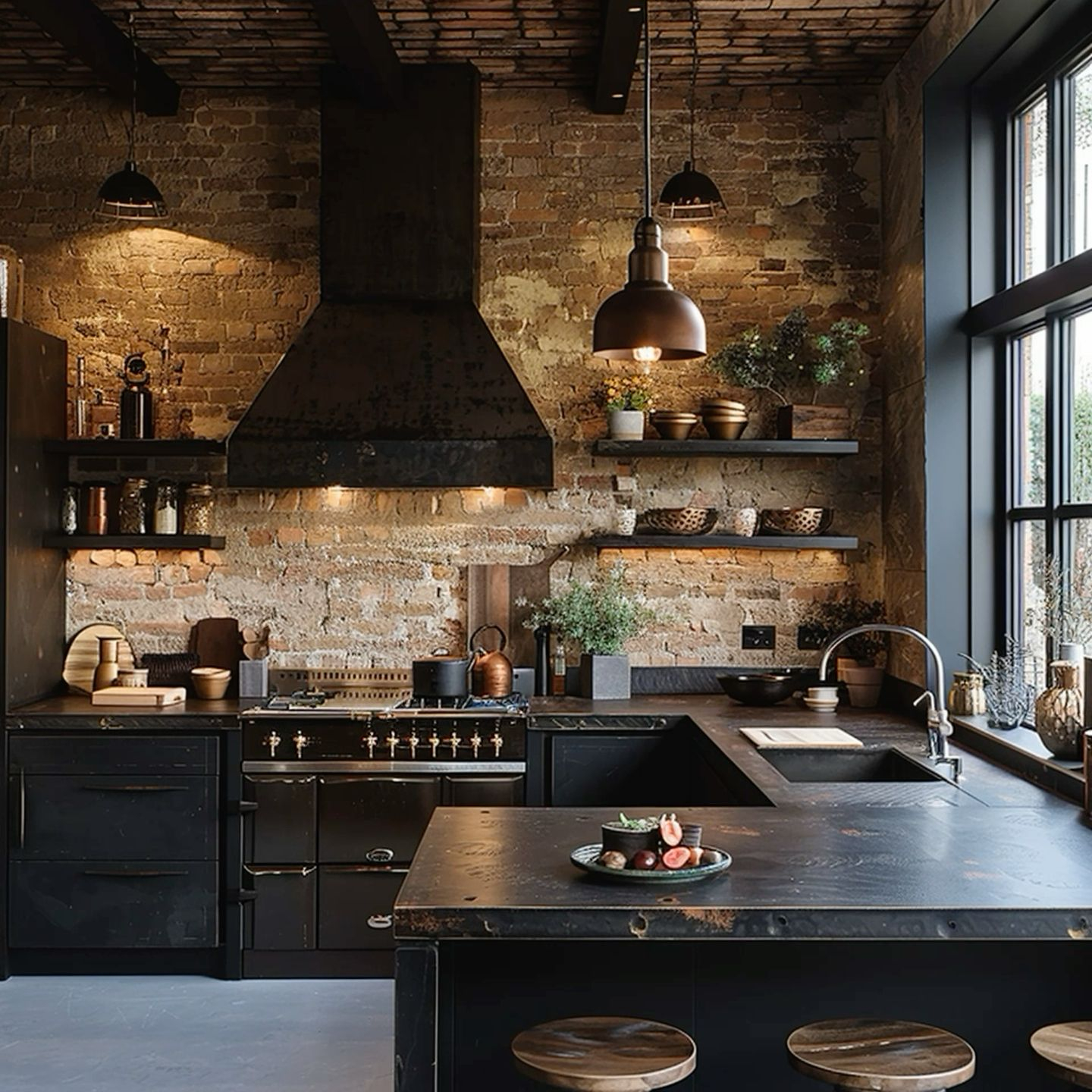
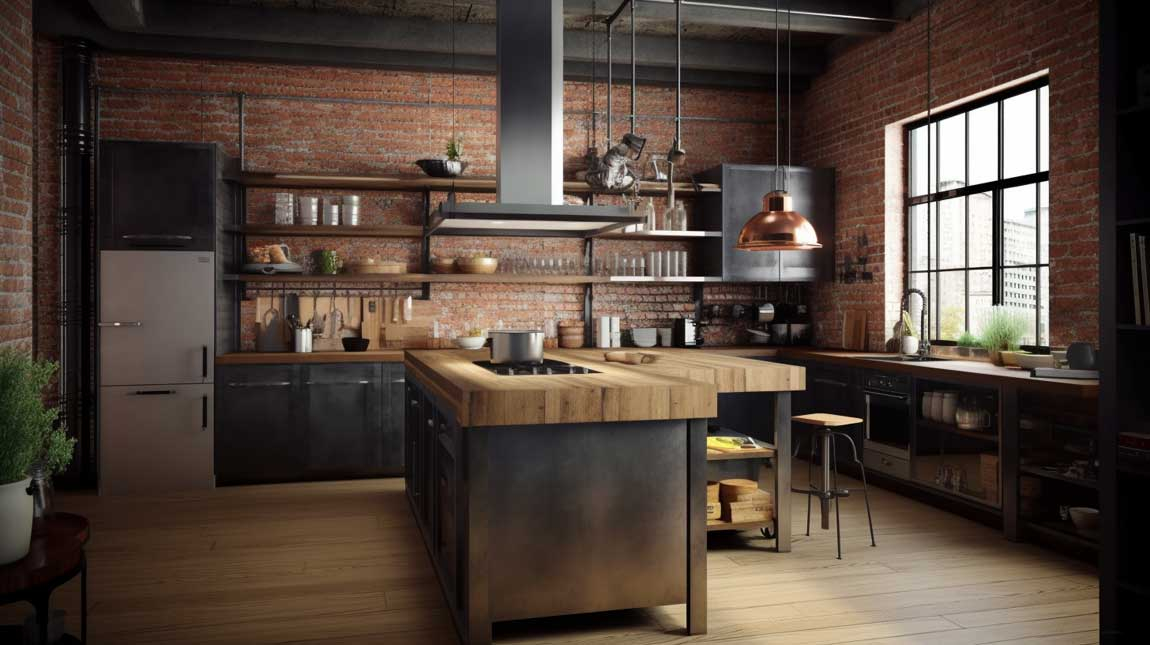
The backbone of any industrial kitchen is, well, the bones. We’re talking exposed brick, concrete floors, ductwork, and steel beams. These elements are non-negotiable if you want that authentic vibe. But here’s the thing: if you leave them bare and unadorned, you end up with a space that feels unfinished, not stylish. The trick is to soften the blow. Think of these raw materials as the canvas, not the whole painting. For instance, if you have a stunning exposed brick wall, don’t let it dominate the entire room. Pair it with something unexpected, like a plush rug in the prep area or wooden stools that have been worn smooth by time.
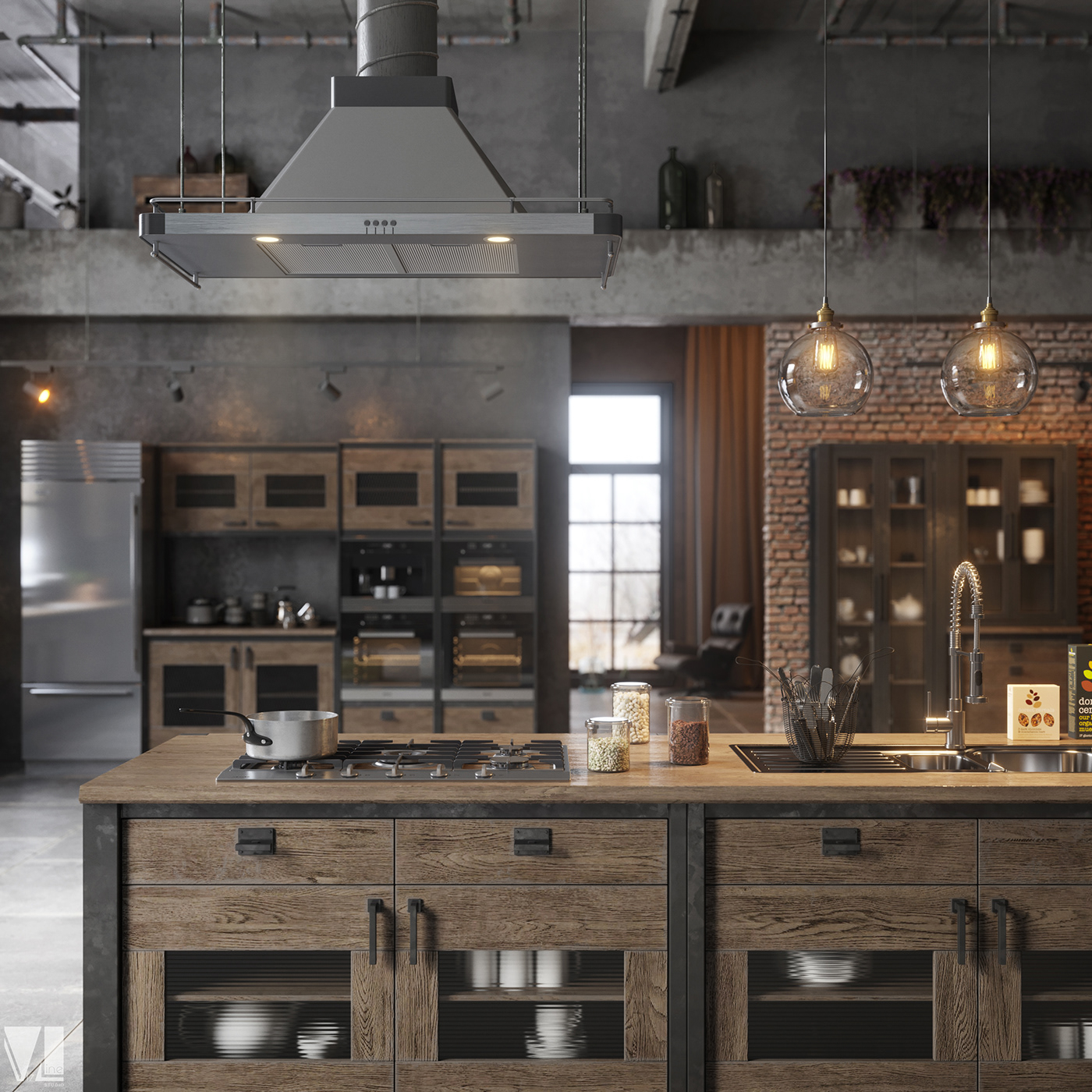
Wood is your best ally here. Specifically, reclaimed or distressed wood. As noted in recent design trends, a little imperfection in wood makes the space feel approachable. It bridges the gap between the cold hardness of metal and the warmth of a home. Imagine a heavy, solid oak island sitting atop a polished concrete floor. The contrast is immediate. The wood brings in organic warmth, while the concrete keeps it grounded and modern. You don’t need to cover every surface. Just enough to break up the visual monotony. Maybe open shelving made from rough-hewn timber instead of sleek metal racks. It adds texture and history.
And don’t forget about the textiles. This is where many people hesitate, thinking fabric doesn’t belong in a "hard" style kitchen. But a simple linen curtain over a window, or cotton towels hanging on a rail, adds a layer of softness that absorbs sound and light. It makes the room quieter, both literally and figuratively. In 2026, designers are emphasizing this blend even more. It’s about creating a sensory experience. You want the cool touch of stone under your hands, yes, but also the soft brush of fabric against your arm. It’s these small touches that turn a showroom into a sanctuary.
Lighting: The Heartbeat of the Space
Lighting can make or break an industrial kitchen. Bad lighting makes it feel like a garage. Good lighting makes it feel like a boutique hotel lobby. The key is layering. You can’t rely on a single overhead fixture, no matter how cool it looks. You need ambient light, task light, and accent light. Start with the pendant lights. These are the jewelry of the kitchen. Edison bulbs are a classic choice, but don’t stop there. Look for fixtures with brass or copper accents. As Carolyn Cerminara-Kelly, a noted design expert, suggests, weaving in brass or black touches adds significant warmth. Brass, in particular, has a golden glow that reflects light softly, counteracting the harshness of steel.
Then, consider the placement. Hang pendants lower over the island to create an intimate zone. This draws the eye down and makes the space feel cozier. Use under-cabinet lighting to illuminate your workspace, but choose warm-white bulbs (around 2700K to 3000K). Avoid the blue-tinted daylight bulbs unless you’re doing detailed color-matching work. They kill the vibe. Instead, opt for LED strips hidden in alcoves or behind shelves to create a gentle glow that highlights textures without glaring.
Don’t be afraid to mix metals, either. If your faucet is matte black, try brass pendant lights. The contrast creates visual interest and prevents the room from feeling too monochromatic. And remember, dimmers are your best friend. Being able to lower the lights in the evening transforms the kitchen from a workspace to a gathering spot. It’s a simple switch, literally, but it changes everything. In the evening, you want shadows and pools of light, not uniform brightness. It encourages conversation and relaxation.
Color Palette: Beyond Gray and Black
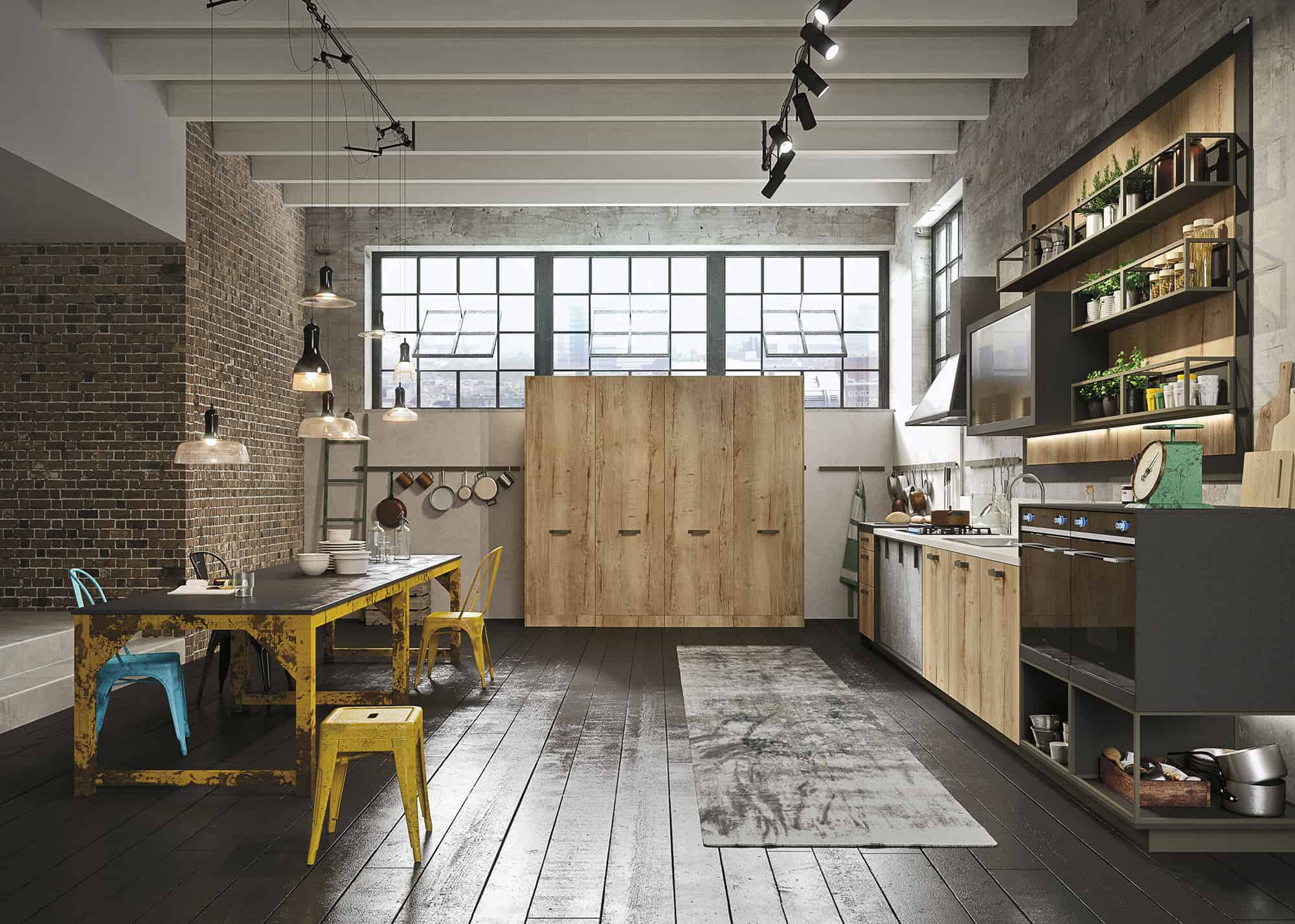
When people think industrial, they think gray, black, and white. And sure, that’s the foundation. But living in a monochrome box gets depressing fast. To make the space inviting, you need to introduce depth and subtle color. This doesn’t mean painting the walls bright yellow. It means choosing tones that have warmth baked into them. Think terracotta, deep olive green, or muted navy. These colors pair beautifully with raw materials. A backsplash in handmade zellige tiles in a soft sage green, for example, adds a pop of color that feels organic and calming.
Texture plays a huge role in color perception, too. A flat gray paint looks different than a limewash finish. Limewash has movement and variation, catching the light in different ways throughout the day. It feels alive. Similarly, consider the color of your wood tones. Walnut is richer and darker, adding a sense of luxury and warmth. Oak is lighter and airier, keeping the space feeling open. Mixing these tones can create a dynamic yet cohesive look.
Also, don’t overlook the power of white. But not sterile, clinical white. Choose warm whites with creamy or beige undertones. Use these on cabinets or walls to reflect light and keep the space from feeling cave-like. The goal is balance. If you have dark floors and black fixtures, lighten up the upper half of the room. If you have white cabinets, ground the space with darker elements. It’s about creating a visual rhythm that guides the eye comfortably around the room. In 2026, we’re seeing a move towards "earthy industrial," where natural pigments and mineral-based paints are used to soften the hard edges of the style.
Furniture and Fixtures: Function Meets Comfort
Industrial design is rooted in function. Everything should have a purpose. But function doesn’t have to mean uncomfortable. When selecting furniture, look for pieces that are sturdy but inviting. A farmhouse table with metal legs is a perfect example. It’s robust enough for daily use but has a communal feel that encourages gathering. Chairs should be comfortable. Don’t sacrifice ergonomics for aesthetics. Look for seats with cushioning or curved backs. Leather is a great material here—it ages beautifully, developing a patina that adds character over time.
Open shelving is a hallmark of industrial kitchens, but it can feel chaotic if not managed well. Keep it curated. Display items that are both useful and beautiful. Ceramic bowls, wooden cutting boards, glass jars with dry goods. This adds a personal touch and breaks up the visual weight of the cabinetry. It also makes the kitchen feel lived-in. Avoid clutter, though. The industrial aesthetic thrives on minimalism, but it’s a warm minimalism. Every item should earn its place.
Fixtures like faucets and hardware are the details that tie everything together. Matte black is popular, but brushed gold or aged bronze offers a softer alternative. Consider the tactile experience. How does the handle feel in your hand? Is it smooth? Heavy? These small interactions add up. Also, think about the sink. A deep, apron-front sink in fireclay or composite granite is not only practical but adds a substantial, comforting presence to the counter. It’s a place to wash vegetables, chat with family, and pause for a moment. Make it a focal point.
Integrating Greenery and Life
One of the fastest ways to kill the coldness of an industrial space is to bring in nature. Plants are essential. They add color, life, and a sense of freshness that contrasts beautifully with metal and stone. Herbs are particularly perfect for a kitchen. Grow basil, rosemary, and thyme in pots on the windowsill or on a dedicated shelf. Not only do they smell amazing, but they also connect you to the process of cooking. Seeing something grow reminds you that this is a place of creation and nourishment.
Larger plants can anchor corners or fill empty spaces. A fiddle leaf fig or a monstera in a concrete or terracotta pot adds height and drama. The organic shapes of leaves soften the straight lines of cabinetry and appliances. It’s a biological imperative; humans are drawn to nature. Biophilic design principles are huge in 2026, and integrating them into an industrial kitchen is easier than you think. You don’t need a jungle. Just a few well-placed greens can change the entire atmosphere.
Also, consider natural materials beyond wood. Stone, clay, linen, wool. These materials have inherent warmth because they come from the earth. A wool runner on the floor, a clay vase on the counter, a stone mortar and pestle. These objects carry energy and history. They remind us of the natural world, even in the most urban of settings. They ground the space. When you combine these with the manufactured elements of industrial design, you create a harmony that feels balanced and complete. It’s not just about looking good; it’s about feeling good.
Finally, an industrial kitchen needs your signature. Without it, it’s just a set. Add art that speaks to you. Maybe a vintage poster, a black-and-white photograph, or a piece of abstract metal sculpture. Art adds personality and breaks up the surfaces. It gives the eye somewhere to rest. Don’t be afraid to mix eras. An antique clock on a modern wall, or a mid-century chair at a contemporary table. These juxtapositions create interest and tell a story.
Display your collections. Do you love vintage cookbooks? Stack them on a shelf. Collect ceramic mugs? Hang them on hooks. These items are conversation starters. They show who you are. Industrial design is often associated with masculinity, but that’s a outdated view. It’s actually quite neutral. It’s a blank slate that allows for immense personal expression. Whether you’re minimalist or maximalist, the industrial framework can support it. The key is intentionality. Every item should feel like it belongs.
And don’t forget the smells and sounds. A kitchen is a multisensory experience. Play music while you cook. Light a candle with a warm scent like sandalwood or vanilla. These subtle cues signal to your brain that this is a safe, happy place. In 2026, we’re recognizing that home design is deeply tied to mental well-being. Your kitchen should be a refuge. It should energize you in the morning and calm you in the evening. By adding your personal touches, you transform a style into a home.
So, there you have it. Designing an industrial chic kitchen that feels inviting isn’t about following a strict rulebook. It’s about balancing opposites. Hard and soft. Cold and warm. Modern and vintage. It’s about embracing imperfection and celebrating authenticity. When you get it right, you don’t just have a trendy kitchen. You have a space that supports your life, inspires your creativity, and welcomes your loved ones. And isn’t that what a home is supposed to be? Go ahead, mix that brass with the black. Hang those plants. Sit down and stay awhile. You’ve earned it.