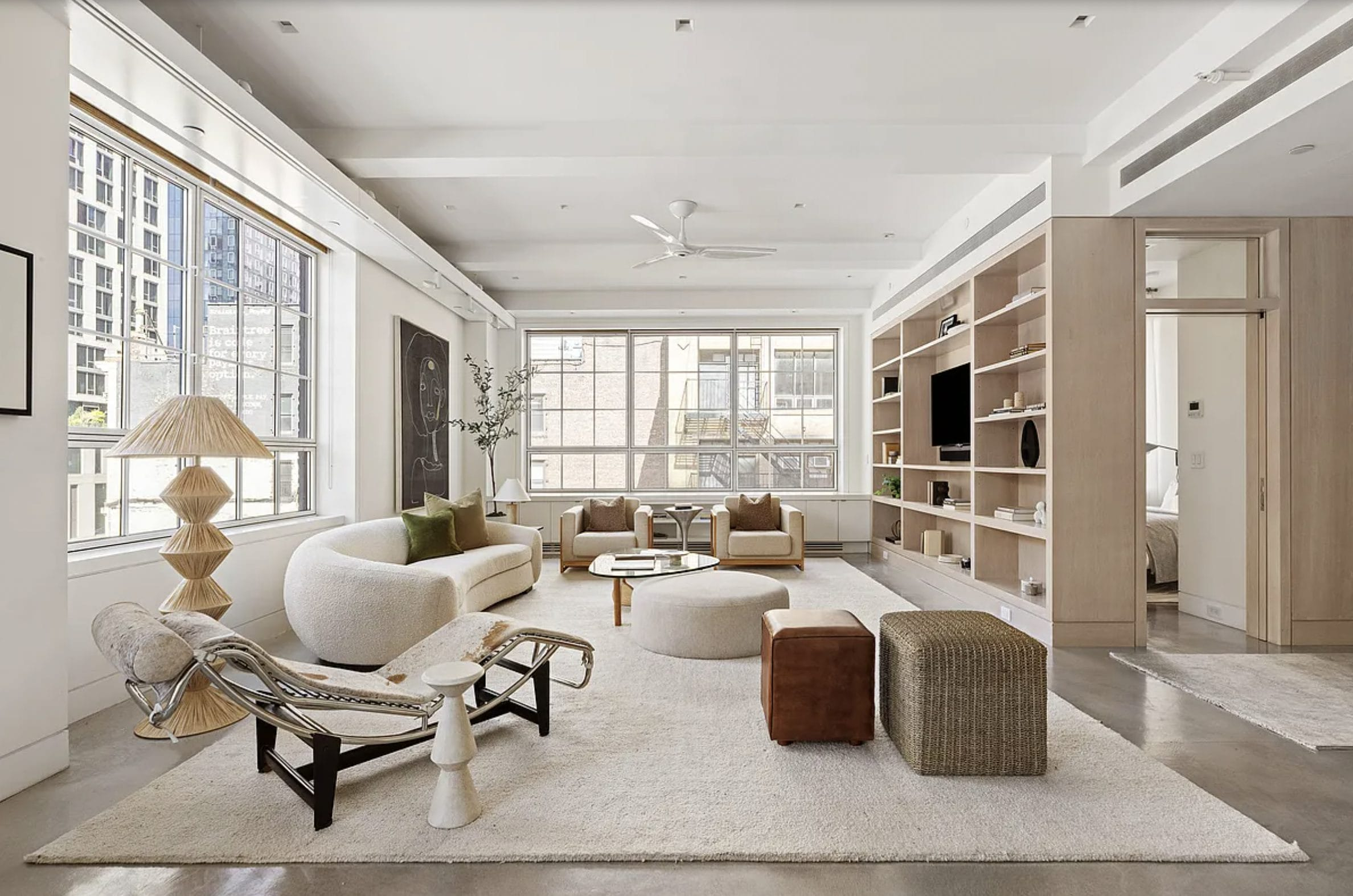
Remember when your front door was just a barrier between you and the outside world? It used to be simple. You walked in, kicked off your shoes, and maybe collapsed on the couch. But lately, have you noticed something shifting? The air feels different. The stakes feel higher. In 2026, our homes aren’t just boxes we sleep in. They’ve morphed into gyms, offices, spas, and therapy rooms all rolled into one. It’s a lot of pressure for four walls to handle, isn’t it?
That’s where the Zenith Trend comes in. You might have heard the term tossed around in design magazines or seen it hashtagged on social feeds. It’s not just another fleeting aesthetic like "millennial gray" or "farmhouse chic." This is deeper. It’s about reaching the peak—zenith—of how a space can support your mental and physical health. It’s the new standard for mindful living. And honestly? It’s about time. We’re done with spaces that look good but feel empty. We want homes that hug us back.
Defining the Zenith: More Than Just Minimalism
So, what exactly is this Zenith Trend? If you think it’s just about having less stuff, you’re missing half the picture. Sure, clutter is out. But the Zenith approach isn’t about sterile emptiness. It’s about intentional fullness. It’s filling your space with things that actually matter. Think of it as curating your life rather than just decorating a room. In recent years, specifically leading up to 2026, we’ve seen a massive shift away from fast furniture and toward pieces that have a story, a texture, or a purpose.
The core idea here is presence. When you walk into a Zenith-inspired home, you’re forced to slow down. The design demands it. It’s not loud. It doesn’t scream for attention with neon signs or chaotic patterns. Instead, it whispers. It invites you to sit, to breathe, to notice the way the light hits the floorboards in the afternoon. This trend blends the ancient philosophy of Zen—which focuses on meditation and intuition—with modern wellness needs. It’s a hybrid. It takes the calm of a Japanese tea house and mixes it with the ergonomic comfort of a modern sanctuary.
It’s also deeply personal. There’s no one-size-fits-all template. For some, the zenith of comfort might be a plush, oversized reading nook buried in blankets. For others, it’s a stark, clean desk facing a window with a view of the sky. The common thread? Intentionality. Every object, every color, every shadow is there because it serves your well-being. It’s not about impressing guests. It’s about sustaining you.
The Palette of Calm: Colors and Textures That Heal
Let’s talk about what this actually looks like. If you’re planning a refresh, you might be tempted to go all white. But the 2026 data suggests we’re moving past clinical whites. The Zenith palette is warmer. It’s earthy. Think terracotta, soft sage, muted ochre, and deep, grounding browns. These colors mimic the natural world. They’re easy on the eyes because our brains are wired to find them soothing. It’s biophilic design in action, even if you’re living in a high-rise apartment with no garden in sight.
But color is only half the battle. Texture is the secret weapon. In a world where we spend so much time staring at smooth, cold glass screens, our hands crave variety. The Zenith Trend emphasizes tactile experiences. Rough-hewn wood tables. Linen curtains that billow slightly in the breeze. Wool rugs that feel thick underfoot. Stone countertops that are cool to the touch. These textures ground us. They remind us that we are physical beings in a physical space.
Have you ever run your hand along a wooden beam and felt instantly calmer? That’s not magic. It’s sensory regulation. By incorporating diverse natural materials, we reduce the cognitive load on our brains. We don’t have to process artificial slickness. We just exist. Designers in 2026 are prioritizing these "healing decor" elements because they work. They turn a room from a visual display into a sensory retreat. It’s about creating a harmony between what you see and what you feel.
Biophilia: Bringing the Outside In (For Real)
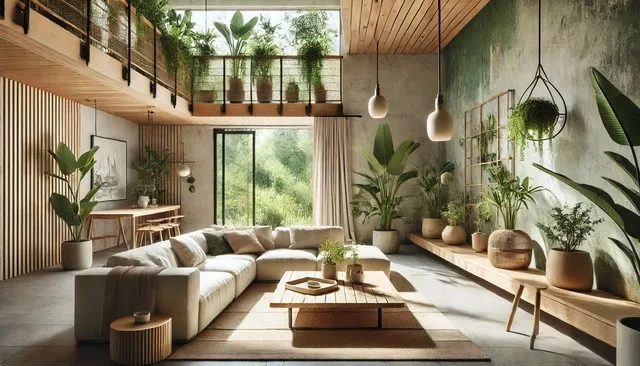
You can’t talk about mindful living without talking about nature. But let’s be clear: putting a single succulent on your windowsill doesn’t cut it anymore. The Zenith Trend pushes for a deeper integration of biophilic design. This means designing your home to maximize your connection to the natural environment. It’s about light, air, and views. If you have windows, don’t block them with heavy drapes. Let the circadian rhythm of the sun dictate the mood of your home. Morning light for energy, soft evening glow for winding down.
If you’re stuck in a darker space, you have to get creative. Mirrors can bounce light around. Full-spectrum lighting systems that change color temperature throughout the day are becoming standard in mindful homes. They help regulate sleep cycles and mood. It’s tech serving biology, not distracting from it. And then there’s the plants. Not just as decor, but as active participants in your home’s ecosystem. Large leafy plants improve air quality. They add humidity. They make the space feel alive.
This connection extends to materials too. Using sustainable, non-toxic materials is a huge part of the Zenith ethos. You wouldn’t want to breathe in VOCs (volatile organic compounds) from cheap paint while trying to meditate, right? So, the trend favors clay paints, natural oils, and reclaimed wood. It’s an ethical choice as much as an aesthetic one. Knowing your home isn’t harming the planet adds to that sense of inner peace. It’s hard to feel zen if you know your sofa is sitting in a landfill somewhere else.
Tech with Boundaries: The Invisible Assistant
Here’s the tricky part. We love our gadgets. But they are the enemy of mindfulness, right? Not necessarily. The Zenith Trend in 2026 isn’t about going off-grid. It’s about "intentional technology." This means tech that disappears when you don’t need it. Hidden speakers. Screens that roll away or turn into art when idle. Smart home systems that automate the boring stuff—like adjusting the thermostat or dimming lights—so you don’t have to think about it.
The goal is to remove friction. If you have to fiddle with three remotes to watch a movie, that’s stress. If your home anticipates your needs and creates the right ambiance automatically, that’s support. But there’s a strict boundary: no notifications in the sanctuary zones. Your bedroom and your meditation corner should be dead zones for digital noise. Charging stations are hidden away in closets or entryways, not on nightstands.
This separation is crucial. It allows you to be present. When you pick up a book, you aren’t tempted to check your phone because it’s not within arm’s reach. When you’re eating dinner, the TV is off. The tech supports the lifestyle, it doesn’t dominate it. It’s a subtle shift, but it changes everything. You regain control over your attention. And in 2026, attention is the most valuable currency we have. Protecting it within your home is a radical act of self-care.
Rituals Over Rooms: Designing for Daily Practice
A Zenith home isn’t just about static objects; it’s about flow. It’s designed to support your daily rituals. Do you drink coffee every morning? Create a dedicated spot for it. Make it beautiful. Use the nice mug. Light a candle. This turns a mundane habit into a mindful practice. The design facilitates the ritual. Maybe it’s a small altar for journaling. Or a specific rug where you do your morning stretches. These designated zones signal to your brain that it’s time to shift gears.
In the past, we tried to make every room multi-functional in a chaotic way. The dining table became the desk, which became the laundry folding station. The Zenith approach says: stop. Give each activity its own respect. Even if you live in a studio apartment, you can use lighting or rugs to define zones. When you step onto the yoga mat, you are in "movement mode." When you sit in the armchair, you are in "rest mode."
This structure creates stability. Life outside is unpredictable. Work is stressful. Traffic is annoying. But inside, the routine is sacred. The home supports your consistency. It reminds you to take care of yourself. It’s not about being perfect. It’s about having a space that encourages you to show up for your own well-being, day after day. It’s the difference between a house that stores your things and a home that holds your habits.
Sustainability as Serenity: The Ethical Core
Finally, we have to talk about the footprint. You can’t have a peaceful mind if you’re worried about the planet’s future. The Zenith Trend is inherently sustainable. It rejects the cycle of buy-discard-repeat. Instead, it champions longevity. Buy less, but buy better. Choose pieces that will last decades, not seasons. Repair what breaks. Upcycle what you can. This mindset reduces clutter, yes, but it also reduces anxiety.
There’s a quiet confidence in owning things that are well-made. You don’t have to constantly upgrade. You don’t have to keep up with trends. Your home becomes a stable anchor. Plus, supporting local artisans and using eco-friendly materials connects you to your community and the earth. It feels good. It aligns your values with your environment. This alignment is key to true mindfulness. You can’t meditate your way out of cognitive dissonance.
In 2026, this isn’t just a niche preference. It’s the standard. People are realizing that a cluttered, wasteful home leads to a cluttered, wasteful mind. By simplifying our consumption, we clear space for what matters. We save money, sure. But we also save energy. Mental energy. Emotional energy. And that’s what the Zenith Trend is really about. It’s about conserving your inner resources so you can thrive.
So, where does this leave us? The Zenith Trend isn’t a checklist. You don’t need to buy a new rug or paint your walls sage green to participate. It’s a mindset. It’s asking yourself: "Does this space serve me?" It’s looking at your home and seeing it as a partner in your wellness journey. It’s recognizing that in a chaotic world, your home is the one place you can control. And you can choose to make it a source of strength.
Start small. Declutter one shelf. Add a plant. Hide your phone charger. Notice how the light moves through your room. These tiny shifts add up. They create a ripple effect. Soon, you’ll find yourself breathing deeper. Sleeping better. Feeling more grounded. That’s the power of mindful living. It’s not about perfection. It’s about presence. It’s about reaching that zenith of comfort and clarity, right where you are.
Your home is waiting to support you. It’s ready to be more than just a backdrop. Let it be your sanctuary. Let it be your teacher. Let it be the place where you remember who you are when the world gets too loud. Because at the end of the day, that’s what we’re all looking for. A little bit of peace. A little bit of space. And a place to call home.