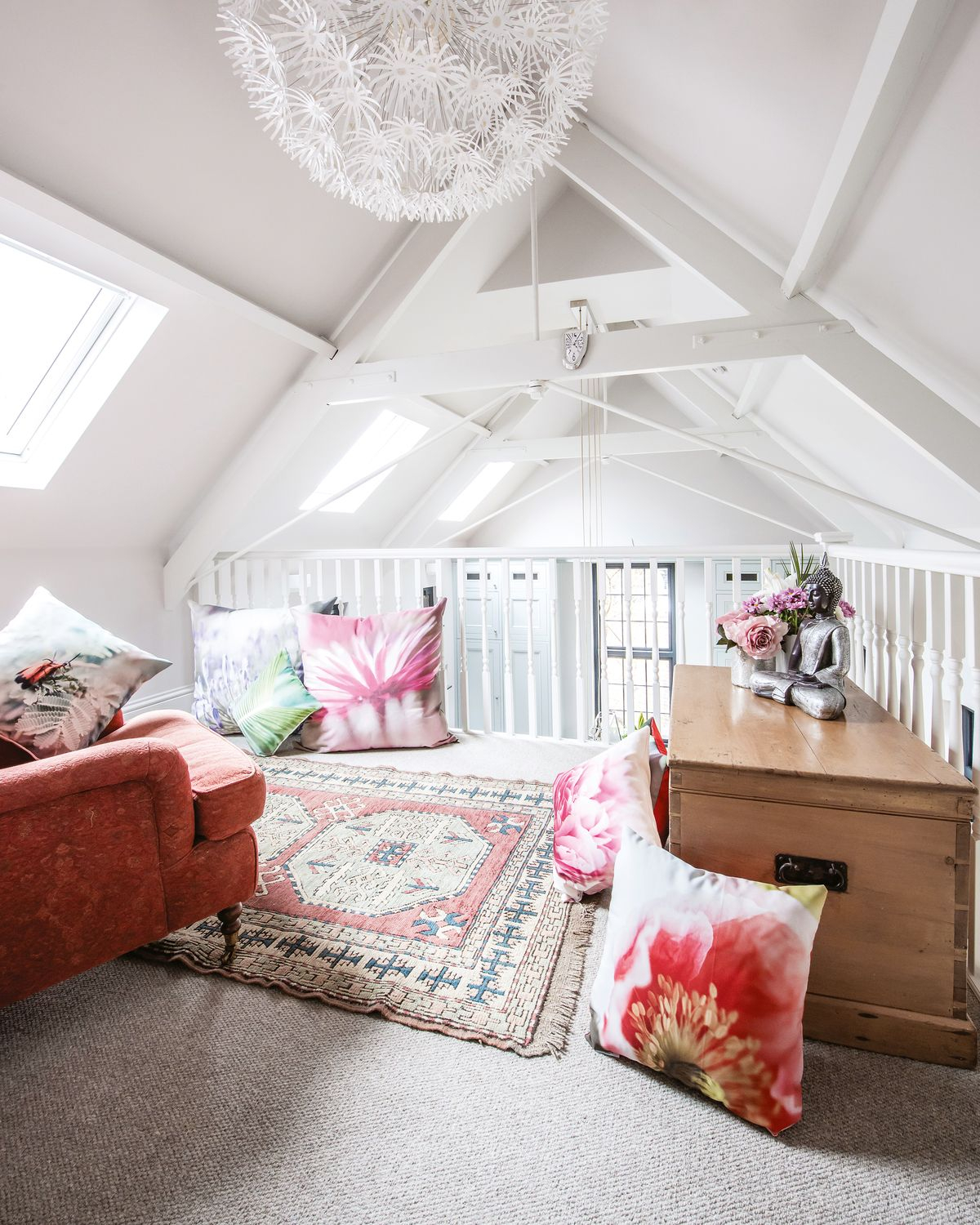
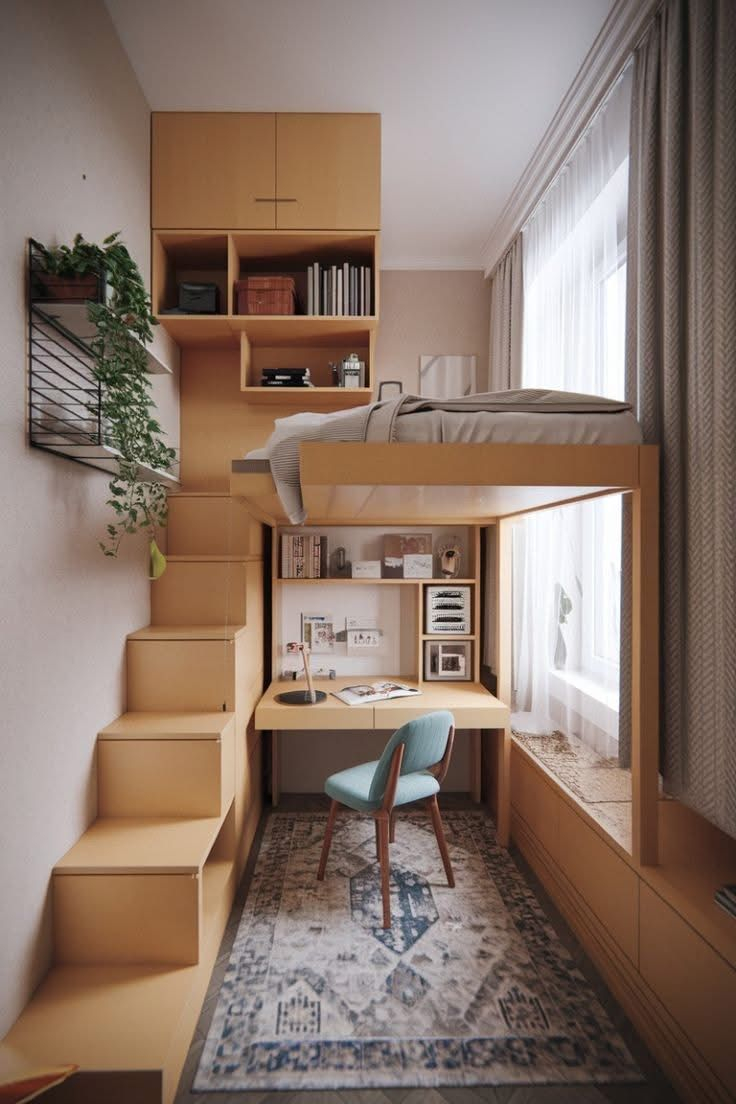
Ever walk into a tiny studio and feel like the walls are closing in? It’s a common feeling. We’ve all been there, staring at a pile of stuff on the floor, wondering where it’s all supposed to go. But what if the answer wasn’t about getting rid of things, but looking up? Seriously. Look up. Most of us spend our lives looking straight ahead or down at our phones, ignoring the vast, empty real estate above our heads. That space is your secret weapon.
In 2026, living small isn’t just a trend; for many, it’s a necessity. Rent prices haven’t exactly dropped, and square footage is still at a premium in major cities. But here’s the good news: you don’t need a mansion to feel spacious. You just need to trick your brain. By shifting your focus from the floor to the ceiling, you can create an optical illusion that makes your apartment feel twice its actual size. It’s not magic. It’s just smart design. And the best part? You can do it without knocking down any walls or begging your landlord for permission.
The Psychology of Looking Up
Why does looking up make a room feel bigger? It’s all about where your eyes go. Interior designers have known this for years. When your gaze is drawn upward, your brain perceives higher ceilings. Even if your ceilings are standard eight-foot height, creating vertical lines tricks the eye into thinking there’s more volume in the room. As one expert noted, anything that draws attention upward instantly adds a sense of height and breathing room. It’s a simple psychological hack that works every time.
Think about it. If your room is cluttered at eye level and below, your vision is blocked. You see obstacles. But if the lower half of your walls is clear and the upper half has interesting features, your eyes travel smoothly from the floor to the ceiling. This movement creates a feeling of flow. It stops the space from feeling static and boxed-in. You’re essentially giving your eyes a path to wander, which makes the room feel dynamic and open rather than stagnant and cramped.
This concept is often called the "floor-clearing rule." It’s pretty straightforward. Keep the floor visible. When you can see the floorboards stretching across the room, your brain registers more space. By moving storage and decor off the ground and onto the walls, you free up that visual real estate. It’s like decluttering, but for your perspective. You aren’t necessarily throwing things away; you’re just lifting them up. This simple swap can make a tiny hallway or a narrow living area feel significantly more expansive.
Floating Shelves and the Art of Height
Wall-mounted shelves are probably the most obvious tool in your vertical arsenal, but most people use them wrong. They put one shelf at eye level and call it a day. Don’t do that. To get the airy effect, you need to go high. Really high. Install shelves that start near the ceiling or stack multiple shelves all the way up the wall. This draws the eye on a long journey from top to bottom, emphasizing the full height of the room. It turns a blank wall into a feature, not just a barrier.
These shelves don’t just look good; they are practical workhorses. In a small kitchen, for example, floating shelves can hold dishes, spices, and cookbooks, freeing up precious counter space. In a living room, they can display books, plants, and art. The key is to keep them visually light. Bulky brackets weigh them down visually. Opt for hidden brackets or slim metal supports. You want the shelves to look like they are floating, defying gravity. This adds to the airy feel. Heavy, dark wood might ground the space too much, so consider lighter woods or even painted white to blend with the walls.
Another trick is to vary the items on your shelves. Don’t just line up identical boxes. Mix heights. Place a tall vase next to a stack of horizontal books. Add a trailing plant that hangs down slightly. This variety keeps the eye moving and prevents the wall from looking like a rigid grid. It feels organic and lived-in. Plus, by using vertical storage, you’re keeping your floor clear for living. No more tripping over book stacks or shoe piles. Everything has a home, and that home is up, not down.
Curtains, Paint, and Visual Tricks
Let’s talk about windows. They are the eyes of your apartment, letting in light and views. But heavy, short curtains can cut off that view and make the ceiling feel lower. The fix? Hang your curtain rods as close to the ceiling as possible, not just above the window frame. Then, let the curtains fall all the way to the floor. This creates long, uninterrupted vertical lines that mimic the height of the room. It’s a classic designer move that costs almost nothing but pays off huge in terms of perceived space.
While you’re at it, ditch the heavy drapes. In 2026, the trend is all about light and airiness. Swap thick fabrics for sheer, light-filtering materials. Let the sunshine flow in. Natural light is your best friend in a small space. It bounces around, filling corners and making the room feel open. If privacy is a concern, layer a sheer curtain with a lightweight blackout panel that you only close at night. During the day, keep everything open and bright. The more light you have, the larger the space feels.
Paint can also play a huge role here. Painting your walls and ceiling the same color, or very similar shades, blurs the boundary between them. This makes it hard for the eye to tell where the wall ends and the ceiling begins, creating an infinite feel. White is the classic choice for a reason—it reflects light and feels expansive. But don’t be afraid of soft grays or pale blues. Just keep it light. And don’t forget the trim. Painting trim the same color as the walls reduces visual clutter and keeps the focus on the vertical expanse. It’s subtle, but it works.
Multi-Functional Furniture That Reaches Skyward
Furniture in a small apartment needs to earn its keep. It shouldn’t just sit there; it should work for you. Look for pieces that utilize vertical space. Tall bookcases that go from floor to ceiling are perfect. They provide massive amounts of storage without taking up more floor space than a short unit. A tall, narrow cabinet in the entryway can hold coats, shoes, and bags, keeping the entrance clutter-free. The goal is to consolidate storage into vertical towers rather than spreading it out horizontally.
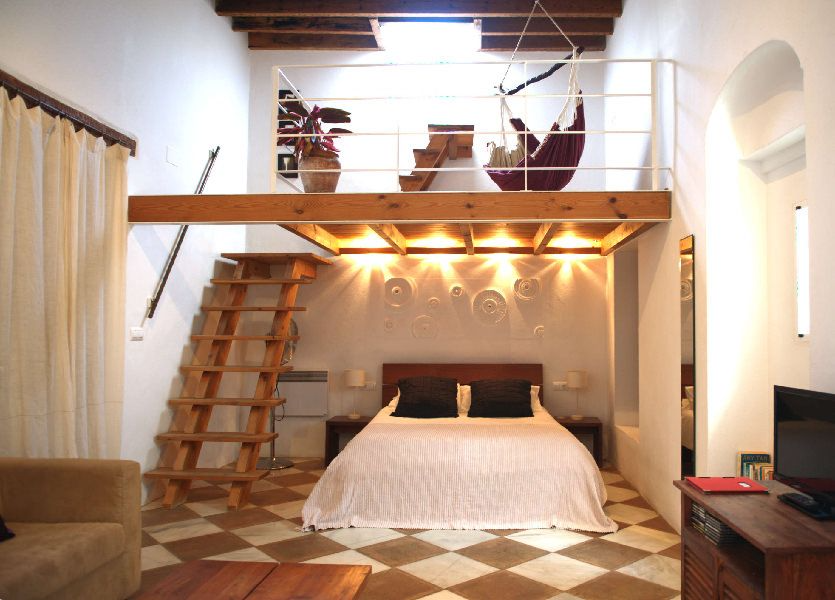
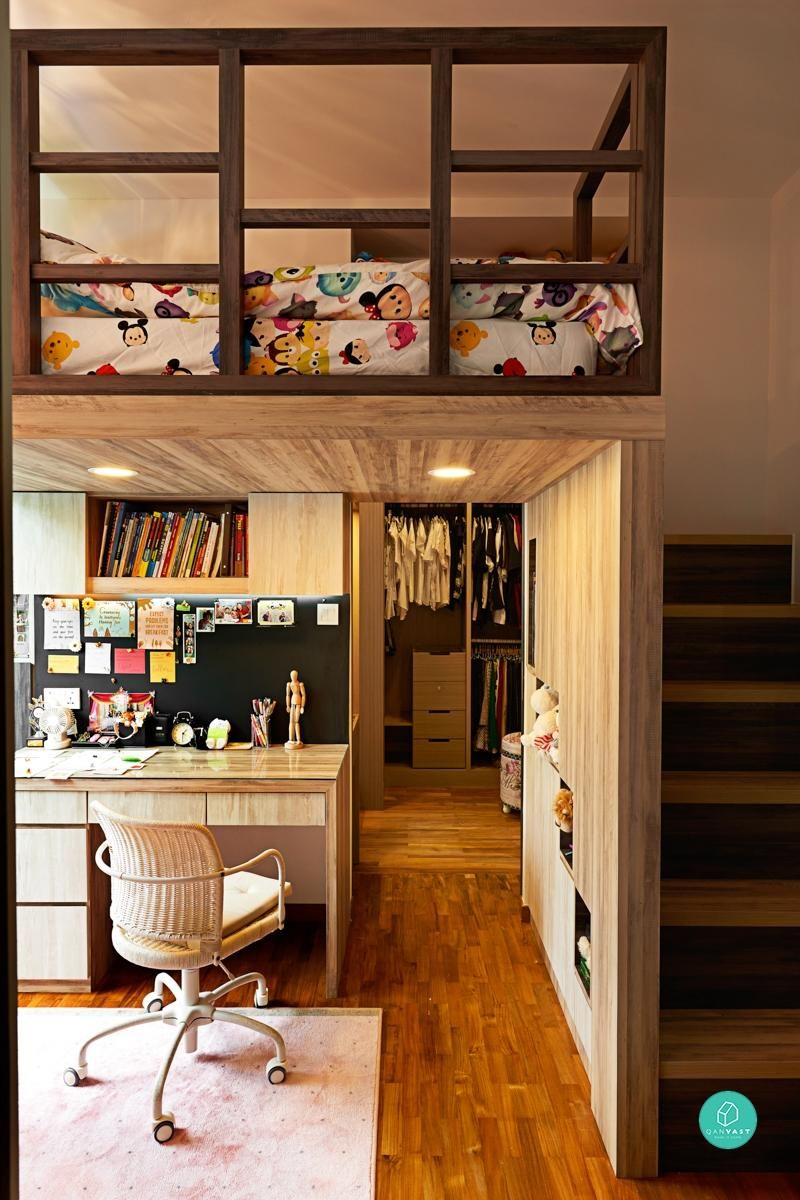
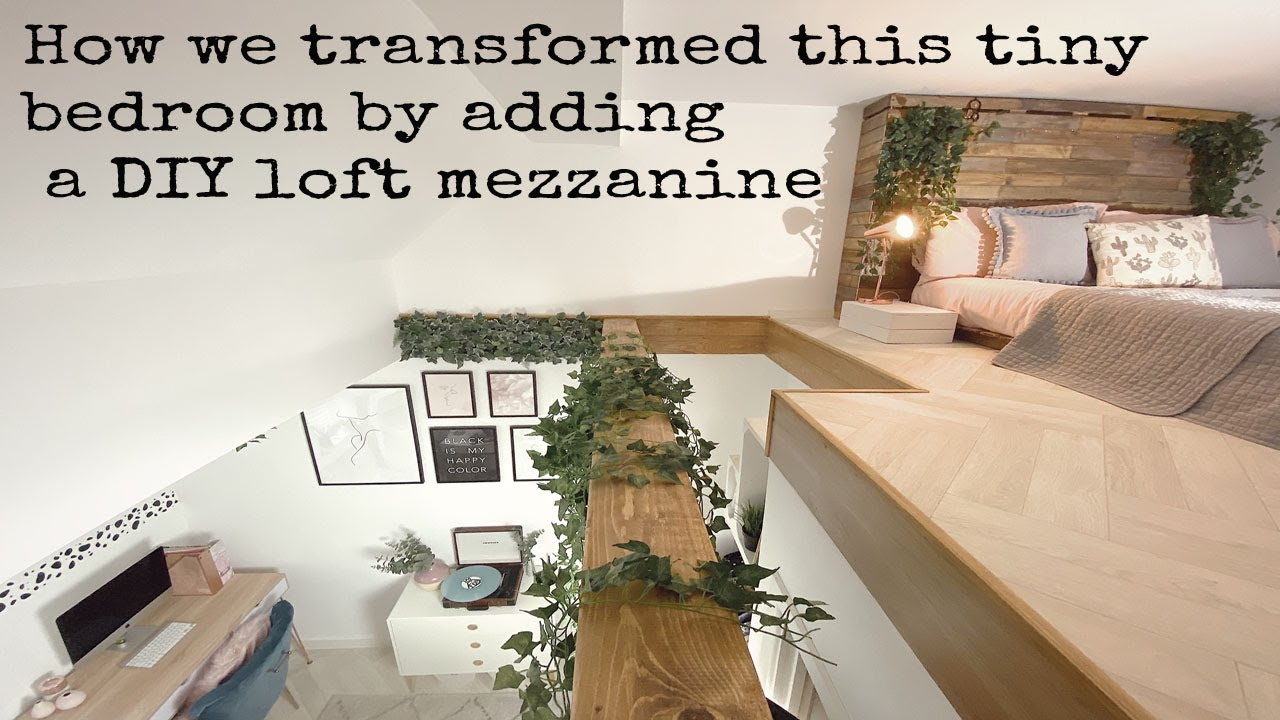
Bedrooms are another prime spot for vertical thinking. Loft beds are great for studios, lifting the sleeping area up and freeing the space below for a desk or lounge area. If a loft bed is too extreme, consider a bed with high headboards that incorporate shelving. Or, use the space under the bed wisely. Under-bed drawers or lift-up mattresses can store seasonal clothes and extra bedding. This keeps your closet from overflowing and maintains that crucial floor clarity. It’s about stacking your life vertically, layer by layer.
Don’t overlook the kitchen. In many small apartments, the kitchen is tiny. Use vertical dividers inside cabinets to stack plates and bowls efficiently. Hang pots and pans from a ceiling rack if you have the height. It adds an industrial chic vibe and frees up cabinet space. Magnetic strips for knives and spice jars on the side of the fridge or walls are also genius. They keep tools accessible but off the counters. Every inch of vertical surface is a potential storage spot if you look for it.
Mirrors and Light: Bouncing the Eye Around
Mirrors are basically cheat codes for small spaces. They reflect light and views, doubling the visual depth of a room. But placement matters. Don’t just slap a mirror anywhere. Place a large mirror opposite a window to bounce natural light around the room. Or, use a tall, narrow mirror leaning against a wall to emphasize height. Floor-length mirrors are particularly effective because they reflect the floor and the ceiling, creating a continuous vertical line. It’s like adding a window where there wasn’t one.
Lighting also plays a critical role in highlighting vertical space. Avoid relying solely on overhead lights, which can cast shadows and make the room feel flat. Use floor lamps with tall, slender stands to draw the eye up. Wall sconces placed high on the wall can wash the ceiling with light, making it feel higher. In 2026, LED strip lights are popular for highlighting architectural features or shelving units. Running a strip of light along the top of a bookcase or behind a headboard adds depth and draws attention to the upper reaches of the room.
Strategic lighting can also highlight your vertical decor. If you have a gallery wall that goes up high, make sure it’s well-lit. Spotlights or picture lights can guide the viewer’s gaze upward. This intentional direction of light helps reinforce the vertical narrative you’re creating. It’s not just about seeing; it’s about what you’re shown. By controlling the light, you control the perception of space. Bright, well-lit vertical elements feel inviting and open, while dark, shadowy corners feel closed off and small.
Not everyone owns their home. Many of us are renting, which means we can’t drill holes wherever we want. But that doesn’t mean you’re stuck with flat, boring walls. There are plenty of renter-friendly ways to go vertical. Command strips and heavy-duty adhesive hooks have come a long way. They can hold surprising weight and allow you to hang shelves, art, and mirrors without damaging the paint. Just make sure to follow the weight limits and removal instructions carefully.
Tension rods are another unsung hero. You can use them to create vertical storage in closets, between walls, or even in shower stalls. Hang baskets from tension rods to store toiletries or cleaning supplies. Use them to hang curtains high up, as mentioned before. They require zero drilling and can be adjusted to fit any space. It’s a flexible, temporary solution that offers permanent-style benefits. You can take them with you when you move, which is a nice bonus.
Freestanding units are also a great option. A tall, freestanding shelving unit doesn’t need to be attached to the wall. Lean it against the wall for stability if needed, or let it stand on its own. These units can be moved around as your needs change. They offer the vertical storage benefits without the commitment of installation. Look for units with open backs to keep the space feeling light and airy. Closed backs can feel bulky and block the flow of the room. Keep it open, keep it tall, and keep it flexible.
So, there you have it. The secret to making your small apartment feel airy and spacious isn’t about buying more stuff or knocking down walls. It’s about changing your perspective. Literally. By looking up and utilizing the vertical space around you, you can create an illusion of height and breadth that transforms your living experience. From floating shelves and high-hung curtains to strategic mirrors and tall furniture, the tools are simple and accessible.
It’s about being intentional with every inch. Don’t let your walls be empty voids. Make them work for you. Clear the floor, lift your eyes, and let the light in. These small changes add up to a big difference in how your home feels. You don’t need a huge budget or a degree in interior design. You just need to think vertically. Try one or two of these tips this weekend. See how it feels. You might be surprised by how much bigger your world becomes just by looking up.