You know that feeling. You’re standing in the middle of your living room, holding a throw pillow you bought on impulse because it looked cute online. But now, staring at it against your beige sofa, it just looks… wrong. Or maybe you’ve spent three hours scrolling through Pinterest, saving images of moody, dark libraries and bright, airy Scandinavian lofts, wondering why your actual house looks like neither. It’s exhausting. The endless cycle of buying, returning, and second-guessing isn’t just hard on your wallet; it’s hard on your soul.
We live in a world where trends move faster than we can unpack our boxes. One minute, everything is gray and industrial; the next, it’s all about warm woods and "grandmillennial" chintz. It’s no wonder so many of us feel paralyzed. We want our homes to look good, sure. But more than that, we want them to feel like us. We want to walk through the front door and feel a sense of exhale, not anxiety. The truth is, defining your style isn’t about picking a label from a magazine. It’s about listening to what actually makes you happy.
The Trap of Trend Chasing
Let’s be honest for a second. Social media has made decorating feel like a performance. In 2026, with algorithms pushing hyper-specific aesthetics like "Coastal Grandma" or "Dark Academia" every few weeks, it’s easy to feel like you’re falling behind if your home doesn’t match the current vibe. But here’s the thing: trends are designed to expire. Your home is not. When you decorate based on what’s popular right now, you’re building a house on sand. As soon as the wind changes, you’re left wondering if your choices were ever valid to begin with.
This constant shifting creates a specific kind of decision fatigue. You start to distrust your own instincts. You see a chair you love, but then you remember reading somewhere that curved furniture is "out" and straight lines are "in," so you put the chair back. You end up with a space that is technically correct according to the internet, but feels sterile and impersonal to you. It’s a hollow victory. The stress of trying to keep up prevents you from creating a sanctuary. You aren’t designing for your life; you’re designing for an audience that doesn’t exist.
Breaking free from this trap requires a mindset shift. You have to give yourself permission to ignore the noise. This doesn’t mean you can’t enjoy new ideas or fresh inspirations. It means you filter them through a lens of personal resonance rather than external validation. Ask yourself: Do I actually like this, or do I just like the idea of liking it? That simple question can save you hundreds of dollars and countless hours of regret. When you stop chasing the trend, you start finding your truth.
Digging Into Your Personal History
Your style didn’t appear out of thin air. It’s been hiding in plain sight, buried under layers of doubt and magazine spreads. To find it, you have to look backward before you can move forward. Think about the spaces that have always made you feel safe and inspired. Was it your grandmother’s kitchen, with its cluttered counters and smell of yeast? Or maybe a modern art museum you visited on a trip, with its clean lines and stark white walls? These memories are clues. They point to the textures, colors, and atmospheres that your brain naturally associates with comfort and joy.
Try an exercise that designers often use with clients: the "memory map." Grab a notebook and write down five places you’ve loved being in. Don’t overthink it. Just list them. Then, next to each one, write three words that describe how those places felt. Maybe your childhood library was "quiet, dusty, warm." Maybe your favorite hotel lobby was "sleek, cool, expansive." Look for patterns. Do you lean toward cozy and enclosed, or open and airy? Do you prefer natural materials like wood and stone, or polished surfaces like metal and glass? These preferences are the foundation of your authentic style.
Another powerful tool is looking at your non-decor interests. What do you wear when you feel most confident? What kind of books do you read? If your wardrobe is full of tailored blazers and neutral tones, a chaotic, maximalist living room might feel jarring to you, no matter how much you admire it on Instagram. If you love hiking and organic gardening, bringing in lots of plastic, synthetic, or overly manufactured items might subconsciously stress you out. Your home should be an extension of your lifestyle, not a contradiction of it. Aligning your decor with your daily habits and passions makes the style feel effortless because it is effortless.
Curating Your Visual Voice
Once you have a sense of your emotional preferences, it’s time to translate that into visual language. This is where most people get stuck again, overwhelmed by the sheer volume of options. The key here is curation, not collection. Instead of saving every pretty picture you see, start being ruthless. Create a digital folder or a physical pinboard, but set a rule: you can only add images that genuinely spark a reaction in you. Not "that’s nice," but "wow, I need that feeling in my life."
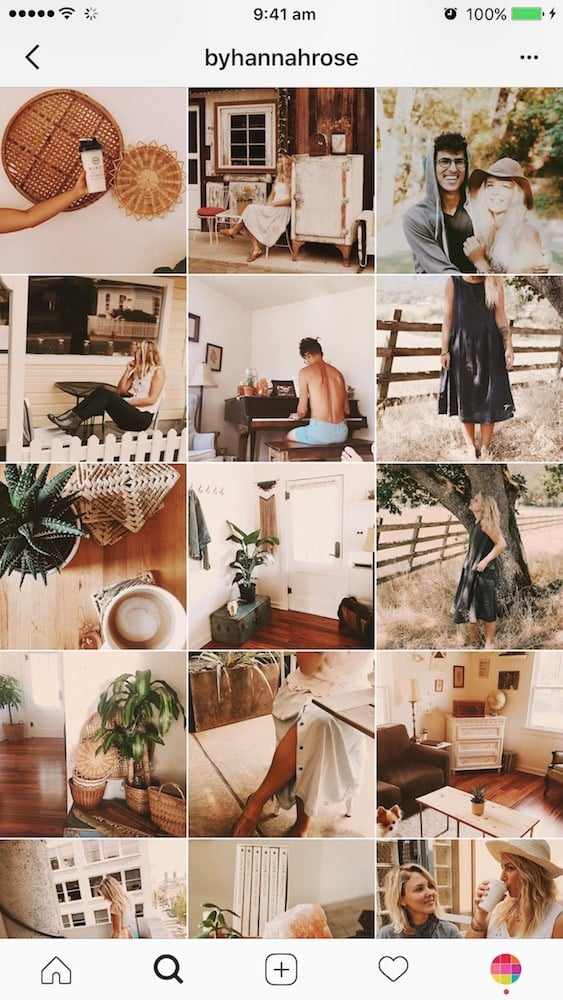
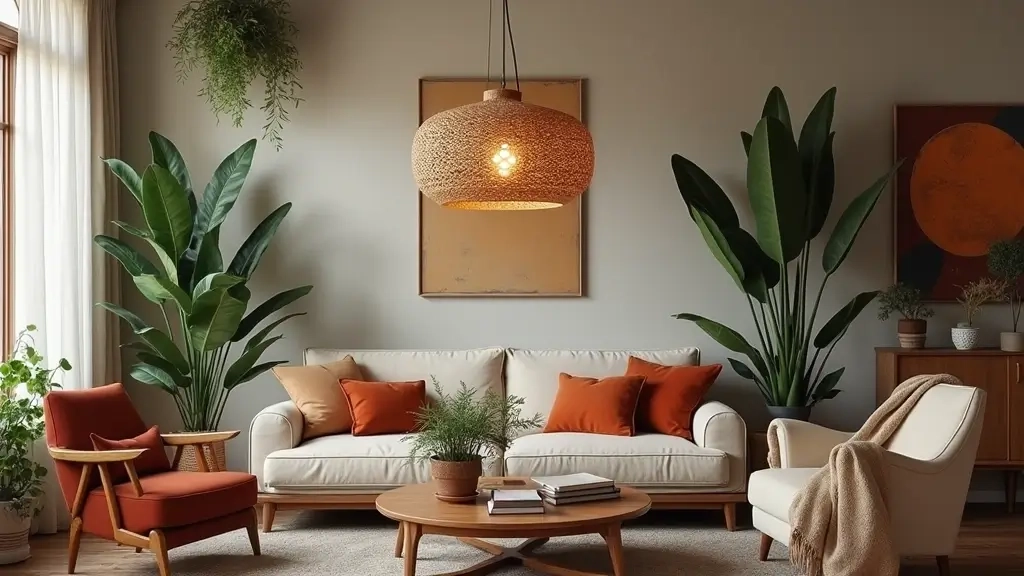
After you’ve gathered about 20 to 30 images, step back and look at them as a group. Ignore the specific furniture pieces for a moment. Look at the overall mood. Is there a lot of white space, or is every corner filled? Are the colors muted and earthy, or bold and saturated? Are the lines soft and curvy, or sharp and geometric? You’ll likely start to see a common thread emerge. Maybe you realize that even though you saved pictures of both a rustic cabin and a modern loft, they both share warm lighting and natural wood elements. That’s your core aesthetic. It’s not about copying one image; it’s about identifying the recurring elements that draw you in.
This process helps you define your "non-negotiables." These are the elements that must be present for a space to feel right to you. For some, it’s having plenty of plants. For others, it’s avoiding anything beige. For another, it’s displaying family photos prominently. Write these down. Keep this list handy when you shop. When you’re standing in a store, unsure about a rug, check it against your non-negotiables. Does it fit the mood? Does it align with your visual voice? If the answer is no, put it back. This clarity turns shopping from a guessing game into a targeted mission.
The Power of Editing and Restraint
Defining your style isn’t just about what you bring in; it’s equally about what you leave out. Many of us hold onto decor items because they were gifts, or because they were expensive, or because we thought we’d love them someday. But clutter—whether it’s physical objects or visual noise—clouds your ability to see your true style. If your shelves are packed with knick-knacks that don’t mean anything to you, you can’t appreciate the few pieces that do. Editing is an act of self-respect. It clears the stage for the things that truly matter.
Start with a single surface. A coffee table, a mantel, or a nightstand. Clear it off completely. Then, only put back the items that you absolutely love or that serve a vital function. Notice how the space feels. Lighter? Calmer? More intentional? That feeling is what you’re aiming for throughout your home. It’s not about minimalism for the sake of being sparse; it’s about making room for quality over quantity. When you have fewer things, each thing carries more weight. A single, beautiful vase on an empty table makes a statement. That same vase lost on a cluttered shelf does not.
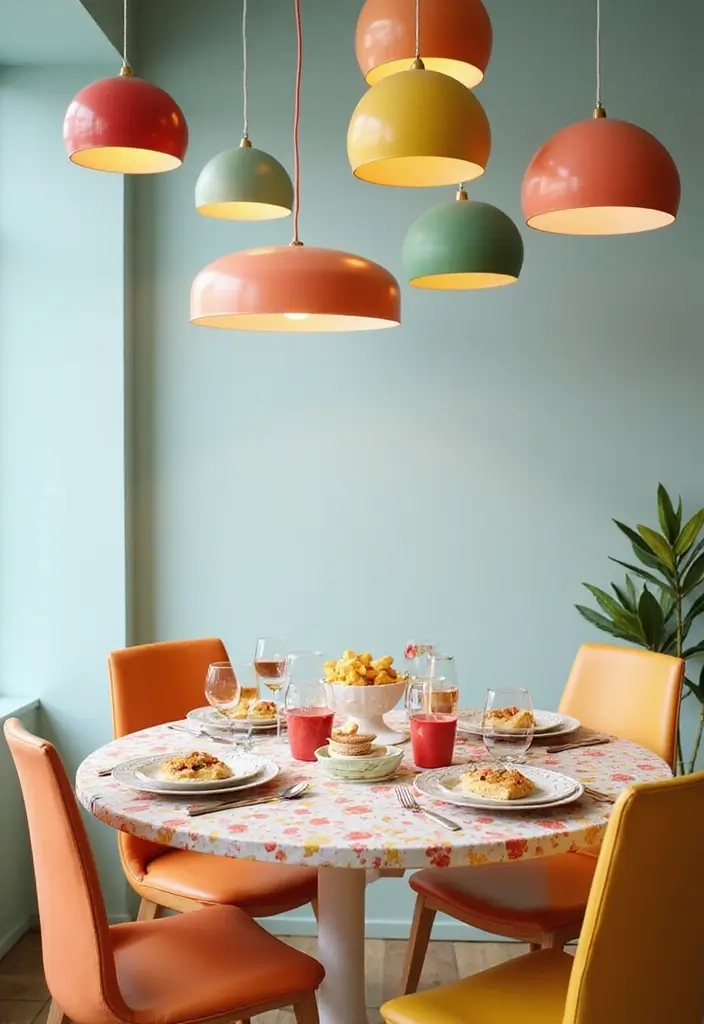
This restraint also applies to color and pattern. If you’re struggling to define your style, try limiting your palette. Pick two or three main colors and stick to them for a while. This creates cohesion, which instantly makes a space feel more designed and less accidental. You can always add accents later, but starting with a restrained palette gives you a solid foundation. It reduces the cognitive load of deciding if every tiny accessory matches. When the big elements work together harmoniously, the small details fall into place more easily. Less really can be more, especially when you’re trying to hear your own design voice.
Trusting Your Gut Instincts
At the end of the day, no quiz, algorithm, or expert can tell you what feels right in your body. You have to learn to trust your gut. This is harder than it sounds because we’ve been conditioned to seek external approval. But your home is for you, not for a judge. If you walk into a room and feel a subtle tension in your shoulders, something is off. Maybe the lighting is too harsh, or the furniture arrangement blocks flow. Listen to that signal. Conversely, if you sit down in a chair and feel an immediate sense of relief, pay attention to why. Is it the support? The fabric? The view from that spot?
Practice making small decisions without overanalyzing them. Buy the lamp because it makes you smile, not because it’s the "right" style. Hang the artwork slightly crooked if that’s how it landed and you like the casual vibe. Break a rule if it feels better. Design guidelines are helpful starting points, but they are not laws. Your comfort and happiness are the ultimate metrics of success. If a "perfectly styled" room makes you afraid to sit down and relax, it has failed its primary purpose. A home should be lived in, not just looked at.
This trust builds over time. Start small. Rearrange a corner. Swap out a curtain. See how it feels. Did it improve your mood? Great. Did it annoy you? Change it back. There are no permanent mistakes, only lessons. Each adjustment teaches you more about your preferences. You become more confident in your ability to create an environment that supports your well-being. And that confidence is the antidote to second-guessing. When you know you can fix it if it’s wrong, you’re less afraid to try something new.
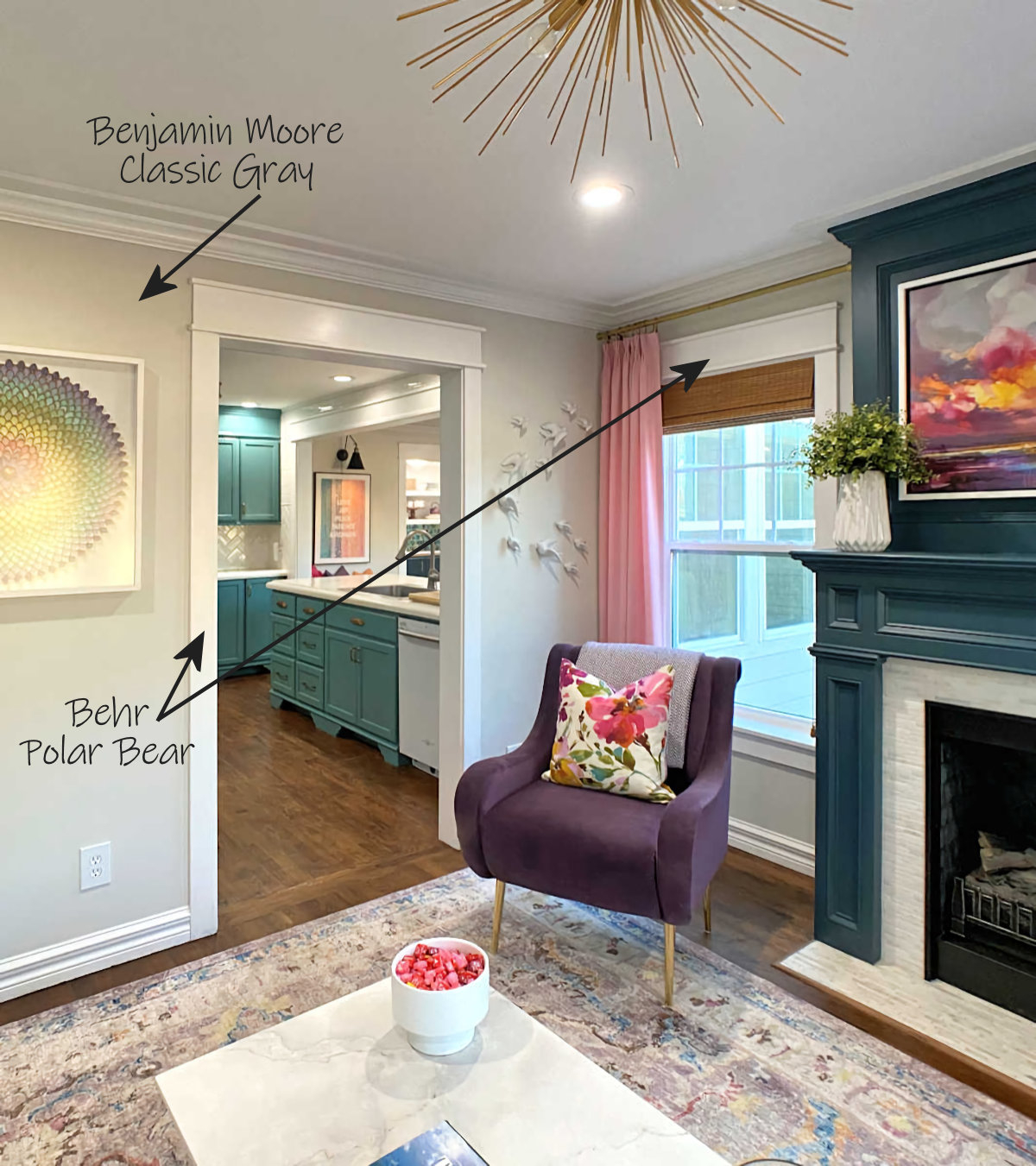
Finally, remember that your home is a whole, not a series of isolated boxes. Defining your style means creating a sense of flow from room to room. This doesn’t mean every room has to look identical. In fact, variety keeps things interesting. But there should be a common thread that ties everything together. This could be a consistent color palette, a repeated material like brass or oak, or a shared level of formality. When you move from the living room to the bedroom, the transition should feel natural, not jarring.
Think of your home like a story. Each room is a chapter, but they all belong to the same book. If the living room is a serious, formal drama and the bedroom is a chaotic, neon-lit comedy, the narrative falls apart. Aim for harmony. If you love bold colors, maybe use them as accents in every room, rather than painting one room red and the next blue. If you prefer serene neutrals, vary the textures to keep it from feeling flat. This cohesion creates a sense of stability and calm. It makes the house feel like a unified sanctuary rather than a collection of disjointed experiments.
In 2026, where our lives are increasingly fragmented and digital, having a physical space that feels coherent and grounded is more important than ever. Your home should be the place where you can reconnect with yourself. When the style is defined and consistent, it recedes into the background, allowing you to focus on living your life. You stop noticing the decor because it just works. It supports you. And that is the ultimate goal. Not to have a showroom, but to have a home that holds you.
So, take a deep breath. Put down the phone. Look around your space with fresh eyes. What do you actually love? What do you actually need? Start there. Be patient with yourself. Finding your style is a journey, not a destination. But once you stop second-guessing and start trusting your own taste, you’ll find that decorating becomes less of a chore and more of a joy. You’ll walk through your door and finally, truly, feel at home.